 EN
EN


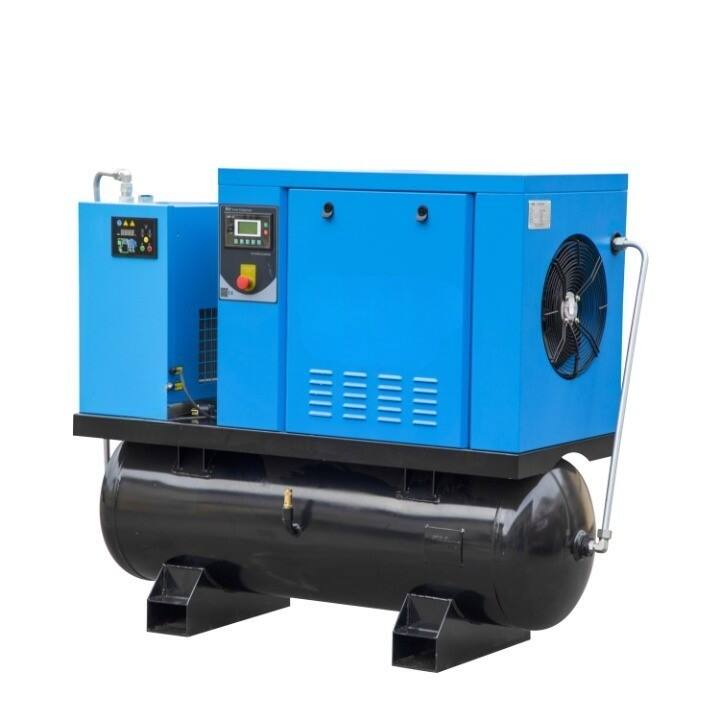
When your air compressor fails to build adequate pressure, it can bring your entire operation to a halt. This frustrating issue affects countless workshops, garages, and industrial facilities worldwide. Understanding the root causes behind pressure loss in an air compressor system is crucial for maintaining optimal performance and avoiding costly downtime. Whether you're dealing with a small portable unit or a large stationary system, pressure-related problems often stem from common mechanical issues that can be diagnosed and resolved with proper knowledge.
The inability to generate sufficient pressure in an air compressor typically indicates underlying mechanical problems that require immediate attention. These issues can range from simple maintenance oversights to more complex component failures. Identifying the specific cause requires a systematic approach to troubleshooting, examining various components that directly impact the compression process. Professional technicians often follow established diagnostic procedures to pinpoint the exact source of pressure loss, ensuring accurate repairs and preventing recurring problems.
Common Causes of Pressure Loss
Worn Piston Rings and Cylinder Damage
Piston rings serve as the primary sealing mechanism in reciprocating air compressor systems, preventing compressed air from escaping back into the intake chamber. Over time, these rings experience natural wear from constant friction and heat exposure. When piston rings become worn or damaged, they create gaps that allow pressurized air to bypass the compression chamber, resulting in significant pressure loss. This condition often manifests as reduced output pressure despite normal operating sounds from the motor.
Cylinder wall scoring can exacerbate piston ring problems, creating irregular surfaces that prevent proper sealing. This damage typically occurs when contaminants enter the compression chamber or when inadequate lubrication causes metal-to-metal contact. Recognizing these symptoms early can prevent more extensive damage to the entire compression assembly. Regular inspection of compression components during routine maintenance helps identify wear patterns before they lead to complete system failure.
Faulty Check Valves and Reed Valves
Check valves and reed valves control airflow direction within the compression system, ensuring that compressed air moves efficiently from the intake through the discharge process. When these valves fail to seat properly or become damaged, they allow pressurized air to flow backward, preventing the system from building adequate pressure. Valve problems often result from carbon buildup, corrosion, or mechanical damage caused by debris in the air stream.
Identifying valve-related issues requires careful inspection of valve components during disassembly. Damaged valve seats, bent reed valves, or warped valve plates can significantly impact compression efficiency. Modern air compressor designs incorporate accessible valve assemblies that facilitate regular inspection and replacement. Proper valve maintenance involves cleaning valve surfaces, checking for proper seating, and replacing worn components according to manufacturer specifications.
Air Leakage Problems
External Air Leaks in Connections
External air leaks represent one of the most common causes of pressure loss in air compressor systems. These leaks typically occur at connection points, fittings, and joints throughout the compressed air distribution network. Even small leaks can significantly impact system performance, forcing the air compressor to work continuously to maintain desired pressure levels. Identifying external leaks requires systematic inspection of all accessible connections and components.
Professional technicians use various detection methods to locate air leaks, including soap solutions, ultrasonic leak detectors, and audible inspection techniques. Common leak locations include threaded connections, quick-disconnect fittings, pressure gauges, and safety relief valves. Addressing these leaks promptly prevents energy waste and reduces unnecessary wear on compressor components. Regular leak detection should be incorporated into routine maintenance schedules for optimal system efficiency.
Internal Air Leaks and Gasket Failures
Internal air leaks within the compressor assembly can be more challenging to identify but equally detrimental to pressure generation. These leaks often occur at gasket interfaces, cylinder head connections, and crankcase seals. When internal sealing components deteriorate, they allow compressed air to escape into areas where it cannot contribute to system pressure. This type of leakage typically requires partial disassembly for proper diagnosis and repair.
Gasket failures commonly result from age-related deterioration, improper installation, or excessive operating temperatures. High-quality replacement gaskets specifically designed for air compressor applications provide better longevity and sealing performance. During reassembly, proper torque specifications and sealing compound application ensure optimal gasket performance. Understanding gasket compatibility with various compressed air applications helps prevent premature failures and maintains system integrity.
Maintenance and Prevention Strategies
Regular Filter Replacement and Cleaning
Air filter maintenance plays a crucial role in preventing contamination-related damage that can lead to pressure loss issues. Dirty or clogged air filters restrict airflow into the compression chamber, forcing the air compressor to work harder while producing less compressed air output. Regular filter inspection and replacement according to manufacturer recommendations helps maintain optimal airflow and protects internal components from harmful contaminants.
Different operating environments require varying filter maintenance frequencies, with dusty or contaminated locations necessitating more frequent attention. Paper filters should be replaced rather than cleaned, while foam filters can often be washed and reused multiple times. Upgrading to higher-efficiency filtration systems can provide better protection for critical compressor components while extending service intervals. Proper filter selection based on operating conditions ensures adequate protection without restricting necessary airflow.
Lubrication System Maintenance
Adequate lubrication is essential for preventing internal component wear that can lead to compression loss and pressure problems. Air compressor lubrication systems require regular oil changes, level monitoring, and quality assessment to function effectively. Contaminated or insufficient lubrication accelerates wear on moving parts, particularly piston rings, cylinders, and valve components that directly impact compression efficiency.
Selecting appropriate lubricants for specific operating conditions and ambient temperatures ensures optimal protection and performance. Synthetic lubricants often provide superior protection under extreme operating conditions, while conventional oils may be adequate for standard applications. Regular oil analysis can identify potential problems before they cause significant damage, allowing for proactive maintenance interventions. Establishing consistent lubrication schedules based on operating hours rather than calendar time provides more accurate maintenance timing.
Professional Diagnostic Techniques
Pressure Testing and Performance Analysis
Professional diagnostic procedures involve comprehensive pressure testing to identify specific performance deficiencies in air compressor systems. These tests measure various pressure points throughout the compression cycle, comparing actual performance against manufacturer specifications. Pressure decay tests help identify internal leakage rates, while flow testing evaluates overall system capacity under different operating conditions.
Advanced diagnostic equipment provides detailed analysis of compressor performance characteristics, including compression ratios, volumetric efficiency, and power consumption patterns. This data helps technicians identify subtle problems that might not be apparent through visual inspection alone. Documenting baseline performance measurements during initial installation creates valuable reference points for future diagnostic work. Regular performance monitoring can identify gradual degradation trends before they result in complete system failure.
Component Inspection and Replacement
Systematic component inspection requires specialized tools and knowledge to properly evaluate internal air compressor parts. Professional technicians use precision measuring instruments to assess cylinder wear, piston ring gap measurements, and valve component condition. These measurements determine whether components can continue operating safely or require immediate replacement to restore proper pressure generation capability.
Replacement component quality significantly impacts long-term system reliability and performance. Original equipment manufacturer parts typically provide the best fit and performance characteristics, while aftermarket alternatives may offer cost savings for less critical applications. Understanding component specifications and tolerances helps ensure proper selection and installation. Professional installation techniques and proper break-in procedures maximize the service life of replacement components.
Troubleshooting Electrical and Control Issues
Pressure Switch Calibration and Function
Pressure switches control air compressor operation by monitoring system pressure and cycling the motor accordingly. When these switches malfunction or become improperly calibrated, they can prevent the compressor from building adequate pressure or cause premature shutoff before reaching target pressure levels. Regular pressure switch testing ensures proper operation within specified pressure ranges and prevents unnecessary cycling that can reduce component life.
Pressure switch adjustment requires careful attention to manufacturer specifications and safety considerations. Improper adjustment can result in dangerous overpressure conditions or inadequate system performance. Professional calibration equipment provides accurate pressure measurements during adjustment procedures, ensuring safe and effective operation. Understanding electrical connections and safety procedures is essential when working with pressure switch components to prevent electrical hazards.
Motor Performance and Power Supply Issues
Electric motor problems can significantly impact air compressor pressure generation capabilities, even when mechanical components function properly. Voltage fluctuations, inadequate power supply capacity, or motor winding problems can prevent the compressor from achieving full operating speed and pressure output. Regular electrical system inspection identifies potential problems before they cause complete system failure.
Power supply requirements vary significantly between different air compressor models and applications. Single-phase motors typically require different electrical considerations compared to three-phase industrial units. Proper electrical installation includes appropriate overcurrent protection, proper grounding, and adequate conductor sizing for the specific motor requirements. Professional electrical work ensures safe and reliable operation while maintaining optimal performance characteristics throughout the system's service life.
FAQ
What are the most common signs that my air compressor is not building proper pressure?
The most obvious sign is when your air compressor runs continuously but fails to reach the cutoff pressure setting on your pressure switch. You may also notice that pneumatic tools operate sluggishly or fail to function properly, even when the gauge shows adequate pressure. Other indicators include excessive cycling of the motor, unusual noises during operation, or visible oil leaks around the compressor head. If your system takes significantly longer than normal to reach operating pressure, this typically indicates internal component wear or leakage problems that require professional attention.
How often should I perform maintenance to prevent pressure-related problems?
Maintenance frequency depends on your operating environment and usage patterns, but general guidelines recommend checking air filters monthly and replacing them every three to six months under normal conditions. Oil changes should occur every 500 to 1000 operating hours, or annually for lighter-duty applications. Daily visual inspections help identify obvious problems like leaks or unusual noises, while more comprehensive inspections should occur quarterly. Heavy industrial applications may require more frequent attention, particularly in dusty or contaminated environments where filtration systems work harder to protect internal components.
Can I repair pressure problems myself, or do I need professional service?
Simple maintenance tasks like filter replacement, oil changes, and external leak repairs can often be performed by knowledgeable operators using basic tools. However, internal component problems involving piston rings, valves, or cylinder damage typically require professional service with specialized tools and expertise. Electrical problems, pressure switch adjustments, and major component replacement should always be handled by qualified technicians to ensure safety and proper operation. Attempting complex repairs without proper knowledge and tools can result in further damage or create dangerous operating conditions.
How can I determine if the problem is with my air compressor or my distribution system?
Start by isolating the compressor from your distribution system using the main shutoff valve near the tank outlet. Allow the compressor to build pressure with the system isolated, monitoring both the buildup time and maximum achieved pressure. If the compressor reaches proper pressure quickly when isolated, the problem likely exists in your distribution system, such as leaks in lines, fittings, or connected equipment. If pressure buildup remains slow or inadequate when isolated, the issue is within the compressor itself and requires internal inspection and repair by qualified personnel.
Table of Contents
- Common Causes of Pressure Loss
- Air Leakage Problems
- Maintenance and Prevention Strategies
- Professional Diagnostic Techniques
- Troubleshooting Electrical and Control Issues
-
FAQ
- What are the most common signs that my air compressor is not building proper pressure?
- How often should I perform maintenance to prevent pressure-related problems?
- Can I repair pressure problems myself, or do I need professional service?
- How can I determine if the problem is with my air compressor or my distribution system?