 EN
EN

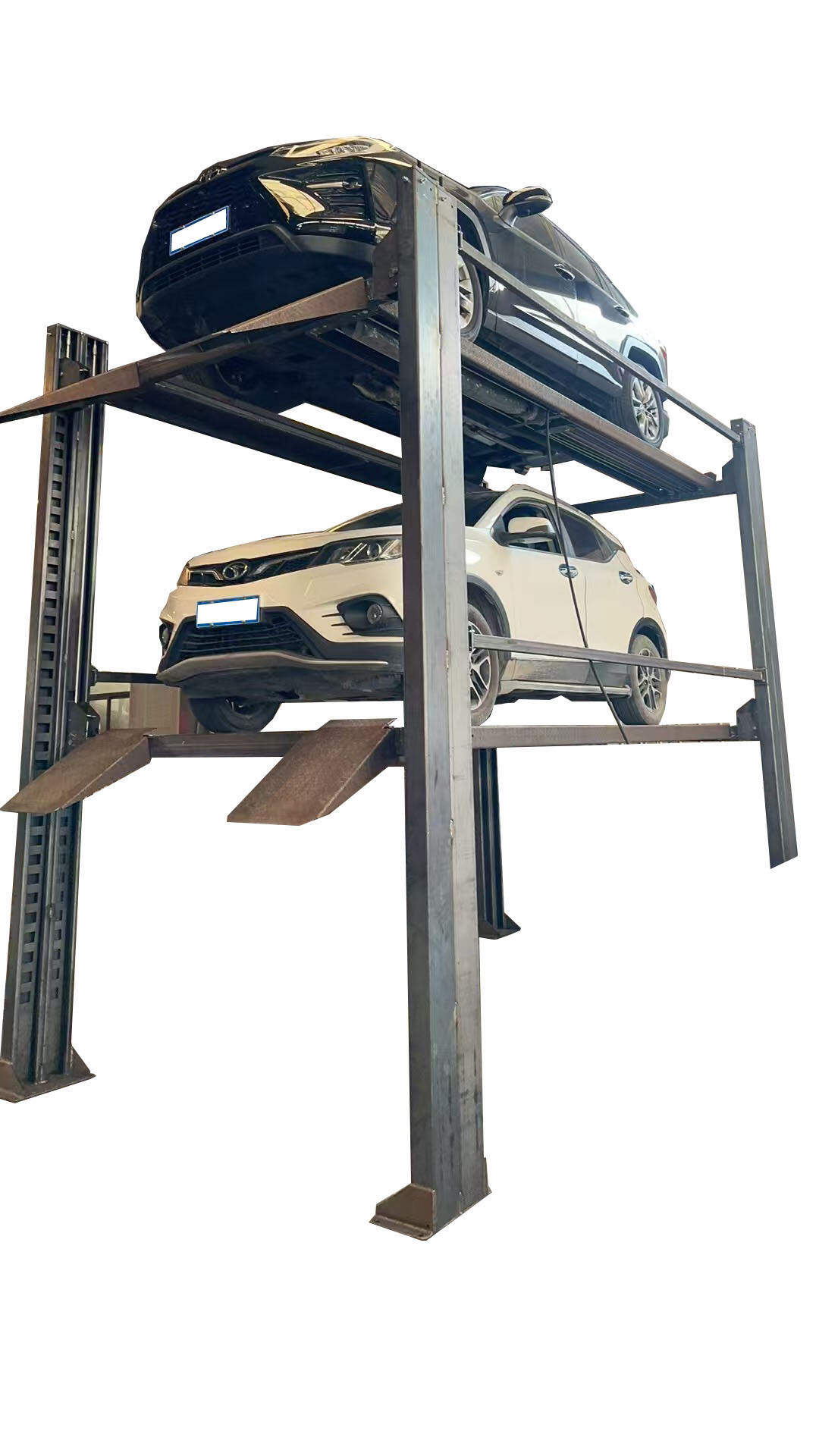
Installing a 4 post car lift in your garage is a significant upgrade that can transform your automotive workspace and provide convenient access for vehicle maintenance, storage, and repairs. A properly installed 4 post car lift offers substantial benefits for both professional mechanics and automotive enthusiasts, allowing you to maximize vertical space while ensuring safe and reliable vehicle lifting operations. The installation process requires careful planning, proper preparation, and adherence to manufacturer specifications to ensure optimal performance and safety standards.
Garage Preparation Requirements
Foundation and Floor Specifications
The foundation requirements for a 4 post car lift installation are critical for ensuring long-term stability and safety. Your garage floor must meet specific thickness and strength requirements, typically requiring a minimum of 4 inches of reinforced concrete with a compressive strength rating of at least 3000 PSI. The concrete should be properly cured and free from cracks, settlement issues, or structural defects that could compromise the lift's stability during operation.
Professional assessment of your existing garage floor is essential before proceeding with installation. Many garages may require additional reinforcement or concrete pouring to meet the manufacturer's specifications for your specific 4 post car lift model. The floor must also be level within acceptable tolerances, typically within 1/4 inch over the entire footprint of the lift to ensure proper alignment and operation.
Electrical and Power Requirements
Most 4 post car lift systems require dedicated electrical circuits to power the hydraulic pump motor and control systems. Standard residential installations typically require 220-volt single-phase power with appropriate amperage capacity based on the lift's motor specifications. Professional electrical installation ensures proper grounding, circuit protection, and compliance with local electrical codes and safety regulations.
The electrical requirements may vary depending on the specific 4 post car lift model and its features, such as hydraulic pumps, lighting systems, and electronic controls. Consulting with a qualified electrician during the planning phase helps ensure your garage's electrical system can accommodate the lift's power demands without overloading existing circuits or requiring panel upgrades.
Planning and Layout Considerations
Space Requirements and Clearances
Proper space planning is crucial for successful 4 post car lift installation, requiring careful measurement of garage dimensions and consideration of vehicle access patterns. The lift footprint must accommodate not only the equipment itself but also provide adequate clearance for vehicle maneuvering, door opening, and safe operation. Most installations require minimum clearances on all sides of the lift to ensure proper ventilation and accessibility.
Ceiling height considerations are equally important when planning your 4 post car lift installation, as you need sufficient overhead clearance for both the raised vehicle and any work you plan to perform underneath. Standard garage heights may require modifications or careful selection of lift models with appropriate lifting ranges to maximize utility while maintaining safe operating clearances.
Vehicle Compatibility Assessment
Different vehicles have varying weight distributions, wheelbases, and structural characteristics that must be considered when selecting and installing a 4 post car lift. The lift's weight capacity should exceed your heaviest vehicle by a comfortable margin, and the runway length must accommodate your longest vehicle with proper support point positioning. Understanding these compatibility factors ensures safe and effective use of your investment.
Modern 4 post car lift systems often include adjustable features and optional accessories that enhance compatibility with various vehicle types. Reviewing the manufacturer's compatibility charts and consulting with technical support helps ensure your chosen lift model will properly support all vehicles you intend to service or store in your garage workspace.
Installation Process Overview
Assembly and Component Preparation
The assembly phase of 4 post car lift installation requires systematic organization of components and careful attention to manufacturer instructions. Most lifts arrive partially assembled with detailed installation manuals that outline specific procedures for component identification, preparation, and assembly sequence. Proper organization of hardware, hydraulic components, and structural elements streamlines the installation process and reduces the risk of errors.
Component inspection prior to assembly is essential for identifying any shipping damage or missing parts that could affect installation quality. Each component should be checked against the parts list and visually inspected for damage, proper fit, and completeness before beginning the assembly process. This proactive approach prevents delays and ensures all necessary materials are available for completion.
Structural Assembly and Alignment
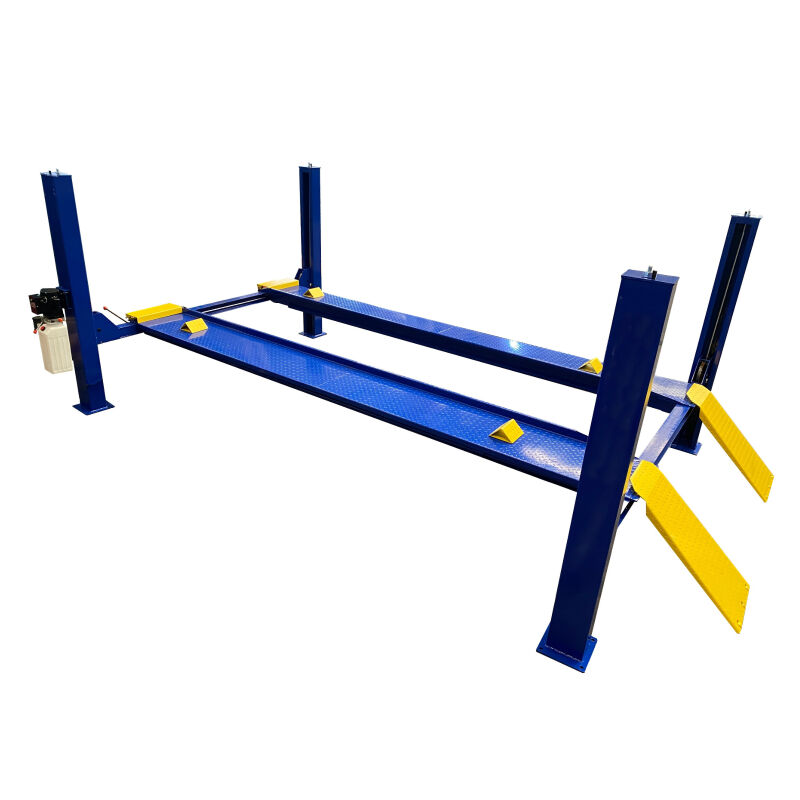
The structural assembly of your 4 post car lift requires precise alignment and proper torque specifications for all connection points. The four posts must be positioned accurately according to the manufacturer's dimensions, with proper spacing and alignment to ensure smooth operation and even load distribution. Using appropriate measuring tools and following the specified assembly sequence helps achieve professional installation results.
Proper alignment during assembly is critical for the long-term performance and safety of your 4 post car lift installation. Misalignment can lead to uneven wear, operational difficulties, and potential safety hazards during use. Taking time to verify measurements and alignment at each stage of assembly ensures optimal performance and extends the service life of your equipment.
Safety and Maintenance Considerations
Safety Features and Operating Procedures
Modern 4 post car lift systems incorporate multiple safety features designed to protect users and prevent accidents during operation. These typically include mechanical safety locks, hydraulic flow controls, emergency stop systems, and load distribution mechanisms that ensure stable and secure lifting operations. Understanding and properly utilizing these safety features is essential for safe operation and regulatory compliance.
Proper operating procedures must be established and followed consistently to maintain the safety benefits of your 4 post car lift installation. This includes pre-operation inspections, proper vehicle positioning, use of safety locks during extended work periods, and regular maintenance activities that keep the system functioning optimally. Training all users on proper procedures reduces risk and ensures consistent safe operation.
Routine Maintenance Requirements
Regular maintenance is essential for maintaining the performance, safety, and longevity of your 4 post car lift system. Typical maintenance activities include hydraulic fluid checks and changes, lubrication of moving components, inspection of safety mechanisms, and verification of proper alignment and operation. Following the manufacturer's recommended maintenance schedule helps prevent costly repairs and ensures reliable performance.
Establishing a routine maintenance program for your 4 post car lift installation helps identify potential issues before they become serious problems. Keeping detailed maintenance records and addressing minor issues promptly prevents more significant failures and extends the operational life of your equipment investment significantly.
Professional Installation Benefits
Expert Assembly and Quality Assurance
Professional installation services provide expertise and experience that ensures your 4 post car lift is assembled correctly and operates safely from day one. Certified installers understand the complexities of proper alignment, torque specifications, and safety requirements that may not be immediately apparent to inexperienced installers. This expertise helps prevent costly mistakes and ensures optimal performance throughout the lift's service life.
Quality assurance provided by professional installers includes comprehensive testing and verification of all systems before final acceptance. This thorough approach identifies and addresses any issues during installation rather than after you begin using the equipment, providing peace of mind and ensuring your 4 post car lift meets all safety and performance standards from the start.
Warranty and Support Advantages
Many manufacturers require professional installation to maintain warranty coverage for their 4 post car lift products. Professional installers are familiar with warranty requirements and ensure installation procedures meet manufacturer specifications, protecting your investment and ensuring access to warranty support if issues arise. This protection can be invaluable for addressing unexpected problems or defects.
Professional installation often includes ongoing support and service relationships that provide access to technical expertise, replacement parts, and maintenance services throughout the life of your 4 post car lift. This comprehensive support network helps ensure optimal performance and can significantly extend the useful life of your equipment investment.
FAQ
What are the minimum garage requirements for installing a 4 post car lift?
The minimum garage requirements include a reinforced concrete floor at least 4 inches thick with 3000 PSI compressive strength, adequate ceiling height for your intended use, and sufficient space for vehicle maneuvering around the lift. You'll also need appropriate electrical service, typically 220-volt single-phase power, and compliance with local building codes and regulations.
How long does a typical 4 post car lift installation take?
Professional installation of a 4 post car lift typically takes 4-8 hours depending on the specific model, garage conditions, and any required preparation work. DIY installations may take considerably longer, especially for first-time installers, and may require multiple days to complete properly with adequate attention to safety and alignment requirements.
Do I need special permits for installing a 4 post car lift in my garage?
Permit requirements vary by location and local building codes, but many jurisdictions require permits for significant garage modifications including 4 post car lift installations. The electrical work typically requires permits and professional installation by licensed electricians. Checking with your local building department before beginning installation helps ensure compliance with all applicable regulations.
What maintenance is required for a 4 post car lift after installation?
Regular maintenance includes checking hydraulic fluid levels and quality, lubricating moving parts according to manufacturer schedules, inspecting safety locks and mechanisms, and verifying proper alignment and operation. Most manufacturers recommend annual professional inspections along with routine user maintenance to ensure continued safe operation and optimal performance of your 4 post car lift system.