 EN
EN

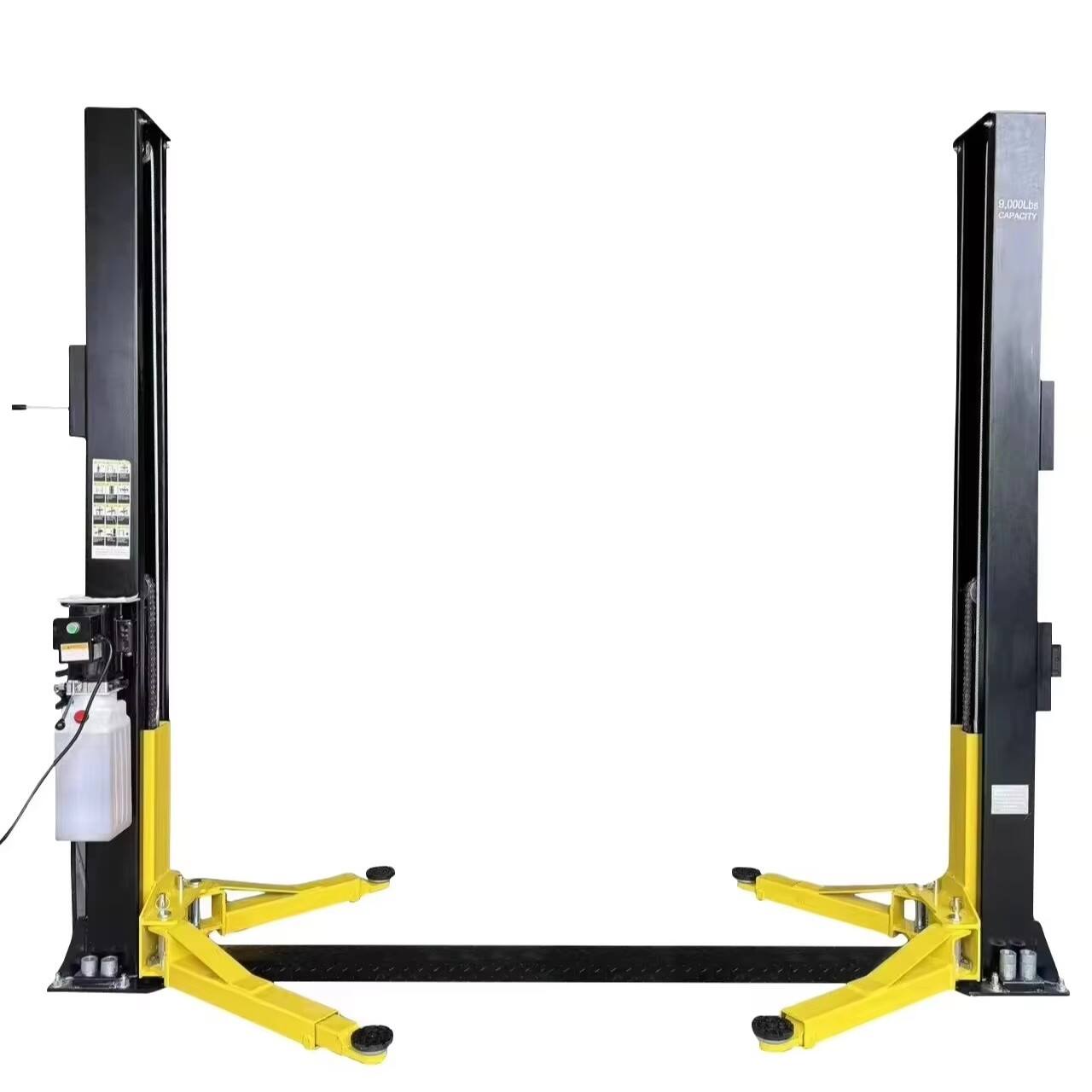
Modern automotive service facilities depend heavily on efficient lifting equipment to maintain productivity and safety standards. Among the various lifting solutions available, the hydraulic car lift stands out as an indispensable tool that has revolutionized garage operations worldwide. This sophisticated piece of equipment combines hydraulic power with precision engineering to provide reliable vehicle elevation for maintenance, repair, and inspection tasks. The importance of selecting the right hydraulic car lift cannot be overstated, as it directly impacts workflow efficiency, technician safety, and overall service quality in professional automotive environments.
Understanding Hydraulic Car Lift Technology
Core Hydraulic Principles
The fundamental operation of a hydraulic car lift relies on Pascal's principle, which states that pressure applied to a confined fluid transmits equally in all directions. This scientific principle enables a relatively small force applied to a small piston to generate tremendous lifting power through a larger piston. In automotive applications, this translates to the ability to lift vehicles weighing several tons with minimal manual effort. The hydraulic system typically consists of a reservoir, pump, cylinders, and control valves that work in concert to provide smooth and controlled lifting operations.
The efficiency of a hydraulic car lift depends largely on the quality of its hydraulic fluid and the precision of its components. High-grade hydraulic oil maintains consistent viscosity across temperature ranges, ensuring reliable operation in various environmental conditions. The system's pressure ratings typically range from 2,000 to 3,000 PSI, providing adequate force multiplication while maintaining safety margins. Understanding these technical aspects helps garage owners make informed decisions when selecting equipment that will serve their facilities for years to come.
Safety Integration Features
Modern hydraulic car lift systems incorporate multiple safety mechanisms designed to prevent accidents and equipment failures. Primary safety features include mechanical locks that engage automatically during the lifting process, preventing accidental lowering even if hydraulic pressure is lost. These locks are typically spring-loaded and require deliberate action to disengage, ensuring that vehicles remain securely elevated during service operations. Additionally, pressure relief valves protect the system from over-pressurization that could damage components or create hazardous conditions.
Secondary safety systems often include visual and audible warning indicators that alert operators to potential issues before they become critical. Load sensors monitor weight distribution and can prevent operation if vehicles are improperly positioned. Emergency lowering systems allow controlled descent in case of power failure or hydraulic system malfunction. These comprehensive safety features make the hydraulic car lift a trustworthy solution for professional automotive environments where technician safety is paramount.
Types and Configurations Available
Two-Post Lift Systems
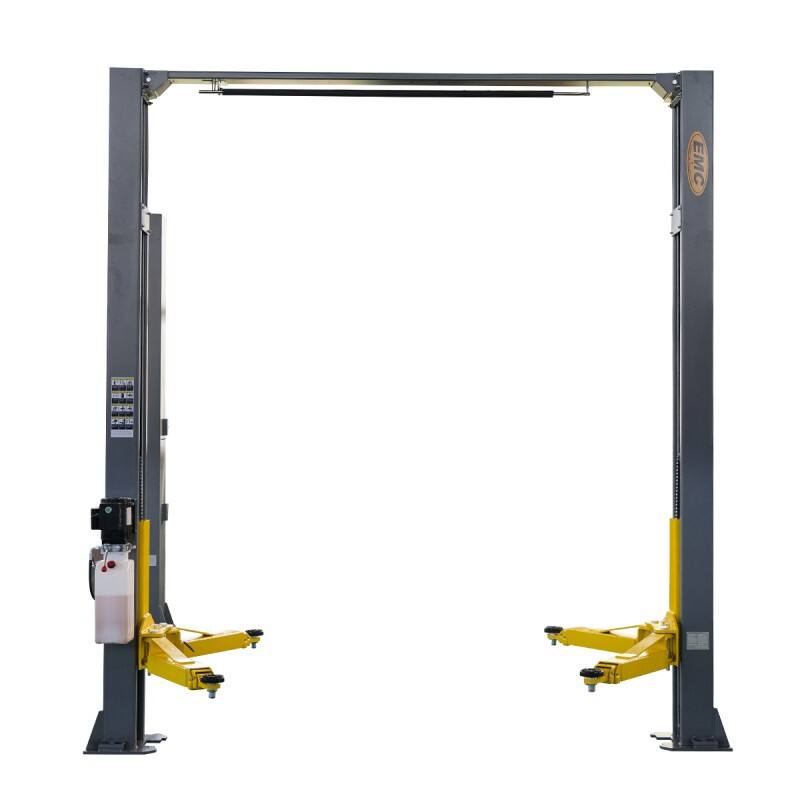
Two-post hydraulic car lift configurations represent the most common installation type in professional garages and service centers. These systems feature two vertical columns connected by overhead beams, providing excellent access to vehicle undersides while maintaining structural integrity. The symmetric design distributes vehicle weight evenly across four lifting points, typically positioned at manufacturer-recommended lift locations. This configuration allows technicians to access wheels, suspension components, and exhaust systems without obstruction, making it ideal for routine maintenance and repair operations.
Asymmetric two-post designs offer enhanced door clearance by positioning the vehicle slightly rearward on the lift platform. This configuration is particularly beneficial when working on vehicles with long doors or when frequent entry and exit are required during service procedures. The hydraulic car lift mechanism in these systems often includes individual cylinder controls, allowing for precise positioning and load balancing. Installation requires careful consideration of ceiling height, floor strength, and electrical requirements to ensure optimal performance and safety compliance.
Four-Post Platform Systems
Four-post hydraulic car lift systems provide maximum stability and are often preferred for vehicle storage applications or heavy-duty repair operations. These systems feature solid platform construction that supports the entire vehicle weight through the tires rather than designated lift points. This design eliminates the need for precise positioning and reduces the risk of vehicle damage during lifting operations. The enclosed platform design also provides excellent safety for technicians working beneath vehicles, as there are no exposed lifting arms or potential pinch points.
Many four-post systems include optional accessories such as rolling bridge jacks that enable wheel service while the vehicle remains on the platform. Advanced models may incorporate hydraulic car lift technology with multiple height positions, allowing for various service configurations. The robust construction of four-post systems makes them suitable for heavier vehicles including trucks, vans, and SUVs that might exceed the capacity of two-post alternatives. These systems also require less precise floor preparation, as weight distribution occurs over a larger footprint.
Installation and Space Requirements
Foundation and Structural Considerations
Proper installation of a hydraulic car lift begins with thorough evaluation of the facility's structural capabilities and space requirements. Foundation strength is critical, as these systems generate significant point loads that must be adequately supported by the underlying structure. Most installations require reinforced concrete foundations with minimum thickness specifications that vary based on lift capacity and configuration. Soil conditions, existing floor composition, and building age all factor into installation planning and may necessitate structural modifications or reinforcement.
Ceiling height requirements vary depending on the hydraulic car lift model and intended vehicle types. Standard passenger vehicles typically require 11-12 feet of clearance, while larger vehicles or specialized applications may need additional height. Electrical requirements include dedicated circuits for motor operation and adequate lighting for safe operation. Proper ventilation helps maintain optimal hydraulic fluid temperatures and prevents moisture accumulation that could affect system performance. Professional installation ensures compliance with local codes and manufacturer specifications.
Operational Space Planning
Effective space planning around a hydraulic car lift installation maximizes productivity and maintains safety standards. Minimum clearance requirements typically specify 3-4 feet on all sides of the lift to allow safe vehicle maneuvering and technician access. Drive-through configurations require additional length considerations to accommodate various vehicle sizes without interference. Tool storage, parts accessibility, and waste fluid collection systems should be integrated into the overall layout planning process.
Traffic flow patterns within the service bay influence both efficiency and safety outcomes. Separate entry and exit paths prevent congestion during busy periods and reduce the risk of vehicle or equipment damage. Lighting placement should eliminate shadows that could obscure important details during vehicle positioning or service operations. The hydraulic car lift location should also consider proximity to air, electrical, and fluid service connections to minimize hose routing and improve workplace organization.
Maintenance and Operational Benefits
Productivity Enhancement
The implementation of hydraulic car lift systems dramatically improves garage productivity by reducing the time required for vehicle positioning and technician access. Traditional floor-level service methods often require extensive preparation, including vehicle jacking, support placement, and safety verification procedures. Hydraulic lifting eliminates these time-consuming steps while providing superior access to vehicle components. The consistent height positioning also reduces technician fatigue and ergonomic stress associated with prolonged ground-level work.
Advanced hydraulic car lift models include programmable height memory functions that automatically position vehicles at optimal working heights for specific service operations. This feature eliminates guesswork and ensures consistent positioning across different technicians and service procedures. The reliability of hydraulic systems minimizes downtime associated with equipment failures, maintaining steady workflow throughout operational periods. Quick cycle times enable rapid vehicle turnover, increasing the number of service appointments that can be accommodated during peak business hours.
Safety and Ergonomic Advantages
Professional hydraulic car lift systems significantly reduce workplace injuries by eliminating many hazards associated with traditional vehicle service methods. Elevated working positions reduce back strain, knee stress, and other repetitive motion injuries that commonly affect automotive technicians. The stable platform provided by hydraulic lifting eliminates concerns about vehicle instability or jack failure that can result in serious injuries or fatalities. Proper lighting access and improved visibility also contribute to safer working conditions and reduced error rates.
Ergonomic benefits extend beyond basic safety considerations to include improved work quality and job satisfaction. Technicians can maintain comfortable postures while accessing vehicle components, leading to more thorough inspections and higher-quality repair work. The psychological benefits of working in a safer environment contribute to reduced stress levels and improved employee retention. Insurance providers often recognize these safety improvements through reduced premiums for facilities equipped with professional-grade hydraulic car lift systems.
Cost Considerations and Return on Investment
Initial Investment Analysis
The initial cost of a hydraulic car lift system varies significantly based on capacity, features, and installation requirements. Entry-level two-post systems typically represent the most cost-effective option for smaller garages, while four-post systems command higher prices but offer additional versatility. Installation costs depend on facility modifications required, electrical work, and local labor rates. These upfront investments should be evaluated against long-term operational benefits and revenue generation potential to determine overall financial impact.
Financing options often make hydraulic car lift acquisition more accessible for smaller operations. Equipment leasing programs allow businesses to spread costs over multiple years while benefiting from immediate productivity improvements. Tax incentives for business equipment purchases may offset initial costs and improve overall return on investment calculations. The reliability and longevity of quality hydraulic systems ensure that initial investments continue generating value for many years, making them attractive capital expenditures for growth-oriented businesses.
Operational Cost Benefits
Long-term operational savings from hydraulic car lift systems often exceed initial investment costs through improved efficiency and reduced labor requirements. Faster service times enable higher vehicle throughput, directly increasing revenue potential without proportional increases in overhead costs. Reduced physical strain on technicians may lower workers' compensation insurance costs and decrease employee turnover expenses. The professional appearance and capabilities associated with hydraulic car lift equipment can also support premium service pricing strategies.
Maintenance costs for quality hydraulic systems are typically minimal when proper service schedules are followed. Annual inspections, hydraulic fluid changes, and routine lubrication represent the primary ongoing expenses. The elimination of floor jacks, jack stands, and related equipment reduces inventory costs and storage requirements. Energy efficiency improvements in modern hydraulic car lift systems also contribute to lower operational costs compared to older pneumatic or mechanical alternatives. These cumulative savings often justify the investment within 2-3 years of installation.
Selection Criteria for Optimal Performance
Capacity and Specification Matching
Selecting the appropriate hydraulic car lift requires careful analysis of current and anticipated vehicle service requirements. Weight capacity ratings should accommodate the heaviest vehicles regularly serviced with adequate safety margins. Standard passenger vehicles typically require 7,000-9,000 pound capacity, while light trucks and SUVs may need 10,000-12,000 pound systems. Commercial or heavy-duty applications often require specialized equipment with capacities exceeding 15,000 pounds. Future expansion plans should also influence capacity selection to avoid premature equipment obsolescence.
Lift height specifications must align with facility constraints and service requirements. Maximum lift height determines accessibility for various maintenance procedures and may influence the types of service work that can be performed efficiently. Rise time and lowering speed affect productivity and should be evaluated against typical service procedures. The hydraulic car lift power requirements must match available electrical service, and noise levels should be appropriate for the working environment and local regulations.
Quality and Reliability Factors
Construction quality directly impacts the longevity and reliability of hydraulic car lift systems. Heavy-duty steel construction with appropriate corrosion protection ensures structural integrity throughout the equipment's service life. Hydraulic components should meet or exceed industry standards for pressure ratings, seal quality, and temperature tolerance. Manufacturer reputation, warranty coverage, and local service availability are important considerations that affect long-term ownership costs and operational reliability.
Certification compliance ensures that hydraulic car lift systems meet safety standards established by relevant regulatory bodies. ANSI/ALI standards in North America and CE marking in Europe indicate compliance with recognized safety and performance requirements. Third-party testing and certification provide additional assurance of product quality and reliability. Regular updates to safety standards may affect older equipment, making compliance history an important factor in equipment selection decisions.
FAQ
What maintenance is required for hydraulic car lift systems
Regular maintenance for hydraulic car lift systems includes monthly visual inspections of cables, chains, and safety mechanisms, along with checking hydraulic fluid levels and quality. Annual professional inspections are typically required by insurance providers and local regulations to ensure continued safe operation. Hydraulic fluid should be changed every 2-3 years or as specified by the manufacturer, and all moving parts should be lubricated according to the maintenance schedule. Keeping detailed maintenance records helps track system performance and may be required for warranty coverage and insurance compliance.
How much space is needed for hydraulic car lift installation
Space requirements for hydraulic car lift installation depend on the system type and vehicle sizes being serviced. Two-post systems typically need a minimum bay width of 12-14 feet and length of 22-24 feet for standard passenger vehicles. Four-post systems require similar width but may need additional length for drive-through operation. Ceiling height should be at least 11-12 feet for passenger vehicles, with additional clearance for larger vehicles. Professional site surveys help determine exact space requirements based on specific equipment models and intended applications.
What safety features should I look for in a hydraulic car lift
Essential safety features for hydraulic car lift systems include automatic mechanical locks that engage during lifting, preventing accidental lowering if hydraulic pressure is lost. Pressure relief valves protect against over-pressurization, while load sensors can detect improper vehicle positioning. Emergency lowering capabilities allow controlled descent during power failures or system malfunctions. Visual and audible warning systems alert operators to potential issues, and proper certification ensures compliance with recognized safety standards. Regular safety training for all operators is equally important as the equipment's built-in safety features.
How long do hydraulic car lift systems typically last
Quality hydraulic car lift systems can provide reliable service for 15-20 years or more with proper maintenance and operation. The lifespan depends on factors including build quality, usage frequency, maintenance practices, and environmental conditions. Heavy commercial use may reduce service life compared to lighter residential or hobbyist applications. Regular maintenance, prompt repair of minor issues, and operator training significantly extend equipment life. Many manufacturers offer extended warranty programs that provide additional protection beyond standard coverage periods, reflecting confidence in their products' longevity and reliability.