 EN
EN

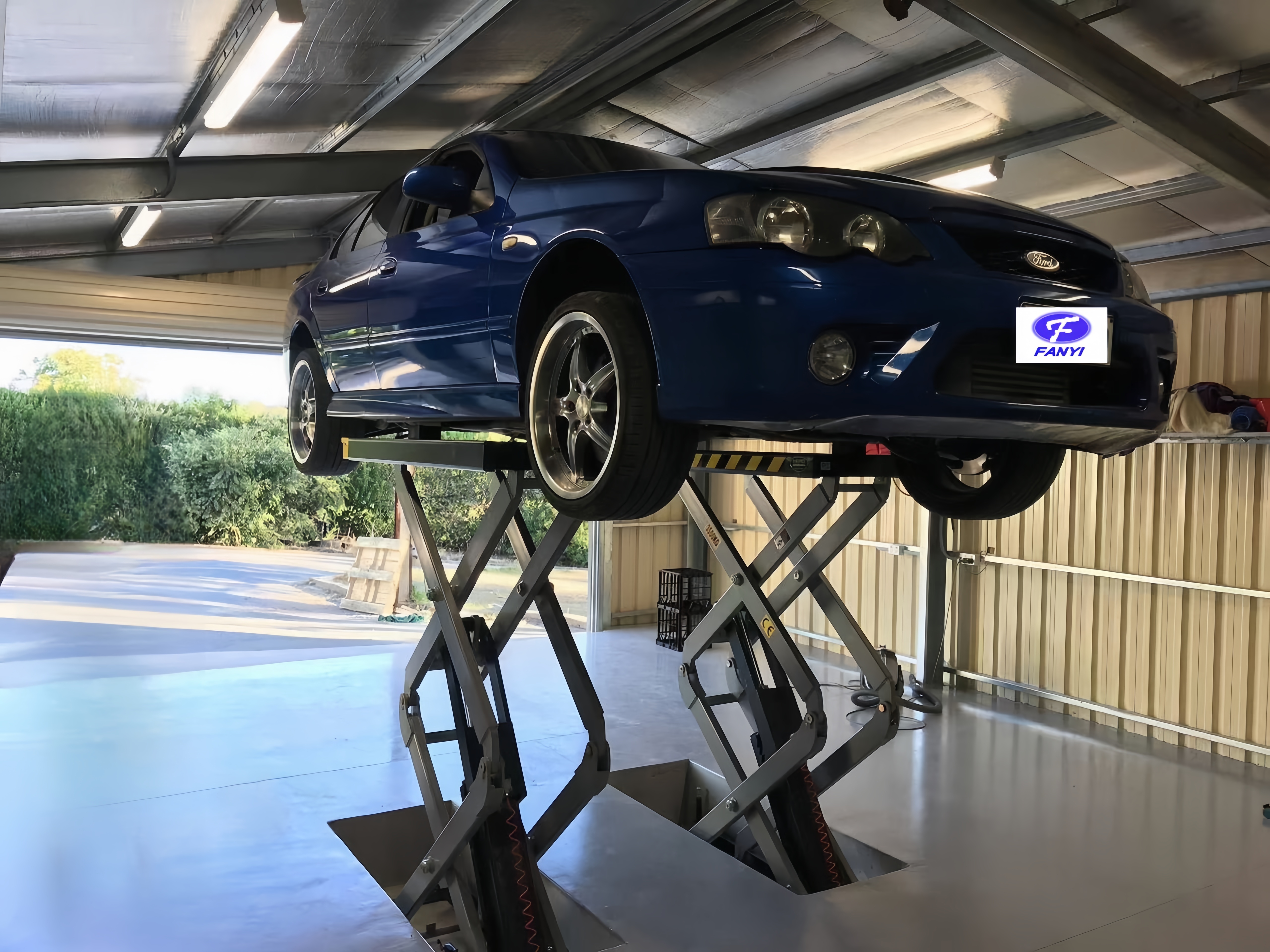
Understanding how a hydraulic car lift operates is essential for automotive professionals and enthusiasts seeking efficient vehicle maintenance solutions. These mechanical marvels utilize Pascal's principle of fluid mechanics to generate tremendous lifting force with minimal effort, making them indispensable in modern garages and service centers. The hydraulic car lift technology has evolved significantly, incorporating advanced safety features and improved efficiency ratings that meet today's demanding automotive service requirements.
Fundamental Operating Principles
Pascal's Law Application
The hydraulic car lift operates on Pascal's Law, which states that pressure applied to a confined fluid transmits equally in all directions throughout the fluid. When force is applied to a small piston in the hydraulic system, it creates pressure that multiplies through the hydraulic fluid to a larger cylinder, generating significantly greater lifting force. This principle allows a relatively small input force to lift vehicles weighing several tons with remarkable ease and precision.
The mathematical relationship behind this process demonstrates that the force multiplication equals the ratio of the cylinder areas. For instance, if the input cylinder has an area of one square inch and the lifting cylinder has an area of ten square inches, the force is multiplied by a factor of ten. This mechanical advantage makes the hydraulic car lift incredibly efficient for heavy-duty automotive applications.
Hydraulic Fluid Dynamics
Specialized hydraulic fluid serves as the medium for force transmission within the hydraulic car lift system. This fluid must maintain consistent viscosity across varying temperature ranges while resisting compression under extreme pressure conditions. Modern hydraulic fluids incorporate anti-foaming agents and corrosion inhibitors that extend system lifespan and maintain optimal performance standards.
The fluid circulation system includes filtration components that remove contaminants and maintain fluid cleanliness. Clean hydraulic fluid ensures smooth operation, prevents premature wear of system components, and maintains the precision control necessary for safe vehicle positioning. Regular fluid maintenance significantly impacts the overall reliability and longevity of the hydraulic car lift system.
Essential System Components
Hydraulic Pump Assembly
The hydraulic pump represents the heart of any hydraulic car lift system, converting mechanical energy into hydraulic pressure. Electric motor-driven pumps deliver consistent pressure output while maintaining energy efficiency standards required for continuous operation. Variable displacement pumps adjust output based on system demand, optimizing energy consumption during different operational phases.
Modern pump assemblies incorporate pressure relief valves that prevent system overpressurization and protect components from damage. These safety features automatically redirect excess pressure back to the reservoir, maintaining system integrity even under abnormal operating conditions. Advanced pump designs also include noise reduction features that minimize operational disturbance in professional service environments.
Cylinder Configuration
Hydraulic cylinders convert fluid pressure into linear mechanical force that actually lifts the vehicle. Single-acting cylinders use hydraulic pressure for extension while relying on gravity or springs for retraction, whereas double-acting cylinders utilize hydraulic pressure for both extension and retraction movements. The cylinder bore diameter and stroke length determine the lifting capacity and maximum height capabilities of the hydraulic car lift.
Cylinder construction typically features chrome-plated rods that resist corrosion and reduce friction during operation. High-quality seals prevent fluid leakage while maintaining consistent pressure throughout the lifting cycle. These cylinders must withstand tremendous forces and operate reliably over millions of cycles, making material quality and manufacturing precision absolutely critical for safe operation.
Safety Mechanisms and Features
Mechanical Safety Locks
Every professional-grade hydraulic car lift incorporates mechanical safety locks that engage automatically during the lifting process. These locks provide redundant support independent of hydraulic pressure, ensuring that vehicles remain securely elevated even if hydraulic system failure occurs. Spring-loaded pawls engage with notched support columns, creating multiple locking positions throughout the lift's travel range.
The mechanical lock system operates independently of electrical or hydraulic power, providing fail-safe protection under all circumstances. Regular inspection and maintenance of these safety mechanisms ensures continued reliability and compliance with workplace safety regulations. Proper training on safety lock operation is essential for all personnel operating hydraulic car lift equipment.
Pressure Relief Systems
Sophisticated pressure relief systems monitor hydraulic pressure continuously and prevent dangerous overpressure conditions. These systems include primary relief valves set at maximum operating pressure and secondary relief valves that activate at slightly higher pressures for additional protection. Pressure gauges provide real-time monitoring capabilities that allow operators to verify system performance and detect potential issues before they become critical.
Modern hydraulic car lift systems also incorporate flow control valves that regulate lifting and lowering speeds for enhanced safety and control. These valves prevent rapid descent that could cause vehicle damage or operator injury while ensuring smooth, controlled movement throughout the operating range. Emergency stop features allow immediate system shutdown when safety concerns arise during operation.
Installation and Maintenance Considerations
Foundation Requirements
Proper installation begins with adequate foundation preparation that can support the combined weight of the hydraulic car lift and maximum vehicle capacity. Concrete foundations must cure for appropriate periods and meet specified compression strength requirements before installation begins. Anchor bolt placement requires precise measurement and alignment to ensure proper lift geometry and safe operation.
Foundation design must account for dynamic loads created during lifting operations and provide stable support under all operating conditions. Proper drainage around the installation site prevents water accumulation that could compromise foundation integrity over time. Professional installation ensures compliance with local building codes and manufacturer specifications for optimal performance and safety.
Preventive Maintenance Protocols
Regular maintenance schedules preserve hydraulic car lift performance and extend operational lifespan significantly. Daily inspections should include visual checks of hydraulic fluid levels, safety lock operation, and overall system condition. Monthly maintenance typically involves detailed inspection of hydraulic lines, fittings, and seals for signs of wear or leakage that could affect system performance.
Annual maintenance procedures include comprehensive hydraulic fluid analysis, cylinder seal replacement as needed, and calibration of safety systems. Proper maintenance records document system condition and help identify potential issues before they result in costly repairs or safety incidents. Following manufacturer-recommended maintenance intervals ensures warranty compliance and optimal system reliability throughout the hydraulic car lift service life.
Modern Technological Advances
Digital Control Systems
Contemporary hydraulic car lift systems integrate digital control technology that enhances precision, safety, and user experience. Programmable logic controllers monitor system parameters continuously and provide automated safety responses when abnormal conditions are detected. Touch screen interfaces simplify operation while providing detailed system status information and diagnostic capabilities.
Advanced control systems can store multiple height presets for common vehicle types and service procedures, improving operational efficiency in high-volume service environments. Remote monitoring capabilities allow facility managers to track lift utilization, maintenance schedules, and performance metrics across multiple installations. These technological improvements represent significant advances in hydraulic car lift functionality and reliability.
Energy Efficiency Improvements
Modern hydraulic car lift designs incorporate energy-efficient components that reduce operational costs while maintaining performance standards. Variable frequency drives adjust pump motor speed based on system demand, significantly reducing energy consumption during standby and low-demand periods. Regenerative systems capture energy during lowering operations and return it to the electrical system for improved overall efficiency.
Improved hydraulic fluid formulations reduce internal friction and heat generation, further enhancing energy efficiency while extending component lifespan. LED lighting systems and energy-efficient auxiliary components contribute to overall energy savings that can be substantial over the operational lifetime of the hydraulic car lift. These efficiency improvements align with modern sustainability initiatives while reducing operating expenses for facility owners.
FAQ
What is the typical lifting capacity of a hydraulic car lift
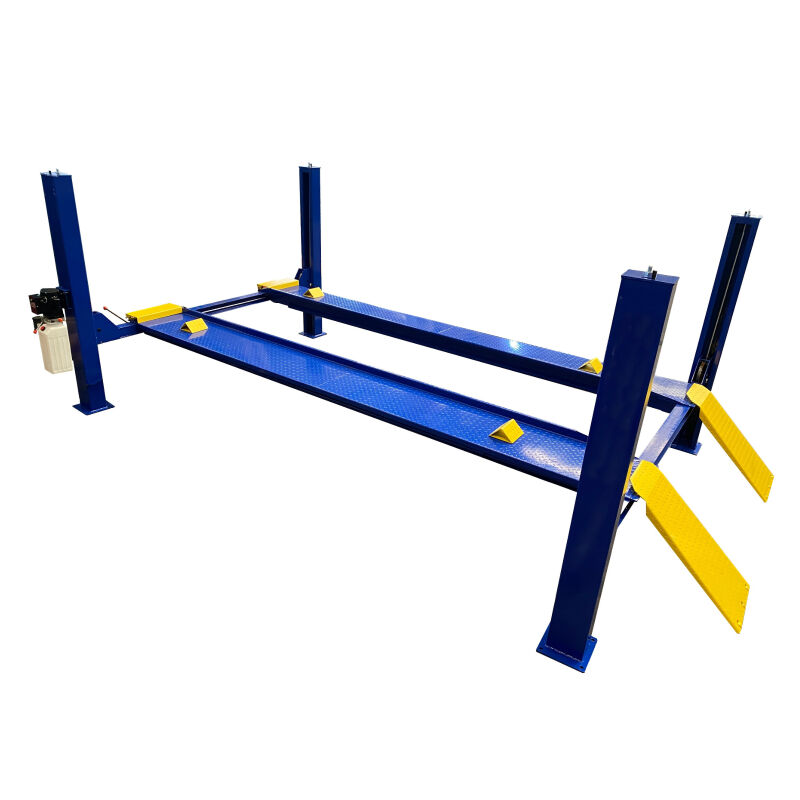
Most hydraulic car lift systems range from 9,000 to 15,000 pounds lifting capacity, with heavy-duty models capable of handling up to 30,000 pounds or more. The specific capacity depends on the lift design, number of posts, and intended application. Four-post lifts generally offer higher capacity ratings compared to two-post designs due to their distributed load support configuration.
How often should hydraulic fluid be changed in a car lift
Hydraulic fluid replacement intervals typically range from 12 to 24 months depending on usage frequency and operating conditions. High-volume service facilities may require more frequent fluid changes, while occasional-use installations can extend intervals within manufacturer recommendations. Regular fluid analysis helps determine optimal replacement timing based on actual fluid condition rather than arbitrary time intervals.
What are the main safety considerations when operating a hydraulic car lift
Primary safety considerations include proper vehicle positioning, weight distribution verification, and engagement of mechanical safety locks before working under lifted vehicles. Operators must ensure the hydraulic car lift capacity exceeds the vehicle weight and that lifting points contact proper structural elements. Regular inspection of safety systems and adherence to manufacturer operating procedures are essential for safe operation.
Can hydraulic car lift systems be installed in residential garages
Residential installation of hydraulic car lift systems is possible but requires adequate ceiling height, proper foundation preparation, and compliance with local building codes. Many residential applications utilize lower-profile designs or scissor-type hydraulic lifts that require less overhead clearance. Professional installation and electrical work are typically required to ensure safe and compliant operation in residential settings.