 EN
EN

Selecting the perfect garage lift for your automotive service needs requires careful consideration of multiple factors that directly impact efficiency, safety, and long-term operational costs. Whether you're establishing a new automotive workshop or upgrading existing equipment, understanding the various types of lifts available and their specific applications will help you make an informed decision. A well-chosen garage lift becomes the cornerstone of productive vehicle maintenance operations, enabling technicians to work comfortably while maximizing shop productivity and revenue potential.
Understanding Different Types of Garage Lifts
Two-Post Lift Systems
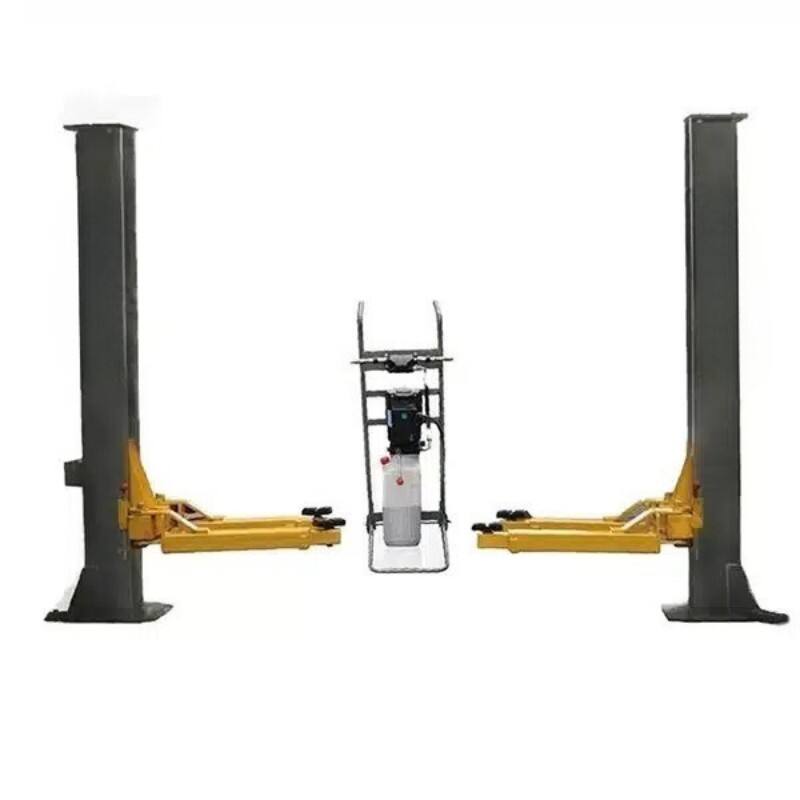
Two-post garage lift systems represent the most popular choice for automotive service facilities due to their versatility and space efficiency. These lifts feature two vertical columns connected by adjustable lifting arms that support the vehicle at designated lifting points. The asymmetric design allows for optimal door clearance, making it easier for technicians to access vehicle interiors during service procedures. Most two-post lifts can handle vehicles weighing between 9,000 to 15,000 pounds, accommodating everything from compact cars to light commercial trucks.
The installation process for two-post systems requires adequate ceiling height, typically minimum 12 feet, and a reinforced concrete foundation capable of supporting the lift's anchoring system. These lifts excel in general automotive repair work, including brake service, suspension work, and routine maintenance tasks. Their open design provides excellent access to vehicle undercarriages while maintaining structural stability throughout the lifting process.
Four-Post Lift Configurations
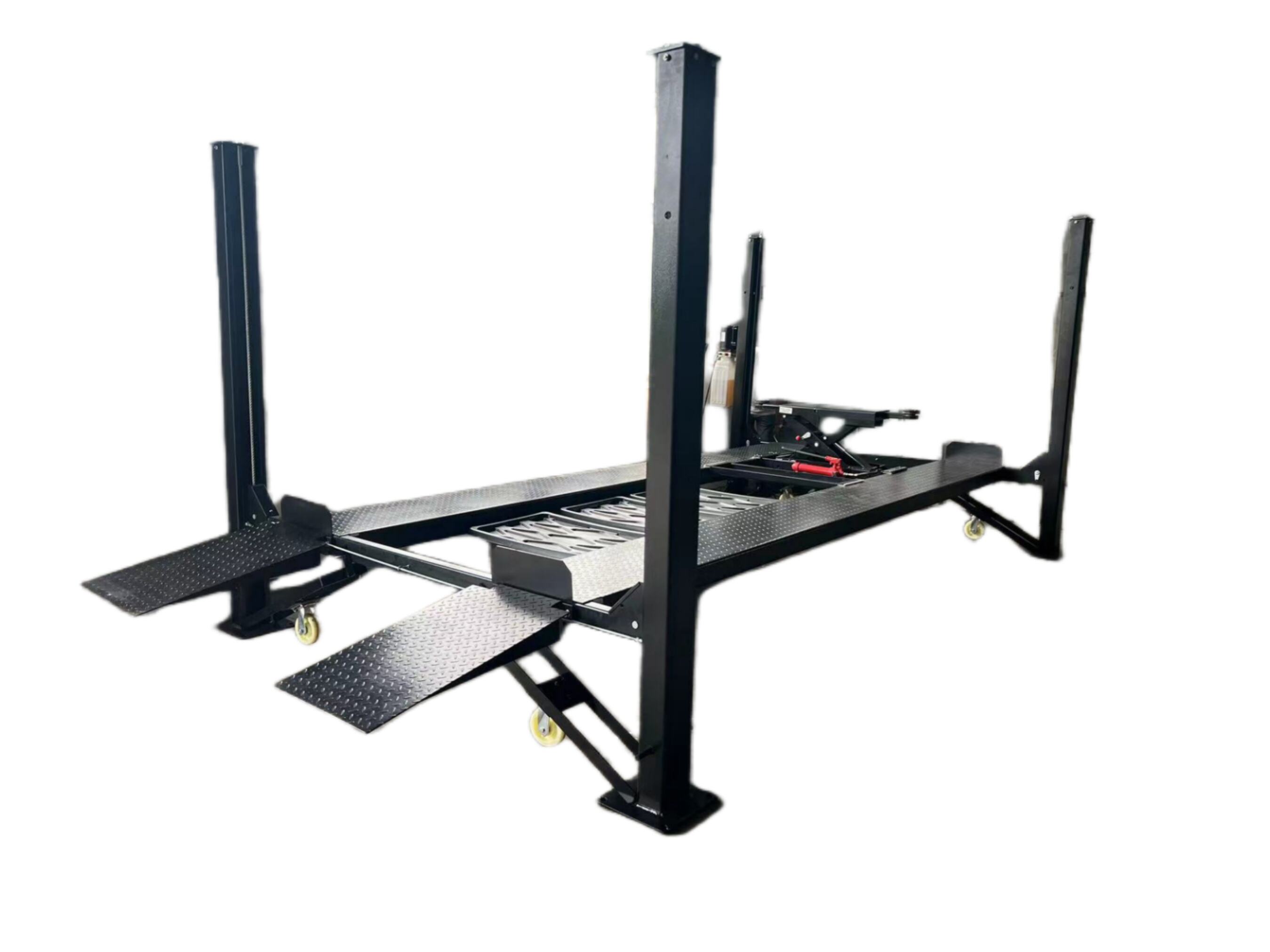
Four-post garage lift systems offer enhanced stability and are particularly well-suited for vehicle storage applications and heavy-duty service work. These lifts feature four vertical posts connected by runway platforms that support the vehicle's wheels rather than specific lifting points. This design distributes weight more evenly and provides a more stable platform for extended work periods. Four-post lifts typically accommodate heavier vehicles, with capacity ranges from 12,000 to 30,000 pounds or more.
The primary advantage of four-post systems lies in their ability to safely store vehicles at elevated positions for extended periods. Many models include optional accessories such as rolling bridge jacks for wheel removal and service. While these lifts require more floor space than two-post alternatives, they offer superior stability for alignment work and other precision automotive services that demand minimal vehicle movement during procedures.
Weight Capacity and Vehicle Compatibility Considerations
Determining Lifting Requirements
Accurately assessing the weight capacity requirements for your garage lift involves analyzing the heaviest vehicles you plan to service regularly. Modern passenger vehicles typically range from 2,500 to 4,500 pounds, while SUVs and light trucks can weigh between 4,500 to 7,500 pounds. Commercial vehicles, including delivery trucks and service vans, may exceed 10,000 pounds. Selecting a lift with capacity significantly above your typical requirements provides safety margin and accommodates unexpected heavy vehicle service needs.
Beyond simple weight considerations, vehicle dimensions play crucial roles in lift selection. Length requirements vary significantly between compact cars and extended cab pickup trucks, while height clearances affect both lifting capability and shop ceiling requirements. Width considerations become particularly important for vehicles with wide wheelbases or extended mirrors that might interfere with lift components during operation.
Safety Factor Implementation
Professional garage lift selection should always incorporate substantial safety factors beyond the manufacturer's stated capacity limits. Industry best practices recommend selecting lifts with capacity ratings at least 25-30% above the heaviest vehicles you plan to service. This safety margin accounts for potential weight distribution irregularities, additional equipment weight, and component wear over time that might affect lifting performance.
Weight distribution also significantly impacts lift selection, as vehicles with unusual weight distributions, such as those with heavy rear-mounted equipment or modified suspension systems, may require specialized lifting approaches. Understanding these factors helps prevent dangerous lifting situations and ensures long-term equipment reliability and operator safety.
Space Requirements and Installation Considerations
Ceiling Height and Overhead Clearance
Adequate ceiling height represents one of the most critical factors in garage lift selection and installation planning. Two-post lifts typically require minimum ceiling heights between 11 and 14 feet, depending on the specific model and maximum lifting height requirements. Four-post lifts generally need similar or slightly greater overhead clearance to accommodate their structural components and lifting mechanisms safely.
Beyond minimum requirements, additional clearance proves beneficial for comfortable operation and maintenance access. Higher ceilings allow for greater lifting heights, enabling technicians to work more comfortably under raised vehicles while providing space for overhead tools and equipment. Planning for future needs and potential equipment upgrades often justifies investing in facilities with generous ceiling heights from the initial construction phase.
Floor Space and Layout Planning
Efficient shop layout planning must account for both the garage lift footprint and the surrounding work area requirements. Two-post lifts typically require floor space ranging from 12 to 16 feet in length and 10 to 12 feet in width, depending on the specific model and lifting capacity. Additional space around the lift perimeter ensures safe vehicle positioning and technician movement during service procedures.
Four-post lifts generally demand more floor space, with runway lengths ranging from 14 to 20 feet and widths between 8 to 10 feet. However, their design often allows for more efficient use of vertical space, as vehicles can be safely stored on the lift for extended periods. Careful planning of lift placement relative to other shop equipment, doors, and service bays maximizes overall shop efficiency and workflow optimization.
Power Requirements and Installation Infrastructure
Electrical System Specifications
Modern garage lift systems typically operate on 220-volt or 440-volt electrical systems, depending on lift capacity and motor requirements. Single-phase power proves adequate for most lifts under 10,000-pound capacity, while heavier-duty lifts often require three-phase power for optimal performance and efficiency. Understanding your facility's available electrical infrastructure helps determine compatible lift options and potential upgrade requirements.
Motor specifications significantly impact lift performance characteristics, including lifting speed, duty cycle, and overall reliability. Higher-quality lifts often feature more robust motor systems designed for continuous commercial use, while budget alternatives may incorporate lighter-duty components suitable for occasional use applications. Evaluating expected usage patterns helps determine appropriate motor specifications for your specific requirements.
Foundation and Anchoring Systems
Proper foundation preparation proves essential for safe and reliable garage lift installation and operation. Most lifts require reinforced concrete foundations with minimum thickness specifications ranging from 4 to 6 inches, depending on lift capacity and soil conditions. Foundation specifications must account for local building codes, seismic requirements, and environmental factors that might affect long-term stability.
Anchoring systems vary significantly between lift types and manufacturers, with some requiring deep foundation bolts while others utilize surface-mounted anchor systems. Professional installation by certified technicians ensures proper anchor placement and torque specifications, preventing potential safety hazards and warranty voiding that might result from improper installation procedures.
Budget Planning and Cost-Benefit Analysis
Initial Investment Considerations
Garage lift pricing varies dramatically based on lifting capacity, construction quality, and included features. Entry-level two-post lifts suitable for light automotive work typically range from $2,500 to $5,000, while heavy-duty commercial-grade lifts can exceed $15,000 or more. Four-post lifts generally command higher initial prices due to their increased structural complexity and material requirements.
Beyond the lift purchase price, installation costs can add significantly to total project expenses. Professional installation typically ranges from $500 to $2,000, depending on site preparation requirements, electrical work needed, and local labor rates. Attempting to reduce costs through self-installation often proves counterproductive, as improper installation can void warranties and create serious safety hazards.
Long-term Operational Benefits
Investing in quality garage lift equipment generates substantial long-term operational benefits that often justify higher initial costs. Improved technician productivity results from comfortable working positions and efficient vehicle access, typically increasing service bay throughput by 25-40% compared to floor-based service methods. This productivity improvement directly translates to increased revenue potential and faster return on investment.
Quality garage lift systems also reduce technician fatigue and workplace injuries associated with awkward working positions and manual lifting requirements. Lower insurance costs, reduced worker compensation claims, and improved employee retention often offset equipment costs over time. Additionally, professional-grade lifts maintain their resale value better than budget alternatives, providing better long-term investment protection.
Maintenance and Safety Features
Preventive Maintenance Requirements
Regular maintenance scheduling ensures optimal garage lift performance and extends equipment lifespan significantly. Daily visual inspections should include checking for hydraulic fluid leaks, worn cables or chains, and proper operation of safety systems. Monthly maintenance typically involves lubricating pivot points, inspecting lift arm wear pads, and testing emergency lowering systems to ensure proper functionality.
Annual professional inspections by certified technicians help identify potential issues before they become safety hazards or cause equipment failure. These comprehensive evaluations typically include hydraulic system pressure testing, structural component inspection, and calibration verification. Maintaining detailed maintenance records not only ensures safety compliance but also helps preserve warranty coverage and equipment value.
Essential Safety Systems
Modern garage lift systems incorporate multiple safety features designed to protect both operators and vehicles during lifting operations. Automatic safety locks engage at preset intervals during lifting, preventing accidental lowering in case of hydraulic system failure. These locks must be manually disengaged before lowering, ensuring deliberate operator action for descent initiation.
Additional safety features often include pressure-relief valves, emergency stop controls, and visual/audible warning systems that alert operators to potential hazards. Quality lifts also incorporate redundant safety systems, such as backup cables or chains that can support full vehicle weight even if primary lifting components fail. Understanding and properly utilizing these safety systems proves essential for accident prevention and regulatory compliance.
FAQ
What is the typical lifespan of a quality garage lift
A well-maintained garage lift from a reputable manufacturer typically lasts 15-25 years in commercial automotive service environments. Factors affecting lifespan include usage frequency, maintenance quality, environmental conditions, and initial build quality. Lifts operating in high-volume shops may require major component replacement or refurbishment after 10-15 years, while those in lighter-use applications often exceed 20 years of reliable service. Regular professional maintenance and prompt repair of minor issues significantly extend equipment lifespan and maintain safe operation.
Can I install a garage lift in a residential garage
Residential garage lift installation is possible but requires careful evaluation of structural requirements and local building codes. Most residential garages lack adequate ceiling height for full-rise lifts, limiting options to low-rise or mid-rise configurations. Foundation reinforcement is often necessary, as residential garage floors typically don't meet the structural requirements for lift anchoring. Additionally, electrical upgrades may be needed to provide appropriate power supply. Consulting with a qualified installer and obtaining necessary permits ensures safe and compliant installation.
How much electrical power does a garage lift consume during operation
Garage lift power consumption varies significantly based on lift capacity and motor specifications. Typical two-post lifts draw 15-30 amperes during lifting operations, with power consumption dropping to minimal levels when holding vehicles at elevated positions. Most lifts operate intermittently, with actual lifting time representing a small percentage of total operational hours. Energy-efficient motors and hydraulic systems in modern lifts minimize power consumption while maintaining reliable performance. Understanding power requirements helps plan electrical infrastructure and estimate operational costs.
What training is required for safe garage lift operation
Safe garage lift operation requires comprehensive training covering proper vehicle positioning, lifting procedures, and safety protocol adherence. Most manufacturers provide operation manuals and training materials, though hands-on instruction by experienced operators proves most effective. Key training elements include understanding weight limits, proper lifting point selection, safety system operation, and emergency procedures. Many insurance companies and regulatory agencies require documented training for commercial operators. Ongoing safety refresher training helps maintain safe practices and reduces accident risk in busy automotive service environments.