 EN
EN

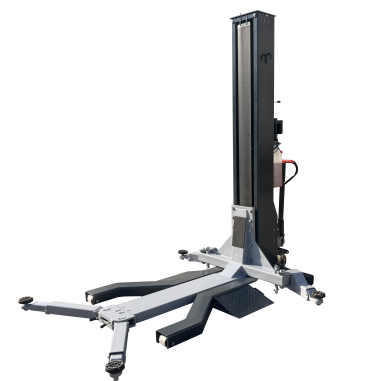
Selecting the right hydraulic car lift requires careful consideration of multiple technical and operational factors that directly impact workshop efficiency and safety. Modern automotive service facilities depend on reliable lifting equipment to handle diverse vehicle maintenance tasks, from routine oil changes to comprehensive engine overhauls. A quality hydraulic car lift serves as the foundation for professional automotive service operations, providing stable vehicle access while maintaining strict safety standards. Understanding which features matter most helps shop owners make informed investment decisions that support long-term operational success and customer satisfaction.
Essential Safety Features and Standards
Primary Safety Mechanisms
Safety features represent the most critical aspect when evaluating any hydraulic car lift system. Modern lifting equipment incorporates multiple redundant safety mechanisms designed to prevent catastrophic failures during operation. Mechanical safety locks engage automatically at predetermined lift heights, providing backup support even if hydraulic pressure fails unexpectedly. These locks typically feature spring-loaded pawls that catch on notched lift posts, creating physical barriers against sudden descent.
Pressure relief valves serve as another essential safety component, preventing hydraulic system over-pressurization that could damage seals or cause structural failure. Quality manufacturers integrate multiple pressure monitoring systems that continuously track hydraulic fluid pressure throughout lifting and lowering cycles. Emergency stop controls should be easily accessible from multiple positions around the lift, allowing operators to immediately halt operations when safety concerns arise.
Certification and Compliance Standards
Professional-grade hydraulic car lift systems must meet rigorous industry certification standards that validate their design integrity and operational safety. The Automotive Lift Institute (ALI) provides comprehensive testing protocols that evaluate structural strength, hydraulic system performance, and safety mechanism reliability. ALI-certified lifts undergo extensive load testing that exceeds normal operational requirements, ensuring adequate safety margins during daily use.
International Organization for Standardization (ISO) compliance demonstrates manufacturer commitment to quality management systems and product consistency. These certifications provide shop owners with confidence that their hydraulic car lift meets or exceeds industry safety expectations. Regular inspection and maintenance protocols specified by certification bodies help maintain optimal safety performance throughout the equipment's operational lifespan.
Hydraulic System Performance and Reliability
Pump Technology and Power Systems
The hydraulic pump system forms the core of any effective car lift, determining lifting speed, load capacity, and operational reliability. Electric motor-driven pumps offer consistent performance with precise speed control, making them ideal for high-volume commercial applications. Motor specifications including horsepower ratings and electrical requirements must align with facility power infrastructure to ensure optimal performance without overloading electrical systems.
Gear pumps typically provide superior durability and consistent flow rates compared to vane or piston alternatives in automotive lifting applications. Quality hydraulic car lift systems incorporate filtration systems that maintain fluid cleanliness and prevent contamination that could damage sensitive pump components. Proper pump sizing ensures adequate flow rates for reasonable lifting speeds while maintaining sufficient pressure for heavy vehicle loads.
Cylinder Design and Construction
Hydraulic cylinders must withstand repeated loading cycles while maintaining precise positioning control throughout their operational range. Chrome-plated piston rods resist corrosion and scoring that could compromise seal integrity and cause hydraulic fluid leakage. Cylinder bore tolerances and surface finish quality directly affect seal longevity and overall system reliability.
Single-acting cylinders rely on gravity for descent, simplifying hydraulic circuit design while reducing potential failure points. Double-acting cylinders provide powered lowering control but require more complex valve arrangements and additional hydraulic fluid volume. The choice between cylinder types depends on specific operational requirements and desired level of lowering speed control in professional service environments.
Structural Design and Load Capacity
Frame Construction and Materials
Structural integrity determines the maximum safe working load and operational longevity of any hydraulic car lift. Steel frame construction using high-strength alloys provides the necessary rigidity to handle heavy vehicles without flexing or deformation. Welded joints must meet stringent quality standards to prevent stress concentrations that could lead to premature failure under repeated loading cycles.
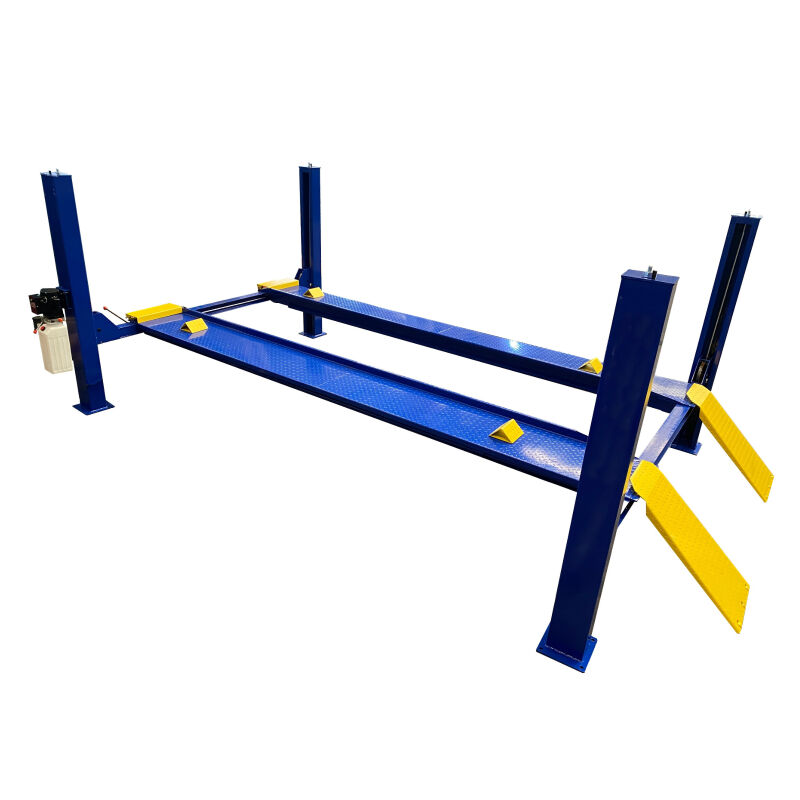
Column design affects both lifting capacity and workspace access around raised vehicles. Four-post configurations distribute vehicle weight across multiple support points, making them suitable for storage applications and heavy trucks. Two-post designs maximize access to vehicle undercarriage areas but require precise positioning to maintain proper weight distribution during lifting operations.
Load Distribution and Stability
Proper load distribution prevents vehicle instability and reduces stress on lift components during operation. Adjustable lifting pads accommodate various vehicle frame configurations while maintaining contact with structural support points. Rubber pad surfaces protect vehicle finish while providing secure grip that prevents slipping during lifting or lowering cycles.
Vehicle positioning systems help operators achieve proper weight distribution before initiating lifting sequences. Some hydraulic car lift models incorporate electronic load monitoring that displays weight distribution across lifting points in real-time. This feedback allows operators to make positioning adjustments before reaching maximum lift height, improving both safety and equipment longevity.
Operational Features and User Interface
Control Systems and Automation
Modern hydraulic car lift systems feature sophisticated control interfaces that enhance operational efficiency while maintaining safety protocols. Push-button controls with clear labeling reduce operator error and streamline lifting procedures during busy service periods. Some advanced systems include programmable height presets that allow operators to quickly position vehicles at commonly used working heights.
Automatic leveling systems compensate for uneven floor surfaces and maintain horizontal vehicle positioning throughout the lifting range. These systems use electronic sensors to monitor lift platform angles and make hydraulic adjustments to maintain proper alignment. Safety interlocks prevent operation when doors are open or safety equipment is not properly engaged, reducing accident risks in busy workshop environments.
Maintenance Access and Service Points
Accessible maintenance points simplify routine service procedures and reduce long-term operating costs for hydraulic car lift owners. Centralized hydraulic reservoirs with sight gauges allow quick fluid level checks without specialized tools or equipment disassembly. Grease fittings positioned for easy access encourage regular lubrication that extends component life and maintains smooth operation.
Diagnostic capabilities help identify potential problems before they cause operational failures or safety hazards. Some systems include pressure gauges and flow meters that allow technicians to evaluate hydraulic system performance during routine inspections. Clear maintenance schedules and readily available replacement parts ensure minimal downtime when service is required.
Installation Requirements and Space Considerations
Foundation and Floor Requirements
Proper installation begins with adequate foundation preparation that can support the combined weight of the hydraulic car lift and maximum vehicle load. Concrete floor specifications typically require minimum thickness and compressive strength ratings that vary based on lift capacity and configuration. Anchor bolt patterns must align precisely with manufacturer specifications to ensure proper load transfer and structural integrity.
Floor drainage considerations become important in areas where hydraulic fluid spills or vehicle fluids might accumulate around lift installations. Some facilities incorporate containment systems that channel spills away from work areas while meeting environmental protection requirements. Proper floor slope and drain placement prevent fluid accumulation that could create slip hazards or equipment corrosion issues.
Workspace Clearance and Access
Adequate clearance around hydraulic car lift installations ensures safe vehicle positioning and technician access during service procedures. Overhead clearance requirements vary based on maximum lift height and typical vehicle dimensions served by the facility. Side clearances must accommodate door opening, equipment positioning, and emergency egress requirements specified by local safety codes.
Integration with existing workshop layouts requires careful planning to optimize workflow efficiency and maintain safety standards. Power supply locations, compressed air connections, and tool storage arrangements should complement lift positioning for maximum operational convenience. Proper lighting placement eliminates shadows and dark areas that could compromise safety or work quality around raised vehicles.
Cost Factors and Return on Investment
Initial Investment and Equipment Costs
Hydraulic car lift pricing varies significantly based on capacity, features, and manufacturer reputation, requiring careful evaluation of cost versus capability requirements. Entry-level systems may lack advanced safety features or durability components that prove essential in high-volume commercial applications. Premium models often include enhanced warranties and comprehensive support services that offset higher initial costs through reduced maintenance expenses.
Installation costs represent a significant portion of total project expenses, including foundation preparation, electrical connections, and professional assembly services. Some manufacturers provide installation supervision or training that ensures proper setup and reduces warranty concerns. Facility modifications such as electrical upgrades or floor improvements should be factored into total project budgets during planning phases.
Operating Costs and Efficiency Gains
Energy consumption varies based on hydraulic car lift design and usage patterns, with more efficient systems providing lower long-term operating costs. Modern pumps and motors incorporate energy-saving features that reduce electricity consumption during standby periods. Proper system sizing prevents energy waste while ensuring adequate performance for intended applications.
Productivity improvements often justify hydraulic car lift investments through reduced service times and improved technician working conditions. Faster vehicle positioning and better undercarriage access allow more services per day while reducing physical strain on service personnel. These efficiency gains translate directly into increased revenue potential and improved customer satisfaction through reduced wait times.
FAQ
What safety certifications should I look for in a hydraulic car lift
Look for Automotive Lift Institute (ALI) certification, which ensures the lift meets rigorous safety standards including load testing, structural integrity verification, and safety mechanism validation. ISO certification demonstrates quality management compliance, while OSHA compliance ensures workplace safety requirements are met. These certifications provide legal protection and operational confidence for commercial installations.
How do I determine the right lifting capacity for my needs
Calculate the maximum vehicle weight you expect to service, then add a safety margin of at least 25-50% above that weight. Consider future needs including heavier vehicles or equipment storage requirements. Most passenger car applications require 9,000-12,000 pound capacity, while light truck service may need 15,000-18,000 pounds or more.
What maintenance is required for hydraulic car lift systems
Regular maintenance includes monthly hydraulic fluid level checks, quarterly lubrication of moving parts, and annual safety inspection of locks and cables. Hydraulic fluid should be changed every 2-3 years or as specified by the manufacturer. Professional inspection should verify proper operation of all safety systems and identify any wear components requiring replacement.
Can a hydraulic car lift be installed on any concrete floor
The concrete floor must meet minimum thickness and compressive strength requirements specified by the lift manufacturer, typically 4-6 inches thick with 3000-4000 PSI compressive strength. The floor should be level within specified tolerances and free from cracks or structural defects. Professional evaluation may be necessary to verify existing floors meet installation requirements before purchase.