 EN
EN

When considering the purchase of a hydraulic car lift for your garage or automotive facility, understanding the cost structure is essential for making an informed decision. The price of a hydraulic car lift varies significantly based on capacity, design, features, and brand reputation. In 2025, automotive professionals and enthusiasts are finding that investing in quality lifting equipment delivers long-term value through improved efficiency and safety standards.
Modern hydraulic car lift systems have evolved to offer enhanced reliability, smoother operation, and improved safety features compared to previous generations. The automotive service industry continues to rely heavily on these essential pieces of equipment, making price considerations a critical factor for both commercial operations and private garage owners. Understanding the various cost factors helps buyers select the most appropriate hydraulic car lift for their specific needs and budget constraints.
Cost Categories and Price Ranges
Entry-Level Hydraulic Car Lift Options
Basic hydraulic car lift models typically range from $2,500 to $4,500 for residential and light commercial applications. These entry-level units usually feature single-post or scissor designs with lifting capacities between 6,000 to 9,000 pounds. While more affordable, these systems still provide reliable performance for routine maintenance tasks and basic automotive work. The lower price point makes them attractive for home mechanics and small repair shops just starting their operations.
Entry-level models often include essential safety features such as mechanical locks and basic hydraulic systems, though they may lack some advanced features found in higher-end units. Installation costs for these systems are generally lower due to simplified foundation requirements and less complex hydraulic connections. Despite their basic nature, quality entry-level hydraulic car lift systems can provide years of dependable service when properly maintained and operated within their specified capacity limits.
Mid-Range Professional Systems
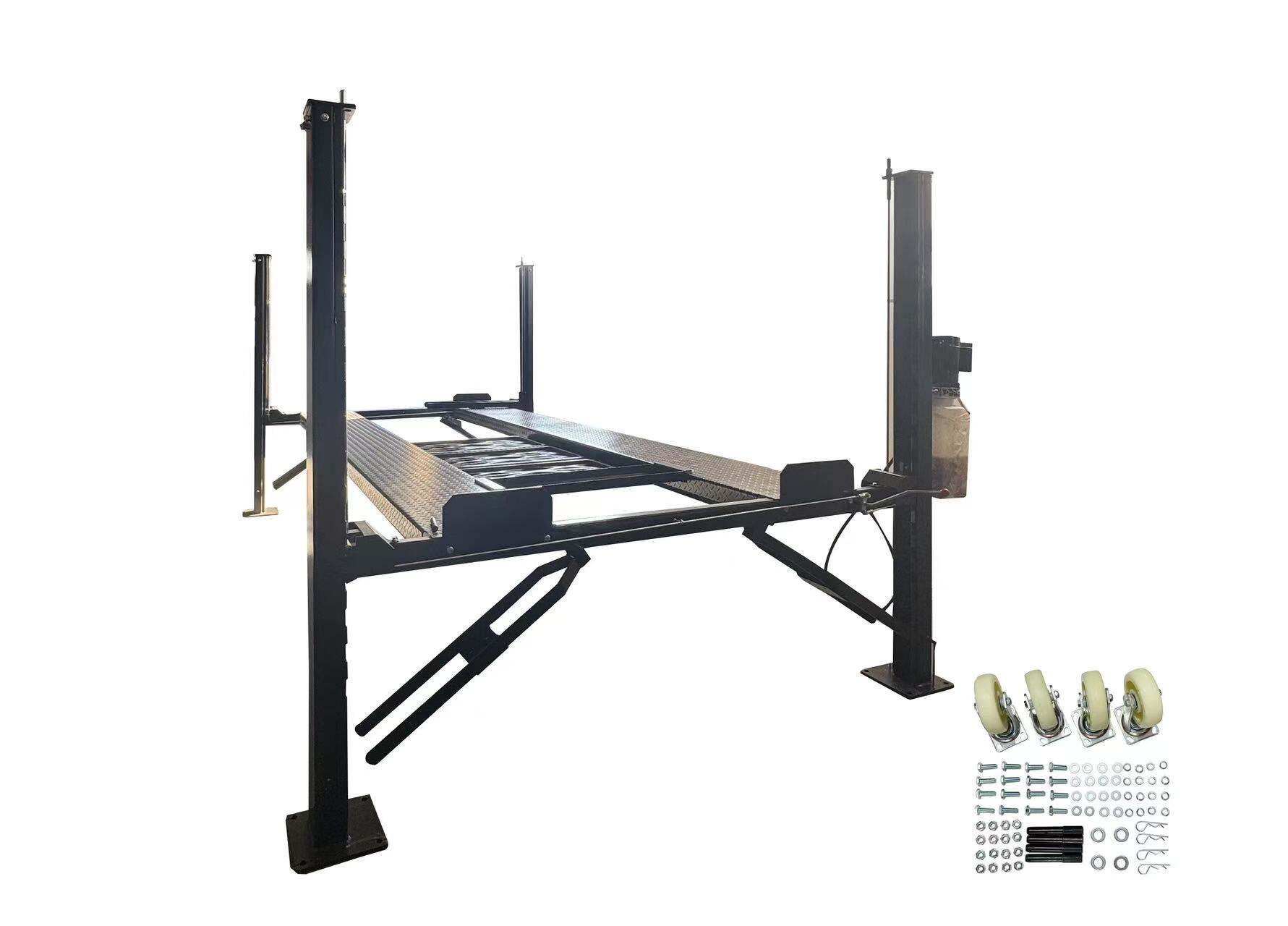
Professional-grade hydraulic car lift systems fall into the $4,500 to $8,000 price range and offer enhanced features for commercial automotive facilities. These units typically provide lifting capacities from 9,000 to 12,000 pounds and include improved safety systems, better build quality, and more sophisticated hydraulic controls. Mid-range systems often feature symmetric or asymmetric four-post designs that accommodate a wider variety of vehicle types and sizes.
The increased investment in mid-range hydraulic car lift systems delivers improved durability and operational efficiency for busy service centers. These units generally include features such as extended warranties, better customer support, and more comprehensive safety certifications. Commercial operators find that the additional cost is justified by reduced maintenance requirements and improved productivity over the equipment's operational lifetime.
Factors Influencing Hydraulic Car Lift Pricing
Weight Capacity and Design Configuration
The lifting capacity of a hydraulic car lift significantly impacts its price, with higher capacity units requiring more robust construction and larger hydraulic systems. Standard passenger car lifts rated for 9,000 pounds cost considerably less than heavy-duty commercial units capable of lifting 15,000 pounds or more. The design configuration also affects pricing, with four-post systems generally costing more than two-post alternatives due to their increased material requirements and complexity.
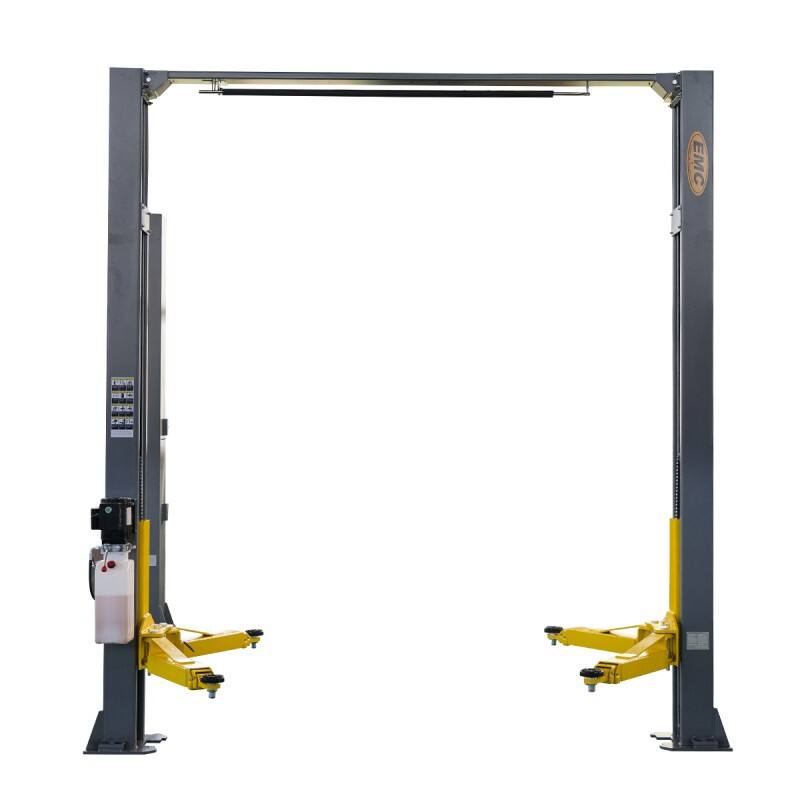
Asymmetric hydraulic car lift designs command premium pricing due to their specialized engineering that allows for optimal vehicle positioning and door access. These systems require precise manufacturing tolerances and advanced hydraulic balancing systems to ensure safe operation with vehicles positioned off-center. The additional engineering and manufacturing complexity justifies the higher price point for facilities that regularly service a variety of vehicle types.
Safety Features and Certification Standards
Advanced safety features significantly influence hydraulic car lift pricing, with systems incorporating multiple safety locks, load monitoring, and fail-safe mechanisms costing substantially more than basic models. Certification to industry standards such as ALI (Automotive Lift Institute) requirements adds to manufacturing costs but provides essential safety assurance for commercial operations. These certifications often mandate specific design features, testing procedures, and quality control measures that increase production expenses.
Premium hydraulic car lift systems include sophisticated safety features such as velocity fuses, pressure relief valves, and electronic monitoring systems that detect operational anomalies. While these features increase the initial purchase price, they provide invaluable protection for both operators and vehicles, potentially saving thousands of dollars in damage prevention and liability reduction. Insurance companies often require certified equipment for commercial operations, making the additional safety investment a necessity rather than an option.
Installation and Additional Cost Considerations
Foundation and Electrical Requirements
Installation costs for a hydraulic car lift can add $1,500 to $4,000 to the total project expense, depending on foundation requirements and electrical system complexity. Most hydraulic car lift installations require concrete foundations with specific depth and reinforcement specifications that vary based on lift type and capacity. Existing garage floors may need modification or complete replacement to meet manufacturer requirements, significantly impacting total project costs.
Electrical installation costs depend on the distance from the main electrical panel and the power requirements of the specific hydraulic car lift model. Three-phase power systems typically required for larger commercial units may necessitate electrical service upgrades that add substantial expense to the project. Professional installation ensures proper operation and maintains warranty coverage, making it an essential investment despite the additional cost.
Maintenance and Operating Expenses
Long-term ownership costs for a hydraulic car lift include regular maintenance, hydraulic fluid replacement, and periodic safety inspections. Annual maintenance costs typically range from $200 to $500 for basic systems, while complex commercial units may require $500 to $1,200 in annual servicing. Regular maintenance includes hydraulic system checks, safety mechanism testing, and structural inspections to ensure continued safe operation.
Energy consumption represents an ongoing operational expense, though modern hydraulic car lift systems are designed for efficiency during normal use. Hydraulic pumps operate only during lifting and lowering cycles, minimizing electricity costs compared to continuous-operation equipment. Proper maintenance extends equipment life and reduces unexpected repair expenses that could significantly impact operational budgets for commercial facilities.
Brand Comparison and Market Analysis
Premium Brand Positioning
Leading hydraulic car lift manufacturers such as Rotary, BendPak, and Challenger command premium pricing due to their established reputations for quality and reliability. These brands typically price their systems 15-25% higher than comparable models from lesser-known manufacturers, but they offer superior warranties, better customer support, and proven track records in commercial applications. The premium pricing reflects extensive research and development investments that result in more reliable and feature-rich products.
Premium brand hydraulic car lift systems often include proprietary technologies and design innovations that justify their higher cost structure. These manufacturers invest heavily in testing facilities, quality assurance programs, and ongoing product development that benefits end users through improved performance and reliability. Commercial operators frequently choose premium brands despite higher initial costs due to lower long-term ownership expenses and better resale values.
Value Brand Alternatives
Value-oriented hydraulic car lift manufacturers offer competitive alternatives at price points 20-30% below premium brands while still maintaining acceptable quality standards. These companies focus on essential functionality rather than advanced features, allowing them to offer more affordable solutions for cost-conscious buyers. Value brands often target the residential and small commercial markets where basic lifting capability is more important than advanced features or brand prestige.
Quality variations among value brand hydraulic car lift systems require careful evaluation of specifications, warranties, and customer reviews before making purchasing decisions. Some value brands provide excellent performance and reliability at attractive price points, while others may compromise quality to achieve lower prices. Buyers should evaluate the total cost of ownership, including maintenance requirements and expected service life, when comparing value alternatives to premium options.
Market Trends and Future Pricing Outlook
Technology Integration Impact
Modern hydraulic car lift systems increasingly incorporate electronic controls, diagnostic systems, and smart monitoring capabilities that add to manufacturing costs but provide enhanced operational efficiency. These technological advances typically increase system prices by 10-20% compared to traditional hydraulic-only designs, but they offer improved safety, diagnostic capabilities, and integration with shop management systems. The trend toward automation and digital integration continues to influence pricing structures across the industry.
Future hydraulic car lift developments may include wireless connectivity, predictive maintenance capabilities, and integration with electric vehicle charging systems. These advanced features will likely command premium pricing initially but may become standard as technology costs decrease and market adoption increases. Early adopters of advanced hydraulic car lift technology often pay higher prices but gain competitive advantages through improved operational efficiency and enhanced customer service capabilities.
Economic Factors and Supply Chain Influences
Global supply chain dynamics significantly impact hydraulic car lift pricing, with steel costs, component availability, and shipping expenses affecting final product prices. Manufacturers have faced increasing material costs and supply chain disruptions that translate to higher prices for end users. These economic pressures are likely to continue influencing hydraulic car lift pricing throughout 2025 and beyond, making timing of purchase decisions increasingly important for budget-conscious buyers.
Currency fluctuations and international trade policies also affect pricing for hydraulic car lift systems, particularly for imported components and complete units. Domestic manufacturing initiatives may influence pricing structures as companies balance cost considerations with supply chain reliability. Buyers should consider these economic factors when planning hydraulic car lift purchases and may benefit from establishing relationships with suppliers who can provide pricing stability through longer-term agreements.
FAQ
What is the average cost of a hydraulic car lift for home use
Home-use hydraulic car lift systems typically cost between $2,500 and $6,000, depending on capacity and features. Basic two-post units suitable for personal garages start around $2,500, while more sophisticated four-post systems with drive-on capability can reach $5,000 to $6,000. Installation costs add another $1,500 to $3,000 depending on foundation requirements and electrical work needed.
How much should I budget for hydraulic car lift installation
Installation costs for a hydraulic car lift range from $1,500 to $4,000, with foundation work being the largest expense component. Concrete foundation preparation typically costs $800 to $2,500, while electrical installation ranges from $500 to $1,500 depending on power requirements and distance from the electrical panel. Professional installation is recommended to ensure safety compliance and warranty coverage.
Do hydraulic car lift prices vary significantly by region
Regional price variations for hydraulic car lift systems typically range from 5-15% due to shipping costs, local competition, and regional economic factors. Areas with higher costs of living and labor generally see higher installation costs, while equipment prices remain relatively consistent nationally. Buyers in remote locations may face higher shipping charges that can add several hundred dollars to total project costs.
What financing options are available for hydraulic car lift purchases
Many hydraulic car lift dealers offer financing programs with terms ranging from 12 to 60 months, often with competitive interest rates for qualified buyers. Equipment leasing options are also available for commercial applications, allowing businesses to preserve capital while acquiring necessary equipment. Some manufacturers partner with financing companies to offer promotional rates or deferred payment programs during specific periods throughout the year.