Professional Static Wheel Balancer - Precision Tire Balancing Equipment for Automotive Service Centers

Get a Free Quote

Our representative will contact you soon.
Email
Name
Company Name
Message
0/1000

static wheel balancer

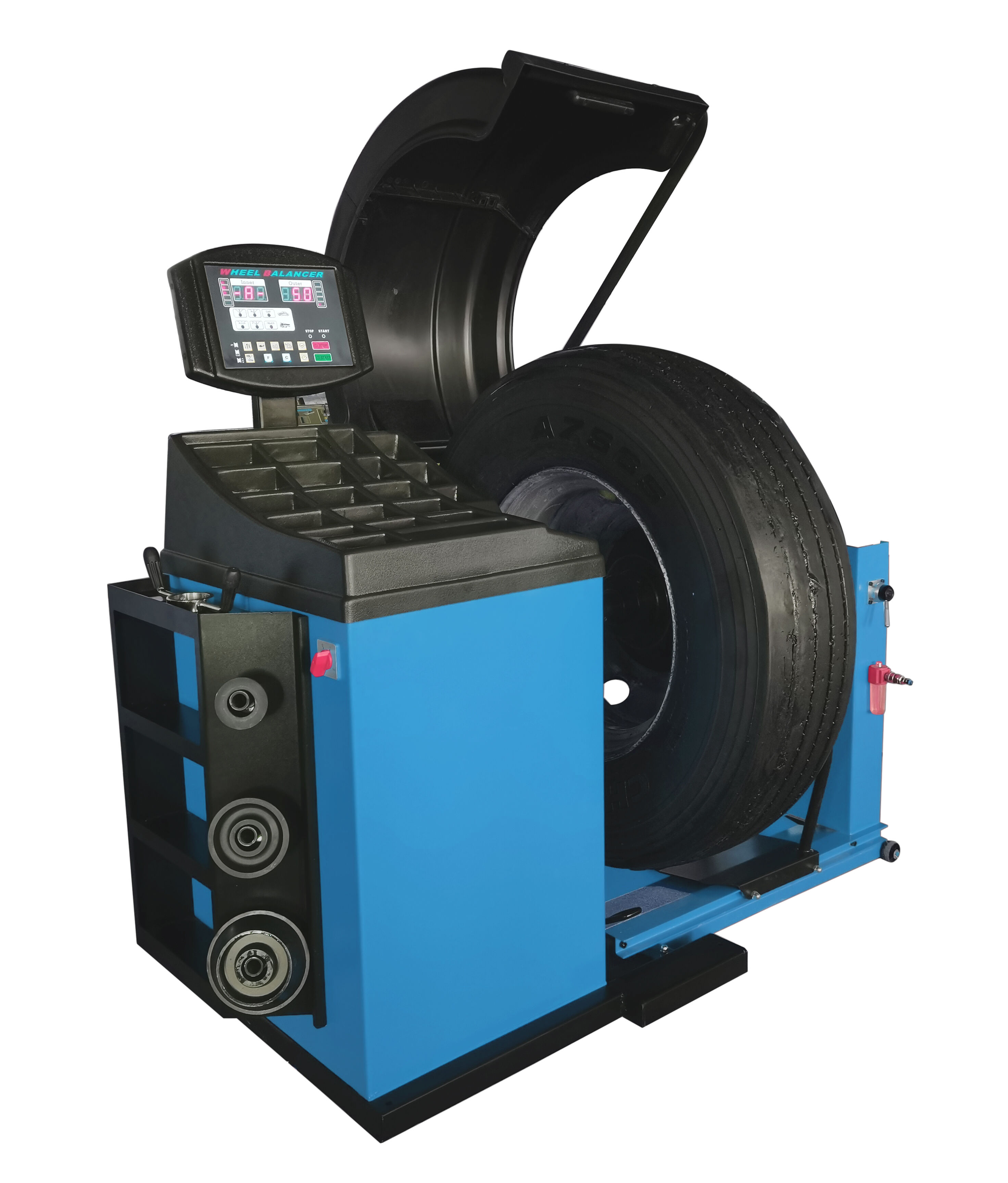
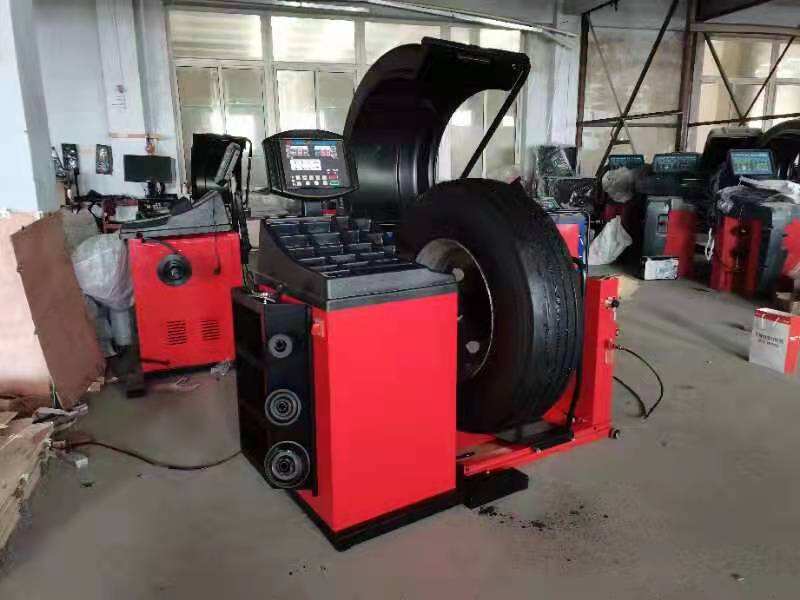
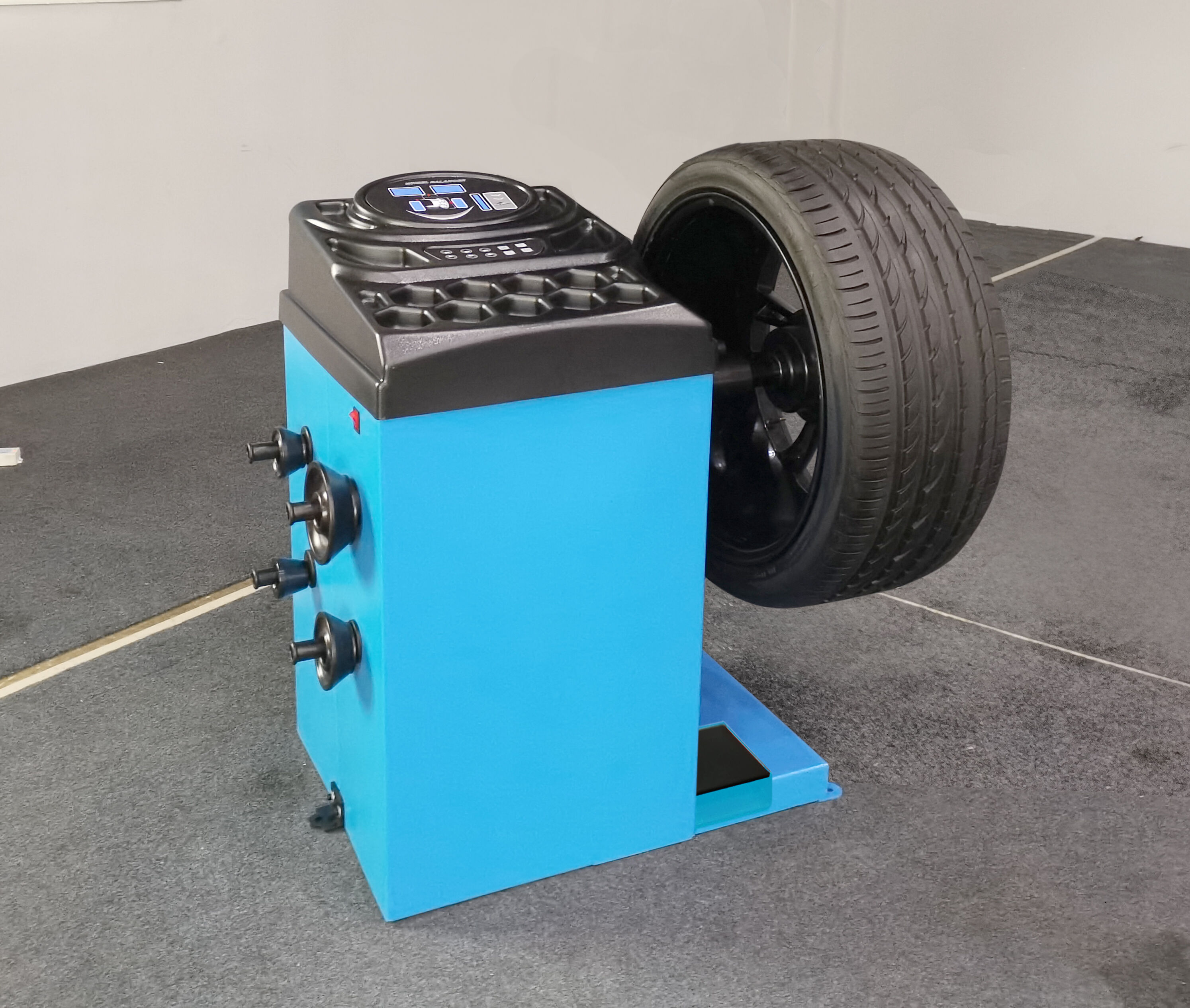
A static wheel balancer represents an essential piece of equipment designed to identify and correct weight imbalances in vehicle wheels and tires. This precision instrument operates by measuring the distribution of mass around a wheel assembly when it remains stationary, detecting even the smallest irregularities that could lead to vibration, premature tire wear, and compromised driving comfort. The static wheel balancer utilizes gravitational force and sensitive measurement systems to pinpoint exactly where additional weights need placement to achieve perfect balance. Modern static wheel balancers incorporate advanced digital displays, automated calculation systems, and user-friendly interfaces that streamline the balancing process for automotive professionals. These machines feature robust construction with heavy-duty spindles, precision bearings, and calibrated measurement mechanisms that ensure consistent, reliable results across thousands of wheel balancing operations. The static wheel balancer excels in workshops, tire shops, and automotive service centers where accurate wheel balancing forms a critical component of vehicle maintenance services. Unlike dynamic balancers that require wheel rotation, the static wheel balancer performs its analysis while the wheel assembly remains completely still, making it particularly suitable for certain applications and workspace configurations. The technology behind these machines focuses on detecting static imbalance, which occurs when the center of mass does not align with the geometric center of the wheel. Professional technicians rely on static wheel balancers to eliminate vibrations that manifest at lower speeds, ensuring vehicles deliver smooth, comfortable rides while extending tire life significantly. These balancers accommodate various wheel sizes and types, from compact car wheels to larger truck applications, providing versatility that meets diverse automotive service requirements.

New Product Releases

The static wheel balancer delivers numerous practical benefits that directly impact both service providers and vehicle owners. First, this equipment significantly reduces operational costs by eliminating the need for complex rotating mechanisms found in dynamic systems, resulting in lower maintenance requirements and reduced energy consumption during operation. Service technicians appreciate the straightforward operation that requires minimal training, allowing new staff members to master wheel balancing procedures quickly and efficiently. The static wheel balancer produces highly accurate results that effectively eliminate vibrations and irregular tire wear patterns, leading to improved customer satisfaction and increased repeat business for automotive service centers. Vehicle owners benefit from extended tire life, as properly balanced wheels distribute road forces evenly across the tire surface, preventing premature wear that would otherwise require costly tire replacements. The enhanced driving comfort achieved through static wheel balancer use translates to reduced driver fatigue during long trips and improved vehicle handling characteristics that boost overall safety performance. These machines operate quietly compared to dynamic alternatives, creating a more pleasant work environment while reducing noise pollution in busy automotive shops. The static wheel balancer requires minimal floor space, making it ideal for smaller workshops that need to maximize their operational efficiency within limited square footage. Maintenance costs remain exceptionally low because static balancers contain fewer moving parts than their dynamic counterparts, reducing the likelihood of mechanical failures and associated repair expenses. The quick setup process enables technicians to balance wheels faster, increasing daily productivity and allowing service centers to accommodate more customers without extending operating hours. Investment recovery occurs rapidly due to the equipment's durability and consistent performance, with many static wheel balancers providing decades of reliable service with proper care. The precision offered by modern static wheel balancers ensures that even slight imbalances are detected and corrected, preventing issues that could develop into more serious and expensive problems later. Customer confidence grows when service providers use professional-grade static wheel balancers, as the visible precision and systematic approach demonstrate technical competence and attention to detail.

Practical Tips

What is a 4 post car lift and how does it work?

03

Dec

What is a 4 post car lift and how does it work?

A 4 post car lift represents one of the most versatile and widely adopted lifting solutions in automotive service facilities, home garages, and commercial workshops worldwide. Unlike traditional hydraulic jacks or scissor lifts, this mechanical marve...
View More
How Does an Air Compressor Work in 2025?

04

Dec

How Does an Air Compressor Work in 2025?

Understanding how an air compressor operates is essential for anyone working in manufacturing, automotive repair, construction, or home improvement projects. An air compressor is a versatile mechanical device that converts power into potential energy...
View More
Why Is My Air Compressor Not Building Pressure?

10

Dec

Why Is My Air Compressor Not Building Pressure?

When your air compressor fails to build adequate pressure, it can bring your entire operation to a halt. This frustrating issue affects countless workshops, garages, and industrial facilities worldwide. Understanding the root causes behind pressure l...
View More
How do I install a 4 post car lift in my garage?

17

Dec

How do I install a 4 post car lift in my garage?

Installing a 4 post car lift in your garage is a significant upgrade that can transform your automotive workspace and provide convenient access for vehicle maintenance, storage, and repairs. A properly installed 4 post car lift offers substantial ben...
View More

Get a Free Quote

Our representative will contact you soon.
Email
Name
Company Name
Message
0/1000

static wheel balancer

Superior Precision and Accuracy in Wheel Balancing

Superior Precision and Accuracy in Wheel Balancing

The static wheel balancer stands out in the automotive service industry due to its exceptional precision in detecting and correcting wheel imbalances. This remarkable accuracy stems from advanced measurement technologies that can identify weight variations as small as a few grams, ensuring that every wheel receives the exact correction needed for optimal performance. The precision of a static wheel balancer directly translates to superior ride quality for vehicle owners, as even minor imbalances that might go unnoticed with less sophisticated equipment are identified and resolved. Professional automotive technicians understand that precision in wheel balancing prevents a cascade of problems that can affect vehicle performance, including irregular tire wear patterns, steering wheel vibration, and suspension component stress. The measurement system within a static wheel balancer utilizes highly sensitive components that remain calibrated over extended periods, maintaining consistent accuracy across thousands of balancing operations. This reliability proves invaluable for service centers that depend on consistent results to maintain their reputation for quality work. The precision offered by static wheel balancers extends beyond simple weight measurement to include exact positioning guidance, showing technicians precisely where correction weights should be placed for maximum effectiveness. This level of accuracy eliminates guesswork and ensures that every wheel balancing procedure achieves optimal results on the first attempt. Vehicle owners experience the benefits of this precision through smoother rides, reduced road noise, and significantly extended tire life. The economic impact of precise wheel balancing cannot be overstated, as properly balanced wheels can extend tire life by up to 50 percent while improving fuel efficiency through reduced rolling resistance. Service providers who invest in high-precision static wheel balancers often see increased customer retention rates, as clients recognize and appreciate the superior results achieved through professional-grade equipment.
Cost-Effective Operation and Low Maintenance Requirements

Cost-Effective Operation and Low Maintenance Requirements

One of the most compelling advantages of the static wheel balancer lies in its remarkably cost-effective operation and minimal maintenance requirements, making it an ideal investment for automotive service businesses of all sizes. Unlike complex dynamic balancing systems that require extensive mechanical components, electrical systems, and regular calibration, the static wheel balancer operates with elegant simplicity that translates directly to lower operating costs. The absence of high-speed rotating mechanisms means fewer wear points, reduced energy consumption, and significantly lower maintenance expenses over the equipment's operational lifetime. Service center owners particularly appreciate how the static wheel balancer reduces their overhead costs while maintaining professional-quality results that keep customers satisfied and returning for future services. The robust construction of modern static wheel balancers ensures decades of reliable operation with minimal intervention, often requiring only basic cleaning and occasional calibration to maintain peak performance. This durability stems from the fundamental design philosophy that prioritizes mechanical simplicity over complex automation, resulting in equipment that withstands the demanding environment of busy automotive shops. Repair costs remain minimal because static wheel balancers contain fewer electronic components and moving parts that could fail, and when maintenance is required, the straightforward design allows technicians to perform most procedures quickly and affordably. The cost-effectiveness extends to training requirements, as new employees can master static wheel balancer operation in a fraction of the time needed for more complex equipment, reducing training costs and allowing faster integration of new staff members. Energy efficiency represents another significant cost advantage, as static wheel balancers consume substantially less electricity than dynamic systems, contributing to lower utility bills and reduced environmental impact. The return on investment for a static wheel balancer typically occurs within the first year of operation, as the combination of low operating costs, high reliability, and customer satisfaction generates consistent revenue streams that quickly offset the initial equipment investment.
Versatile Application Across Multiple Vehicle Types

Versatile Application Across Multiple Vehicle Types

The exceptional versatility of the static wheel balancer makes it an indispensable tool for automotive service providers who work with diverse vehicle types and wheel configurations. This adaptability allows a single machine to handle everything from compact car wheels to larger truck applications, maximizing the utility and value of the equipment investment. Modern static wheel balancers accommodate an impressive range of wheel diameters, widths, and offset configurations, ensuring that service centers can provide professional balancing services for virtually any vehicle that enters their facility. The versatility extends beyond simple size accommodation to include different wheel materials and construction types, from traditional steel wheels to modern alloy designs with complex spoke patterns and specialized mounting requirements. Motorcycle shops particularly benefit from the static wheel balancer's ability to handle smaller, lighter wheels that require precise balancing to prevent high-speed vibrations that could compromise rider safety and comfort. The flexibility of static wheel balancers proves invaluable for service centers that cater to mixed fleets, including passenger cars, light trucks, commercial vehicles, and specialty applications such as trailers and recreational vehicles. This versatility eliminates the need for multiple specialized balancing machines, reducing equipment costs and workshop space requirements while ensuring consistent balancing quality across all vehicle types. Professional technicians appreciate how the static wheel balancer maintains its accuracy and reliability regardless of the wheel type being serviced, providing confidence that every balancing procedure will achieve optimal results. The adaptability of these machines extends to different balancing weight types and attachment methods, accommodating clip-on weights, adhesive weights, and specialized applications that different wheel designs require. Rural and smaller service centers particularly benefit from this versatility, as they often service a wide variety of vehicles and cannot justify investing in multiple specialized balancing machines. The universal applicability of the static wheel balancer ensures that service providers can accept virtually any wheel balancing job with confidence, expanding their potential customer base and increasing revenue opportunities while maintaining the highest standards of service quality.

Get a Free Quote

Our representative will contact you soon.
Email
Name
Company Name
Message
0/1000