Professional Automotive Wheel Balancer Equipment - Precision Tire Balancing Solutions

Get a Free Quote

Our representative will contact you soon.
Email
Name
Company Name
Message
0/1000

automotive wheel balancer

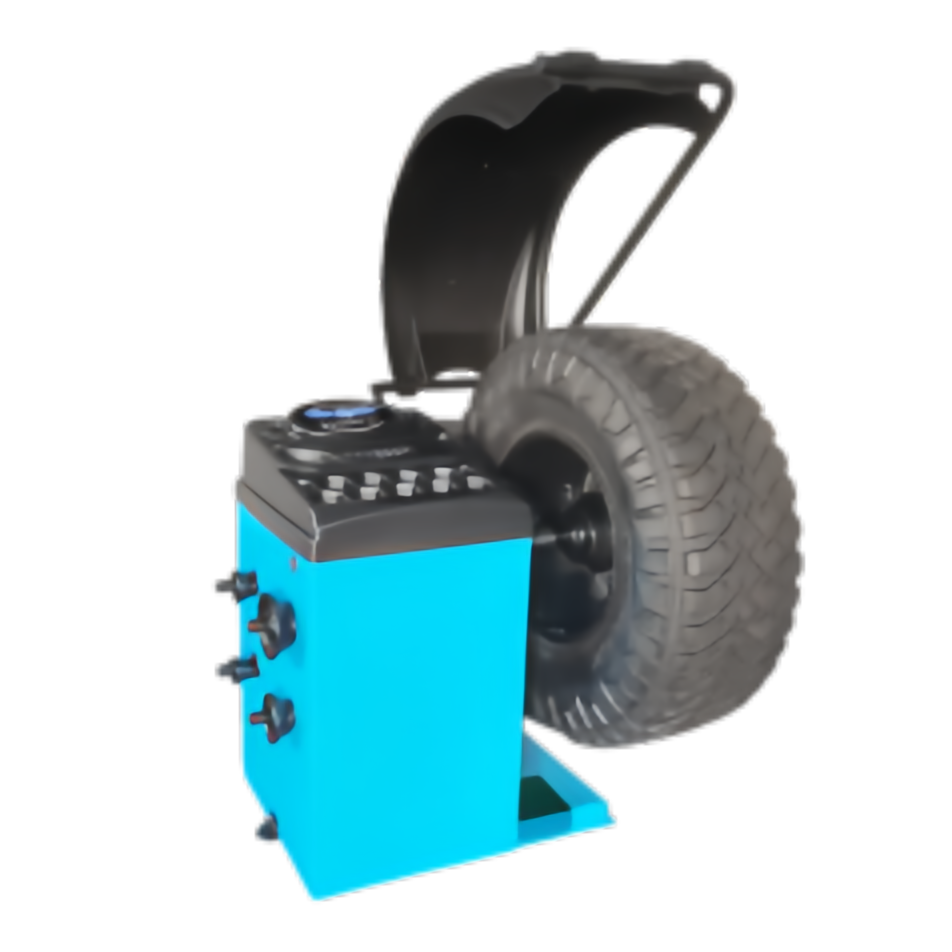
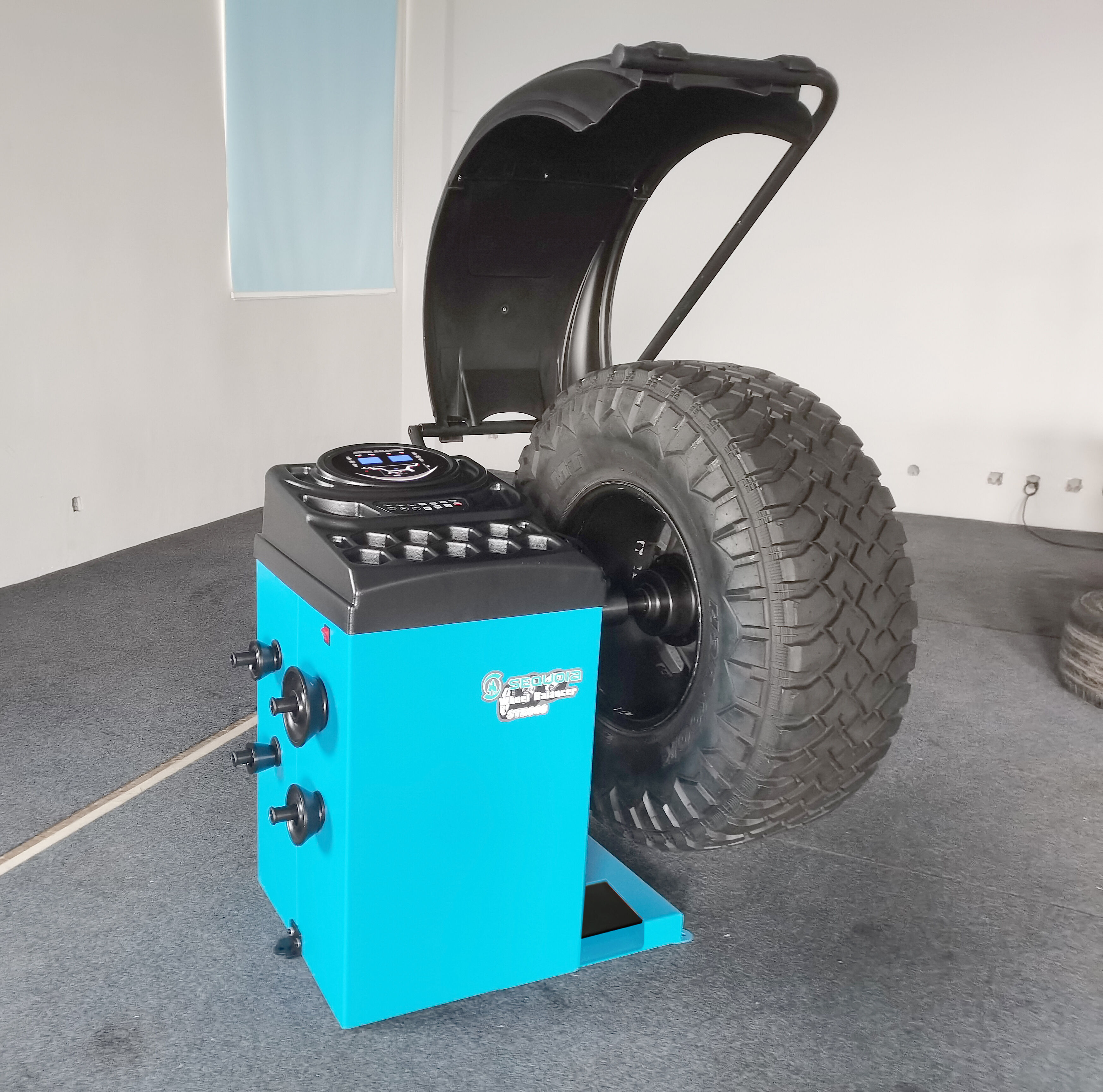
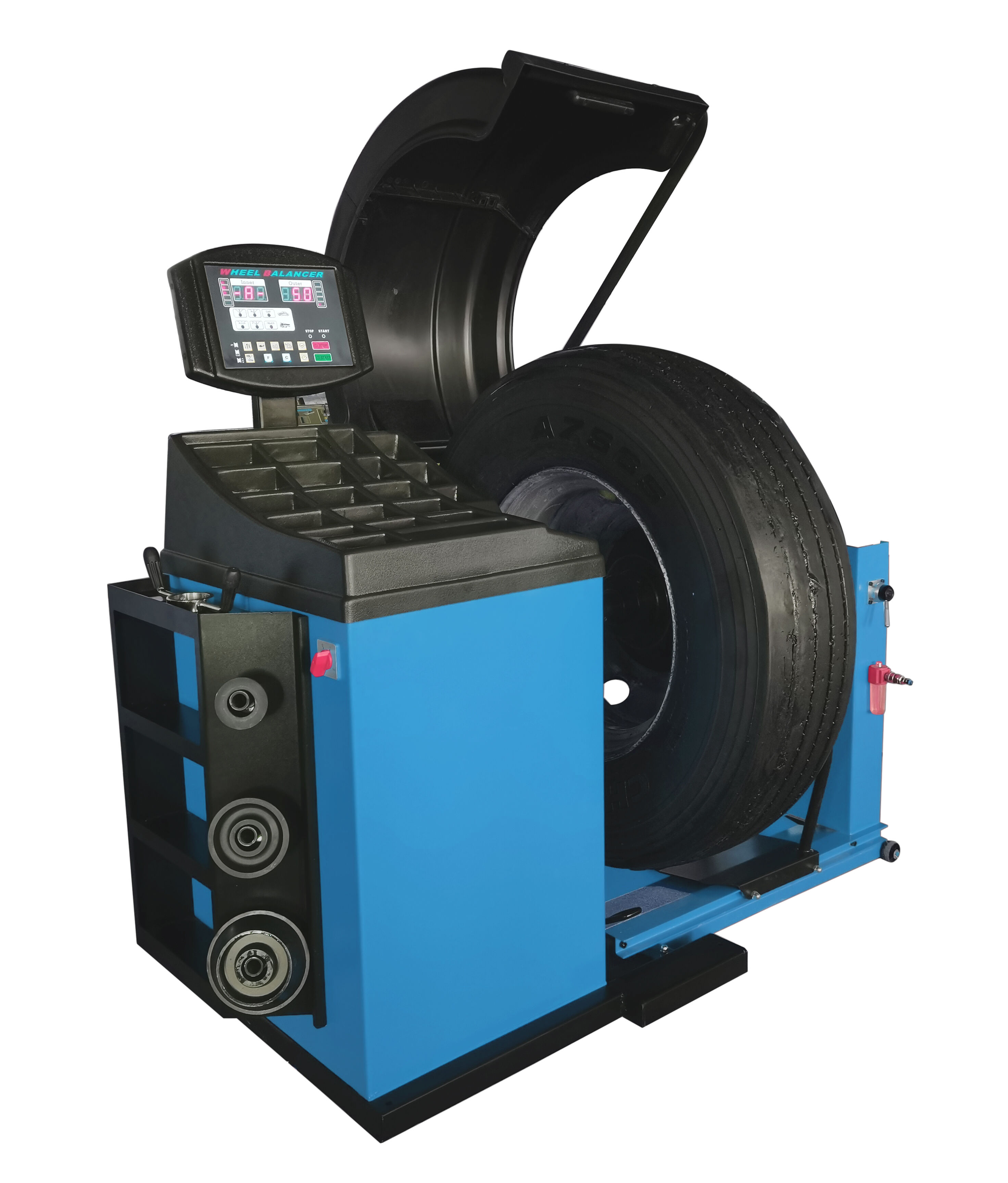
An automotive wheel balancer represents a critical piece of equipment in modern tire service operations, designed to identify and correct weight imbalances in wheel and tire assemblies. This sophisticated machine ensures optimal vehicle performance by detecting uneven weight distribution that can cause vibrations, premature tire wear, and compromised driving safety. The automotive wheel balancer operates through precise measurement systems that analyze rotational forces and determine the exact location and amount of weight correction needed. Modern units incorporate advanced computer technology with digital displays that provide technicians with clear, accurate readings for efficient wheel balancing procedures. The primary function of an automotive wheel balancer involves mounting the wheel assembly onto a precision spindle, spinning it at controlled speeds, and measuring dynamic forces generated during rotation. Sensors detect variations in centrifugal force, translating this data into specific weight placement recommendations. Technological features include microprocessor-controlled systems that calculate optimal counterweight positioning with remarkable accuracy. Many automotive wheel balancer models offer multiple balancing modes, accommodating various wheel types from standard passenger vehicles to heavy-duty commercial applications. Advanced units feature automatic data entry systems that recognize wheel dimensions through laser measurement or manual input options. The equipment typically includes pneumatic or manual wheel clamping systems, ensuring secure wheel mounting during testing procedures. Modern automotive wheel balancer technology incorporates noise reduction features, creating quieter operation in busy service environments. Applications span across automotive service centers, tire retail locations, fleet maintenance facilities, and independent repair shops. Professional technicians rely on automotive wheel balancer equipment for both new tire installations and maintenance services addressing customer complaints about vehicle vibrations or uneven tire wear patterns.

New Product Recommendations

The automotive wheel balancer delivers substantial benefits that directly impact both service quality and operational efficiency for tire service providers. Enhanced customer satisfaction represents the most significant advantage, as properly balanced wheels eliminate annoying vibrations that plague drivers during highway speeds. This improvement in ride comfort translates into positive customer experiences and increased likelihood of repeat business for service establishments. Cost savings emerge as another major benefit, since the automotive wheel balancer prevents premature tire replacement by ensuring even tread wear patterns across the tire surface. Vehicle owners experience extended tire life, reducing their long-term transportation costs while service providers build trust through effective maintenance solutions. Improved vehicle safety constitutes a critical advantage, as balanced wheels maintain proper road contact and steering response. The automotive wheel balancer helps prevent dangerous situations caused by wheel vibrations that can affect braking performance and steering control. Operational efficiency increases significantly when service technicians utilize modern automotive wheel balancer equipment, reducing the time required for each balancing procedure while improving accuracy. Digital displays and automated calculations eliminate guesswork, allowing technicians to complete jobs faster with consistent results. Revenue generation opportunities expand when businesses offer professional wheel balancing services, creating additional income streams beyond basic tire sales and installation. The automotive wheel balancer enables service providers to address a wider range of customer needs, from routine maintenance to complex vibration diagnosis. Professional credibility strengthens when businesses demonstrate advanced diagnostic capabilities through sophisticated automotive wheel balancer technology. Customers perceive greater value in services that utilize modern equipment, justifying premium pricing for quality work. Reduced callback situations occur when wheel balancing procedures are performed correctly using reliable automotive wheel balancer equipment, minimizing warranty issues and maintaining positive customer relationships. Long-term business growth becomes achievable through the reputation for quality service that professional automotive wheel balancer operations help establish.

Tips And Tricks

What is a 4 post car lift and how does it work?

03

Dec

What is a 4 post car lift and how does it work?

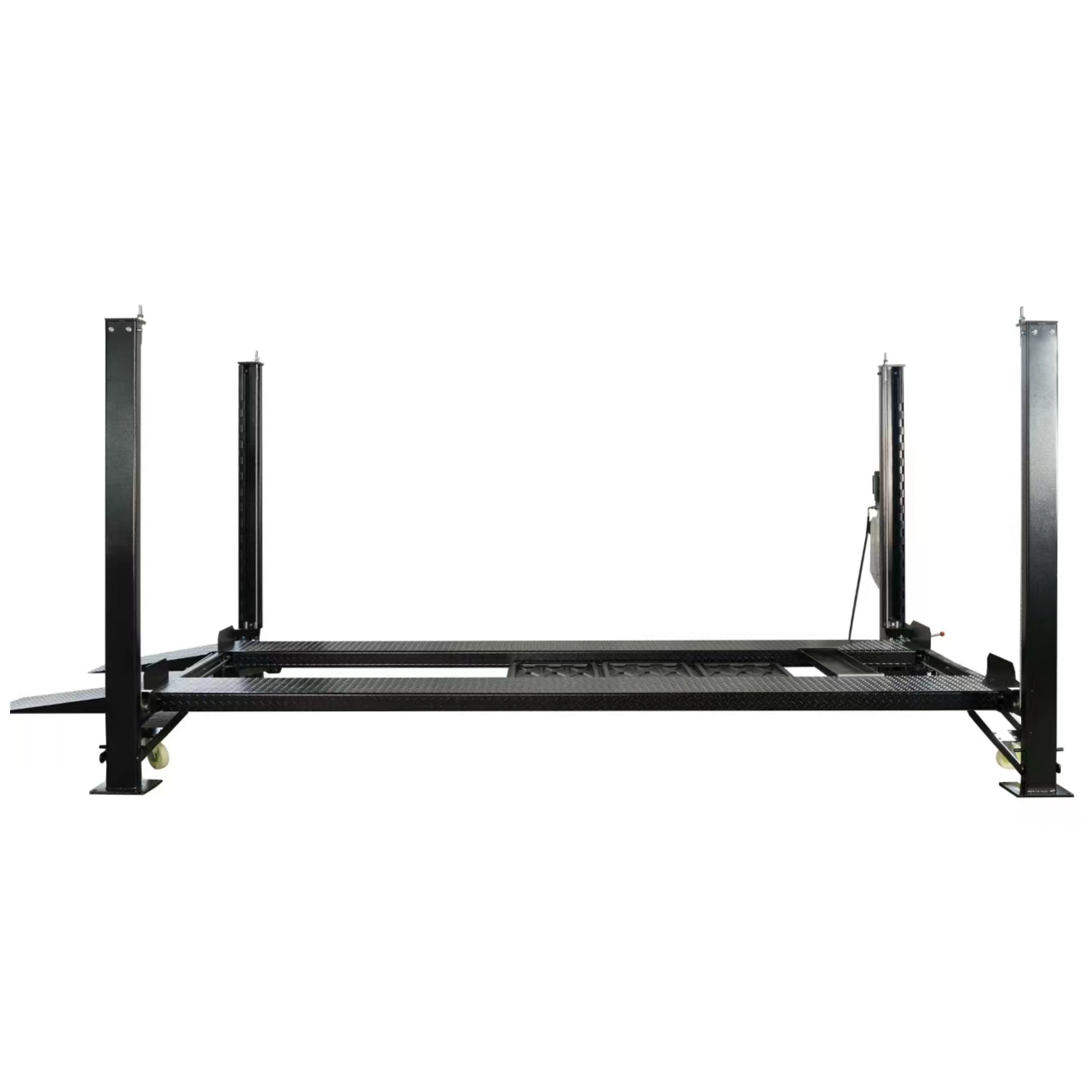
A 4 post car lift represents one of the most versatile and widely adopted lifting solutions in automotive service facilities, home garages, and commercial workshops worldwide. Unlike traditional hydraulic jacks or scissor lifts, this mechanical marve...
View More
How Does an Air Compressor Work in 2025?

04

Dec

How Does an Air Compressor Work in 2025?

Understanding how an air compressor operates is essential for anyone working in manufacturing, automotive repair, construction, or home improvement projects. An air compressor is a versatile mechanical device that converts power into potential energy...
View More
Why do mechanics prefer 4 post car lifts in 2025?

05

Dec

Why do mechanics prefer 4 post car lifts in 2025?

In the rapidly evolving automotive service industry of 2025, mechanics are increasingly choosing advanced equipment that maximizes efficiency while ensuring safety. The 4 post car lift has emerged as the preferred choice for professional workshops, o...
View More
Why Is My Air Compressor Not Building Pressure?

10

Dec

Why Is My Air Compressor Not Building Pressure?

When your air compressor fails to build adequate pressure, it can bring your entire operation to a halt. This frustrating issue affects countless workshops, garages, and industrial facilities worldwide. Understanding the root causes behind pressure l...
View More

Get a Free Quote

Our representative will contact you soon.
Email
Name
Company Name
Message
0/1000

automotive wheel balancer

Precision Digital Technology for Accurate Diagnostics

Precision Digital Technology for Accurate Diagnostics

Modern automotive wheel balancer systems incorporate cutting-edge digital technology that revolutionizes traditional wheel balancing approaches through unprecedented accuracy and diagnostic capabilities. The sophisticated microprocessor-controlled systems found in contemporary automotive wheel balancer equipment utilize advanced algorithms to calculate precise weight distribution requirements, eliminating human error and ensuring consistent results across all service procedures. Digital sensors integrated into the automotive wheel balancer detect minute variations in rotational forces, measuring imbalances as small as quarter-ounce increments for exceptional precision. The computerized interface displays real-time data through clear LCD or LED screens, providing technicians with immediate feedback on wheel conditions and specific correction requirements. This technological advancement transforms the automotive wheel balancer from a basic mechanical tool into an intelligent diagnostic system capable of identifying complex balancing issues that traditional methods might miss. The digital automotive wheel balancer automatically calculates optimal weight placement locations, considering both static and dynamic imbalance conditions simultaneously. Advanced models feature multiple balancing program options, allowing technicians to select appropriate settings for different wheel types, from lightweight alloy designs to heavy steel constructions. The precision offered by digital automotive wheel balancer technology directly translates into superior customer satisfaction, as vehicles experience smoother operation and reduced vibrations across all driving conditions. Quality control benefits emerge through consistent measurement standards that eliminate variations between different technicians or service sessions. The automotive wheel balancer digital interface often includes data storage capabilities, maintaining service records for individual customers and enabling tracking of wheel condition trends over time. Professional service providers gain competitive advantages through the enhanced diagnostic capabilities that modern automotive wheel balancer technology provides, demonstrating technical expertise that customers recognize and value in their service experience.
Versatile Applications Across Vehicle Types

Versatile Applications Across Vehicle Types

The automotive wheel balancer demonstrates remarkable versatility in accommodating diverse vehicle applications, from compact passenger cars to heavy commercial trucks, making it an essential investment for comprehensive tire service operations. This adaptability stems from sophisticated design features that allow the automotive wheel balancer to handle various wheel sizes, weights, and configurations without compromising accuracy or efficiency. Standard passenger vehicle applications represent the most common use case, where the automotive wheel balancer addresses routine maintenance needs for sedans, coupes, SUVs, and crossover vehicles. The equipment adjusts seamlessly to different wheel diameters ranging from compact 13-inch designs to large 22-inch performance wheels, ensuring consistent balancing quality across the entire spectrum of consumer vehicles. Commercial vehicle applications expand the automotive wheel balancer utility into fleet maintenance operations, where larger trucks and delivery vehicles require specialized balancing procedures to handle increased weight loads and operational demands. The robust construction of professional-grade automotive wheel balancer equipment withstands the mechanical stresses associated with heavier wheel assemblies while maintaining measurement precision. Motorcycle and ATV applications represent specialized market segments where the automotive wheel balancer provides crucial services for recreational and commercial off-road vehicles. The equipment sensitivity allows detection of small imbalances that significantly impact motorcycle handling and safety, particularly at highway speeds where stability becomes critical. Performance vehicle applications showcase the automotive wheel balancer capability to meet exacting standards required by sports cars and racing vehicles, where precision balancing directly affects performance characteristics. Custom wheel applications benefit from the automotive wheel balancer flexibility in accommodating non-standard configurations, including aftermarket modifications and specialty designs. The versatility of modern automotive wheel balancer systems enables service providers to expand their customer base across multiple vehicle segments, maximizing equipment utilization and revenue potential while establishing expertise in diverse automotive markets.
Enhanced Safety and Performance Benefits

Enhanced Safety and Performance Benefits

The automotive wheel balancer delivers critical safety and performance enhancements that extend far beyond simple vibration elimination, creating measurable improvements in vehicle operation and occupant protection. Proper wheel balancing performed with professional automotive wheel balancer equipment ensures optimal tire contact with road surfaces, maximizing traction capabilities during acceleration, braking, and cornering maneuvers. This improved road contact directly translates into enhanced vehicle stability, particularly during emergency situations where precise steering response can prevent accidents. The automotive wheel balancer eliminates dangerous wheel hop conditions that can occur at highway speeds, where unbalanced wheels create rhythmic bouncing that compromises tire grip and steering control. Braking performance receives significant benefits from automotive wheel balancer services, as balanced wheels maintain consistent contact pressure during deceleration, ensuring predictable stopping distances and preventing premature brake component wear. Steering system longevity improves dramatically when wheels remain properly balanced, as the automotive wheel balancer eliminates vibrations that stress steering components including tie rods, ball joints, and steering gear assemblies. Suspension system protection represents another crucial safety benefit, since balanced wheels reduce oscillating forces that can damage shock absorbers, struts, and other suspension components over time. The automotive wheel balancer contributes to fuel efficiency improvements by eliminating rolling resistance variations caused by wheel imbalances, resulting in smoother vehicle operation and reduced energy consumption. Tire performance optimization occurs when automotive wheel balancer services ensure even tread contact, maximizing grip capabilities in various weather conditions and extending overall tire service life. Driver comfort and fatigue reduction emerge as significant benefits, as the automotive wheel balancer eliminates annoying vibrations that can cause driver distraction and physical discomfort during extended driving periods. Vehicle resale value protection occurs through the maintenance of optimal wheel conditions that prevent premature wear of expensive components, demonstrating proper vehicle care to potential buyers and maintaining market appeal.

Get a Free Quote

Our representative will contact you soon.
Email
Name
Company Name
Message
0/1000