 EN
EN

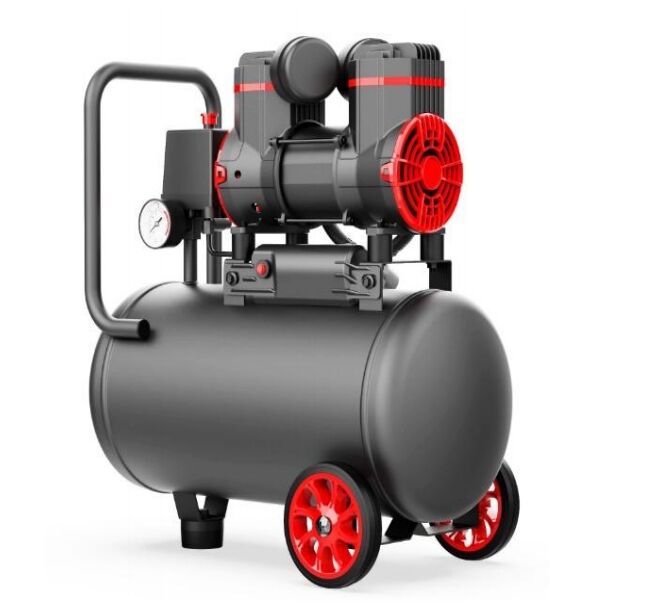
Understanding how an air compressor operates is essential for anyone working in manufacturing, automotive repair, construction, or home improvement projects. An air compressor is a versatile mechanical device that converts power into potential energy stored in pressurized air, which can then be released to perform various tasks. Modern air compressor technology has evolved significantly, incorporating advanced materials, digital controls, and energy-efficient designs that make these machines more reliable and cost-effective than ever before.
Fundamental Principles of Air Compression
Basic Physics Behind Air Compression
The core principle governing every air compressor involves reducing the volume of air while increasing its pressure, following Boyle's Law of physics. When air molecules are forced into a smaller space, they become compressed and store potential energy that can be released when needed. This process requires mechanical energy input, typically from an electric motor or gasoline engine, which drives the compression mechanism. The relationship between pressure, volume, and temperature remains constant throughout this process, making air compressor operation predictable and controllable.
Modern air compressor designs utilize thermodynamic principles to maximize efficiency while minimizing energy consumption. Heat generated during compression is often managed through cooling systems, intercoolers, and aftercoolers that prevent excessive temperature buildup. Understanding these fundamental principles helps operators select the appropriate air compressor for specific applications and maintain optimal performance throughout the equipment's lifespan.
Energy Conversion Process
The energy conversion process in an air compressor begins with the prime mover, which can be an electric motor, gasoline engine, or diesel engine depending on the application requirements. This prime mover converts electrical or chemical energy into mechanical rotational energy, which is then transmitted to the compression mechanism through belts, gears, or direct coupling. The mechanical energy drives pistons, rotary screws, or centrifugal impellers that physically compress the air.
Efficiency in energy conversion directly impacts operating costs and environmental sustainability of air compressor systems. Advanced air compressor models incorporate variable frequency drives, smart controls, and load management systems that optimize energy consumption based on demand patterns. These technological improvements have made modern air compressor units significantly more efficient than older models, reducing both operating costs and carbon footprint.
Types of Air Compressor Mechanisms
Reciprocating Piston Compressors
Reciprocating piston air compressor systems represent the most common type found in workshops, garages, and industrial applications. These machines use one or more pistons moving up and down within cylinders to compress air, similar to internal combustion engines but in reverse. During the intake stroke, the piston moves down while the intake valve opens, drawing air into the cylinder. On the compression stroke, both valves close as the piston moves up, compressing the air before forcing it through the discharge valve into the storage tank.
Single-stage reciprocating air compressor models compress air in one step, typically achieving pressures up to 150 PSI, while two-stage units compress air twice for higher pressures up to 200 PSI or more. The two-stage design includes an intercooler between compression stages that removes heat, improving efficiency and allowing higher final pressures. These air compressor systems are known for their durability, ease of maintenance, and ability to handle intermittent duty cycles effectively.
Rotary Screw Technology
Rotary screw air compressor technology utilizes two intermeshing helical screws that rotate in opposite directions within a housing to compress air continuously. As the screws turn, air enters at one end and becomes progressively compressed as it moves toward the discharge port. This continuous compression process eliminates the pulsating flow characteristic of reciprocating compressors, providing smoother, more consistent air delivery suitable for applications requiring steady pressure.
Oil-injected rotary screw air compressor models use lubricating oil that seals clearances between rotors and housing while removing heat generated during compression. Oil-free versions employ precision-machined rotors with minimal clearances and external cooling systems. Rotary screw air compressor units excel in continuous duty applications, offering high efficiency, low maintenance requirements, and quiet operation compared to reciprocating designs.
Essential Air Compressor Components
Storage Tank and Pressure Regulation
The storage tank serves as a crucial component in most air compressor systems, providing a reservoir of compressed air that helps smooth out pressure fluctuations and reduces motor cycling. Tank sizes range from small portable units with 1-6 gallon capacity to large stationary installations with hundreds of gallons. The tank allows the air compressor to build pressure while tools or equipment draw air at varying rates, improving overall system efficiency and performance.
Pressure regulation components include pressure switches that automatically start and stop the air compressor motor based on tank pressure, safety relief valves that prevent over-pressurization, and pressure regulators that control output pressure to match application requirements. These components work together to ensure safe, reliable operation while protecting both the air compressor and downstream equipment from damage due to excessive pressure.
Filtration and Moisture Control
Air filtration systems protect air compressor internal components from contamination while ensuring clean compressed air for end-use applications. Intake filters remove dust, dirt, and other particles from ambient air before compression, preventing premature wear of pistons, valves, and other moving parts. High-quality filtration extends air compressor service life and maintains optimal performance by preventing contamination buildup.
Moisture control becomes critical because air compression generates heat and concentrates water vapor present in ambient air. Aftercoolers, moisture separators, and drain valves remove condensed water from compressed air systems, preventing corrosion in storage tanks and downstream piping. Advanced air compressor installations may include refrigerated air dryers or desiccant dryers for applications requiring extremely dry compressed air.
Modern Air Compressor Control Systems
Digital Control Integration
Contemporary air compressor control systems incorporate sophisticated digital controllers that monitor multiple operating parameters including pressure, temperature, motor current, and runtime hours. These intelligent controllers optimize performance by adjusting compressor operation based on demand patterns, preventing unnecessary cycling and reducing energy consumption. Advanced control systems can communicate with building management systems or industrial networks, enabling remote monitoring and predictive maintenance capabilities.
Smart controls in modern air compressor units provide detailed diagnostic information, maintenance reminders, and fault detection that helps prevent unexpected downtime. Some systems include touchscreen interfaces that allow operators to easily adjust settings, view performance data, and troubleshoot issues. These technological advances have transformed air compressor operation from manual oversight to automated, intelligent management systems.
Variable Speed Drive Technology
Variable frequency drives represent a significant advancement in air compressor efficiency, allowing motor speed to automatically adjust based on air demand rather than operating at fixed speeds. When air consumption decreases, the variable speed air compressor reduces motor speed proportionally, maintaining consistent pressure while consuming less energy. This technology can reduce energy consumption by 20-35% compared to traditional fixed-speed compressors in applications with varying demand.
Variable speed control eliminates the start-stop cycling typical of conventional air compressor operation, reducing mechanical stress on components and extending equipment life. The smooth acceleration and deceleration provided by variable frequency drives also reduces electrical demand charges and improves power factor, resulting in lower overall operating costs for commercial and industrial facilities.
Maintenance and Performance Optimization
Preventive Maintenance Protocols
Regular maintenance ensures optimal air compressor performance, reliability, and longevity while preventing costly unexpected failures. Daily maintenance tasks include checking oil levels, draining moisture from tanks and separators, and inspecting for unusual noises or vibrations. Weekly maintenance typically involves checking belt tension, cleaning intake filters, and verifying proper operation of safety devices and control systems.
Monthly and annual maintenance procedures for air compressor systems include changing lubricating oil, replacing air and oil filters, inspecting valves and gaskets, and performing comprehensive system pressure tests. Following manufacturer-recommended maintenance schedules helps maintain warranty coverage while ensuring safe, efficient operation. Proper maintenance documentation also supports predictive maintenance programs that can identify potential issues before they cause equipment failure.
Troubleshooting Common Issues
Common air compressor problems include insufficient pressure, excessive cycling, unusual noises, and high operating temperatures. Insufficient pressure often results from worn valves, loose belts, or inadequate motor sizing for the application. Excessive cycling may indicate undersized storage tanks, pressure switch problems, or air leaks in the distribution system that cause rapid pressure drops.
Unusual noises in air compressor operation can signal worn bearings, loose components, or valve problems that require immediate attention to prevent major damage. High operating temperatures may result from inadequate ventilation, dirty coolers, low oil levels, or excessive ambient temperatures. Systematic troubleshooting approaches help identify root causes quickly, minimizing downtime and repair costs while maintaining safe operation.
Applications and Industry Uses
Industrial Manufacturing Applications
Manufacturing facilities rely extensively on compressed air systems for powering pneumatic tools, controlling automated equipment, and providing process air for various applications. Air compressor installations in manufacturing often include multiple units with backup capability to ensure uninterrupted production. These systems typically operate continuously, requiring robust designs with minimal maintenance requirements and high efficiency to control operating costs.
Specific manufacturing applications include pneumatic conveying systems, spray painting operations, packaging equipment, and quality control testing. Each application has unique requirements for pressure, volume, and air quality that influence air compressor selection and system design. Understanding these requirements helps facilities optimize their compressed air systems for maximum productivity and efficiency.
Automotive and Construction Uses
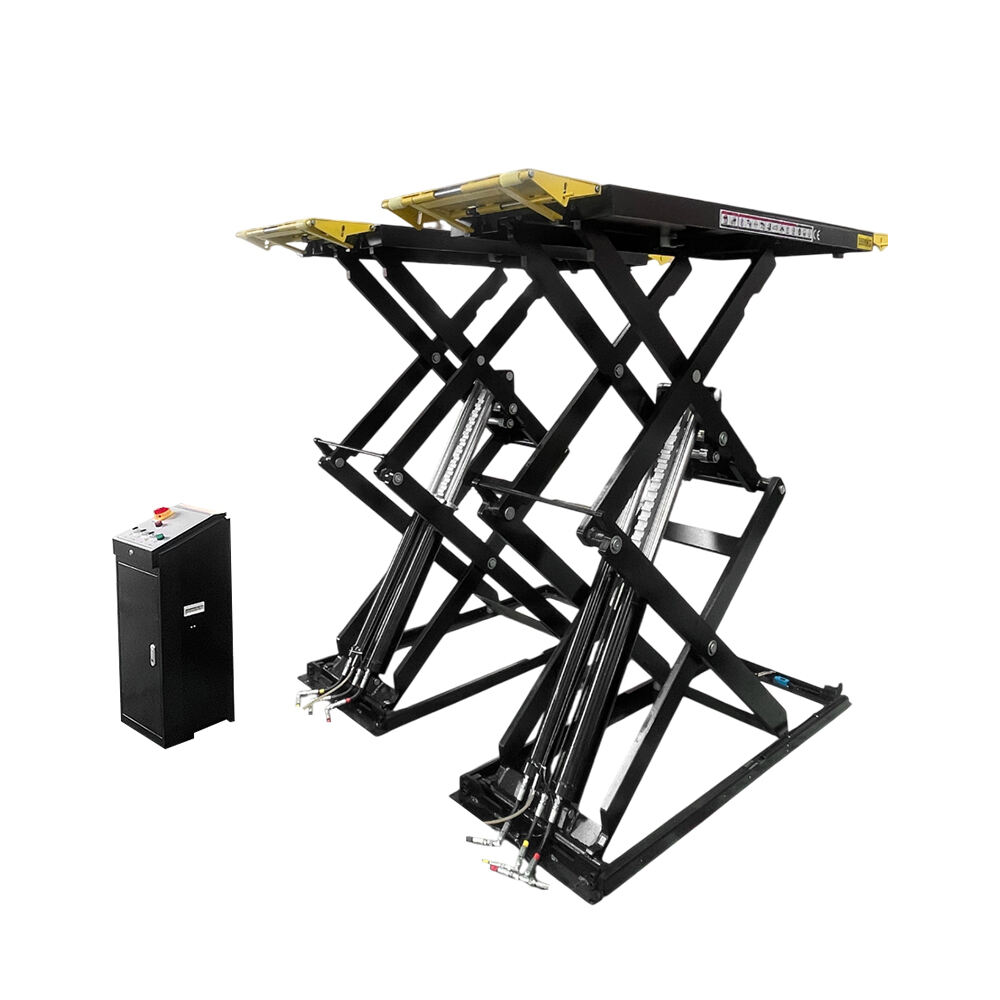
Automotive repair facilities depend on air compressor systems for operating impact wrenches, pneumatic lifts, spray guns, and tire inflation equipment. The intermittent but high-demand nature of automotive applications requires air compressor designs with adequate storage capacity and quick recovery capabilities. Professional automotive shops often utilize two-stage reciprocating compressors or rotary screw units depending on shop size and usage patterns.
Construction applications for air compressor equipment include powering jackhammers, nail guns, sandblasting equipment, and other pneumatic tools. Portable air compressor units provide flexibility for job site use, while larger stationary installations support fixed operations like concrete plants or fabrication shops. Construction environments demand rugged air compressor designs that can withstand harsh conditions while maintaining reliable operation.
Energy Efficiency and Environmental Considerations
Efficiency Optimization Strategies
Optimizing air compressor efficiency requires comprehensive system analysis including proper sizing, leak detection and repair, and right-sizing of distribution systems. Oversized air compressor installations waste energy through excessive cycling and reduced load efficiency, while undersized systems struggle to meet demand and may fail prematurely. Professional air audits help determine optimal compressor sizing and identify opportunities for efficiency improvements.
Heat recovery systems can capture waste heat from air compressor operation for space heating, process applications, or domestic hot water, improving overall energy efficiency. Some facilities achieve 50-90% heat recovery efficiency, significantly reducing total energy consumption. Advanced monitoring systems track energy consumption patterns and identify optimization opportunities for air compressor systems.
Environmental Impact and Sustainability
Modern air compressor designs emphasize environmental sustainability through improved efficiency, reduced emissions, and longer service life. Electric air compressor models produce no direct emissions and can utilize renewable energy sources, while internal combustion units meet increasingly stringent emission standards. Proper maintenance and efficient operation of air compressor systems reduce energy consumption and associated carbon emissions.
Sustainable air compressor practices include using biodegradable lubricants where appropriate, implementing leak detection programs, and recycling components at end-of-life. Some manufacturers offer remanufacturing programs that extend air compressor life cycles while reducing waste. These environmental considerations are becoming increasingly important as organizations work to reduce their carbon footprint and meet sustainability goals.
FAQ
What is the most efficient type of air compressor for continuous operation
Rotary screw air compressor units are typically most efficient for continuous operation due to their ability to run 100% duty cycle with consistent output and lower energy consumption per CFM compared to reciprocating designs. Variable speed rotary screw compressors offer the highest efficiency by automatically adjusting motor speed to match air demand, reducing energy waste during periods of lower consumption.
How often should air compressor oil be changed
Oil change intervals for air compressor systems depend on operating conditions, compressor type, and oil quality. Reciprocating air compressor units typically require oil changes every 500-1000 hours of operation, while rotary screw compressors may extend to 2000-4000 hours with synthetic lubricants. Severe operating conditions such as high temperatures, dusty environments, or continuous operation may require more frequent oil changes.
What size air compressor do I need for my application
Air compressor sizing depends on the total CFM requirements of all tools and equipment that may operate simultaneously, plus a safety margin of 25-30%. Consider both pressure requirements and volume needs, as some applications require high pressure while others need high volume flow. Professional sizing calculations should account for duty cycle, future expansion, and system losses through piping and fittings.
Why does my air compressor produce wet air
Air compressor systems naturally produce moisture because compression concentrates water vapor present in ambient air, and the heating-cooling cycle during compression causes condensation. Proper moisture removal requires aftercoolers, moisture separators, automatic drain valves, and possibly air dryers depending on application requirements. Regular maintenance of moisture removal equipment is essential for consistent dry air production.