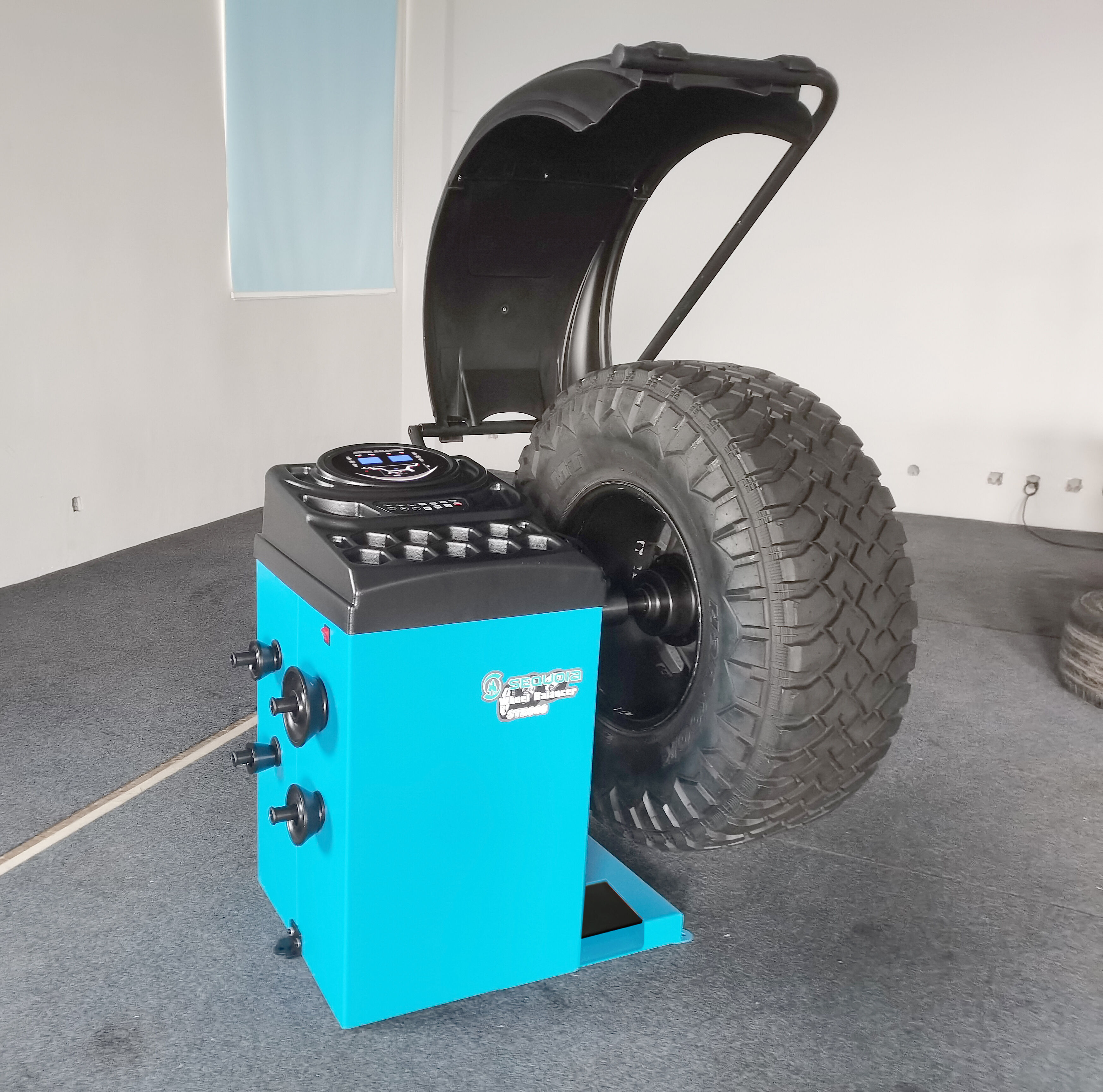
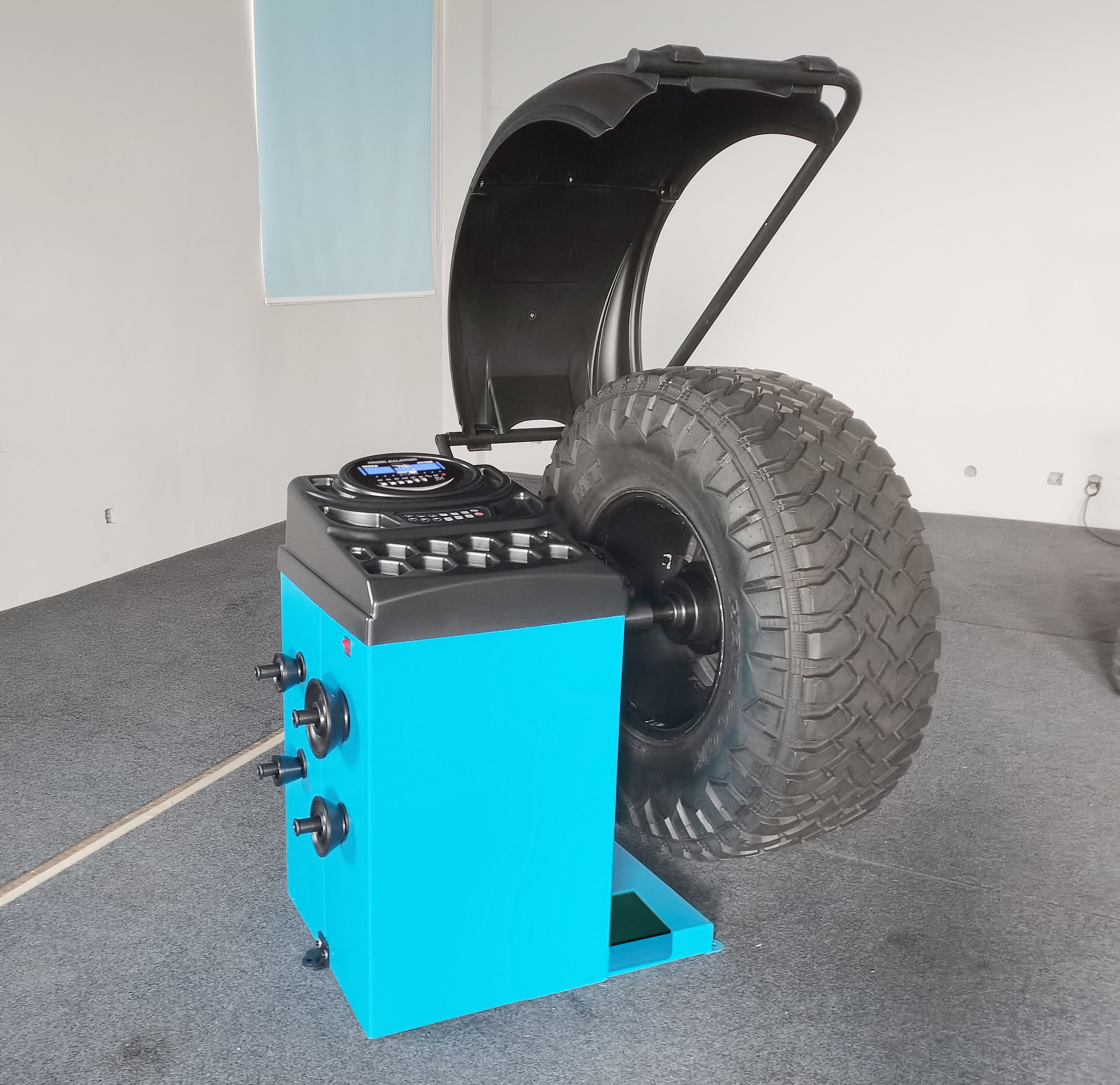
Professional Truck Wheel Balancer - Heavy Duty Commercial Vehicle Tire Balancing Equipment

Get a Free Quote

Our representative will contact you soon.
Email
Name
Company Name
Message
0/1000

truck wheel balancer

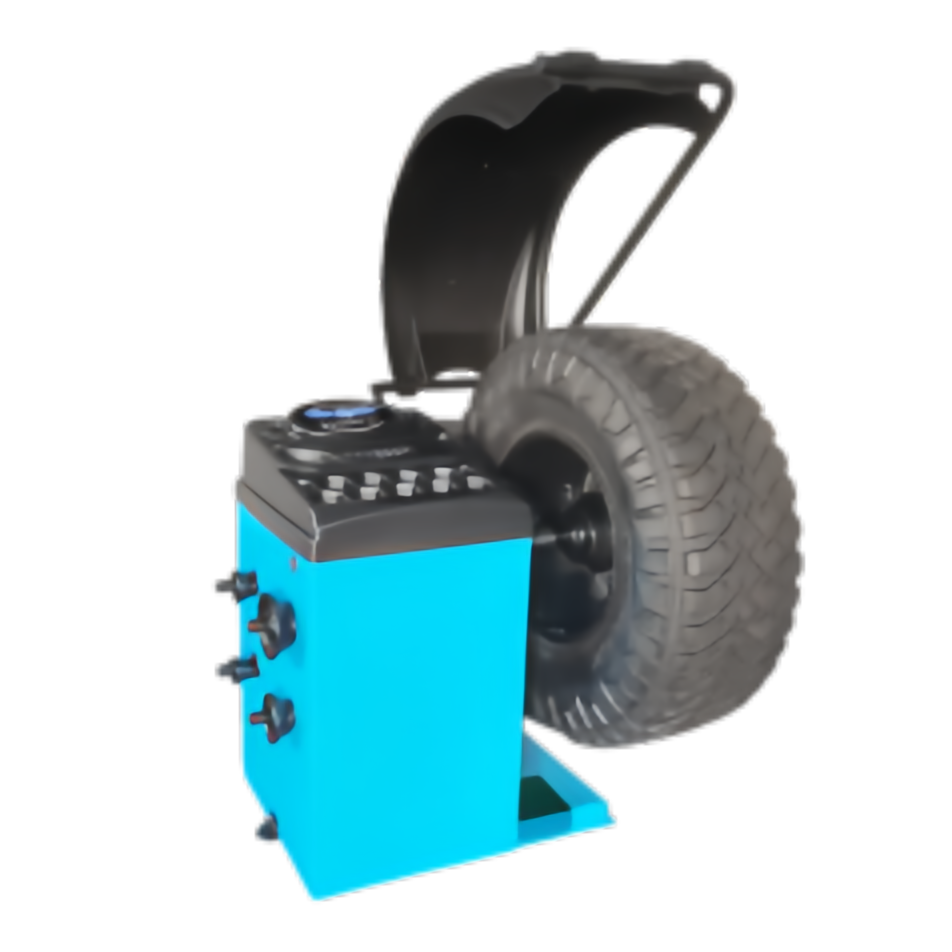
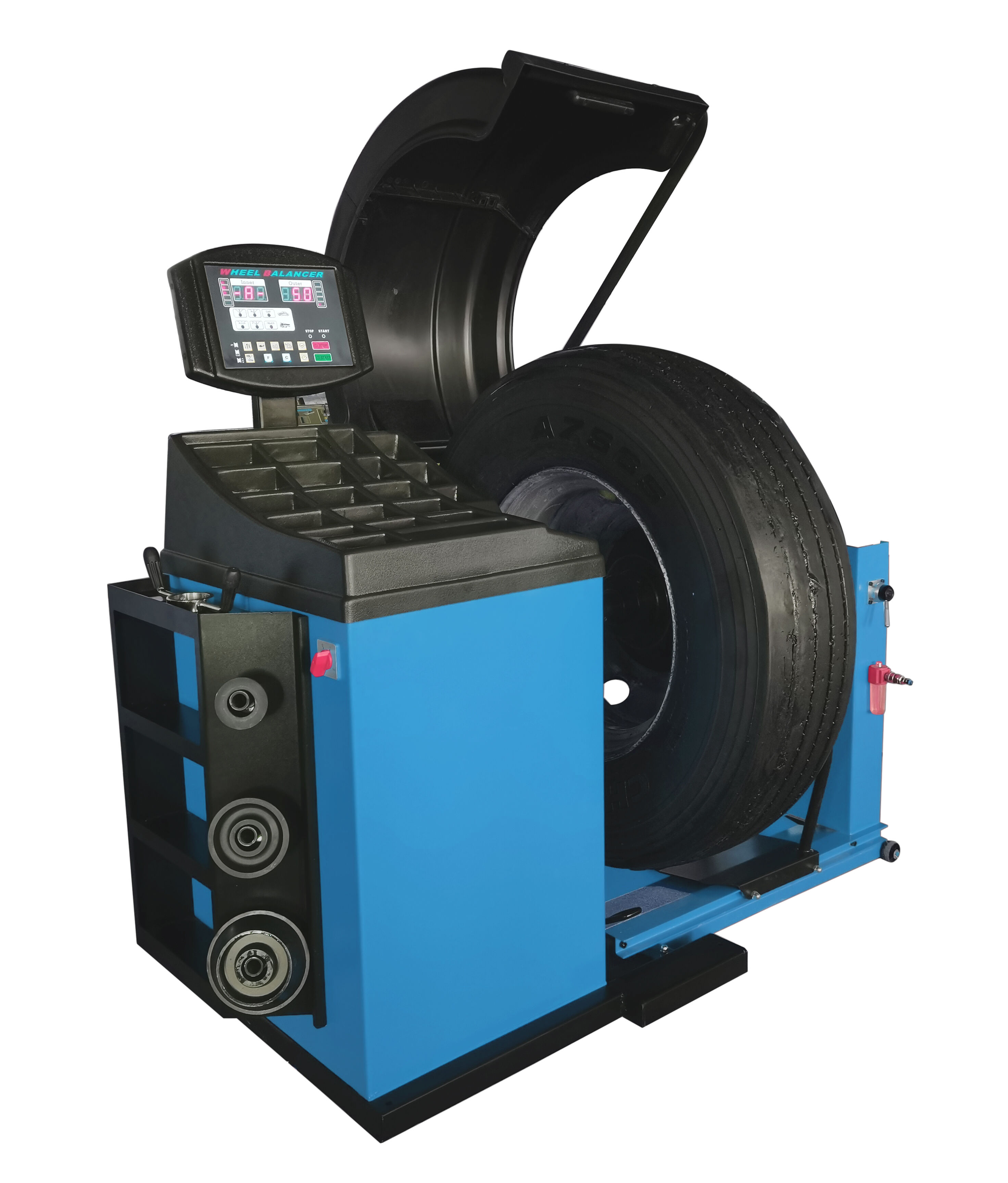
A truck wheel balancer represents an essential piece of equipment designed specifically for commercial vehicle maintenance facilities, tire shops, and fleet management operations. This sophisticated machinery addresses the critical need for precise wheel balancing in heavy-duty vehicles, ensuring optimal performance, safety, and tire longevity. The primary function of a truck wheel balancer revolves around detecting and correcting weight distribution imbalances in truck wheels and tires, which can cause vibrations, premature tire wear, and compromised vehicle stability. The equipment operates by mounting the wheel assembly onto a specialized spindle system that rotates at controlled speeds while sensors measure dynamic forces and identify imbalance points. Advanced truck wheel balancer models incorporate computerized diagnostic systems that provide detailed readouts of imbalance locations and recommend precise weight placement for correction. These machines accommodate various wheel sizes and configurations commonly found in commercial trucking, from standard dual-wheel setups to wide-base single tires. The technological features include heavy-duty construction capable of handling substantial wheel weights, precision measurement systems with digital displays, and automated balancing cycles that streamline the correction process. Modern truck wheel balancer units often integrate laser-guided weight placement systems, ensuring accuracy in correction procedures. The applications extend beyond basic balancing to include comprehensive wheel analysis, helping technicians identify potential issues such as bent rims, tire defects, or mounting problems. Professional-grade truck wheel balancer equipment serves trucking companies, independent repair shops, tire retailers, and municipal fleet operations. The machines prove invaluable for maintaining large commercial vehicle fleets where tire performance directly impacts operational efficiency and safety standards. Regular use of a truck wheel balancer helps prevent costly breakdowns, reduces fuel consumption through improved rolling resistance, and extends tire service life significantly, making it an indispensable tool for commercial vehicle maintenance operations.

New Products

The truck wheel balancer delivers substantial operational benefits that translate directly into cost savings and improved vehicle performance for commercial operations. First and foremost, this equipment dramatically reduces tire wear patterns by eliminating imbalances that cause irregular tread consumption. When wheels are properly balanced using a truck wheel balancer, tires maintain even contact with the road surface, preventing premature replacement and extending tire life by up to thirty percent. This advantage alone generates significant savings for fleet operators who manage multiple vehicles with expensive commercial tires. The truck wheel balancer also enhances fuel efficiency by reducing rolling resistance and eliminating vibrations that force engines to work harder. Properly balanced wheels create smoother vehicle operation, which translates to measurable fuel savings across fleet operations. Safety improvements represent another crucial advantage, as balanced wheels ensure better vehicle control and stability, particularly at highway speeds where imbalanced wheels can cause dangerous vibrations and handling issues. The truck wheel balancer enables preventive maintenance practices that identify potential problems before they escalate into costly repairs or safety hazards. Technicians can detect bent rims, damaged tires, or mounting issues during the balancing process, allowing for timely corrections. This proactive approach prevents roadside breakdowns and maintains vehicle uptime, which is essential for commercial operations. The equipment also reduces stress on vehicle components such as suspension systems, steering mechanisms, and bearings by eliminating harmful vibrations that cause premature wear. Operators benefit from improved driver comfort and reduced fatigue, as balanced wheels create smoother rides that enhance driver satisfaction and productivity. The truck wheel balancer streamlines maintenance workflows by providing quick, accurate results that allow technicians to process more vehicles efficiently. Modern digital displays and automated features reduce the skill level required for operation while maintaining professional-grade accuracy. The equipment pays for itself through reduced tire costs, lower fuel consumption, decreased maintenance expenses, and improved vehicle reliability. Fleet managers appreciate the detailed diagnostic information provided by advanced truck wheel balancer systems, enabling data-driven maintenance decisions and better fleet management practices.

Practical Tips

How Does an Air Compressor Work in 2025?

04

Dec

How Does an Air Compressor Work in 2025?

Understanding how an air compressor operates is essential for anyone working in manufacturing, automotive repair, construction, or home improvement projects. An air compressor is a versatile mechanical device that converts power into potential energy...
View More
Why do mechanics prefer 4 post car lifts in 2025?

05

Dec

Why do mechanics prefer 4 post car lifts in 2025?

In the rapidly evolving automotive service industry of 2025, mechanics are increasingly choosing advanced equipment that maximizes efficiency while ensuring safety. The 4 post car lift has emerged as the preferred choice for professional workshops, o...
View More
Why Is My Air Compressor Not Building Pressure?

10

Dec

Why Is My Air Compressor Not Building Pressure?

When your air compressor fails to build adequate pressure, it can bring your entire operation to a halt. This frustrating issue affects countless workshops, garages, and industrial facilities worldwide. Understanding the root causes behind pressure l...
View More
How do I install a 4 post car lift in my garage?

17

Dec

How do I install a 4 post car lift in my garage?

Installing a 4 post car lift in your garage is a significant upgrade that can transform your automotive workspace and provide convenient access for vehicle maintenance, storage, and repairs. A properly installed 4 post car lift offers substantial ben...
View More

Get a Free Quote

Our representative will contact you soon.
Email
Name
Company Name
Message
0/1000

truck wheel balancer

Precision Digital Technology for Accurate Balancing

Precision Digital Technology for Accurate Balancing

The advanced precision digital technology incorporated into modern truck wheel balancer systems represents a revolutionary leap forward in commercial vehicle maintenance capabilities. This sophisticated technology employs high-resolution sensors and computerized analysis to detect even the smallest imbalances that could compromise vehicle performance and tire longevity. The digital measurement system within the truck wheel balancer operates with exceptional accuracy, measuring dynamic forces and vibrations with precision levels that exceed manual detection methods by significant margins. The technology utilizes accelerometers and force sensors strategically positioned to capture comprehensive data about wheel rotation dynamics, providing technicians with detailed information about imbalance magnitude and location. The computerized analysis system processes this data in real-time, generating precise recommendations for corrective weight placement that ensure optimal balance restoration. The digital display interface presents information in user-friendly formats, showing imbalance readings, weight requirements, and placement positions with clear visual indicators that eliminate guesswork from the balancing process. This precision technology enables technicians to achieve consistently accurate results regardless of their experience level, standardizing quality across different operators and service locations. The truck wheel balancer digital system also provides diagnostic capabilities that extend beyond basic balancing, identifying issues such as rim runout, tire irregularities, and mounting problems that could affect vehicle performance. The technology includes memory functions that store balancing profiles for different wheel types and sizes, streamlining repetitive operations and ensuring consistent procedures across multiple service events. Advanced models feature connectivity options that allow integration with fleet management systems, providing valuable data for maintenance scheduling and performance tracking. The precision digital technology significantly reduces balancing time while improving accuracy, enabling service facilities to process more vehicles efficiently while maintaining superior quality standards. This technological advancement transforms the truck wheel balancer from a simple balancing tool into a comprehensive diagnostic platform that enhances overall maintenance capabilities and delivers measurable improvements in fleet performance and operational efficiency.
Heavy-Duty Construction for Commercial Vehicle Requirements

Heavy-Duty Construction for Commercial Vehicle Requirements

The robust heavy-duty construction of professional truck wheel balancer equipment specifically addresses the demanding requirements of commercial vehicle maintenance operations, where equipment must withstand intensive daily use while handling substantial wheel assemblies. This construction philosophy prioritizes durability and reliability through the implementation of reinforced steel frameworks, precision-engineered components, and industrial-grade materials designed to maintain accuracy under continuous operation. The truck wheel balancer foundation incorporates substantial weight and rigid construction to minimize vibrations and ensure stable operation even when processing the largest commercial wheel assemblies. The spindle system represents a critical component where heavy-duty construction proves essential, utilizing hardened steel shafts supported by precision bearings capable of handling significant radial and axial loads without compromising measurement accuracy. The drive system employs powerful motors and reinforced transmission components designed to rotate heavy wheel assemblies smoothly and consistently, regardless of wheel size or weight variations. The frame construction utilizes thick-gauge steel members welded and machined to precise tolerances, creating a platform that maintains dimensional stability under the stress of repeated loading and operation. The truck wheel balancer housing protects sensitive electronic components through ruggedized enclosures that resist environmental factors such as dust, moisture, and temperature variations commonly encountered in automotive service environments. The control systems incorporate industrial-grade electronics designed for extended operational life under demanding conditions, featuring components rated for continuous duty cycles and extreme temperature ranges. Safety features integrated into the heavy-duty construction include emergency stops, protective guards, and fail-safe mechanisms that protect operators and equipment during operation. The construction quality ensures minimal maintenance requirements while providing consistent performance over extended service life, making the truck wheel balancer a reliable long-term investment for commercial operations. The heavy-duty design accommodates future expansion and upgrades, allowing facilities to adapt equipment capabilities as operational needs evolve. This construction approach delivers exceptional value through reduced downtime, lower maintenance costs, and consistent performance that maintains productivity standards essential for successful commercial vehicle maintenance operations.
Versatile Applications Across Commercial Vehicle Types

Versatile Applications Across Commercial Vehicle Types

The exceptional versatility of modern truck wheel balancer systems enables comprehensive service capabilities across the diverse spectrum of commercial vehicle types, from light-duty delivery trucks to heavy-duty long-haul tractors and specialized equipment. This adaptability represents a crucial advantage for service facilities that must accommodate varying customer needs while maximizing equipment utilization and return on investment. The truck wheel balancer design incorporates adjustable components and flexible mounting systems that accommodate different wheel sizes, bolt patterns, and assembly configurations commonly found throughout the commercial vehicle industry. The equipment handles standard dual-wheel configurations typical of commercial trucks, wide-base single tire setups increasingly popular for fuel efficiency, and specialized wheel assemblies used on construction equipment, agricultural machinery, and municipal vehicles. The versatile chuck and adapter systems enable quick changeovers between different wheel types without requiring extensive setup procedures or specialized tools, maintaining productivity while ensuring proper fit and safety for each application. The truck wheel balancer accommodates weight ranges from smaller commercial van wheels to massive earth-moving equipment assemblies, providing consistent accuracy across the entire spectrum of commercial applications. The software systems incorporate multiple balancing modes optimized for different vehicle types and operational requirements, including static balancing for certain applications and dynamic balancing for high-speed highway operations. The equipment serves diverse market segments including independent repair shops, dealership service departments, fleet maintenance facilities, tire retailers, and specialized commercial vehicle service centers. The versatility extends to diagnostic capabilities that identify vehicle-specific issues such as brake drum irregularities, hub problems, and tire construction defects that vary between different commercial vehicle applications. The truck wheel balancer accommodates both new tire mounting operations and maintenance balancing of existing installations, providing complete service capabilities for commercial vehicle operators. The equipment integrates seamlessly with other tire service equipment, creating comprehensive service stations capable of handling complete wheel and tire services for commercial customers. This versatility enables service facilities to diversify their customer base and service offerings while maintaining consistent quality standards across all applications, maximizing revenue potential and establishing competitive advantages in the commercial vehicle service market through comprehensive capabilities that meet varied customer needs efficiently.

Get a Free Quote

Our representative will contact you soon.
Email
Name
Company Name
Message
0/1000