Professional Dynamic Wheel Balancer - Advanced Automotive Balancing Equipment for Optimal Performance

Get a Free Quote

Our representative will contact you soon.
Email
Name
Company Name
Message
0/1000

dynamic wheel balancer

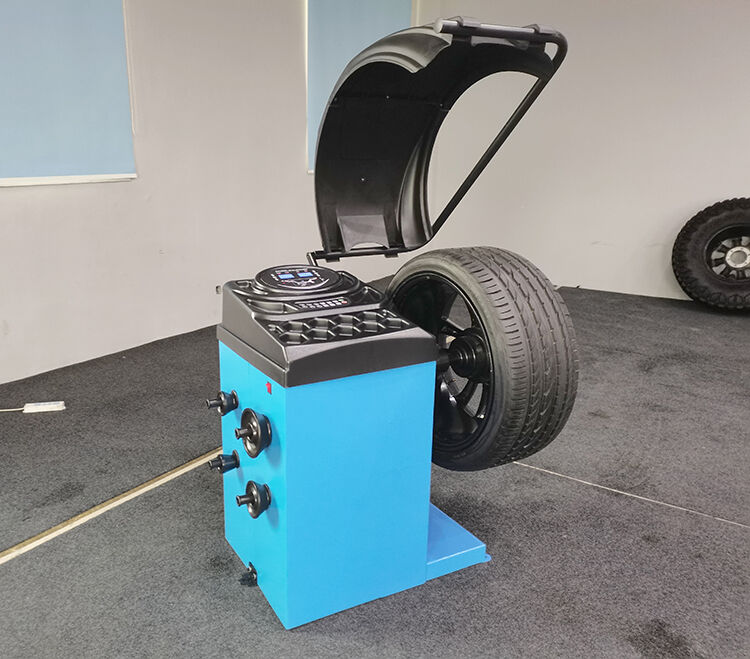
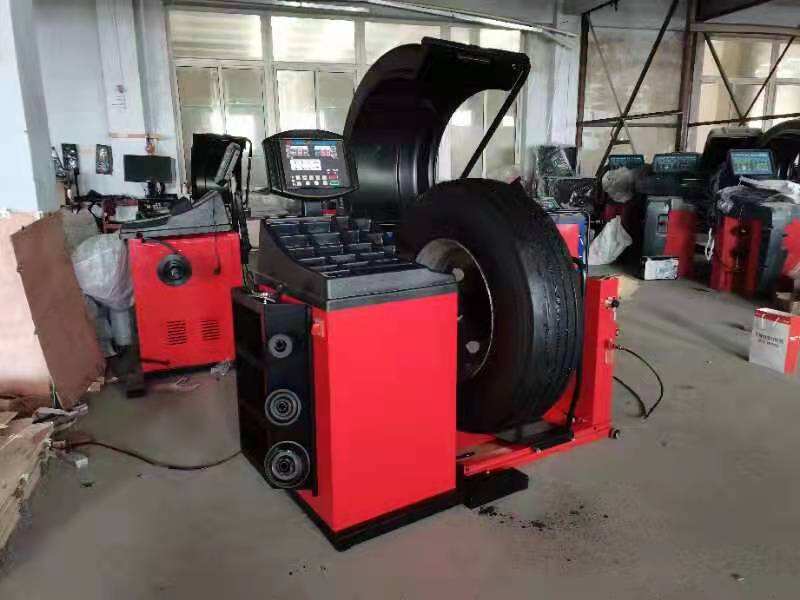
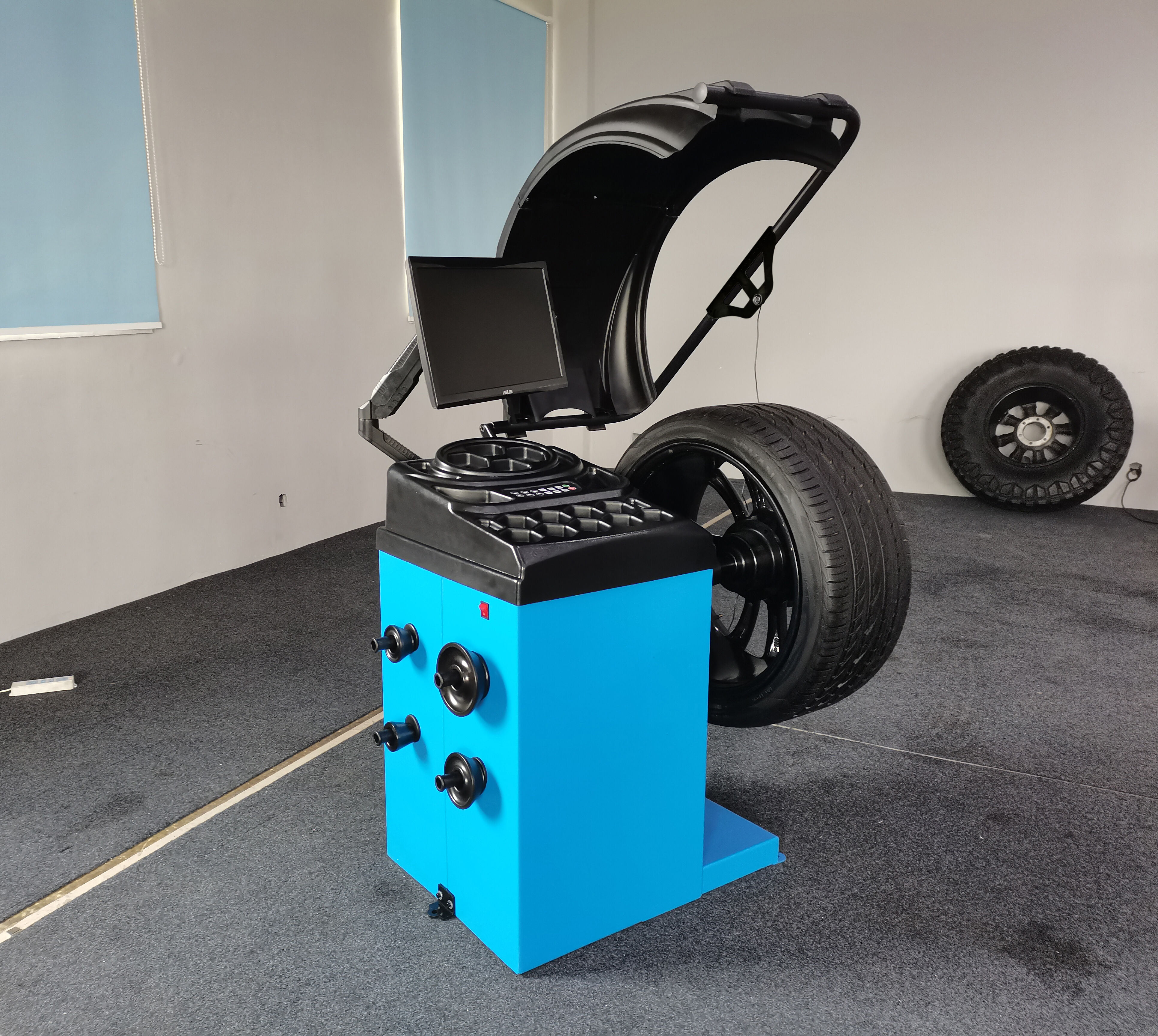
A dynamic wheel balancer represents cutting-edge automotive technology designed to identify and correct wheel imbalances that can cause vibration, uneven tire wear, and reduced vehicle performance. This sophisticated equipment utilizes advanced sensor systems and computer algorithms to detect even the smallest weight discrepancies in rotating wheels and tires. The primary function of a dynamic wheel balancer involves spinning the wheel assembly at controlled speeds while measuring vibrations and forces generated by any imbalance. The system then calculates the precise location and amount of corrective weight needed to achieve optimal balance. Modern dynamic wheel balancers incorporate high-resolution sensors that can detect imbalances as small as one gram, ensuring exceptional accuracy in wheel balancing procedures. These machines feature user-friendly interfaces with digital displays that provide technicians with clear, precise measurements and weight placement instructions. The technological foundation of dynamic wheel balancing relies on principles of centrifugal force and harmonic analysis, where sensors measure both static and dynamic forces acting on the rotating assembly. Advanced models include automatic data input systems that can determine wheel dimensions and specifications through laser measurement or manual input options. Many units feature self-calibration capabilities that maintain accuracy over time and compensate for environmental factors. The balancing process typically involves mounting the wheel assembly on the machine spindle, entering wheel specifications, and initiating a spin cycle that lasts approximately 10-15 seconds. During this cycle, the dynamic wheel balancer collects thousands of data points to create a comprehensive imbalance profile. Applications for dynamic wheel balancers span across automotive service centers, tire shops, commercial vehicle maintenance facilities, and high-performance racing teams where precision wheel balancing is critical for optimal vehicle operation and safety.

Popular Products

Dynamic wheel balancers deliver substantial benefits that directly impact vehicle performance, safety, and operating costs for automotive service providers and vehicle owners. These machines significantly reduce tire wear by eliminating imbalances that cause irregular tread patterns and premature replacement needs. Proper wheel balancing extends tire life by up to 40 percent, translating into considerable cost savings over time. Vehicle comfort improves dramatically when wheels are properly balanced, as the dynamic wheel balancer eliminates vibrations that can make driving unpleasant and fatiguing. Smooth operation reduces stress on suspension components, steering systems, and wheel bearings, preventing costly repairs and extending component lifespan. Fuel efficiency increases when wheels operate in perfect balance because the engine does not need to overcome vibration-induced resistance and irregular rolling patterns. Service providers benefit from increased customer satisfaction and repeat business when they deliver superior balancing results using professional-grade equipment. The speed and accuracy of modern dynamic wheel balancers enable technicians to complete balancing procedures quickly, increasing shop productivity and throughput. Advanced diagnostic capabilities help identify problems beyond simple imbalance, such as bent rims, tire defects, or suspension issues that might otherwise go undetected. Investment in quality dynamic wheel balancing equipment pays dividends through reduced comebacks, improved service quality, and enhanced reputation in the competitive automotive service market. These machines handle various wheel sizes and types, from passenger car wheels to light truck and motorcycle applications, providing versatility for diverse service operations. Precise measurements and consistent results build customer confidence and trust in service quality. Automated features reduce operator error and ensure consistent balancing standards across different technicians and service sessions. The long-term reliability of properly balanced wheels reduces warranty claims and customer complaints related to vibration, noise, and premature wear issues.

Tips And Tricks

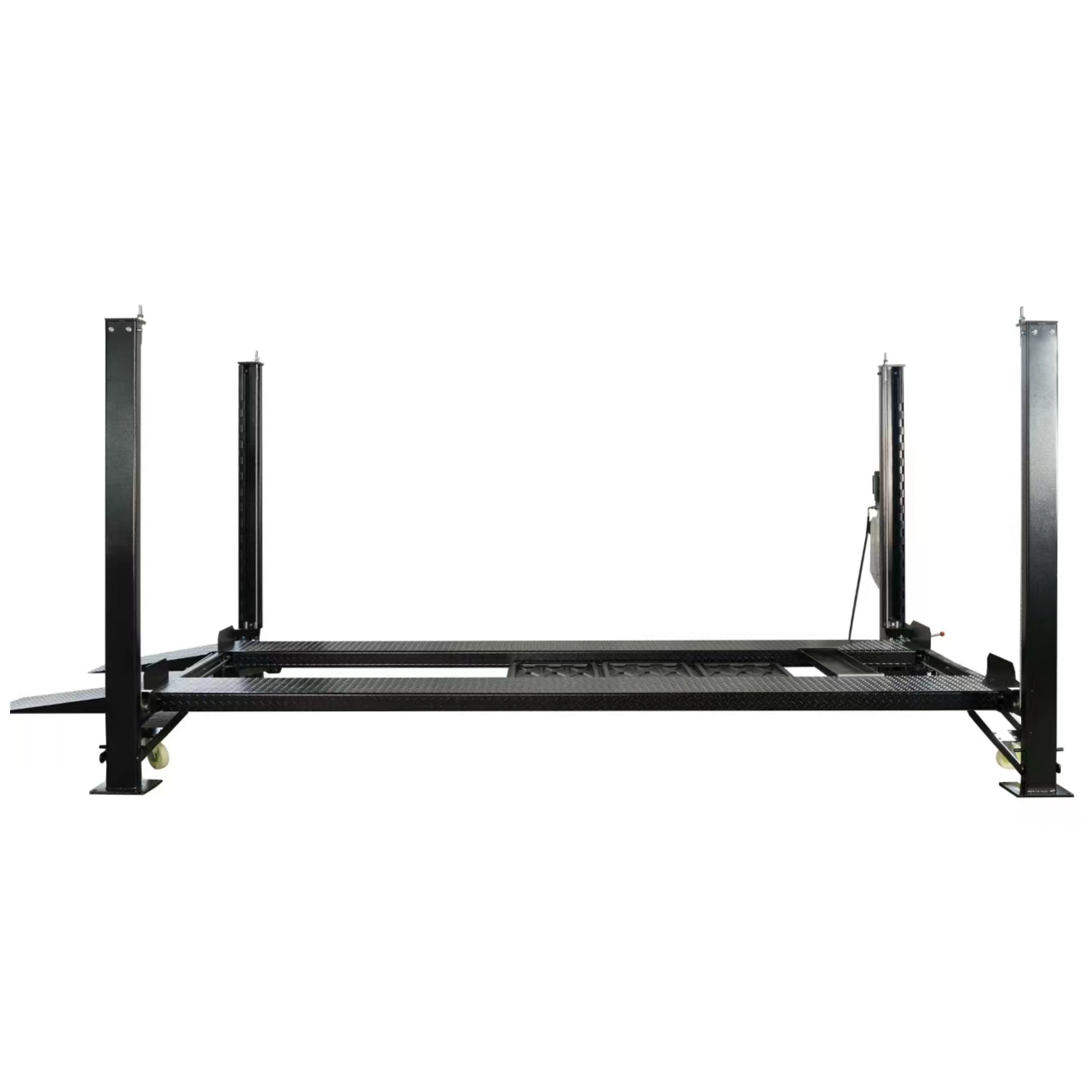
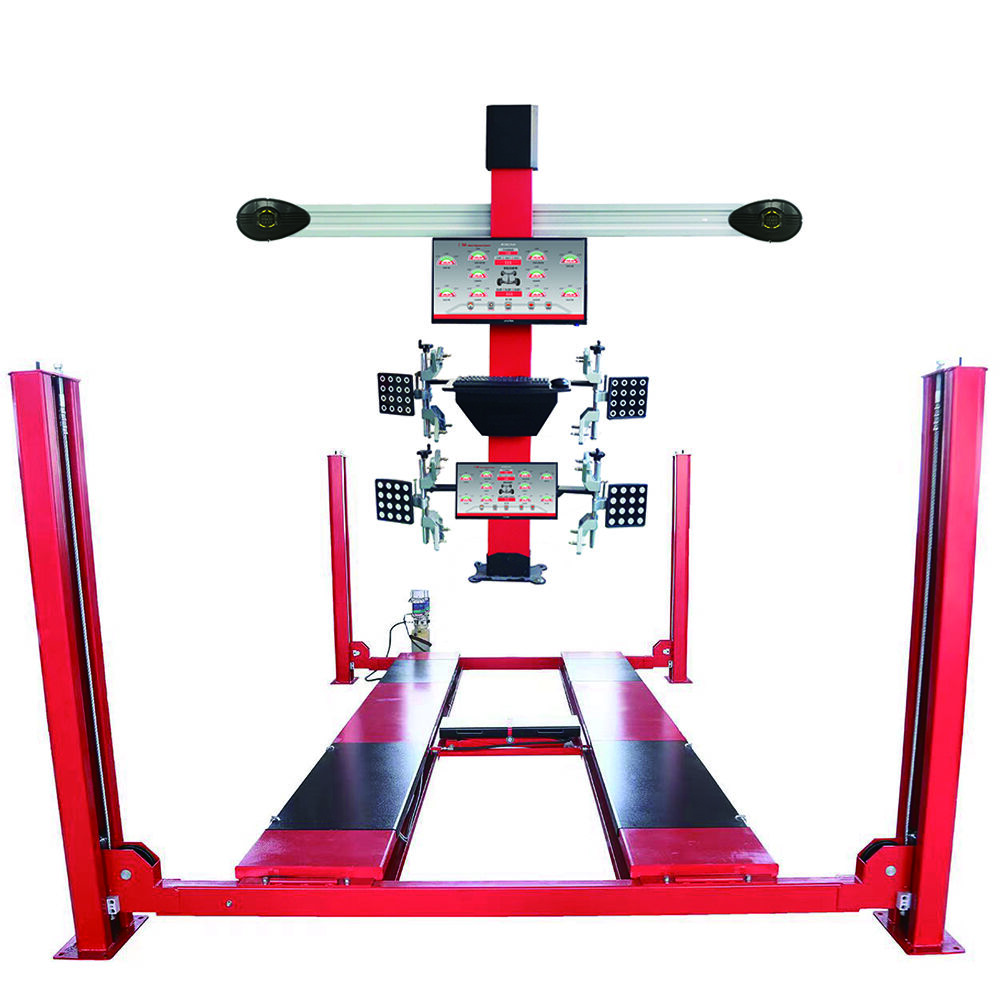
What is a 4 post car lift and how does it work?

03

Dec

What is a 4 post car lift and how does it work?

A 4 post car lift represents one of the most versatile and widely adopted lifting solutions in automotive service facilities, home garages, and commercial workshops worldwide. Unlike traditional hydraulic jacks or scissor lifts, this mechanical marve...
View More
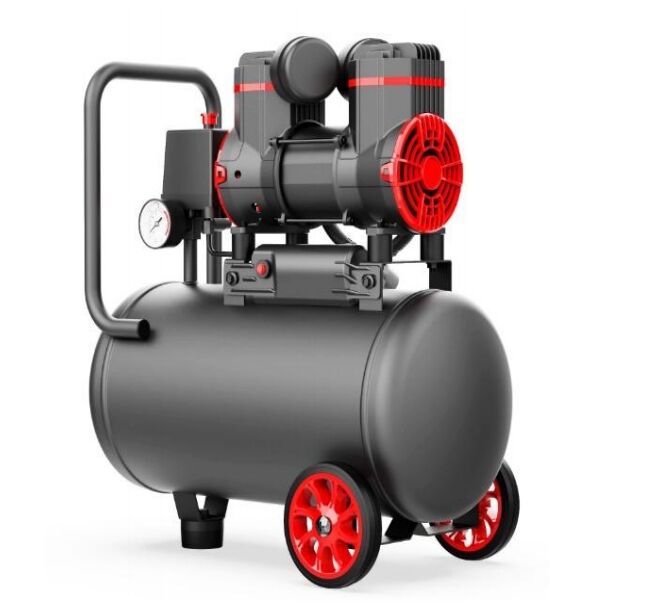
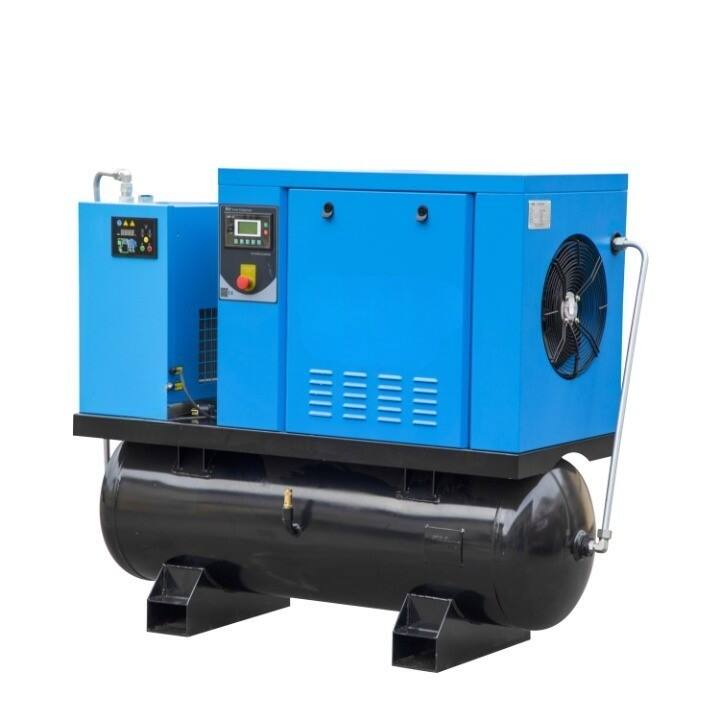
How Does an Air Compressor Work in 2025?

04

Dec

How Does an Air Compressor Work in 2025?

Understanding how an air compressor operates is essential for anyone working in manufacturing, automotive repair, construction, or home improvement projects. An air compressor is a versatile mechanical device that converts power into potential energy...
View More
Why do mechanics prefer 4 post car lifts in 2025?

05

Dec

Why do mechanics prefer 4 post car lifts in 2025?

In the rapidly evolving automotive service industry of 2025, mechanics are increasingly choosing advanced equipment that maximizes efficiency while ensuring safety. The 4 post car lift has emerged as the preferred choice for professional workshops, o...
View More
Why Is My Air Compressor Not Building Pressure?

10

Dec

Why Is My Air Compressor Not Building Pressure?

When your air compressor fails to build adequate pressure, it can bring your entire operation to a halt. This frustrating issue affects countless workshops, garages, and industrial facilities worldwide. Understanding the root causes behind pressure l...
View More

Get a Free Quote

Our representative will contact you soon.
Email
Name
Company Name
Message
0/1000

dynamic wheel balancer

Advanced Sensor Technology and Precision Measurement

Advanced Sensor Technology and Precision Measurement

The cornerstone of exceptional dynamic wheel balancer performance lies in sophisticated sensor technology that delivers unmatched precision and reliability. Modern dynamic wheel balancers incorporate multiple high-resolution sensors strategically positioned to capture comprehensive data during the balancing process. These sensors utilize piezoelectric technology or strain gauge systems to detect minute vibrations and forces generated by wheel imbalances. The sensitivity of these sensors allows detection of imbalances as small as 0.1 ounces, ensuring that even the slightest discrepancies are identified and corrected. Advanced signal processing algorithms filter out external noise and environmental interference, providing clean, accurate measurements that technicians can rely on for consistent results. The sensor array works in conjunction with sophisticated computer processors that analyze data in real-time, calculating optimal weight placement with mathematical precision. This technology eliminates guesswork and reduces the likelihood of human error in the balancing process. High-quality sensors maintain their accuracy over extended periods, providing reliable service even in demanding shop environments. Temperature compensation features ensure consistent performance across varying operating conditions, while built-in calibration systems maintain measurement integrity over time. The precision measurement capability extends beyond basic imbalance detection to identify specific wheel and tire conditions that may affect performance. Sensors can distinguish between different types of imbalances, including static imbalance that causes wheel hop and dynamic imbalance that creates steering wheel vibration. This detailed analysis enables technicians to address root causes rather than merely treating symptoms. Professional-grade dynamic wheel balancers often feature multiple measurement modes, allowing optimization for different applications such as passenger vehicles, light trucks, or performance applications where exceptional precision is required.
User-Friendly Interface and Automated Operations

User-Friendly Interface and Automated Operations

Contemporary dynamic wheel balancers excel in combining advanced technology with intuitive operation through sophisticated user interfaces that streamline the balancing process. Large, high-resolution LCD displays present information clearly and logically, guiding technicians through each step of the balancing procedure with visual cues and detailed instructions. Touch-screen interfaces respond quickly to input commands and provide immediate feedback, reducing training time and minimizing operator errors. Automated wheel measurement systems utilize laser technology or sonar sensors to determine wheel dimensions accurately, eliminating manual measurement errors and speeding up the setup process. These systems can automatically detect wheel diameter, width, and offset parameters, reducing setup time from minutes to seconds while ensuring accuracy. Pre-programmed balancing modes accommodate various wheel types and applications, from standard passenger car wheels to specialized motorcycle or alloy wheel applications. Smart diagnostic features provide troubleshooting assistance when unusual readings occur, helping technicians identify potential issues with wheels, tires, or the balancer itself. Multilingual support enables operation in diverse service environments, while customizable settings allow shops to tailor the interface to their specific needs and preferences. Automatic data storage capabilities maintain records of previous balancing sessions, enabling tracking of wheel performance over time and identifying recurring issues. Integration capabilities allow connection to shop management systems for seamless workflow integration and customer record keeping. The combination of automation and user-friendly design reduces the learning curve for new technicians while enabling experienced operators to work more efficiently. Quick-release wheel mounting systems facilitate faster wheel changes, while safety features protect both operators and equipment during operation. These interface innovations transform wheel balancing from a complex technical procedure into a streamlined, efficient process that delivers consistent results regardless of operator experience level.

Versatility and Comprehensive Application Range

Versatility and Comprehensive Application Range

Dynamic wheel balancers demonstrate remarkable versatility in accommodating diverse wheel sizes, types, and applications across the automotive spectrum. Professional-grade balancers handle wheel diameters ranging from small motorcycle wheels measuring 10 inches to large commercial vehicle wheels exceeding 24 inches in diameter. Adjustable mounting systems accommodate various bolt patterns, center bore sizes, and wheel configurations without requiring extensive setup changes or additional accessories. Advanced clamping mechanisms secure wheels safely while providing easy mounting and removal procedures that minimize handling time. Weight range capabilities extend from delicate motorcycle wheels requiring minimal correction to heavy truck wheels that may need substantial weight additions for proper balance. Specialized modes optimize balancing procedures for different applications, including standard road wheels, performance racing wheels, run-flat tires, and specialized commercial applications. The dynamic wheel balancer adapts to various tire constructions, from conventional bias-ply tires to modern radial designs and ultra-low profile performance tires that require precise balancing techniques. Compatibility extends to different wheel materials, including steel, aluminum alloy, and specialized composite wheels used in racing applications. Some models feature specialized programs for balancing wheels with tire pressure monitoring sensors, accounting for the additional weight and positioning of these electronic components. Multi-mode operation allows selection between dynamic balancing for general applications and static balancing for specialized requirements such as narrow motorcycle wheels or vintage vehicle applications. The ability to handle both passenger and commercial applications makes these machines valuable investments for full-service automotive facilities. Calibration options ensure optimal performance across the entire range of supported wheel sizes, maintaining accuracy regardless of the specific application. This comprehensive versatility eliminates the need for multiple specialized balancing machines, reducing equipment costs and shop floor space requirements while providing complete wheel balancing capabilities for virtually any automotive application that enters the service bay.

Get a Free Quote

Our representative will contact you soon.
Email
Name
Company Name
Message
0/1000