Versatile Applications Across Vehicle Types
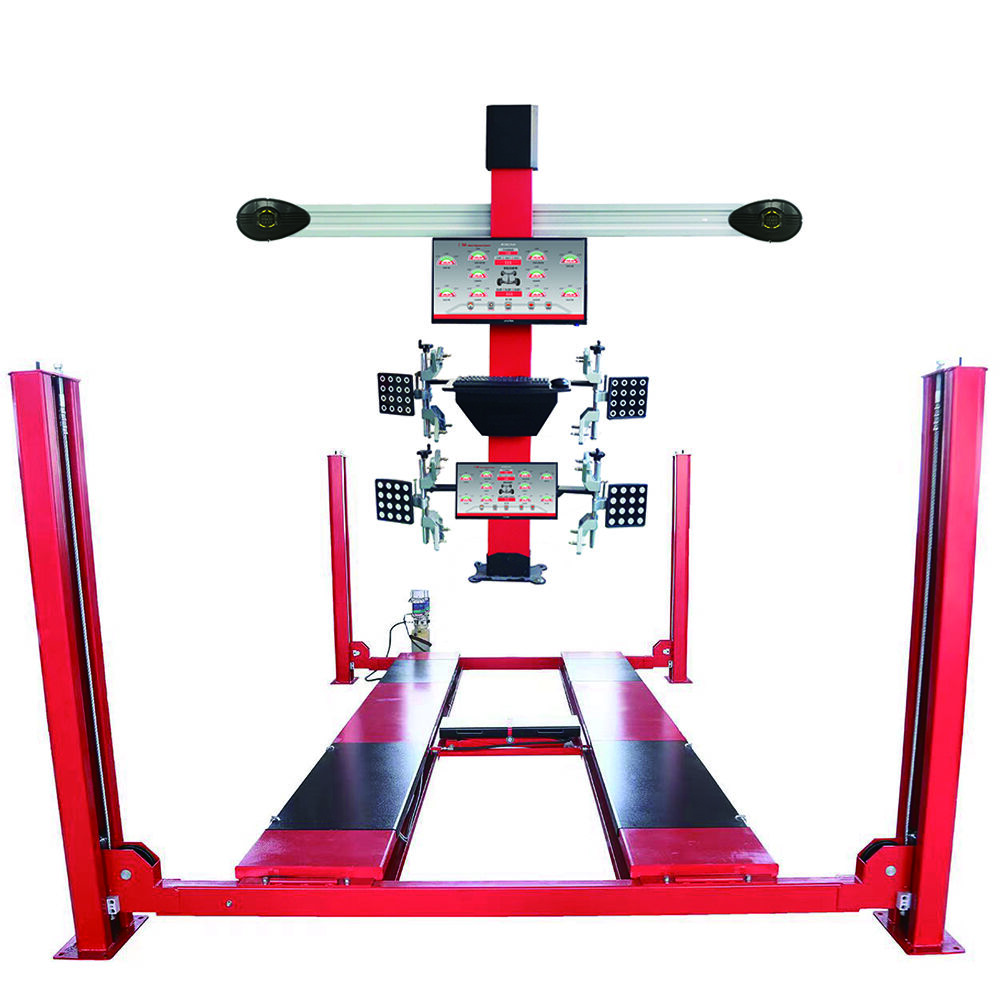
Wheel alignment calibration technology demonstrates remarkable versatility through its applications across diverse vehicle categories, from compact passenger cars to heavy-duty commercial trucks and specialized equipment. This adaptability ensures that virtually any wheeled vehicle can benefit from professional alignment services, regardless of size, configuration, or intended use. Passenger vehicle applications of wheel alignment calibration address the daily driving needs of millions of consumers, optimizing comfort, safety, and economic operation for families and commuters. The technology scales effectively to accommodate different wheel sizes, suspension designs, and vehicle weights without compromising measurement accuracy or adjustment precision. Commercial fleet applications represent a significant market for wheel alignment calibration services, where the financial impact of proper alignment multiplies across dozens or hundreds of vehicles. Fleet managers recognize that systematic wheel alignment calibration programs reduce operational costs through decreased tire replacement frequency, improved fuel efficiency, and reduced maintenance requirements. Specialized vehicle applications include emergency services, recreational vehicles, and performance automobiles that demand precise handling characteristics for optimal operation. Racing applications push wheel alignment calibration technology to its limits, where minute adjustments can determine competitive success and vehicle performance advantages. Agricultural and construction equipment benefit from wheel alignment calibration services that ensure optimal ground contact and operational efficiency in demanding work environments. The technology accommodates various suspension configurations, including independent front suspension, solid axles, air suspension systems, and adjustable performance setups. Service providers can utilize wheel alignment calibration equipment to address unique alignment challenges presented by modified vehicles, lifted trucks, and lowered performance cars. The versatility extends to diagnostic applications, where wheel alignment calibration systems help identify suspension damage, worn components, and structural issues that affect vehicle safety and performance. This broad applicability ensures that wheel alignment calibration services remain relevant across automotive market segments and vehicle categories, providing consistent value regardless of application.
 EN
EN