Comprehensive Safety Integration and User Protection
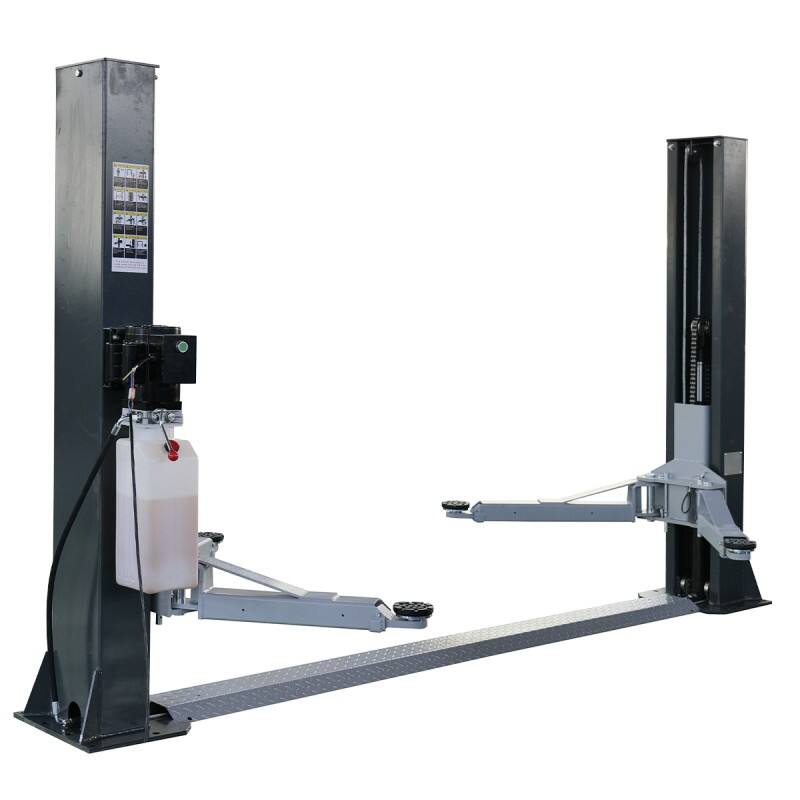
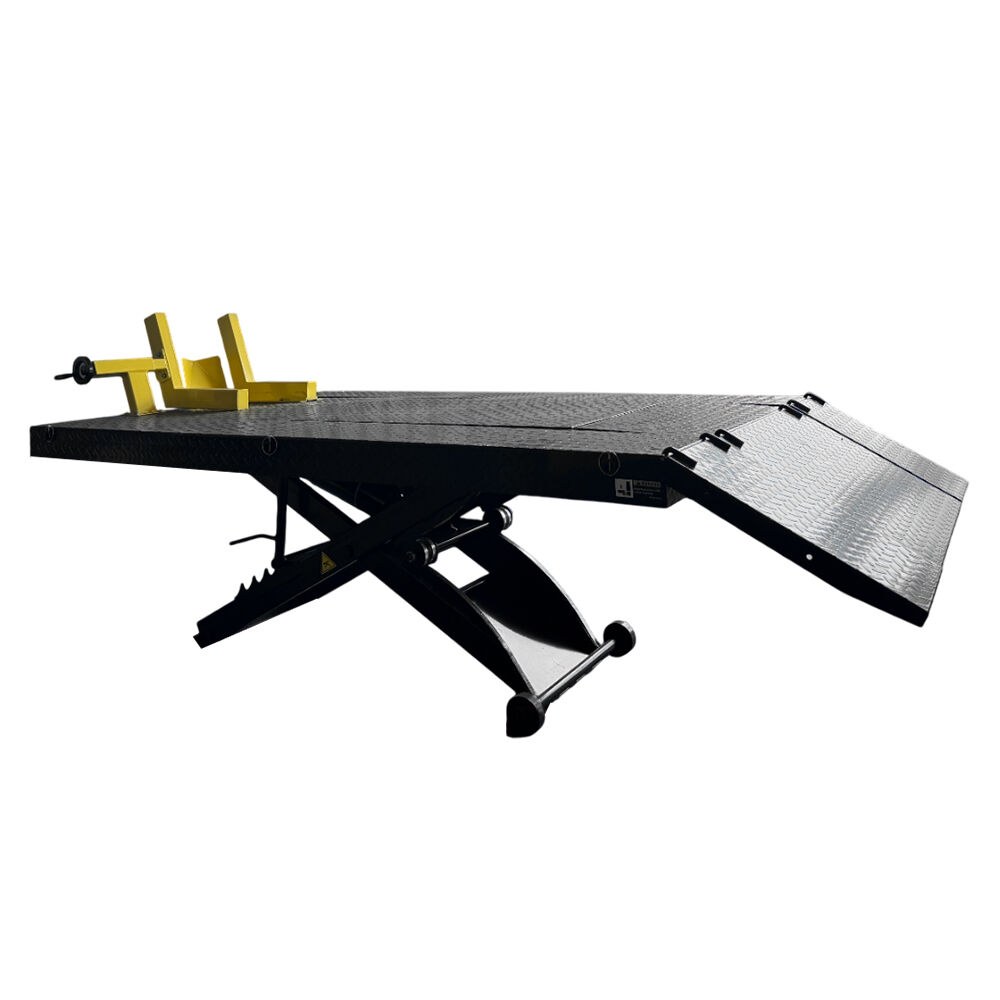
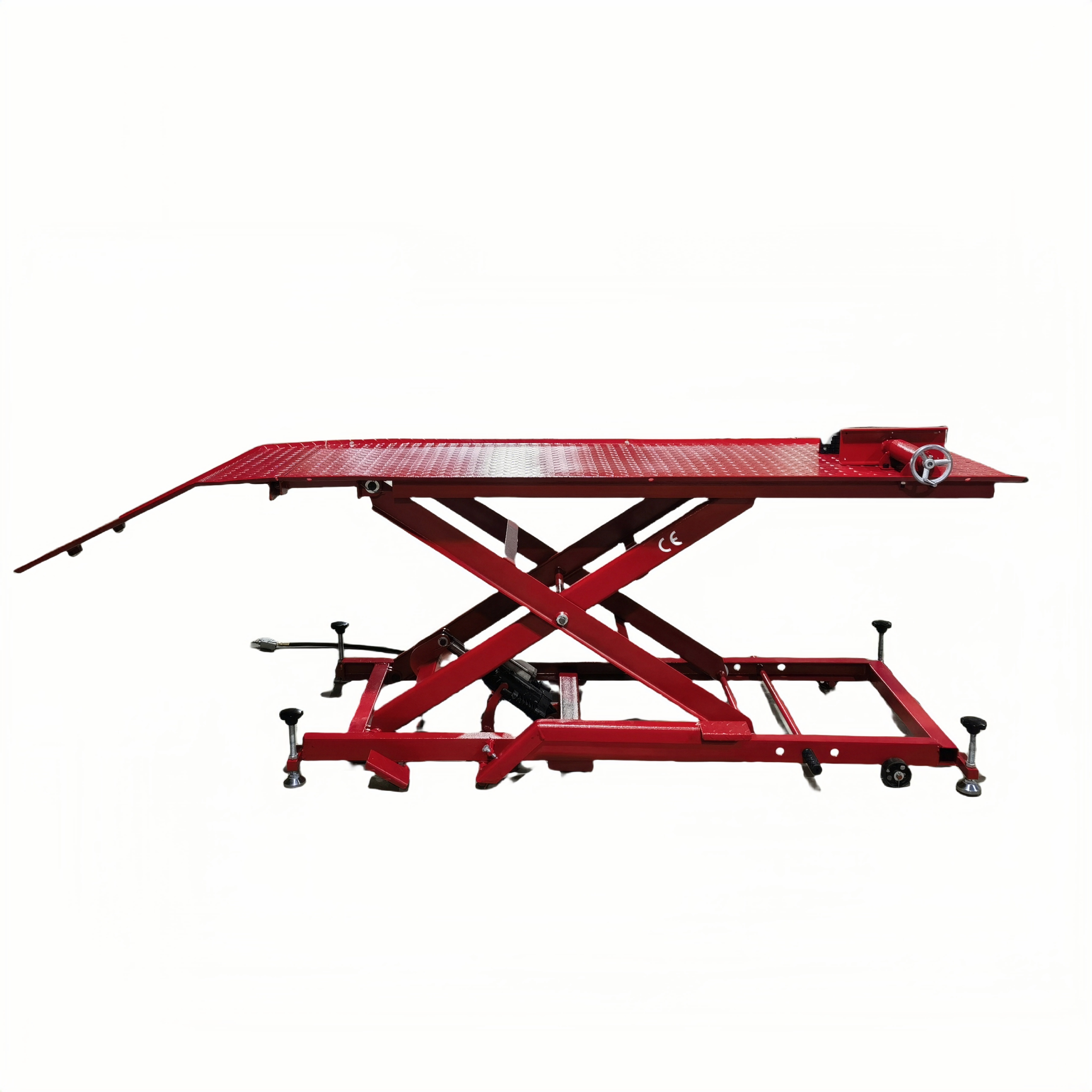
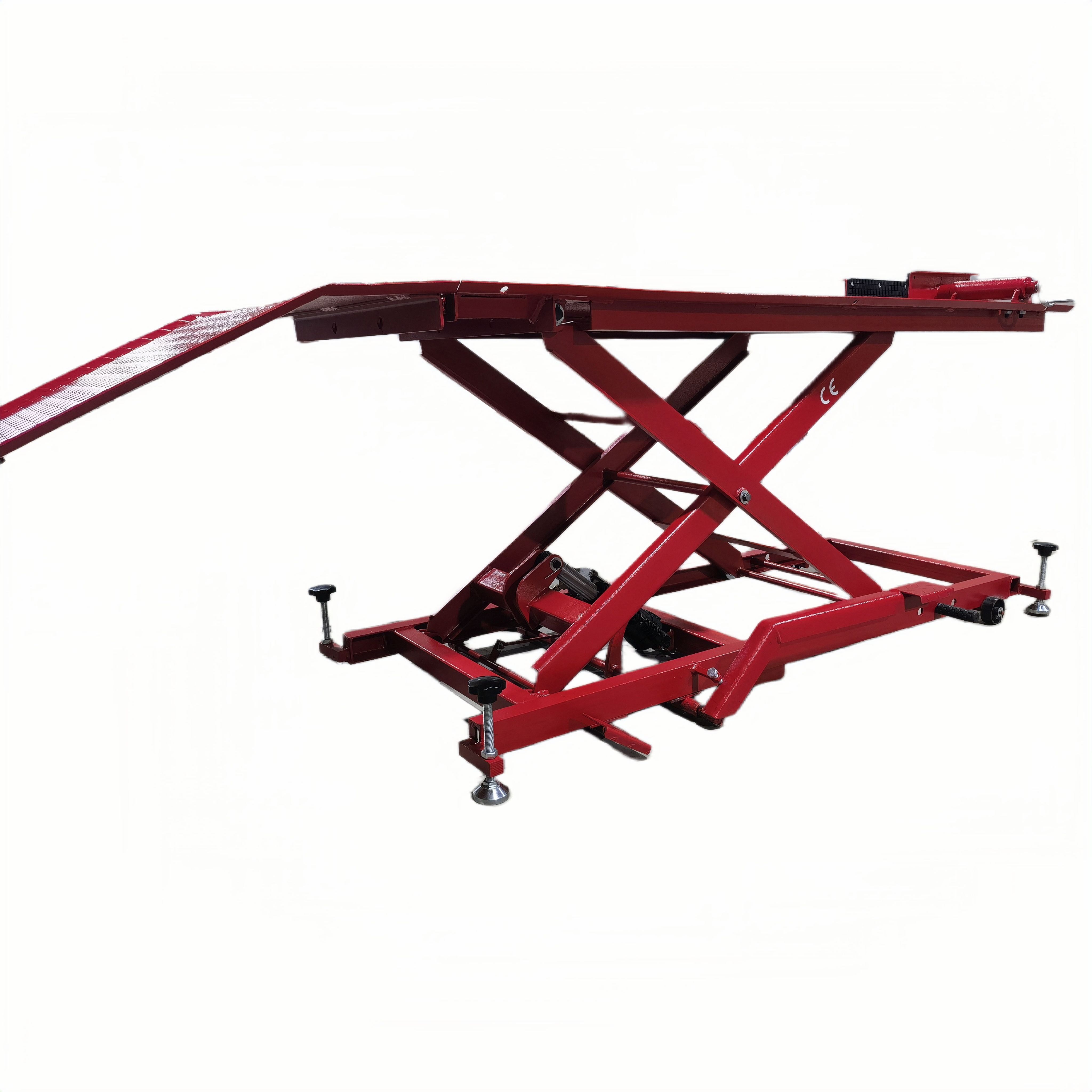
Safety integration represents the paramount concern in electric motorcycle lift design, with comprehensive protection systems that safeguard both operators and valuable motorcycle assets throughout every aspect of operation. Modern electric motorcycle lifts incorporate multi-layered safety architectures that include mechanical, electrical, and software-based protection mechanisms working in concert to prevent accidents, injuries, and equipment damage. The mechanical safety systems feature redundant load-bearing components, emergency mechanical locks that engage automatically in case of power failure, and robust structural designs that exceed industry safety standards by significant margins. Electrical safety integration includes ground fault protection, overload detection, emergency stop circuits, and fail-safe control systems that default to safe conditions when irregularities are detected. Advanced electric motorcycle lifts utilize sophisticated sensor arrays that continuously monitor platform position, load distribution, motorcycle stability, and operator presence, automatically halting operation when unsafe conditions are detected. The safety integration extends to operator protection through intuitive control interfaces that prevent accidental activation, clearly marked emergency stops positioned within easy reach, and comprehensive safety interlocks that require deliberate operator actions to initiate lifting operations. User protection encompasses ergonomic design elements that minimize physical strain, anti-slip surfaces on platforms and walkways, and protective barriers that prevent contact with moving components during operation. Professional-grade electric motorcycle lifts incorporate audible and visual warning systems that alert operators to potential hazards, ongoing operations, and system status changes, enhancing situational awareness in busy workshop environments. The safety integration includes comprehensive documentation and training resources that ensure operators understand proper procedures, safety requirements, and emergency protocols. Advanced models feature remote control capabilities with safety interlocks that require line-of-sight operation, preventing unauthorized or unsafe remote activation. The comprehensive safety systems undergo rigorous testing and certification processes that validate their effectiveness under various operating conditions and failure scenarios. Regular safety inspections and maintenance protocols are integrated into the equipment design, with clear indicators that remind operators when safety checks are due. Professional service centers particularly value the liability protection provided by comprehensive safety integration, as these systems help prevent workplace injuries, equipment damage, and associated costs while ensuring compliance with occupational safety regulations.
 EN
EN