 EN
EN

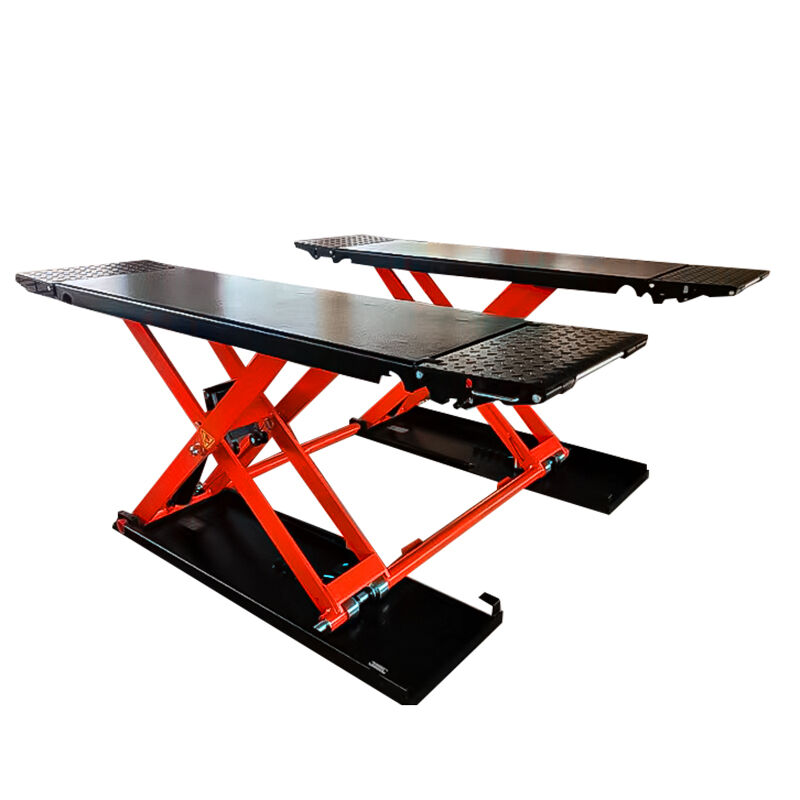
A scissor lift is a specialized mechanical lifting platform that uses a crisscrossing pantograph mechanism to elevate people, equipment, or materials to various working heights. This versatile piece of equipment has become indispensable across construction sites, warehouses, maintenance facilities, and countless industrial applications where safe, stable vertical access is required. Unlike other aerial work platforms, a scissor lift provides a large, stable platform that moves straight up and down, making it ideal for tasks that require extended work periods at height.
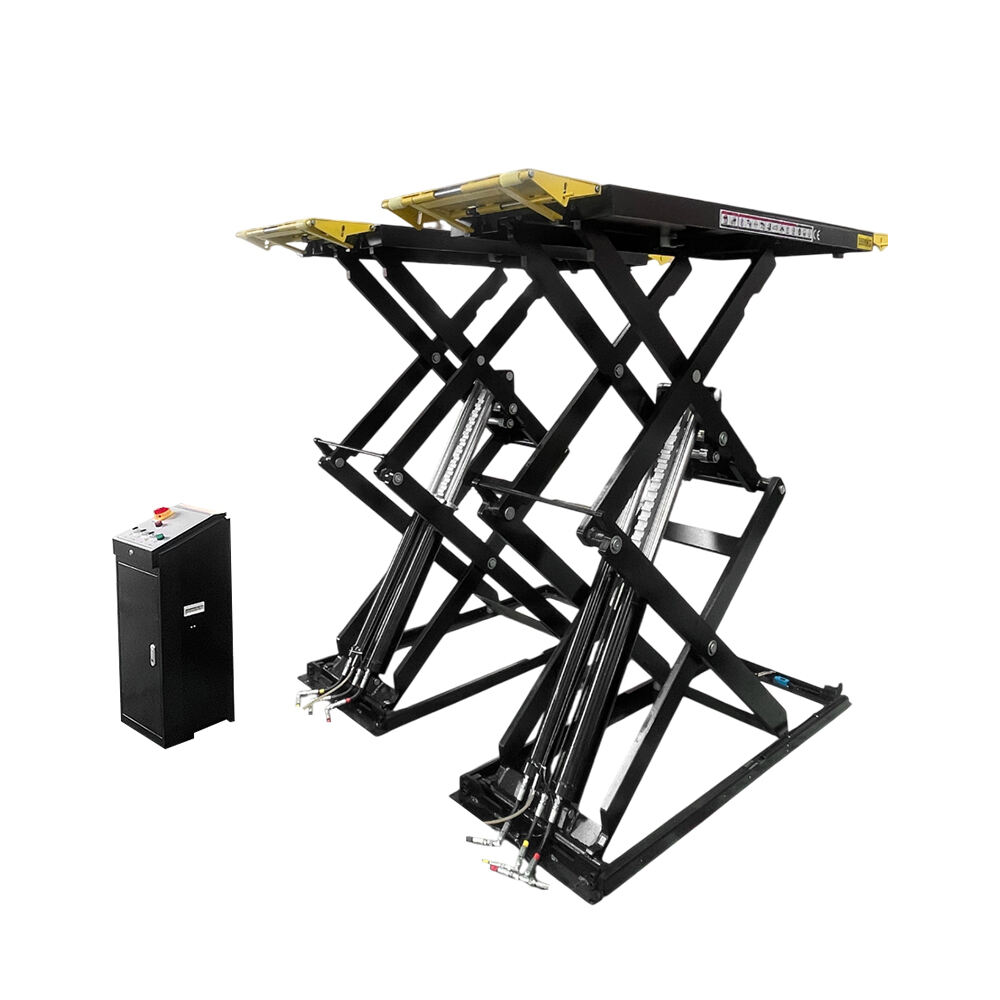
Understanding how a scissor lift operates in 2025 involves examining both its fundamental mechanical principles and the modern technological enhancements that have transformed these machines into sophisticated, safety-focused equipment. Today's scissor lift incorporates advanced hydraulic systems, electronic controls, and intelligent safety features that make vertical lifting more efficient, precise, and secure than ever before. The working mechanism combines proven physics with cutting-edge engineering to deliver reliable performance across diverse industrial environments.
Core Components and Mechanical Structure
Scissor Mechanism Foundation
The heart of any scissor lift lies in its distinctive X-shaped support structure, which consists of multiple linked arms that form the characteristic scissor pattern. These arms are connected through pivot points that allow controlled extension and retraction as hydraulic pressure is applied. The scissor lift mechanism relies on this geometric relationship to convert horizontal force into vertical movement, creating a stable lifting action that maintains platform levelness throughout the entire range of motion.
Each scissor arm assembly is manufactured from high-strength steel and engineered to handle specific load capacities while maintaining structural integrity under varying working conditions. The pivot points feature heavy-duty bearings and bushings designed to withstand repeated cycling and environmental stresses. Modern scissor lift designs incorporate multiple scissor sets to achieve greater lifting heights while distributing weight loads more effectively across the base structure.
Base Platform and Stability Systems
The base of a scissor lift houses the power unit, hydraulic reservoir, control systems, and outrigger mechanisms that ensure operational stability. This foundation component must provide adequate support for the entire lifting assembly while maintaining a low center of gravity for enhanced safety. The base design varies depending on whether the scissor lift is self-propelled, trailer-mounted, or stationary, with each configuration optimized for specific application requirements.
Stability systems in modern scissor lift equipment include automatic leveling sensors, outrigger deployment mechanisms, and weight distribution monitoring. These systems work together to prevent tipping hazards and ensure that the platform remains level even on uneven surfaces. Advanced models feature electronic stability management that continuously monitors operating conditions and automatically adjusts system parameters to maintain safe operation.
Work Platform and Safety Features
The elevated work platform represents the operational heart of the scissor lift, designed to provide a secure, spacious working environment at height. Modern platforms incorporate non-slip flooring, adjustable guardrails, and integrated tool storage solutions that enhance worker productivity and safety. The platform structure must withstand dynamic loads, environmental conditions, and repeated use while maintaining structural integrity throughout the equipment's service life.
Safety features integrated into the work platform include emergency stop systems, overload protection, tilt sensors, and fall arrest anchor points. These components work in conjunction with the scissor lift control system to prevent accidents and ensure compliance with current safety regulations. Advanced models may include proximity sensors, automated descent systems, and wireless communication capabilities that enhance operational safety and monitoring.
Hydraulic Power and Control Systems
Hydraulic Pump and Fluid Management
The hydraulic system provides the power source that drives the scissor lift mechanism, utilizing pressurized fluid to extend and retract the scissor arms with precise control. Modern hydraulic pumps are designed for efficiency, reliability, and quiet operation, incorporating variable displacement technology that adjusts output based on load requirements. The hydraulic reservoir maintains adequate fluid supply while incorporating filtration systems that keep the hydraulic fluid clean and extend component life.
Hydraulic fluid management in contemporary scissor lift systems includes temperature monitoring, pressure regulation, and contamination control measures. These systems ensure consistent performance across varying environmental conditions while minimizing maintenance requirements. Advanced hydraulic systems may incorporate biodegradable fluids and leak detection systems that enhance environmental compliance and operational reliability.
Electronic Control and Monitoring
Electronic control systems in 2025 scissor lift equipment provide precise operation control, safety monitoring, and diagnostic capabilities that were not available in earlier generations. These systems integrate multiple sensors, processors, and communication interfaces to deliver intelligent lifting performance. Control systems monitor hydraulic pressure, platform position, load weight, and environmental conditions to optimize performance and ensure safe operation.
Modern scissor lift control systems feature programmable logic controllers that can be customized for specific applications and integrated with facility management systems. These controllers provide real-time monitoring, predictive maintenance alerts, and operational data logging that help optimize equipment utilization and reduce downtime. Wireless connectivity enables remote monitoring and diagnostics, allowing maintenance teams to address issues proactively.
Power Source Integration
Power sources for scissor lift equipment have evolved significantly, with 2025 models offering electric, hybrid, and alternative fuel options that reduce environmental impact while maintaining performance. Electric scissor lift systems utilize advanced battery technology that provides extended operating times and faster charging cycles. These power systems integrate seamlessly with the hydraulic and control systems to deliver consistent performance throughout the operating cycle.
Alternative power sources, including compressed air systems and hydrogen fuel cells, are becoming more prevalent in specialized scissor lift applications. These power systems offer unique advantages in specific environments, such as explosive atmospheres or indoor operations where emissions must be minimized. The power system integration includes sophisticated energy management that optimizes performance while extending operational life.
Operational Mechanisms and Working Principles
Lifting Sequence and Motion Control
The lifting sequence of a scissor lift begins when hydraulic pressure is applied to the lifting cylinders, causing the scissor arms to extend outward and upward simultaneously. This geometric relationship ensures that the platform rises vertically while maintaining level orientation throughout the lifting range. The controlled extension of the scissor mechanism creates a stable, predictable lifting motion that allows precise positioning at any height within the equipment's operating range.
Motion control systems in modern scissor lift equipment provide smooth acceleration and deceleration profiles that enhance operator comfort and equipment longevity. These systems incorporate feedback sensors that monitor platform position, speed, and load conditions to adjust hydraulic flow rates automatically. Advanced motion control includes anti-sway technology and position holding systems that maintain platform stability during operation.
Load Distribution and Weight Management
Effective load distribution is crucial for safe scissor lift operation, with modern systems incorporating multiple sensors and monitoring systems to ensure that weight is distributed properly across the platform. The scissor lift mechanism naturally distributes loads through the scissor arms to the base structure, but proper load placement and weight limits must be maintained for safe operation. Electronic load monitoring systems provide real-time feedback to operators and prevent overloading conditions.
Weight management systems in contemporary scissor lift equipment include dynamic load sensing, center of gravity monitoring, and automated weight distribution alerts. These systems help prevent stability issues and ensure that the equipment operates within safe parameters. Advanced models may include load moment indicators and stability management systems that automatically adjust operating parameters based on load conditions.
Positioning and Precision Control
Precision positioning capabilities in modern scissor lift systems allow operators to achieve exact working heights with minimal adjustment requirements. These systems utilize electronic positioning sensors and proportional hydraulic controls to provide fine positioning control that enhances productivity and precision. The positioning system maintains accuracy throughout the lifting range and compensates for hydraulic system variations and load changes.
Advanced positioning systems may include preset height programming, automatic leveling, and GPS integration for outdoor applications. These features enable operators to achieve repeatable positioning and integrate scissor lift operations with other equipment and processes. Precision control systems also include safety interlocks that prevent movement when unsafe conditions are detected.
Safety Systems and Modern Enhancements
Fall Protection and Platform Safety
Fall protection systems integrated into modern scissor lift platforms include multiple layers of safety features designed to prevent accidents and protect operators. These systems include guardrails, toe boards, gate systems, and personal fall arrest attachment points that comply with current safety regulations. The platform safety systems are designed to withstand dynamic loads and provide secure attachment points for safety harnesses and lanyards.
Enhanced platform safety features in 2025 scissor lift models include impact-resistant materials, non-slip surfaces, and ergonomic design elements that reduce operator fatigue and injury risk. Safety systems also include emergency communication devices, lighting systems, and weather protection options that enhance operator safety in various working conditions. These comprehensive safety measures help ensure compliance with evolving workplace safety requirements.
Emergency Systems and Fail-Safe Features
Emergency systems in contemporary scissor lift equipment provide multiple methods for safe descent and evacuation in case of primary system failure. These systems include manual descent valves, emergency lowering systems, and backup power sources that ensure operators can safely return to ground level. Emergency systems are designed to operate independently of the primary control system and provide reliable operation even under adverse conditions.
Fail-safe features incorporated into modern scissor lift designs include pressure relief systems, structural overload protection, and automatic shutdown systems that prevent equipment damage and operator injury. These systems monitor critical parameters continuously and initiate protective actions when unsafe conditions are detected. Advanced fail-safe systems may include redundant control circuits and backup communication systems that enhance overall safety and reliability.
Monitoring and Diagnostic Systems
Real-time monitoring systems in modern scissor lift equipment provide continuous assessment of operational parameters, safety conditions, and equipment health. These systems collect data from multiple sensors throughout the equipment and provide alerts when conditions deviate from normal operating ranges. Monitoring systems help prevent accidents, optimize performance, and extend equipment life through predictive maintenance programs.
Diagnostic systems integrated into contemporary scissor lift platforms provide detailed information about system performance, maintenance requirements, and operational history. These systems enable maintenance teams to identify potential issues before they result in failures and optimize maintenance schedules based on actual usage patterns. Advanced diagnostic systems may include remote monitoring capabilities and integration with fleet management systems.
Applications and Industry Integration
Construction and Building Maintenance
Construction applications represent one of the primary markets for scissor lift equipment, where these machines provide safe, efficient access for building construction, renovation, and maintenance activities. The stable platform and vertical lifting capability make scissor lift equipment ideal for tasks such as electrical installation, HVAC maintenance, painting, and general construction work. Modern construction-grade scissor lift systems incorporate enhanced durability features and environmental protection that enable operation in challenging job site conditions.
Building maintenance applications benefit from the precision positioning and extended working platform that scissor lift equipment provides. These applications often require extended work periods at height, making the stable platform and safety features of scissor lift systems particularly valuable. Modern systems may include building integration features such as power connections and communication interfaces that enhance productivity and safety during maintenance operations.
Warehouse and Material Handling
Warehouse and material handling applications utilize scissor lift systems for inventory management, equipment maintenance, and facility operations. The large platform capacity and precise positioning capabilities make these systems ideal for handling materials and accessing high storage areas safely. Modern warehouse scissor lift systems often incorporate specialized features such as load handling attachments and inventory management system integration.
Material handling applications require scissor lift systems that can operate efficiently in confined spaces and integrate with existing warehouse management systems. These applications often involve repetitive lifting cycles and require equipment that provides consistent performance and minimal downtime. Advanced warehouse scissor lift systems may include automated guidance systems and fleet management integration that optimize operations and reduce labor costs.
Industrial Manufacturing and Process Applications
Industrial manufacturing environments utilize scissor lift equipment for equipment maintenance, process operations, and facility management tasks. These applications often require specialized features such as explosion-proof ratings, chemical resistance, and integration with manufacturing control systems. The stable platform and precise positioning capabilities of scissor lift systems make them valuable for manufacturing operations that require safe access to elevated equipment and processes.
Process applications may require scissor lift systems that can operate in challenging environments with specific safety and performance requirements. These applications often involve integration with existing process control systems and require equipment that provides consistent performance under varying operational conditions. Specialized scissor lift systems for process applications may include environmental protection, specialized materials, and custom control interfaces.
FAQ
How high can a typical scissor lift reach in 2025?
Modern scissor lift equipment can reach heights ranging from 10 feet to over 50 feet, depending on the specific model and configuration. Electric scissor lift models typically reach heights up to 40 feet, while larger diesel-powered units can achieve heights exceeding 50 feet. The maximum height depends on factors such as platform size, weight capacity, and intended application, with specialized models available for extreme height requirements.
What are the main safety requirements for operating a scissor lift?
Scissor lift operation requires proper training, personal protective equipment including safety harnesses, and adherence to manufacturer safety guidelines. Operators must complete certified training programs, conduct pre-operation inspections, and follow established safety procedures including proper use of fall protection systems. Modern scissor lift equipment includes multiple safety systems and monitoring features that help ensure safe operation, but proper training and safety procedures remain essential.
How do electric scissor lift systems compare to diesel-powered models?
Electric scissor lift systems offer quiet operation, zero emissions, and lower operating costs, making them ideal for indoor applications and environmentally sensitive areas. Diesel-powered models provide greater lifting capacity, extended operating range, and faster travel speeds, making them better suited for outdoor construction and heavy-duty applications. The choice between electric and diesel depends on specific application requirements, operating environment, and performance needs.
What maintenance is required for modern scissor lift equipment?
Regular maintenance for scissor lift equipment includes hydraulic system inspection, battery maintenance for electric models, safety system testing, and structural component inspection. Modern systems incorporate diagnostic monitoring that helps identify maintenance requirements and optimize service schedules. Preventive maintenance programs should include daily inspections, periodic service intervals, and annual safety certifications to ensure safe and reliable operation throughout the equipment's service life.