 EN
EN

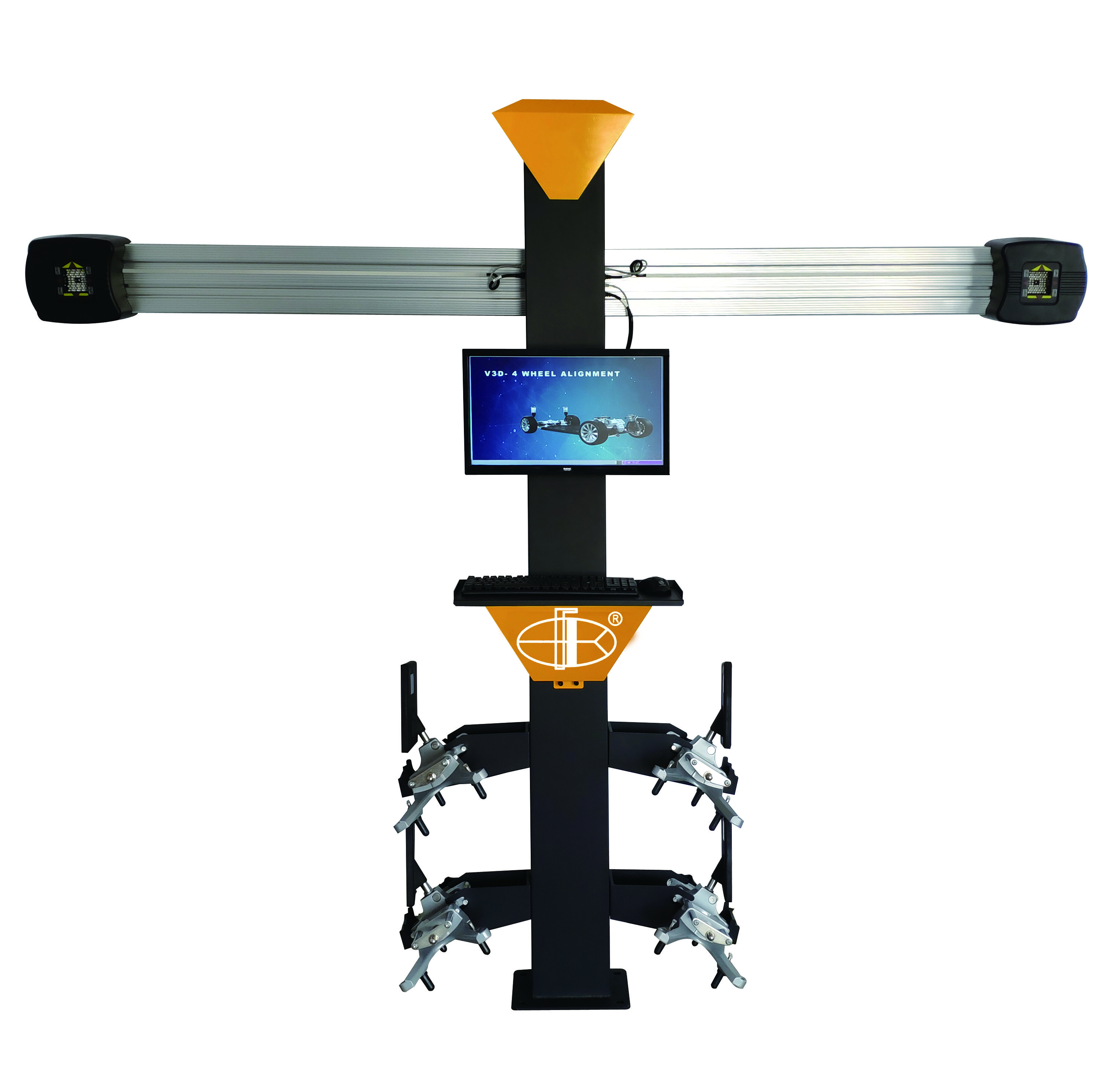
Wheel alignment refers to the precise adjustment of your vehicle's suspension system to ensure that all four wheels are positioned correctly relative to each other and the road surface. This critical automotive maintenance procedure involves adjusting the angles of the wheels so they make optimal contact with the road, promoting even tire wear and maintaining proper vehicle handling characteristics.
Your car needs proper wheel alignment because misaligned wheels create a cascade of problems that affect safety, performance, and operating costs. When wheels are not properly aligned, your vehicle experiences uneven tire wear, reduced fuel efficiency, compromised handling, and potentially dangerous steering issues that can lead to accidents or costly repairs.
Understanding the Fundamentals of Wheel Alignment
The Three Primary Alignment Angles
Wheel alignment involves adjusting three primary angles that determine how your wheels interact with the road surface. The camber angle refers to the inward or outward tilt of the wheel when viewed from the front of the vehicle, affecting tire contact with the road and overall stability during cornering and straight-line driving.
The caster angle represents the forward or backward tilt of the steering axis when viewed from the side of the vehicle. Proper caster alignment ensures directional stability, helps the steering wheel return to center after turns, and contributes to the overall feel and responsiveness of your vehicle's steering system.
Toe alignment measures whether the wheels point inward or outward when viewed from above the vehicle. Incorrect toe settings cause the most rapid tire wear patterns and directly impact fuel economy, as misaligned wheels create rolling resistance that forces the engine to work harder.
How Modern Alignment Systems Work
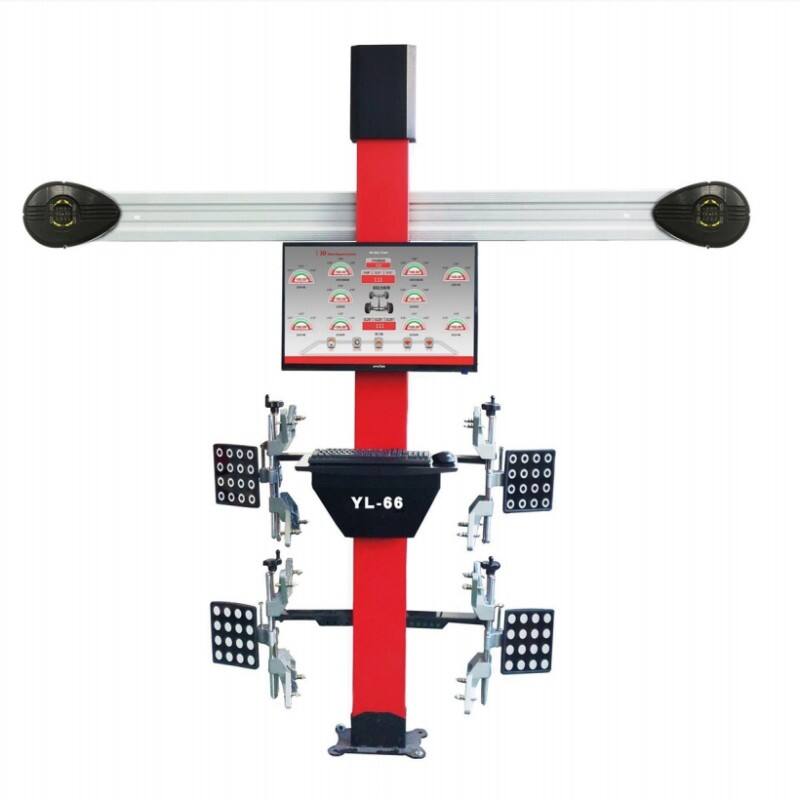
Contemporary wheel alignment procedures utilize sophisticated computerized systems that provide precise measurements and adjustments. Professional alignment equipment uses laser technology or advanced camera systems to measure the exact positioning of each wheel, comparing these measurements to manufacturer specifications for your specific vehicle model.
The alignment process begins with a comprehensive inspection of suspension components, tire condition, and steering system integrity. Technicians mount specialized sensors or targets on each wheel, allowing the alignment system to calculate current angles and determine necessary adjustments to restore proper wheel alignment specifications.
Modern alignment machines can perform both two-wheel and four-wheel alignment procedures, depending on your vehicle's configuration and suspension design. Four-wheel alignment ensures that both front and rear axles are properly aligned relative to each other, providing optimal vehicle stability and tire wear characteristics.
Why Proper Wheel Alignment Is Essential for Vehicle Performance
Safety and Handling Benefits
Proper wheel alignment directly impacts vehicle safety by ensuring predictable handling characteristics and optimal tire contact with the road surface. When your wheels are correctly aligned, your vehicle tracks straight without constant steering corrections, reducing driver fatigue and improving overall control during normal driving conditions.
Misaligned wheels can cause dangerous handling characteristics, including vehicle pulling to one side, steering wheel vibration, or unpredictable responses during emergency maneuvers. These conditions compromise your ability to maintain control, especially during adverse weather conditions or sudden avoidance situations.
Correct wheel alignment also ensures even weight distribution across the tire contact patch, maximizing traction for braking, acceleration, and cornering. This improved traction directly translates to shorter stopping distances and better vehicle stability during challenging driving conditions.
Economic Impact on Vehicle Operating Costs
The economic benefits of maintaining proper wheel alignment extend far beyond the initial service cost. Correctly aligned wheels can extend tire life by up to 50% compared to misaligned wheels, representing significant savings over the life of your vehicle, especially considering the rising cost of quality tires.
Fuel economy improvements from proper wheel alignment can range from 3% to 10% depending on the severity of the previous misalignment. When wheels are properly aligned, rolling resistance decreases significantly, allowing your engine to operate more efficiently and reducing fuel consumption during both city and highway driving.
Proper wheel alignment also prevents premature wear on suspension components, steering parts, and related systems. Misaligned wheels create additional stress on these components, leading to costly repairs that could be avoided through regular alignment maintenance.
Common Causes and Warning Signs of Wheel Alignment Problems
Environmental and Driving Factors
Road conditions play a significant role in affecting wheel alignment over time. Potholes, curb impacts, construction zones, and uneven road surfaces can gradually alter alignment angles, particularly if you frequently encounter these conditions during daily driving or if impacts occur at higher speeds.
Normal wear and tear on suspension components naturally affects wheel alignment as vehicles accumulate mileage. Springs settle, bushings wear, and ball joints develop play over time, all contributing to gradual changes in alignment angles that require periodic adjustment to maintain optimal performance.
Aggressive driving habits, including hard cornering, rapid acceleration and deceleration, and frequent parking against curbs, can accelerate alignment changes. Commercial vehicles and those used for towing may experience more frequent alignment issues due to increased stress on suspension systems.
Recognizable Symptoms of Misalignment
Vehicle pulling to one side during straight-line driving is one of the most obvious indicators of wheel alignment problems. This symptom typically becomes more pronounced at highway speeds and may worsen over time as alignment angles continue to deviate from specifications.
Uneven tire wear patterns provide clear visual evidence of alignment issues. Inner or outer edge wear, feathering across the tread surface, or significantly different wear rates between left and right tires all indicate that wheel alignment adjustment is necessary to prevent further tire damage.
Steering wheel vibration, off-center steering wheel position when driving straight, or unusual tire noise during driving can also signal alignment problems. These symptoms often develop gradually, making regular wheel alignment checks important for maintaining optimal vehicle performance and safety.
Professional Wheel Alignment Service and Maintenance
When to Schedule Alignment Services
Most automotive experts recommend having wheel alignment checked annually or every 12,000 to 15,000 miles, depending on driving conditions and vehicle usage patterns. However, certain circumstances warrant immediate alignment inspection, including after any significant impact with potholes, curbs, or road debris.
New tire installation presents an ideal opportunity to verify and adjust wheel alignment, ensuring maximum tire life and optimal performance from your investment. Similarly, any suspension work, including replacement of struts, shocks, springs, or steering components, requires alignment verification and adjustment.
Commercial vehicles, performance cars, and vehicles used for towing may require more frequent wheel alignment services due to increased stress on suspension systems and the critical importance of maintaining optimal handling characteristics for safety and efficiency.
Choosing Professional Alignment Services
Quality wheel alignment service requires sophisticated equipment, trained technicians, and adherence to manufacturer specifications for your specific vehicle. Professional alignment shops invest in advanced computerized systems that provide precise measurements and adjustments beyond what basic equipment can achieve.
Comprehensive alignment service should include thorough inspection of suspension components, tire condition assessment, and post-alignment verification testing. Reputable shops provide detailed printouts showing before and after measurements, ensuring transparency and documenting the quality of work performed.
The investment in professional wheel alignment service pays dividends through extended tire life, improved fuel economy, enhanced safety, and reduced long-term maintenance costs. Regular alignment maintenance represents preventive care that protects your vehicle investment and ensures optimal performance throughout its service life.
FAQ
How often should I have my wheel alignment checked?
You should have your wheel alignment checked annually or every 12,000 to 15,000 miles under normal driving conditions. However, you should schedule an immediate alignment check after hitting large potholes, curbing wheels, or any suspension work. Vehicles used for commercial purposes or frequent towing may require more frequent alignment services.
Can I drive with misaligned wheels?
While you can drive with misaligned wheels, it's not recommended for extended periods. Misaligned wheels cause rapid tire wear, reduced fuel efficiency, compromised handling, and potential safety hazards. The longer you drive with alignment issues, the more expensive the eventual repairs become due to premature tire replacement and possible suspension damage.
How much does professional wheel alignment cost?
Professional wheel alignment typically costs between $75 and $200, depending on your vehicle type and local market rates. Four-wheel alignment generally costs more than front-end alignment, but the investment pays for itself through extended tire life, improved fuel economy, and prevented suspension damage that would cost significantly more to repair.
What's the difference between wheel alignment and wheel balancing?
Wheel alignment adjusts the angles of your wheels relative to each other and the road surface, affecting how the vehicle tracks and handles. Wheel balancing corrects weight distribution around the wheel and tire assembly to eliminate vibration. Both services are important for optimal vehicle performance, but they address completely different issues and are performed using different equipment and procedures.