 EN
EN

Understanding the right timing for wheel alignment service is critical for vehicle safety, tire longevity, and overall driving performance. Many car owners overlook this essential maintenance procedure until they notice severe tire wear or handling problems, but waiting too long can lead to costly repairs and compromised safety. Wheel alignment involves adjusting the angles of your vehicle's wheels to manufacturer specifications, ensuring they make proper contact with the road surface and point in the correct direction. This service directly affects how your vehicle handles, how evenly your tires wear, and how efficiently your car consumes fuel. Recognizing the specific circumstances and warning signs that indicate your vehicle needs wheel alignment service helps you maintain optimal vehicle performance and avoid unnecessary expenses.
The decision of when to schedule wheel alignment service depends on multiple factors including driving conditions, vehicle age, manufacturer recommendations, and observable symptoms in your vehicle's behavior. Professional automotive technicians recommend specific intervals and trigger conditions that should prompt immediate attention. This article explores the precise circumstances that warrant wheel alignment service, helping you make informed decisions about your vehicle maintenance schedule. By understanding these timing factors, you can prevent premature tire replacement, improve fuel economy, and ensure safer driving conditions for yourself and your passengers.
Critical Timing Indicators for Wheel Alignment Service
Manufacturer-Recommended Service Intervals
Vehicle manufacturers typically recommend wheel alignment checks at specific mileage intervals, usually every 12,000 to 15,000 miles or annually, whichever comes first. These recommendations are based on extensive testing and normal driving conditions. Following these guidelines ensures that minor alignment issues are caught before they cause significant tire wear or handling problems. However, these baseline recommendations should be considered minimum standards rather than comprehensive guidelines, as actual driving conditions often require more frequent attention.
For vehicles subjected to harsh driving conditions such as frequent travel on rough roads, construction zones, or areas with numerous potholes, the recommended interval should be shortened significantly. Commercial vehicles and those used for delivery services may benefit from wheel alignment checks every 6,000 to 8,000 miles. Performance vehicles with low-profile tires and sport-tuned suspensions are particularly sensitive to alignment variations and may require even more frequent inspections to maintain optimal handling characteristics.
New vehicles typically come with factory-set wheel alignment specifications, but settling of suspension components during the first few thousand miles can cause minor shifts. Scheduling a wheel alignment check after the first 5,000 miles of ownership provides an opportunity to verify and correct any deviations from manufacturer specifications. This early intervention helps establish a baseline for future maintenance and can prevent uneven tire wear patterns from developing during the critical break-in period.
Observable Driving Behavior Changes
One of the most reliable indicators that you need wheel alignment service immediately is when your vehicle pulls consistently to one side while driving on a level road surface. This pulling sensation means the wheels are not pointing in parallel directions, causing uneven tire contact with the road and requiring constant steering correction. The pulling may be subtle at first but typically becomes more pronounced over time as alignment angles deviate further from specifications. Testing on a straight, level road with minimal traffic allows you to safely assess whether your vehicle maintains a straight path with minimal steering input.
Steering wheel position provides another clear signal about alignment condition. When driving straight, your steering wheel should be centered with the manufacturer's emblem or center mark perfectly level. If the steering wheel sits at an angle while the vehicle travels straight, this indicates a wheel alignment issue even if the vehicle does not pull noticeably to either side. This misalignment often results from unequal adjustment of the front wheels or compensation by the steering system for underlying alignment problems that affect overall vehicle tracking.
Vibration or shaking in the steering wheel at highway speeds can indicate alignment problems, though these symptoms may also stem from tire balance issues or suspension component wear. When combined with other alignment symptoms such as uneven tire wear or vehicle pulling, steering vibration strongly suggests the need for professional wheel alignment service. The vibration occurs because misaligned wheels create inconsistent contact patches with the road surface, causing oscillations that transfer through the steering system to the driver.
Tire Wear Pattern Analysis
Uneven tire wear represents physical evidence of wheel alignment problems and indicates that service should have been performed earlier. Examining your tires regularly for specific wear patterns helps identify alignment issues before they cause complete tire failure. Excessive wear on the inner or outer edges of the tire tread while the center remains relatively unworn indicates camber misalignment, where the top of the wheel tilts inward or outward from the vehicle's centerline. This condition accelerates tire degradation and compromises handling performance significantly.
Feathering or scalloped wear patterns across the tire tread surface typically indicate toe misalignment problems, where the wheels point inward or outward rather than straight ahead. Running your hand across the tread from one side to the other reveals these patterns as the tire edges feel sharp or rounded depending on the direction of your hand movement. Feathering develops because the tire scrubs sideways slightly with each revolution when toe settings are incorrect, creating the characteristic sawtooth pattern on individual tread blocks.
When tire wear patterns appear on only one or two tires rather than all four, this suggests localized alignment problems that require immediate attention. Rotating tires according to manufacturer recommendations helps distribute wear more evenly but cannot correct underlying alignment issues. If new tires show rapid wear within the first few thousand miles, scheduling wheel alignment service immediately prevents waste of your tire investment and addresses the root cause rather than the symptom of accelerated wear.
Specific Incidents That Require Immediate Alignment Checks
Impact Events and Road Hazards
Hitting a pothole, curb, or road debris at speed represents one of the most common causes of sudden wheel alignment changes. The force of impact can bend suspension components, shift mounting points, or alter the geometric relationship between wheels and the vehicle frame. Even if no visible damage appears and the vehicle seems to drive normally immediately after impact, microscopic changes in alignment angles may have occurred that will cause accelerated tire wear over time. Scheduling a wheel alignment check within a week of any significant impact event allows technicians to identify and correct problems before they compound.
Speed and angle of impact significantly influence whether alignment damage occurs. Striking a pothole directly with one wheel while the other wheels remain on smooth pavement creates asymmetric forces that are particularly likely to alter alignment settings. Similarly, sliding into a curb at an angle rather than hitting it head-on concentrates force on specific suspension points, increasing the likelihood of alignment changes. Professional wheel alignment service following these incidents verifies whether any adjustment is necessary and provides documentation of your vehicle's condition for insurance purposes if needed.
Minor fender-bender accidents, even at low speeds, warrant immediate wheel alignment inspection because impact forces transfer through the vehicle structure to suspension mounting points. Even if the collision occurred at the rear of the vehicle, the shock wave can affect front wheel alignment through the frame or unibody structure. Insurance claims for collision repairs should always include wheel alignment verification and correction as part of the restoration process, ensuring your vehicle returns to pre-accident condition rather than simply appearing cosmetically repaired.
Suspension and Steering System Repairs
Any repair or replacement of suspension components automatically requires wheel alignment service afterward because these components directly determine wheel positioning. Replacing control arms, ball joints, tie rod ends, struts, or springs alters the geometric relationships that define alignment angles. Even if the replacement parts match original equipment specifications exactly, installation tolerances and settling of new components mean alignment must be measured and adjusted to achieve manufacturer specifications. Technicians who perform suspension repairs without following up with wheel alignment service leave the job incomplete.
Steering system repairs including rack and pinion replacement, power steering pump service, or steering column work similarly necessitate alignment verification. The steering system directly controls the toe angle of the front wheels, and any disassembly or adjustment of these components can alter the relationship between steering wheel position and wheel direction. Professional repair facilities typically include wheel alignment as a standard follow-up service when performing steering system work because proper alignment ensures the repairs achieve their intended improvement in vehicle handling and control.
Installing aftermarket suspension modifications such as lowering springs, lift kits, or performance shock absorbers changes the vehicle's ride height and suspension geometry, fundamentally altering all alignment angles. These modifications require custom wheel alignment settings that differ from factory specifications to account for the new suspension configuration. Failure to perform proper alignment after suspension modifications results in poor handling, excessive tire wear, and potential safety issues because the wheels no longer maintain optimal contact with the road surface through the full range of suspension travel.
Seasonal and Environmental Timing Considerations
Seasonal changes in temperature affect suspension components and tire pressure, potentially revealing alignment issues that were marginal during moderate weather. The transition from winter to spring represents an ideal time to schedule wheel alignment service because freeze-thaw cycles, road salt exposure, and rough winter road conditions often cause gradual alignment changes. Additionally, the suspension components have contracted and expanded through temperature extremes, potentially settling into slightly different positions than they occupied at the previous alignment service.
Preparing for long road trips or extended highway driving warrants a preventive wheel alignment check even if no symptoms currently appear. Highway speeds magnify the effects of even minor alignment deviations, causing increased tire heat buildup, reduced fuel economy, and driver fatigue from constant steering corrections. Ensuring proper wheel alignment before embarking on a long journey provides peace of mind and may prevent breakdown situations far from home. The relatively modest cost of alignment service represents insignificant expense compared to potential tire replacement or towing costs during a trip.
Geographic relocation to areas with significantly different road conditions should prompt an alignment verification within the first month of driving in the new environment. Moving from smooth highway regions to areas with poorly maintained roads, or vice versa, changes the stress patterns on your suspension system. Similarly, relocating to mountainous terrain from flat regions subjects your vehicle to different cornering forces and suspension loading that may reveal previously acceptable alignment settings as inadequate for the new driving environment.
Understanding Wheel Alignment Specifications and Adjustment Requirements
Primary Alignment Angles and Their Functions
Camber angle measures the inward or outward tilt of the wheel when viewed from the front of the vehicle. Proper camber ensures the tire's contact patch remains centered on the tread during straight-line driving and optimizes tire contact during cornering. Excessive negative camber causes accelerated wear on the inner tire edge, while excessive positive camber wears the outer edge rapidly. Most passenger vehicles specify slight negative camber for the front wheels to compensate for suspension geometry changes during cornering and weight transfer. Camber adjustments require specialized equipment and precise measurement because changes of even half a degree significantly affect tire wear patterns.
Caster angle describes the forward or backward tilt of the steering axis when viewed from the side of the vehicle. Positive caster means the steering axis tilts toward the rear of the vehicle at the top, creating directional stability and steering wheel return after turns. This angle primarily affects steering feel and high-speed stability rather than tire wear. Most modern vehicles use significant positive caster to improve highway driving characteristics and reduce driver fatigue. Caster imbalance between left and right sides causes vehicle pull similar to camber misalignment but does not directly accelerate tire wear like camber and toe deviations.
Toe angle represents the most critical wheel alignment specification for tire wear and the most frequently adjusted setting during service. Toe measures whether the front edges of the wheels point toward each other, away from each other, or exactly parallel when viewed from above. Toe-in means the front edges point toward each other, while toe-out means they point away from each other. Incorrect toe settings cause rapid tire wear through scrubbing action as the tire slides slightly sideways with each revolution. Even one-eighth inch of total toe deviation from specifications can reduce tire life by fifty percent or more, making toe adjustment the most important aspect of wheel alignment service.
Two-Wheel Versus Four-Wheel Alignment Requirements
Front-wheel-drive vehicles and most modern all-wheel-drive vehicles require four-wheel alignment service because all four wheels affect vehicle tracking and tire wear. Four-wheel alignment measures and adjusts the geometric relationship of all wheels to each other and to the vehicle centerline. The rear wheels establish the vehicle's thrust angle, which determines the direction the vehicle actually travels regardless of front wheel position. If rear wheels point slightly left or right relative to the vehicle centerline, the front wheels must be misaligned to compensate, resulting in off-center steering and accelerated tire wear on all four corners.
Older rear-wheel-drive vehicles with solid rear axles typically require only front wheel alignment because the rear axle positioning is fixed by the suspension design and cannot be easily adjusted. However, even these vehicles benefit from rear wheel measurement to verify the axle has not shifted due to accident damage or worn suspension bushings. When rear axle position deviates significantly from specifications on these vehicles, correction requires replacement of worn components or, in severe cases, frame straightening to restore proper geometry.
The decision between two-wheel and four-wheel alignment service depends on your vehicle's suspension design, manufacturer recommendations, and observed wear patterns. If tire wear appears primarily on the front tires with rear tires wearing normally, two-wheel alignment may suffice temporarily, though four-wheel alignment provides comprehensive correction. Conversely, rear tire wear combined with front tire wear, or vehicle tracking issues where the steering wheel is centered but the vehicle travels at an angle to the road, definitively indicate the need for four-wheel alignment service to correct thrust angle problems.
Technology and Precision in Modern Alignment Service
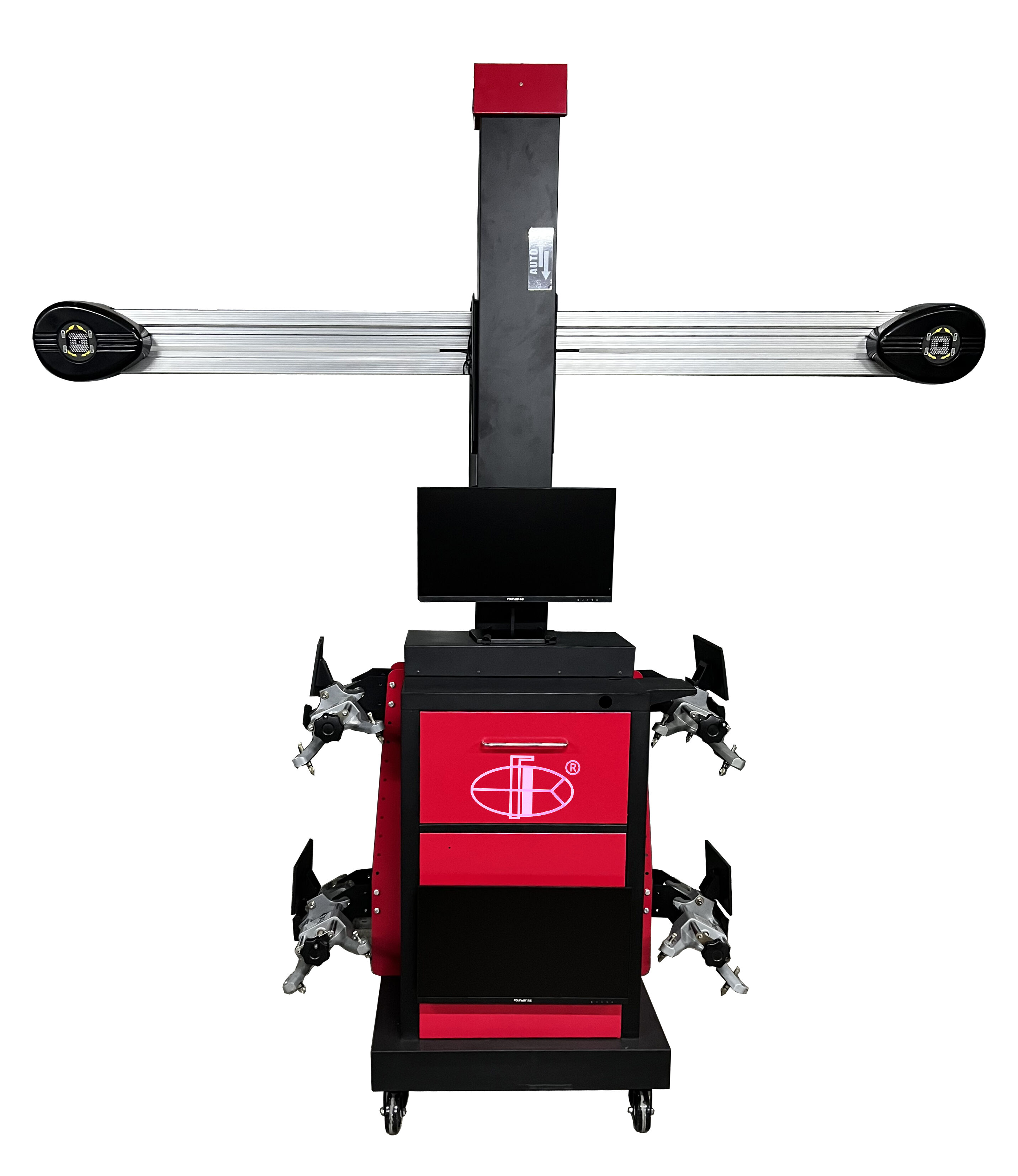
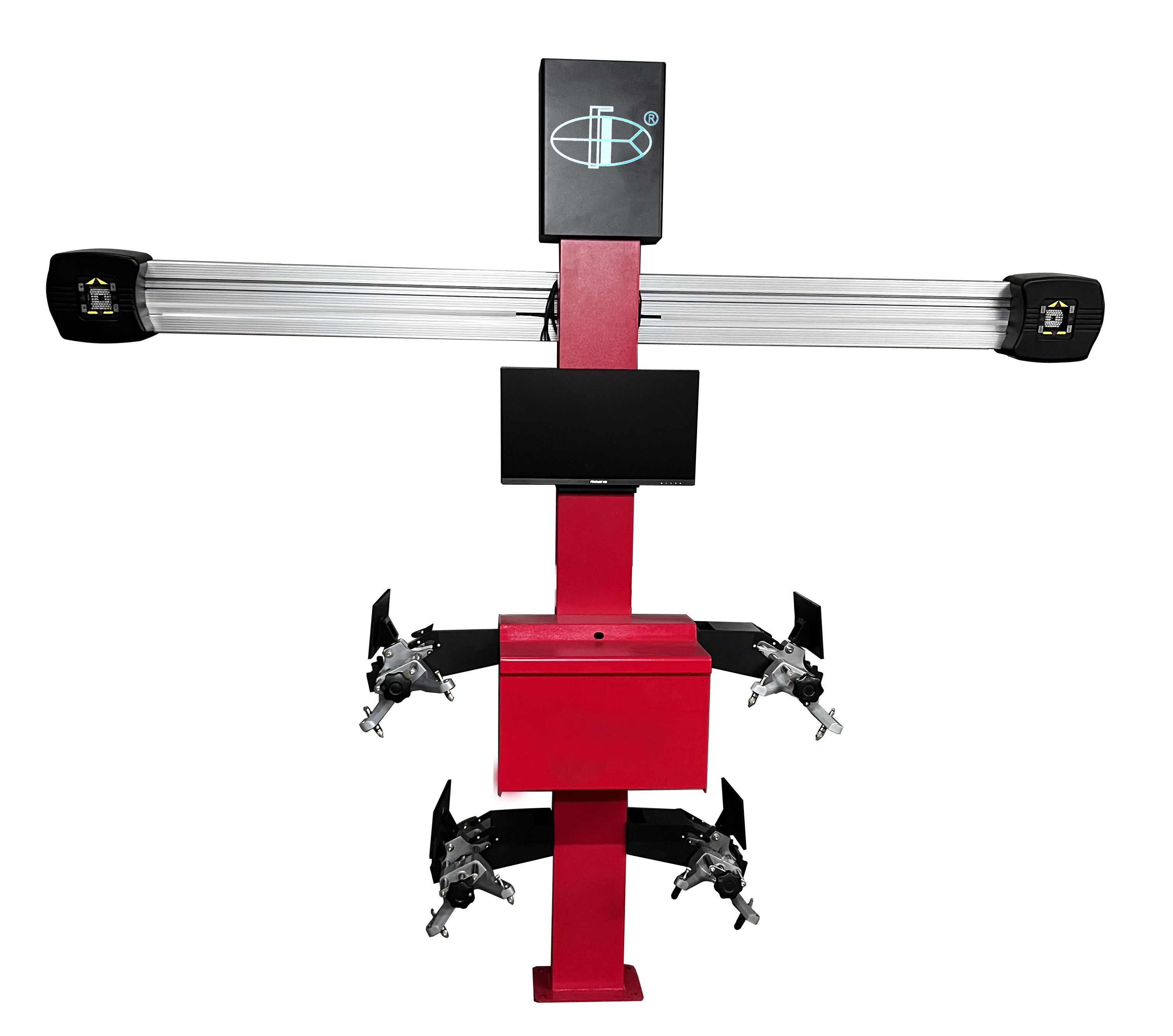
Modern wheel alignment equipment uses computerized three-dimensional measurement systems with laser or camera-based sensors to achieve precision that manual methods cannot match. These systems measure all alignment angles simultaneously and display deviations from manufacturer specifications in real-time as technicians make adjustments. The precision of modern alignment equipment allows measurement accuracy within hundredths of a degree and fractions of a millimeter, ensuring adjustments meet tight tolerances required by modern suspension designs and low-profile performance tires.
Before adjustments begin, technicians should perform pre-alignment inspections to identify worn suspension components that would prevent proper wheel alignment or cause rapid re-misalignment after service. Ball joints, tie rod ends, control arm bushings, and wheel bearings with excessive play make accurate wheel alignment impossible because the wheel position varies as these components move through their excessive clearances. Reputable service facilities document both pre-alignment and post-alignment measurements, providing you with verification that adjustments were actually performed and brought your vehicle within specifications.
Hunter Engineering, John Bean, and other professional wheel alignment system manufacturers continuously update their databases with specific vehicle model alignment specifications, adjustment procedures, and special considerations. These systems guide technicians through vehicle-specific procedures and identify which alignment angles are adjustable on each particular vehicle model. Some specifications cannot be adjusted and must be corrected through component replacement if measurements fall outside tolerance ranges. Understanding these limitations helps vehicle owners set realistic expectations for what wheel alignment service can accomplish on their specific vehicle.
Cost Considerations and Value of Timely Alignment Service
Comparing Service Costs to Tire Replacement Expenses
Typical wheel alignment service costs range from seventy to two hundred dollars depending on whether two-wheel or four-wheel alignment is required and regional labor rates. This relatively modest expense contrasts sharply with tire replacement costs, which range from four hundred to over one thousand dollars for a complete set depending on tire size and quality. Driving with misaligned wheels can reduce tire life from fifty thousand miles to fifteen thousand miles or less, meaning the cost of postponing alignment service potentially exceeds the service cost by a factor of five to ten when premature tire replacement becomes necessary.
Calculating the value proposition of preventive wheel alignment service requires comparing the prorated cost per mile of driving with proper alignment versus driving with marginal alignment. If a two-hundred-dollar alignment service extends tire life by twenty thousand miles on a vehicle with four-hundred-dollar annual tire costs, the alignment saves approximately one hundred sixty dollars in tire expenses while costing two hundred dollars. However, this calculation ignores fuel economy improvements, handling safety benefits, and prevention of secondary suspension wear that misalignment causes, all of which add value beyond simple tire cost savings.
Many automotive service facilities offer alignment packages that include free rechecks within a specified period, typically six months to one year. These packages provide value if you drive in conditions likely to cause alignment changes or if minor alignment issues are approaching but have not yet exceeded specification limits. The recheck feature allows you to verify that alignment settings remain correct without paying for additional service unless adjustments are actually required, providing peace of mind and encouraging more frequent verification of alignment condition.
Fuel Economy and Performance Impact
Misaligned wheels increase rolling resistance because tires scrub sideways against the road surface rather than rolling smoothly in their intended direction. This increased resistance forces the engine to work harder to maintain speed, reducing fuel economy by up to ten percent in severe cases. For a vehicle averaging twenty-five miles per gallon and traveling fifteen thousand miles annually, a ten percent fuel economy reduction wastes approximately sixty gallons of fuel per year. At current fuel prices, this waste exceeds one hundred fifty dollars annually, comparable to the cost of wheel alignment service that would eliminate the excess consumption.
Beyond fuel costs, wheel alignment affects vehicle dynamics and driver confidence during emergency maneuvers. Proper alignment ensures predictable steering response and optimal tire contact during sudden direction changes or panic braking situations. Misaligned wheels create inconsistent handling characteristics that may surprise drivers during critical moments, potentially contributing to loss of control or inability to avoid hazards. While difficult to quantify financially, these safety benefits represent significant value that justifies proactive alignment service rather than waiting for obvious symptoms to develop.
Performance vehicles and sports cars experience more dramatic impacts from wheel alignment deviations because their suspension systems are tuned for precise handling response. Even minor alignment variations that might seem acceptable for a family sedan can significantly degrade the handling characteristics that define a performance vehicle's driving experience. Owners of high-performance vehicles should consider wheel alignment maintenance as essential to preserving their vehicle's intended capabilities rather than optional service to address only obvious problems.
Long-Term Vehicle Value Protection
Maintaining proper wheel alignment throughout your vehicle's service life contributes to higher resale or trade-in value by preventing visible tire wear, suspension component damage, and documentation of consistent maintenance. Prospective buyers and dealer appraisers recognize even tire wear patterns as indicators of proper vehicle care, while uneven wear raises concerns about deferred maintenance or underlying mechanical problems. Service records documenting regular wheel alignment checks demonstrate responsible ownership and support asking prices closer to market value rather than discounted pricing due to condition concerns.
Suspension component longevity depends partly on maintaining proper wheel alignment because misalignment creates stress on ball joints, tie rod ends, and control arm bushings that these components were not designed to handle continuously. Proper alignment ensures forces transfer through suspension components along intended load paths, minimizing side loads and uneven wear that cause premature failure. The cumulative cost of replacing worn suspension components over your vehicle's ownership period potentially exceeds several thousand dollars, much of which can be avoided through consistent attention to wheel alignment maintenance.
Warranty coverage for tire defects typically excludes damage from wheel alignment issues, meaning premature tire wear due to alignment problems becomes your financial responsibility rather than the tire manufacturer's. Maintaining documentation of regular wheel alignment service creates a service history that supports warranty claims for legitimate tire defects by demonstrating that wear was not caused by neglected maintenance. This documentation may prove valuable if tires fail prematurely due to manufacturing defects rather than alignment-related wear, potentially saving hundreds of dollars in tire replacement costs.
FAQ
How long does wheel alignment service typically take to complete?
Professional wheel alignment service usually requires between forty-five minutes and ninety minutes depending on whether two-wheel or four-wheel alignment is performed and whether suspension components require adjustment or replacement before alignment can be completed. Modern computerized alignment systems have streamlined the measurement process, but thorough inspection, proper vehicle positioning, and precise adjustments cannot be rushed without compromising quality. Some facilities offer express service during slow periods, while busy times may require scheduling an appointment and leaving your vehicle for several hours to accommodate workflow. Complex alignment issues or discovery of worn components that must be replaced before alignment can be properly set may extend service time to several hours or require rescheduling to allow parts ordering.
Can hitting a pothole really knock my wheels out of alignment immediately?
Yes, striking a pothole or curb with sufficient force can immediately alter wheel alignment settings by bending suspension components, shifting mounting points, or compressing bushings beyond their elastic range. The severity of impact required to cause misalignment depends on factors including vehicle speed, pothole depth, suspension design, and whether one wheel or multiple wheels strike the hazard simultaneously. Heavy impacts that cause visible rim damage almost certainly affect alignment, but even impacts that leave no visible damage may cause subtle alignment changes that manifest as accelerated tire wear over subsequent weeks and months. If your vehicle pulls noticeably to one side immediately after a road hazard impact, alignment damage has likely occurred and requires prompt professional attention.
Do I need wheel alignment every time I get new tires installed?
While not absolutely required, performing wheel alignment service when installing new tires represents best practice because it ensures the new tires wear evenly from the first mile of service. Installing new tires on a vehicle with marginal alignment wastes the investment by causing premature wear patterns to develop on fresh rubber. Many tire retailers include complimentary alignment checks with tire purchases or offer package pricing that combines tire installation and alignment service at a modest additional cost. At minimum, request alignment measurement when getting new tires so you can make an informed decision about whether adjustment is necessary. The small additional expense of alignment service when buying tires is substantially less than replacing those new tires prematurely due to uncorrected alignment problems.
What is the difference between wheel alignment and wheel balancing?
Wheel alignment and wheel balancing address completely different aspects of wheel and tire function. Wheel alignment adjusts the angles at which wheels contact the road surface and point relative to the vehicle centerline, affecting tire wear patterns and vehicle handling characteristics. Wheel balancing corrects weight distribution around each individual wheel and tire assembly by adding small weights to the rim, eliminating vibration caused by heavy spots in the tire or wheel. Alignment problems typically cause pulling to one side, uneven tire wear, and off-center steering wheel position, while balance problems cause vibration at specific speeds, usually most noticeable between fifty and seventy miles per hour. Both services are important for optimal tire performance and vehicle comfort, but they address unrelated issues through different procedures using different equipment.