 EN
EN

Vehicle owners frequently face the question of maintenance costs, and wheel alignment represents one of the most critical yet often misunderstood service expenses. Understanding wheel alignment costs in 2025 requires examining multiple factors including regional pricing variations, vehicle type specifications, technology advancements in diagnostic equipment, and the complexity of modern suspension systems. The investment in proper wheel alignment extends beyond the immediate service fee, directly impacting tire longevity, fuel efficiency, and overall vehicle safety. This comprehensive analysis breaks down the actual costs you can expect when seeking wheel alignment services this year, while explaining what drives these price points and how to evaluate whether you're receiving fair value for this essential automotive service.
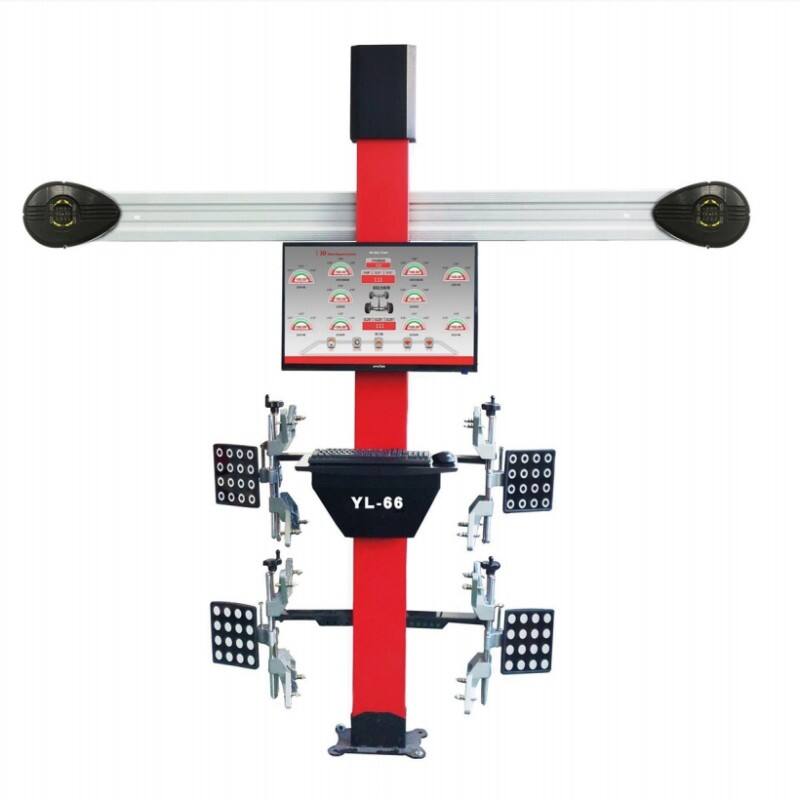
The pricing landscape for wheel alignment has evolved significantly with technological integration into automotive service bays. Modern facilities now utilize computerized systems and three-dimensional imaging technology that provide precision measurements impossible with older mechanical methods. These advancements affect both the accuracy of the service and the cost structure. Additionally, the growing complexity of vehicle suspension designs, particularly in newer models with advanced driver assistance systems and electronic stability controls, has transformed wheel alignment from a straightforward mechanical adjustment into a sophisticated calibration process requiring specialized training and equipment investment by service providers.
Average Wheel Alignment Cost Ranges Across Service Providers
Standard Two-Wheel Alignment Pricing
A standard two-wheel alignment, which adjusts only the front wheels, typically ranges between fifty-five and eighty-five dollars at most service centers in 2025. This front-end wheel alignment procedure addresses the steering axle on front-wheel-drive vehicles and remains the most economical option for basic maintenance needs. Independent repair shops generally offer competitive pricing at the lower end of this spectrum, while dealership service departments tend toward the higher range. The price variation reflects not just brand positioning but also differences in overhead costs, technician certification levels, and equipment sophistication. Chain automotive service centers typically price two-wheel alignment services between sixty-five and seventy-five dollars, positioning themselves in the middle of the market with standardized procedures and nationally consistent pricing structures.
The two-wheel alignment service involves measuring and adjusting three primary angles: camber, caster, and toe. Technicians use computerized alignment systems to compare current measurements against manufacturer specifications, then make mechanical adjustments to bring angles within acceptable tolerance ranges. The service duration typically requires forty-five to sixty minutes when no complications arise. However, if suspension components show excessive wear, seized adjustment mechanisms, or damage requiring replacement, the service time and associated costs increase substantially. Many facilities perform a preliminary suspension inspection before beginning the actual alignment process to identify potential complications that might affect both service completion and final pricing.
Four-Wheel Alignment Service Costs
Comprehensive four-wheel alignment services addressing all four corners of the vehicle range from ninety-five to one hundred sixty-five dollars depending on facility type and geographic location. All-wheel-drive vehicles, performance cars, and luxury automobiles typically require four-wheel alignment due to their independent rear suspension systems and tighter manufacturer tolerance specifications. The wheel alignment procedure for four wheels involves significantly more measurement points and adjustment locations, requiring additional technician time and more sophisticated diagnostic equipment capable of simultaneously tracking all four wheel positions relative to the vehicle centerline and thrust angle.
Premium service facilities and specialty performance shops may charge at the upper end of this range, particularly when working with vehicles that have complex suspension geometries or require specific aftermarket alignment specifications. European luxury vehicles and high-performance sports cars often fall into higher pricing categories due to more demanding tolerance requirements and the need for technicians with specialized training in these systems. Geographic location significantly impacts pricing, with metropolitan areas commanding higher rates than rural regions, reflecting differences in operating costs, wage scales, and market competition. Coastal urban markets typically see prices fifteen to twenty-five percent higher than midwest or southern rural markets for identical services.
Specialty and Heavy-Duty Vehicle Alignment Pricing
Trucks, SUVs with lifted suspensions, and vehicles with modified suspension systems require specialized wheel alignment services that command premium pricing, typically ranging from one hundred twenty-five to two hundred fifty dollars. These vehicles present unique challenges including increased ride height requiring specialized equipment adapters, aftermarket suspension components that may not align with factory specifications, and the need for custom alignment specifications that balance on-road handling with off-road capability. Commercial vehicles and heavy-duty trucks with dual rear wheels may require even more specialized equipment and expertise, pushing costs beyond standard passenger vehicle ranges.
Modified vehicles present particular pricing challenges because standard manufacturer specifications may not apply to altered suspension geometries. Enthusiast vehicles with lowered suspensions, adjustable coilover systems, or track-oriented setups require technicians who understand performance alignment principles and can establish custom specifications based on intended use patterns. These specialized services often include consultation time where technicians discuss driving conditions, performance goals, and tire wear patterns to establish optimal alignment angles. The additional consultation and custom specification development contribute to higher service costs but deliver value through improved vehicle behavior and more predictable tire wear characteristics.
Factors That Significantly Impact Wheel Alignment Costs
Vehicle Make, Model, and Year Considerations
The specific vehicle being serviced represents one of the most significant cost variables in wheel alignment pricing. Luxury brands including Mercedes-Benz, BMW, Audi, and Lexus typically incur higher alignment costs due to tighter manufacturer tolerance specifications, more complex suspension designs, and the requirement for specialized diagnostic procedures. These vehicles often integrate suspension geometry with electronic stability systems and adaptive damping controls that must be considered during the alignment process. Additionally, some luxury vehicles require dealer-level diagnostic tools to access suspension control modules or to perform post-alignment calibration procedures, effectively limiting service options to dealerships or shops with significant equipment investments.
Vehicle age also influences wheel alignment complexity and cost. Newer vehicles with advanced driver assistance systems may require camera and sensor calibration following suspension work, adding fifty to one hundred fifty dollars to the base alignment cost. These calibration procedures ensure that lane-keeping assistance, adaptive cruise control, and collision avoidance systems function correctly with the newly established wheel positions. Conversely, older vehicles may present cost challenges due to corroded adjustment mechanisms, worn suspension bushings, or limited parts availability that complicates the alignment process. Technicians working on vehicles over ten years old often encounter seized adjustment bolts requiring additional labor time for removal and replacement, effectively increasing the final service cost beyond initial estimates.
Geographic Location and Market Competition
Regional cost variations for wheel alignment services reflect local economic conditions, wage scales, commercial real estate costs, and competitive market dynamics. Metropolitan areas with higher costs of living typically see proportionally higher service pricing, with major coastal cities commanding premium rates. A four-wheel alignment that costs one hundred dollars in a midwestern suburb might reach one hundred forty dollars in San Francisco or New York City for identical service quality and equipment. These geographic price differences reflect not just higher operating costs but also different market expectations and customer willingness to pay premium prices for automotive services.
Market competition density significantly affects pricing strategies. Areas with numerous independent shops, chain service centers, and dealership competition tend toward more aggressive pricing and frequent promotional offers. Conversely, rural areas with limited service provider options may see higher baseline pricing due to reduced competitive pressure. Seasonal factors also influence pricing, with many shops offering promotional wheel alignment pricing during spring months when customers typically seek maintenance services following winter driving conditions. Understanding local market dynamics helps consumers identify optimal timing for service and negotiate fair pricing based on competitive alternatives available in their specific geographic area.
Equipment Technology and Facility Investment
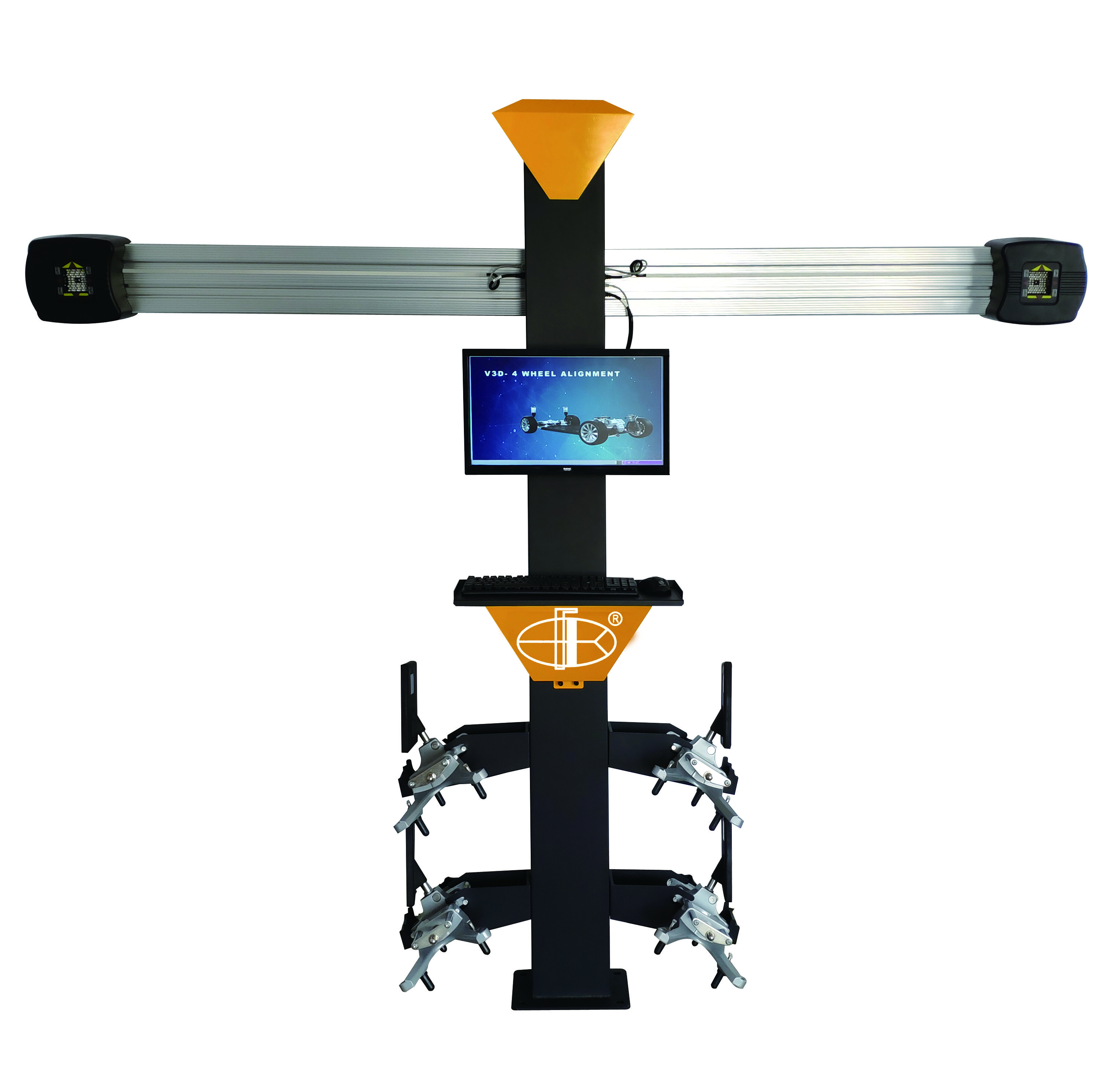
The sophistication of alignment equipment directly correlates with service pricing structures. Facilities utilizing three-dimensional imaging systems and computerized measurement platforms have made substantial capital investments that influence their pricing models. Modern professional wheel alignment systems can cost between thirty-five thousand and seventy thousand dollars, representing significant financial commitments that service providers recoup through service pricing over the equipment lifespan. These advanced systems deliver superior accuracy, faster service completion, and comprehensive diagnostic data that older mechanical systems cannot match, justifying higher per-service pricing for facilities making these investments.
Equipment sophistication also determines which vehicles a facility can effectively service. Entry-level alignment equipment may lack the measurement range or adjustment capability for lifted trucks, lowered performance vehicles, or exotic cars with unusual suspension geometries. Shops equipped with premium alignment systems can service broader vehicle ranges and provide more detailed diagnostic information, positioning themselves to command higher prices while attracting customers with specialized needs. The annual calibration and maintenance costs for professional alignment equipment also factor into pricing, as facilities must ensure measurement accuracy through regular verification procedures and software updates that maintain compatibility with new vehicle models entering the market.
Hidden Costs and Additional Services Bundled with Wheel Alignment
Pre-Alignment Suspension Inspection Findings
Comprehensive wheel alignment services begin with thorough suspension component inspections that frequently reveal wear or damage requiring correction before alignment adjustment can proceed. Worn tie rod ends, damaged control arm bushings, failed ball joints, or bent suspension components prevent proper alignment and must be replaced to achieve manufacturer specifications. These discoveries transform a straightforward alignment service into a more extensive repair project with significantly increased costs. Responsible service providers identify these issues during pre-alignment inspection and present repair options before proceeding, while less scrupulous operators may attempt alignment on vehicles with compromised suspension components, delivering temporarily acceptable measurements that quickly deteriorate.
The cost of suspension component replacement varies widely based on parts pricing and labor complexity. Simple tie rod end replacement might add fifty to one hundred twenty dollars per side to the total service cost, while control arm replacement can increase costs by two hundred to five hundred dollars depending on vehicle design and parts accessibility. Customers should anticipate that vehicles showing uneven tire wear, pulling tendencies, or wandering steering behavior may require additional repairs beyond basic wheel alignment service. Obtaining detailed written estimates before authorizing work protects consumers from unexpected costs while ensuring necessary repairs receive proper attention rather than temporary masking through alignment adjustment alone.
Tire Rotation and Balancing Services
Many service facilities recommend combining wheel alignment with tire rotation and wheel balancing services, creating bundled packages that reduce individual service costs while maximizing tire longevity. Tire rotation typically adds twenty-five to forty-five dollars to the service ticket, while wheel balancing for four wheels adds forty to seventy-five dollars. When purchased as separate services, these three procedures might total between one hundred sixty and two hundred seventy-five dollars, but bundled packages often reduce combined pricing to one hundred thirty to two hundred dollars, delivering meaningful savings while addressing multiple maintenance needs simultaneously.
The value proposition of bundled services extends beyond immediate cost savings. Performing tire rotation during the wheel alignment service ensures even tire wear patterns moving forward, maximizing the investment in proper suspension geometry. Wheel balancing eliminates vibrations that can affect alignment measurement accuracy and masks wheel alignment issues through similar symptom presentations. Addressing all three services together provides comprehensive rolling chassis maintenance that extends tire life, improves fuel efficiency, and enhances ride comfort. Consumers should evaluate whether their current tire condition and wear patterns justify the additional investment in rotation and balancing services alongside scheduled wheel alignment work.
Advanced Driver Assistance System Calibration
Vehicles equipped with forward-facing cameras supporting lane departure warning, automatic emergency braking, or adaptive cruise control systems often require recalibration following wheel alignment service. These camera systems establish their reference frames based on vehicle centerline and wheel trajectory, meaning changes in wheel alignment angles necessitate corresponding sensor adjustments to maintain system accuracy. ADAS calibration procedures typically add seventy-five to one hundred seventy-five dollars to wheel alignment service costs, though prices vary based on calibration complexity and equipment requirements for specific vehicle makes and models.
Static calibration procedures require specialized targets positioned at specific distances and heights relative to the vehicle, while dynamic calibration requires test driving the vehicle under controlled conditions while diagnostic equipment monitors and adjusts sensor parameters. Some vehicles require both static and dynamic calibration procedures, extending service time and increasing associated costs. The regulatory and liability implications of ADAS systems make proper calibration non-negotiable for shops committed to quality service delivery. Customers should inquire specifically about ADAS calibration requirements when scheduling wheel alignment services for vehicles equipped with these safety systems, ensuring accurate cost estimates and avoiding surprise charges when picking up completed vehicles.
Cost-Benefit Analysis of Regular Wheel Alignment Maintenance
Tire Life Extension and Replacement Cost Avoidance
The financial justification for regular wheel alignment maintenance centers primarily on tire longevity optimization. Improper alignment causes uneven tire wear patterns that significantly reduce usable tire life, potentially shortening the service interval by thirty to fifty percent in severe cases. A set of quality all-season tires for a midsize sedan costs between four hundred and seven hundred dollars, while performance or truck tires can easily exceed one thousand dollars per set. If proper alignment extends tire life from thirty thousand to forty-five thousand miles, the fifteen thousand additional miles represents substantial value that far exceeds the cost of periodic alignment services.
Beyond extending the maximum mileage yield from each tire set, proper wheel alignment ensures even wear across the tire tread face, allowing tires to be safely used until tread depth reaches minimum legal thresholds. Misaligned vehicles often develop edge wear patterns or center wear that renders tires unsafe before overall tread depth reaches replacement criteria, effectively wasting the remaining tire life. Industry analysis suggests that maintaining proper alignment throughout tire life delivers return on investment ratios between four to one and seven to one when comparing alignment service costs against premature tire replacement expenses. This financial benefit provides compelling justification for scheduling wheel alignment services annually or following any suspension impact or component replacement.
Fuel Efficiency Impact and Operating Cost Reduction
Misaligned wheels create rolling resistance that forces the engine to work harder, directly reducing fuel efficiency. The magnitude of this effect varies based on the severity of misalignment, but industry research indicates that significant toe misalignment can reduce fuel economy by five to seven percent in highway driving conditions. For a vehicle averaging thirty miles per gallon and traveling fifteen thousand miles annually, a seven percent efficiency loss represents approximately thirty-five additional gallons of fuel consumed per year. At current fuel prices, this inefficiency costs vehicle owners roughly one hundred to one hundred twenty-five dollars annually, effectively equaling or exceeding the cost of routine wheel alignment maintenance.
The fuel efficiency impact compounds over time as misalignment typically worsens gradually through normal driving stresses, suspension component wear, and repeated impacts with road irregularities. Vehicles that begin with minor alignment deviations progress to more severe misalignment without intervention, progressively increasing rolling resistance and fuel consumption. Regular wheel alignment verification and correction maintains optimal rolling efficiency, ensuring that engine power translates efficiently into vehicle motion rather than being wasted overcoming unnecessary friction. This ongoing efficiency benefit represents a continuous return on the alignment service investment, delivering value throughout the interval between alignment services rather than as a single point benefit.
Vehicle Safety and Handling Predictability
Beyond financial considerations, proper wheel alignment delivers critical safety benefits that justify maintenance costs through risk reduction and accident avoidance. Misaligned vehicles exhibit unpredictable handling characteristics including pulling to one side, unstable straight-line tracking, and unresponsive steering feel that increases driver workload and reduces emergency maneuver effectiveness. These handling deficiencies become particularly dangerous in adverse weather conditions or emergency avoidance situations where precise vehicle control determines whether drivers successfully navigate hazards or experience collisions.
The safety value of proper wheel alignment extends to tire performance optimization during hard braking and cornering maneuvers. Tires with uneven wear patterns caused by misalignment provide inconsistent traction characteristics, potentially triggering premature anti-lock brake system activation or unexpected traction loss during cornering. While quantifying the monetary value of enhanced safety proves difficult, the peace of mind from knowing that the vehicle tracks straight, responds predictably to steering inputs, and maintains optimal tire contact with road surfaces represents significant qualitative value. Families transporting children and professionals whose livelihoods depend on reliable transportation should consider the safety benefits of proper alignment as complementary to the direct financial returns from extended tire life and improved fuel efficiency.
How to Evaluate Whether You're Receiving Fair Wheel Alignment Pricing
Requesting Detailed Service Scope Documentation
Informed consumers protect themselves from overcharging and ensure service quality by requesting comprehensive documentation of wheel alignment procedures before authorizing work. Reputable service providers willingly explain exactly which alignment angles will be measured and adjusted, whether the service includes front wheels only or all four corners, and what manufacturer specifications will be used as adjustment targets. This documentation should specify whether the quoted price includes only alignment adjustment or also encompasses pre-alignment suspension inspection, post-alignment test drive, and any diagnostic reporting or printouts provided to the customer.
Quality-focused facilities provide customers with pre-service and post-service alignment readings showing initial measurements, manufacturer specification ranges, and final adjusted values for each wheel position. This documentation allows customers to verify that meaningful adjustments occurred and that final specifications fall within acceptable tolerance ranges. Shops unwilling to provide detailed measurement documentation or those that refuse to explain their service procedures should raise red flags for consumers. The transparency demonstrated through comprehensive reporting reflects organizational commitment to quality service delivery and customer education rather than transaction-oriented service approaches focused solely on revenue generation without accountability for results.
Comparing Multi-Facility Estimates and Service Inclusions
Prudent vehicle owners obtain quotes from multiple service providers before committing to wheel alignment work, ensuring competitive pricing while evaluating which facilities offer the most comprehensive service packages. When comparing estimates, consumers must verify that quotes reflect equivalent service scopes, as significant price variations often stem from different service inclusions rather than actual pricing differences. One facility might quote ninety-five dollars for four-wheel alignment while another charges one hundred thirty-five dollars, but the higher-priced option might include suspension inspection, adjustment verification, detailed reporting, and a service warranty that the lower-priced competitor excludes.
Beyond price comparison, evaluating facility equipment, technician certifications, and customer reviews provides insight into service quality expectations. Modern computerized wheel alignment systems deliver superior accuracy compared to older mechanical equipment, justifying modest price premiums for facilities investing in current technology. Technician certification through organizations such as the National Institute for Automotive Service Excellence indicates professional competency and commitment to ongoing education. Customer reviews highlighting consistent positive experiences, transparent communication, and accurate initial estimates help identify trustworthy service providers worth premium pricing over discount-focused competitors with inconsistent service quality track records.
Understanding Warranty Coverage and Service Guarantees
Reputable wheel alignment service providers stand behind their work through warranties or guarantees that protect customers from premature specification drift or inadequate initial adjustment. Common warranty structures include thirty to ninety-day periods during which the facility will re-check and adjust alignment specifications without additional charges if the vehicle exhibits pulling, uneven tire wear, or fails specification verification. Some shops offer mileage-based warranties covering three thousand to six thousand miles of driving, while others provide time-limited coverage. Understanding warranty terms before authorizing service protects consumers from paying twice for the same work if initial service proves inadequate.
Service guarantees differ from warranties by promising customer satisfaction rather than specification compliance. Facilities offering satisfaction guarantees commit to working with customers until they're completely satisfied with vehicle handling and steering feel, even if measurements technically fall within manufacturer specifications. These guarantees recognize that acceptable specification ranges sometimes produce handling characteristics that customers find objectionable, particularly on vehicles with worn suspension components or tires showing irregular wear patterns. Comparing warranty and guarantee terms across competing facilities helps identify providers confident in their service quality and willing to invest in customer satisfaction rather than those focused purely on completing transactions regardless of outcomes.
FAQ
How often should I get a wheel alignment done on my vehicle?
Most manufacturers recommend wheel alignment inspections annually or every twelve thousand to fifteen thousand miles, though specific intervals vary by vehicle type and driving conditions. Vehicles subjected to rough roads, frequent pothole impacts, or curb strikes require more frequent alignment verification. Additionally, schedule alignment checks whenever replacing suspension components, after any collision regardless of severity, or if you notice symptoms including uneven tire wear, vehicle pulling to one side, or off-center steering wheel position during straight-line driving. Proactive alignment verification prevents minor misalignment from progressing to severe specification deviations that accelerate tire wear and compromise vehicle handling.
Can I drive my vehicle if the wheel alignment is off, or is it unsafe?
You can continue driving a vehicle with misaligned wheels, though doing so accelerates tire wear and may compromise handling predictability, particularly during emergency maneuvers or adverse weather conditions. Minor alignment deviations pose minimal immediate safety risks but will progressively damage tires and potentially increase fuel consumption. Severe misalignment causing strong pulling tendencies, difficulty maintaining straight-line tracking, or rapid uneven tire wear warrants immediate attention as these conditions genuinely affect vehicle control and safety. If alignment issues cause you to constantly fight the steering wheel or if tire wear patterns show dramatic edge wear, prioritize scheduling alignment service promptly rather than continuing to drive until convenient.
Does wheel alignment service include tire balancing and rotation?
Standard wheel alignment service typically includes only suspension geometry measurement and adjustment without tire rotation or wheel balancing unless specifically bundled in package pricing. These represent three distinct services addressing different vehicle maintenance needs, though many facilities offer combined packages at reduced total pricing compared to purchasing services separately. When scheduling wheel alignment, specifically ask whether the quoted price includes tire rotation and balancing or if these services require additional fees. Bundled packages generally deliver better overall value while comprehensively addressing rolling chassis maintenance needs that collectively extend tire life and optimize vehicle performance.
Will getting a wheel alignment fix my steering wheel being off-center?
Proper wheel alignment service should result in a centered steering wheel when driving straight, as technicians adjust suspension angles to ensure both front wheels point straight ahead when the steering system sits in its neutral position. If your steering wheel remains off-center after professional alignment service, either the technician failed to properly complete the service or underlying issues such as suspension damage, steering system problems, or improperly installed components prevent proper alignment. A off-center steering wheel following recent alignment work warrants returning to the service facility for verification and correction, as reputable shops guarantee proper steering wheel positioning as part of standard alignment service delivery.
Table of Contents
- Average Wheel Alignment Cost Ranges Across Service Providers
- Factors That Significantly Impact Wheel Alignment Costs
- Hidden Costs and Additional Services Bundled with Wheel Alignment
- Cost-Benefit Analysis of Regular Wheel Alignment Maintenance
- How to Evaluate Whether You're Receiving Fair Wheel Alignment Pricing
- FAQ