 EN
EN

Selecting the right wheel alignment service provider is a critical decision that directly impacts vehicle safety, tire longevity, and overall operational efficiency. Whether you manage a fleet, operate an automotive service center, or own a single vehicle, the quality of wheel alignment services determines not only the immediate handling characteristics but also long-term maintenance costs and customer satisfaction. With numerous providers offering varying levels of expertise, equipment quality, and service standards, understanding the key selection criteria becomes essential for making an informed decision that protects your investment and ensures consistent results.
The modern automotive service landscape presents both opportunities and challenges when it comes to wheel alignment services. Advanced technology has made precision alignment more achievable than ever, yet the gap between exceptional and mediocre service providers has widened considerably. This comprehensive guide explores the essential factors that distinguish professional wheel alignment providers from inadequate ones, offering practical frameworks for evaluation, understanding the technical capabilities required, and recognizing the business practices that indicate reliable service delivery. By following these guidelines, you can establish partnerships with providers who deliver consistent accuracy and value.
Understanding Equipment Quality and Technology Standards
The Role of Advanced Alignment Systems
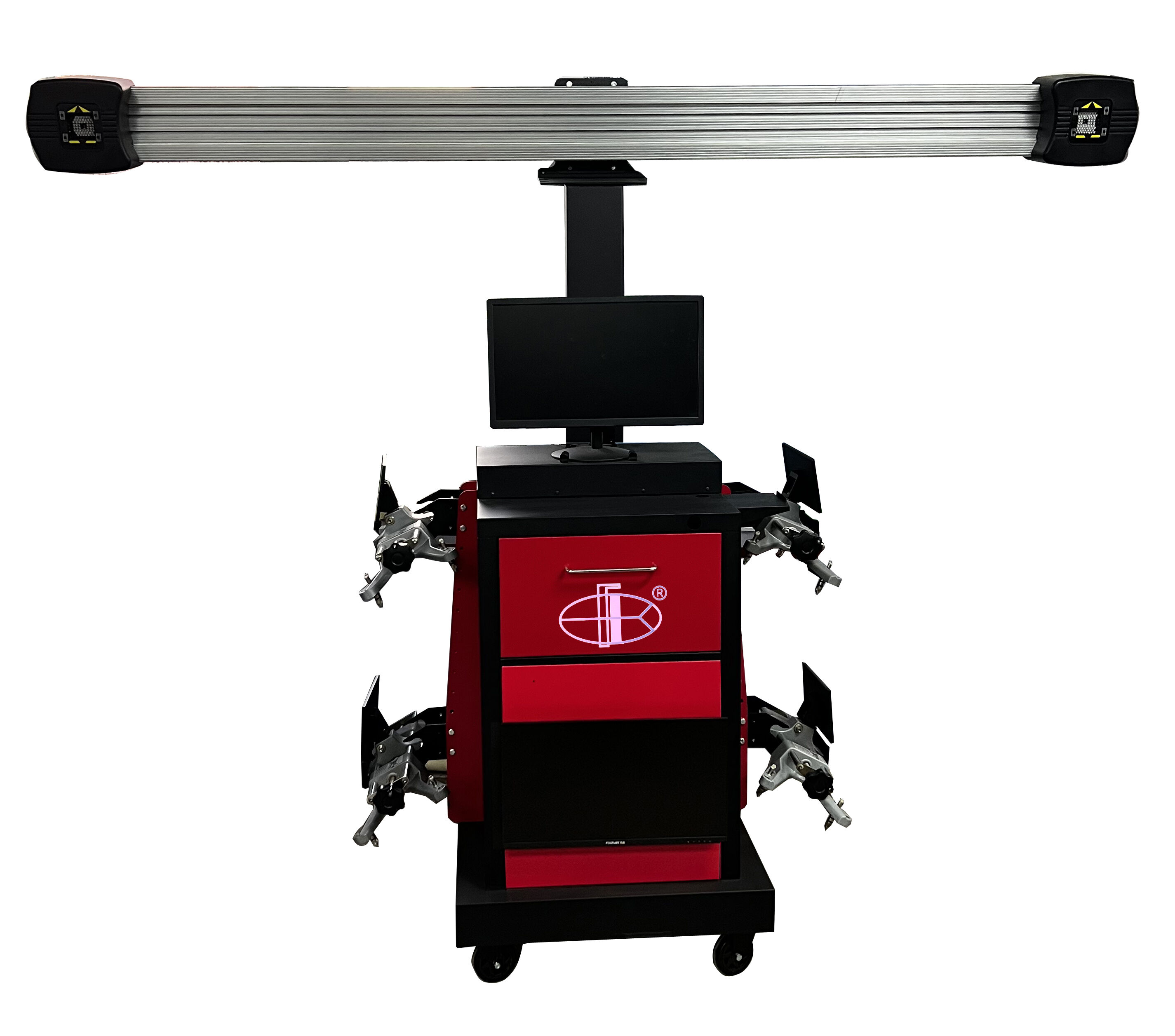
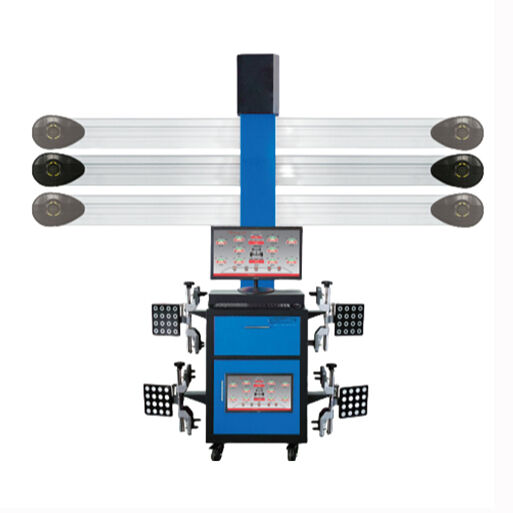
The foundation of accurate wheel alignment services rests entirely on the quality and sophistication of the equipment used. Professional service providers invest significantly in advanced alignment systems that utilize three-dimensional imaging technology, computer-assisted measurement, and precision calibration tools. These systems capture comprehensive data about wheel angles, suspension geometry, and frame alignment with accuracy levels measured in hundredths of degrees. When evaluating potential service providers, directly inquire about their equipment specifications, including the brand, model year, and measurement precision capabilities. Providers using outdated two-dimensional systems or basic alignment racks often struggle to achieve the accuracy standards required by modern vehicles with complex suspension designs and tight manufacturing tolerances.
The transition from traditional alignment methods to computerized systems has revolutionized the precision achievable in wheel alignment services. High-quality providers utilize equipment featuring high-resolution cameras, wireless sensor technology, and real-time measurement displays that allow technicians to make minute adjustments while viewing immediate feedback. These systems typically include comprehensive vehicle specification databases containing manufacturer-recommended alignment specifications for thousands of vehicle models. The ability to access and apply these precise specifications distinguishes professional operations from those relying on generic settings or approximations. Additionally, advanced systems provide detailed before-and-after reports with visual representations of alignment changes, offering transparency and documentation that prove service value.
Equipment Calibration and Maintenance Protocols
Even the most sophisticated alignment equipment delivers unreliable results without proper calibration and maintenance. Professional wheel alignment service providers implement rigorous calibration schedules, typically performing verification procedures weekly or after any equipment relocation. This calibration process involves using certified reference targets and measurement standards to ensure the system accurately captures wheel positions and angles. Request information about calibration frequency and whether the provider maintains documented calibration records. Providers who cannot produce calibration documentation or seem uncertain about their maintenance protocols likely lack the quality control processes necessary for consistent accuracy.
Beyond calibration, the physical condition of alignment equipment directly affects measurement reliability. Inspect the service facility for signs of proper equipment maintenance, including clean sensors, undamaged camera lenses, and well-maintained lift systems. The alignment bay itself should feature a level surface verified through precision measurement, as even minor floor irregularities can introduce measurement errors. Professional providers also invest in environmental controls that minimize temperature fluctuations and vibrations that could affect sensitive measurement systems. The overall condition of the alignment equipment and facility provides immediate visual evidence of the provider's commitment to quality standards and measurement precision.
Technology Integration and Reporting Capabilities
Modern wheel alignment services extend beyond the mechanical adjustment process to include comprehensive data management and reporting systems. Leading service providers integrate their alignment equipment with shop management software, customer relationship management platforms, and digital communication tools. This integration enables detailed record-keeping of alignment history, automated service reminders, and digital delivery of alignment reports complete with visual diagrams and measurement data. When evaluating providers, assess their ability to provide detailed documentation and whether they offer digital access to service records. Providers offering sophisticated reporting demonstrate both technological capability and commitment to transparency.
The diagnostic capabilities integrated into advanced alignment systems represent another critical evaluation factor. Quality equipment includes features that identify suspension component wear, frame damage, and other issues affecting alignment beyond simple angle adjustments. Professional providers leverage these diagnostic capabilities to provide comprehensive assessments rather than simply adjusting angles to specification. This approach identifies underlying problems that could compromise alignment stability or indicate safety concerns. Providers who offer thorough diagnostic explanations and recommendations based on system-generated data demonstrate both technical expertise and customer-focused service delivery that extends beyond basic transactional interactions.
Evaluating Technician Expertise and Training Standards
Certification Requirements and Professional Development
The sophistication of alignment equipment means nothing without skilled technicians capable of interpreting measurements, diagnosing issues, and executing precise adjustments. Professional wheel alignment service providers employ technicians holding recognized industry certifications that verify their knowledge and competency. In established markets, certifications from organizations specializing in automotive service excellence indicate standardized training and examination in alignment principles, suspension systems, and diagnostic procedures. When evaluating providers, inquire about technician certifications and request to see credentials. Providers employing certified technicians demonstrate commitment to professional standards and ongoing skill development.
Beyond initial certification, continuous training represents a critical differentiator among service providers. Vehicle technology evolves rapidly, with new suspension designs, electronic systems, and manufacturer specifications requiring updated knowledge. Leading providers invest in ongoing technician training through manufacturer workshops, equipment supplier programs, and industry conferences. Ask potential providers about their training programs and how frequently technicians receive updates on new vehicle systems and alignment procedures. Providers with structured training programs and documentation of continuing education demonstrate the commitment necessary to maintain expertise across evolving vehicle technologies and alignment methodologies.
Experience with Diverse Vehicle Types
The complexity of wheel alignment services varies dramatically across vehicle types, from passenger cars to heavy commercial vehicles, performance automobiles to vehicles with modified suspensions. Experienced providers maintain expertise across this vehicle diversity rather than specializing narrowly in limited categories. When evaluating potential service providers, discuss their experience with vehicles similar to those requiring service. Providers should demonstrate familiarity with specific challenges associated with different vehicle categories, including luxury vehicles with active suspension systems, trucks with solid axle designs, and performance vehicles requiring precision adjustments for handling optimization.
Specialty vehicle experience becomes particularly important when dealing with vehicles featuring non-standard configurations or aftermarket modifications. Professional technicians understand how suspension modifications affect alignment geometry and can make informed recommendations about appropriate specifications for modified vehicles. They recognize when manufacturer specifications may not suit altered suspension geometry and can apply engineering principles to determine optimal settings. This expertise level distinguishes truly knowledgeable providers from those who simply follow database specifications without understanding the underlying principles. During evaluation conversations, assess whether technicians ask detailed questions about vehicle configuration and usage patterns rather than offering generic service approaches.
Problem-Solving Capabilities and Diagnostic Skills
Not all alignment challenges involve simple angle adjustments to manufacturer specifications. Many vehicles present complex scenarios involving worn suspension components, frame damage, or conditions preventing achievement of ideal specifications. Professional wheel alignment technicians demonstrate strong diagnostic skills that identify root causes of alignment problems rather than simply adjusting available parameters. They recognize patterns indicating specific component failures and can recommend appropriate repairs before attempting alignment procedures. This diagnostic capability prevents the frustration of paying for alignment services that fail to resolve handling issues because underlying mechanical problems remain unaddressed.
The best service providers approach wheel alignment as a comprehensive evaluation rather than a standardized procedure. They perform thorough pre-alignment inspections checking suspension component condition, tire wear patterns, and steering system integrity. When they encounter vehicles with alignment readings outside achievable ranges, they investigate causes rather than forcing adjustments or delivering vehicles with suboptimal settings. This problem-solving approach may occasionally result in recommendations for additional services, but ensures that alignment work delivers lasting results rather than temporary fixes. Providers who explain limitations, recommend necessary repairs, and provide realistic expectations about achievable outcomes demonstrate the professional integrity essential for long-term service relationships.
Assessing Service Quality and Business Practices
Service Process and Quality Control Procedures
Professional wheel alignment service providers follow structured processes that ensure consistency and quality across every service interaction. This standardization begins with thorough intake procedures documenting vehicle condition, customer concerns, and service requirements. Quality providers perform comprehensive pre-service inspections and present findings before proceeding with alignment work, ensuring customers understand the vehicle condition and agree to recommended services. During the alignment process itself, professional operations follow systematic procedures including proper vehicle positioning, accurate measurement protocols, and methodical adjustment sequences that optimize alignment geometry efficiently.
Quality control extends beyond the alignment procedure to include post-service verification and road testing. Professional providers perform final measurement confirmations ensuring all alignment angles fall within specification ranges and that adjustments remain stable after vehicle lowering and settling. Many leading operations include brief road tests to verify steering feel, vehicle tracking, and absence of pulling or unusual handling characteristics. This comprehensive approach ensures that wheel alignment services deliver complete solutions rather than technically correct measurements that fail to resolve customer concerns. When evaluating providers, inquire about their service process from intake through final delivery and assess whether their procedures demonstrate thoroughness and attention to quality assurance.
Transparency and Communication Standards
Communication quality serves as a reliable indicator of overall service professionalism and customer focus. Superior wheel alignment providers maintain transparent communication throughout the service relationship, beginning with clear explanation of services, pricing, and expected outcomes. They provide detailed estimates before performing work and obtain authorization for any additional services discovered during the alignment process. During service delivery, professional operations keep customers informed about progress, findings, and any complications encountered. This proactive communication demonstrates respect for customer time and investment while building trust through transparency.
The format and content of service documentation further reveal provider quality standards. Professional operations provide comprehensive alignment reports showing before-and-after measurements, specification ranges, actual achieved settings, and visual representations of alignment geometry. These reports include explanations of any specifications that could not be achieved along with reasons and recommendations. Quality providers take time to review these reports with customers, explaining the significance of various measurements and answering questions about service results. Providers offering minimal documentation or unable to clearly explain their work likely lack either the technical capability or customer service orientation necessary for satisfactory long-term relationships.
Warranty Policies and Service Guarantees
Warranty and guarantee policies directly reflect a provider's confidence in their service quality and commitment to customer satisfaction. Professional wheel alignment services typically include guarantees covering alignment stability for specific mileage or time periods, with complimentary re-checks offered if handling concerns develop. These warranties demonstrate the provider's confidence that their work will deliver lasting results rather than temporary corrections. When evaluating providers, carefully review warranty terms including coverage duration, conditions that void coverage, and procedures for claiming warranty service. Providers offering comprehensive warranties with reasonable terms signal quality confidence, while those with restrictive policies or no guarantees may lack confidence in service durability.
Understanding warranty limitations and exclusions proves equally important to evaluating the actual protection provided. Legitimate wheel alignment warranties typically exclude coverage for alignment changes resulting from subsequent impacts, suspension component failure, or normal wear. However, they should cover alignment drift occurring without identifiable cause during the warranty period. Be cautious of providers whose warranty language includes excessive exclusions or makes claims difficult to process. Additionally, assess whether the provider has been in business long enough to honor multi-year warranties, as warranty value depends entirely on the company's stability and continued operation. Established providers with long business histories and positive reputations offer more reliable warranty protection than newly established operations regardless of stated warranty terms.
Analyzing Facility Capabilities and Operational Standards
Physical Facility Quality and Equipment Investment
The physical condition and organization of a service facility provide immediate insights into operational standards and quality commitment. Professional wheel alignment providers maintain clean, well-organized facilities with proper lighting, adequate workspace, and specialized areas dedicated to alignment services. The alignment bay should feature dedicated equipment rather than shared space with general repair operations, minimizing disruptions and contamination that could affect measurement precision. Observe whether the facility appears well-maintained with attention to detail in both customer-facing areas and service bays. Facilities showing signs of neglect, disorganization, or inadequate maintenance likely reflect similar attitudes toward service quality and equipment care.
Investment in supporting equipment beyond the primary alignment system indicates a provider's commitment to comprehensive service capability. Quality operations maintain proper tire changing equipment, suspension component tools, and diagnostic equipment necessary to address issues identified during alignment procedures. They stock common adjustment hardware, shims, and specialty fasteners required for various vehicle types rather than delaying service awaiting parts. The breadth of equipment and inventory demonstrates whether the provider operates as a full-service alignment specialist capable of addressing complete vehicle needs or simply performs basic angle adjustments without supporting capabilities. This distinction becomes critical when alignment work reveals additional requirements or when achieving proper alignment requires component replacement or specialized adjustments.
Operational Efficiency and Scheduling Reliability
Efficiency and reliability in service delivery reflect both operational competence and respect for customer time. Professional wheel alignment providers maintain realistic scheduling that accounts for typical service duration plus buffer time for unexpected complications. They honor appointment times, minimize waiting periods, and communicate promptly if delays occur. When evaluating providers, assess their scheduling practices and inquire about typical service duration. Providers who consistently run behind schedule, fail to honor appointments, or provide vague timeframes likely lack the operational discipline necessary for consistent quality delivery. Conversely, operations maintaining reliable schedules demonstrate organizational capability and customer focus.
The efficiency of the alignment process itself indicates both equipment quality and technician expertise. While rushing alignment services compromises quality, excessive service duration often indicates equipment problems, technician inexperience, or inefficient procedures. Professional operations complete typical wheel alignment services within reasonable timeframes that balance thoroughness with efficiency. They maintain service flow that prevents bottlenecks while ensuring adequate time for proper procedures. When discussing services with potential providers, ask about typical service duration and observe whether their estimates seem realistic based on service complexity. Providers offering unrealistically quick service may cut corners, while those requiring excessive time may lack the capability for efficient quality delivery.
Safety Standards and Regulatory Compliance
Professional wheel alignment service providers maintain comprehensive safety programs and regulatory compliance that protect both employees and customers. Facilities should demonstrate adherence to workplace safety standards including proper equipment guarding, adequate ventilation, appropriate personal protective equipment use, and organized storage of tools and materials. While customers may not observe all safety practices, visible indicators like safety signage, organized workspaces, and professional employee conduct suggest comprehensive safety cultures. Providers prioritizing safety demonstrate the attention to detail and systematic thinking essential for quality service delivery across all operational aspects.
Regulatory compliance extends beyond workplace safety to include proper business licensing, insurance coverage, and adherence to consumer protection regulations. Verify that potential providers maintain appropriate business licenses, carry adequate liability insurance, and comply with local regulations governing automotive service operations. Professional providers readily provide proof of insurance and licensing upon request, while those hesitant or unable to document compliance should raise concerns. Additionally, assess whether the provider follows proper procedures for handling customer vehicles including secured key storage, vehicle protection during service, and documentation of pre-existing damage. These practices indicate professionalism and reduce risks associated with service relationships.
Comparing Value Propositions and Pricing Structures
Understanding Pricing Components and Service Scope
Wheel alignment pricing varies significantly across providers based on equipment sophistication, technician expertise, service scope, and business positioning. Understanding what different price points represent enables informed value assessment rather than simple cost comparison. Basic alignment services typically include measurement and adjustment of available alignment angles to manufacturer specifications. Comprehensive services add thorough suspension inspections, detailed reporting, warranty coverage, and follow-up support. When comparing providers, ensure you understand exactly what each price includes and whether additional fees apply for services like suspension component adjustment, specialized equipment use, or extended service time for difficult vehicles.
Price transparency and clarity indicate professional business practices and customer respect. Quality providers offer clear pricing structures with straightforward explanations of what services cost and why. They provide written estimates before performing work and explain any price variations based on vehicle type or service complexity. Be cautious of providers offering prices significantly below market averages, as unrealistically low pricing often indicates compromised service quality, outdated equipment, or hidden fees that emerge after service begins. Conversely, premium pricing should correlate with demonstrable advantages in equipment quality, technician expertise, facility standards, or service comprehensiveness rather than simply reflecting brand positioning without substantive quality differences.
Evaluating Long-Term Value and Total Cost of Ownership
Effective provider selection considers long-term value rather than focusing exclusively on initial service cost. Professional wheel alignment services from qualified providers using advanced equipment and skilled technicians deliver alignment accuracy and stability that reduce tire wear, improve fuel efficiency, and minimize repeat service needs. While these services may command higher upfront pricing, the total cost of ownership often proves lower than cheaper alternatives requiring frequent re-alignment or resulting in premature tire replacement. When evaluating options, consider the expected durability of alignment results, warranty coverage, and reputation for first-time accuracy rather than simply comparing service prices.
The relationship between wheel alignment quality and tire longevity represents a critical value consideration often overlooked in simple price comparisons. Poor alignment causes uneven tire wear that can reduce tire life by thirty to fifty percent, representing substantial replacement costs that far exceed alignment service savings. Professional alignment services that achieve precise specifications and remain stable significantly extend tire life while improving vehicle handling and safety. Additionally, proper alignment reduces mechanical stress on suspension components and improves fuel efficiency through reduced rolling resistance. These downstream benefits substantially enhance the value proposition of quality alignment services, making provider selection based solely on lowest price a potentially costly long-term decision.
Relationship Value and Service Consistency
Establishing ongoing relationships with professional wheel alignment providers delivers value beyond individual service transactions. Consistent provider use enables tracking of alignment history, identification of recurring issues suggesting underlying problems, and relationship development that may yield priority scheduling or pricing considerations. Professional providers maintain detailed service records accessible for review, enabling analysis of alignment stability over time and early identification of developing problems. This historical perspective proves particularly valuable for fleet operators managing multiple vehicles or individuals maintaining vehicles long-term, as patterns emerge that inform maintenance strategies and component replacement timing.
The intangible benefits of relationship continuity with quality providers include familiarity with specific vehicle quirks, trust developed through consistent service delivery, and confidence that recommendations serve customer interests rather than revenue generation. Established relationships reduce the stress and uncertainty involved in automotive service decisions, as proven track records eliminate questions about provider reliability and integrity. When evaluating potential providers, consider not just immediate service needs but whether the operation demonstrates the stability, professionalism, and customer focus worthy of long-term partnership. Providers exhibiting these qualities deliver value that transcends individual service transactions through peace of mind and simplified service management over years of vehicle ownership.
FAQ
How often should wheel alignment be checked and adjusted?
Most manufacturers recommend checking wheel alignment annually or every twelve to fifteen thousand miles under normal driving conditions. However, alignment should be inspected immediately following any significant impact with potholes, curbs, or road debris, as these events commonly affect suspension geometry. Additionally, signs like uneven tire wear, vehicle pulling, or steering wheel off-center position indicate immediate alignment inspection needs regardless of time since last service. Vehicles driven primarily on rough roads or those used for performance applications benefit from more frequent alignment checks, potentially every six months or six thousand miles. Professional service providers can recommend appropriate inspection intervals based on driving conditions and vehicle usage patterns.
What alignment specifications should be adjusted during service?
Comprehensive wheel alignment services measure and adjust multiple specifications including camber, caster, toe, and on some vehicles, thrust angle and setback. Toe adjustment, which controls whether wheels point inward or outward when viewed from above, represents the most critical alignment angle affecting tire wear and requires adjustment on virtually all vehicles. Camber, the inward or outward tilt of wheels when viewed from the front, affects tire contact with the road and handling characteristics but may not be adjustable on all vehicles without specialized hardware. Caster, which affects steering feel and stability, is adjustable on many vehicles but some designs offer limited adjustment capability. Professional providers adjust all available specifications to manufacturer recommendations, explaining any limitations imposed by vehicle design or component condition.
Can wheel alignment fix pulling or steering problems?
Proper wheel alignment often resolves vehicle pulling and steering issues, but not all such problems stem from misalignment. When pulling results from unequal wheel angles creating directional forces, alignment adjustment typically provides complete correction. However, pulling can also result from tire issues including unequal inflation pressure, mismatched tire types, or internal tire damage that alignment cannot address. Similarly, steering problems may originate from worn suspension components, damaged steering systems, or brake issues unrelated to wheel angles. Professional service providers perform comprehensive diagnostic evaluations distinguishing between alignment-related problems and other mechanical issues, ensuring appropriate solutions rather than attempting to resolve non-alignment problems through angle adjustments that prove ineffective.
What should be done if alignment specifications cannot be met?
When wheel alignment measurements fall outside achievable specification ranges, the underlying cause requires investigation and resolution before successful alignment becomes possible. Common reasons for unachievable specifications include worn suspension components preventing proper adjustment, damaged frame or suspension mounting points affecting geometry, or improper ride height affecting suspension angles. Professional providers identify specific causes preventing proper alignment and recommend appropriate repairs including component replacement, frame straightening, or ride height correction. Attempting to operate vehicles with out-of-specification alignment causes accelerated tire wear and potential handling problems, making proper diagnosis and repair essential. Quality service providers explain why specifications cannot be met, identify necessary corrections, and may recommend against charging for incomplete alignment work until underlying issues are resolved, demonstrating professional integrity and customer focus.