 EN
EN

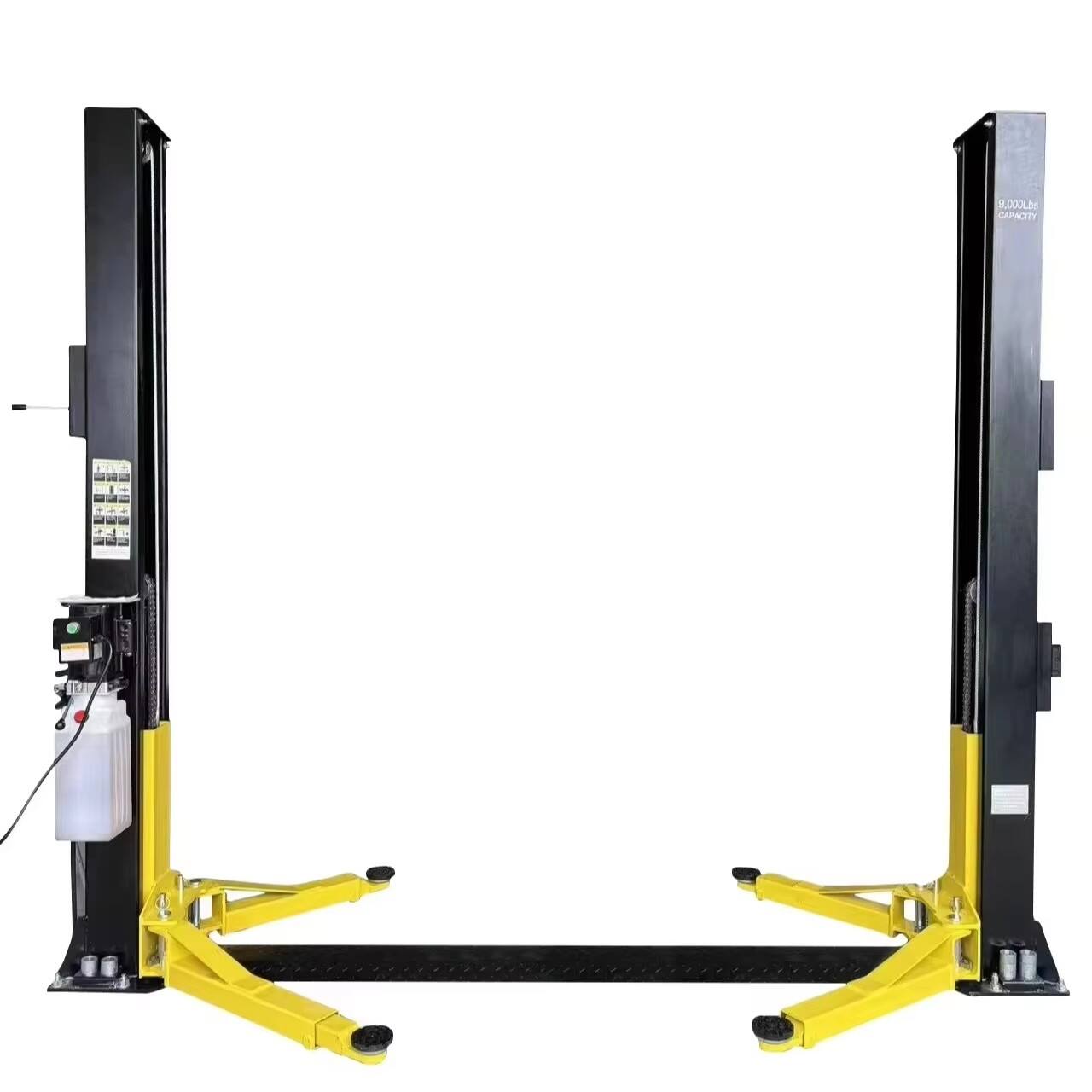
When planning to install a 2 post car lift in your automotive workshop or garage facility, understanding the precise space requirements is crucial for optimal functionality and safety compliance. A 2 post car lift represents one of the most efficient lifting solutions for vehicle maintenance operations, but proper spatial planning ensures maximum productivity while maintaining workplace safety standards. The space allocation for your lifting system directly impacts workflow efficiency, equipment accessibility, and long-term operational success in professional automotive environments.
Standard Dimensional Requirements for Professional Installation
Minimum Floor Space Specifications
The foundation requirements for a standard 2 post car lift installation typically demand a minimum floor area measuring 14 feet in width by 24 feet in length. This baseline measurement accommodates the structural footprint of most commercial-grade lifting systems while providing essential clearance zones around the equipment. Professional installers recommend expanding these dimensions to 16 feet by 26 feet when possible, creating additional maneuvering space for technicians and equipment mobility during maintenance operations.
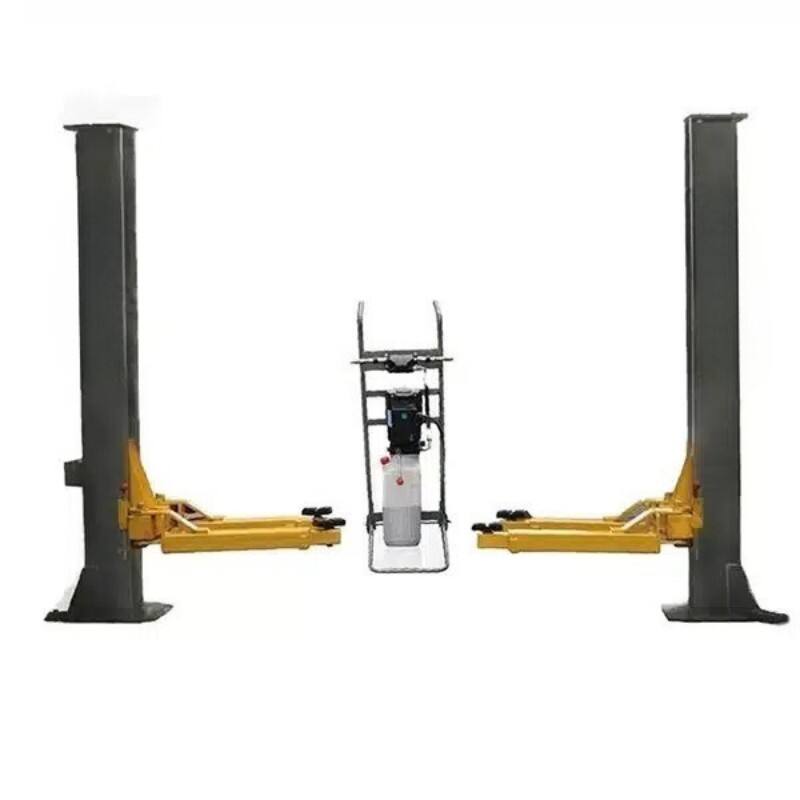
Beyond the basic footprint, the 2 post car lift configuration requires careful consideration of post positioning and arm extension capabilities. The distance between lifting posts usually ranges from 10 to 12 feet, depending on the specific model and weight capacity specifications. This spacing ensures proper vehicle support distribution while accommodating various automobile sizes from compact cars to full-size trucks and commercial vehicles.
Ceiling Height Considerations
Vertical clearance represents another critical factor in 2 post car lift installation planning, with minimum ceiling heights typically requiring 12 to 14 feet from floor to overhead obstacles. This measurement accounts for the maximum lifting height capability plus adequate clearance for technician access and tool manipulation beneath elevated vehicles. Higher ceiling installations provide enhanced flexibility for working on larger vehicles and enable full utilization of the lift's maximum elevation potential.
When evaluating ceiling height requirements, consider additional factors such as overhead lighting fixtures, ventilation systems, and electrical conduits that may reduce available clearance. Professional workshops often benefit from 16-foot or higher ceiling installations, providing optimal working conditions and accommodating future equipment upgrades or modifications to the lifting system configuration.
Safety Clearance and Accessibility Requirements
Perimeter Safety Zones
Establishing proper safety clearances around your 2 post car lift installation ensures compliance with occupational safety regulations while protecting personnel and equipment from potential hazards. Standard safety protocols require a minimum 3-foot clearance on all sides of the lifting equipment, creating adequate space for emergency egress and routine maintenance activities. These clearance zones also facilitate equipment inspection procedures and provide safe access paths during lift operation cycles.
Enhanced safety configurations often incorporate 4 to 5-foot clearance zones, particularly in high-traffic workshop environments where multiple technicians operate simultaneously. This expanded clearance accommodates mobile tool carts, diagnostic equipment, and other automotive service tools while maintaining clear sight lines between work stations and emergency equipment locations.
Vehicle Approach and Positioning Areas
Adequate approach zones enable smooth vehicle positioning and alignment with the 2 post car lift lifting points, reducing setup time and improving operational efficiency. Standard approach areas require approximately 20 feet of clear space in front of the lift installation, allowing drivers to position vehicles accurately without requiring excessive maneuvering in confined spaces. This approach distance accommodates vehicles of varying lengths while providing adequate space for precision alignment procedures.
Additional considerations include exit pathways behind the lifting equipment, typically requiring 8 to 10 feet of clear space for vehicle removal after service completion. These exit zones prevent bottlenecks in workshop traffic flow and enable efficient vehicle processing through multiple service bay configurations in larger automotive facilities.
Foundation and Structural Support Requirements
Concrete Foundation Specifications
The structural foundation supporting a 2 post car lift installation must meet stringent engineering requirements to ensure safe operation under maximum load conditions. Standard installations require reinforced concrete foundations with minimum thickness of 6 inches, though many manufacturers recommend 8-inch foundations for enhanced stability and long-term durability. The concrete mixture should achieve minimum compressive strength of 3,000 PSI, with proper curing time allowing full strength development before equipment installation.
Foundation dimensions typically extend 2 to 3 feet beyond the lift post footprint in all directions, distributing load forces across a broader area and preventing concrete cracking or settling over time. Professional installations often incorporate steel reinforcement bars within the concrete matrix, providing additional structural integrity and resistance to ground movement or seismic activity in applicable geographical regions.
Anchor Bolt Placement and Specifications
Precise anchor bolt positioning ensures proper 2 post car lift alignment and provides the necessary structural connection between lifting equipment and foundation systems. Most installations utilize high-strength anchor bolts ranging from 3/4-inch to 1-inch diameter, depending on lift capacity and manufacturer specifications. These fasteners must be positioned with extreme accuracy, as post-installation adjustments prove difficult and may compromise structural integrity.
The anchor bolt pattern typically follows manufacturer-provided templates, ensuring exact positioning relative to lift post mounting points and electrical connection requirements. Professional installers use laser alignment tools and precision measuring equipment to achieve proper bolt placement within tolerance specifications of plus or minus 1/8 inch in most commercial applications.
Electrical and Utility Infrastructure Planning
Power Supply Requirements
Electrical infrastructure planning for a 2 post car lift installation requires careful consideration of power requirements, circuit protection, and safety disconnect provisions. Most commercial lifting systems operate on 220-volt or 440-volt three-phase electrical service, with amperage requirements varying based on motor specifications and lifting capacity. Standard installations typically require dedicated 30 to 50-amp circuits, protected by appropriate circuit breakers and equipped with emergency disconnect switches within sight of the equipment.
Electrical conduit routing should avoid interference with vehicle approach paths while maintaining accessibility for maintenance and inspection procedures. Many installations benefit from overhead conduit runs, keeping electrical connections away from floor-level hazards while providing clean, professional appearances in customer-facing service areas.
Compressed Air and Auxiliary Services
Modern 2 post car lift systems often incorporate pneumatic safety locks, air-operated accessories, and other compressed air functions requiring dedicated air supply lines. Standard installations require compressed air systems delivering 90 to 120 PSI working pressure through properly sized distribution lines and filtration equipment. Air line routing should parallel electrical conduit paths when possible, maintaining organized utility runs and simplifying future maintenance procedures.
Additional utility considerations may include hydraulic oil return lines, control system wiring, and communication cables for integrated workshop management systems. Planning these utility requirements during initial space allocation prevents costly modifications and ensures optimal equipment performance throughout the operational lifecycle.
Workshop Layout Optimization Strategies
Multi-Bay Configuration Planning
Automotive facilities incorporating multiple 2 post car lift installations require strategic layout planning to maximize space utilization while maintaining operational efficiency. Standard multi-bay configurations position lifting equipment in parallel arrangements, with minimum 20-foot spacing between adjacent installations to accommodate vehicle maneuvering and technician mobility. This spacing allows simultaneous operation of multiple lifts without workflow interference or safety concerns.
Advanced layout strategies incorporate shared utility runs between adjacent bay positions, reducing installation costs while simplifying maintenance procedures. Central utility corridors can accommodate electrical distribution panels, compressed air manifolds, and hydraulic power units serving multiple lifting positions through organized distribution networks.
Equipment Integration and Workflow Enhancement
Effective space planning extends beyond basic 2 post car lift requirements to include complementary equipment positioning and workflow optimization features. Tool storage systems, parts washers, diagnostic equipment, and mobile service carts require dedicated space allocations within the overall facility layout. Strategic positioning of these support systems reduces technician movement time while maintaining clear access to lifting equipment and safety systems.
Modern workshop designs often incorporate modular storage solutions and flexible equipment mounting systems, allowing periodic reconfiguration as service requirements evolve. This adaptability proves particularly valuable in automotive facilities serving diverse customer bases with varying vehicle types and service complexity levels.
Compliance and Regulatory Considerations
Building Code Requirements
Local building codes and zoning regulations significantly impact 2 post car lift installation requirements, with specific provisions addressing structural loading, electrical systems, and occupational safety standards. Most jurisdictions require professional engineering review of foundation designs and structural support systems, particularly for installations in existing buildings where load-bearing capacity may require evaluation and potential reinforcement.
Permit requirements vary by location but typically include structural, electrical, and occupational safety inspections throughout the installation process. Early consultation with local building authorities helps identify specific requirements and prevents costly delays during project implementation phases.
Insurance and Liability Considerations
Commercial insurance providers often maintain specific requirements for 2 post car lift installations, including safety equipment specifications, operator training documentation, and regular inspection protocols. These requirements may influence space planning decisions, particularly regarding emergency egress routes, fire suppression system placement, and safety equipment accessibility.
Professional installation documentation and ongoing maintenance records provide essential protection against liability claims while demonstrating compliance with manufacturer warranties and insurance policy provisions. Proper record-keeping practices should be integrated into initial space planning considerations to ensure adequate storage and accessibility for required documentation.
FAQ
What is the minimum garage size needed for a 2 post car lift installation
A minimum garage size of 14 feet wide by 24 feet long is required for basic 2 post car lift installation, though 16 feet by 26 feet provides better operational clearance. Ceiling height should be at least 12 to 14 feet to accommodate maximum lifting capability and technician access requirements. These dimensions ensure adequate safety clearances while providing space for vehicle positioning and equipment operation.
How much clearance space is required around the lifting equipment
Standard safety protocols require minimum 3-foot clearances on all sides of the 2 post car lift installation, with 4 to 5-foot clearances recommended for high-traffic workshop environments. Additionally, 20 feet of approach space in front of the lift and 8 to 10 feet of exit space behind the equipment ensure proper vehicle positioning and traffic flow management.
What foundation requirements must be met for proper installation
A reinforced concrete foundation with minimum 6-inch thickness (8 inches recommended) and 3,000 PSI compressive strength is required for safe 2 post car lift installation. The foundation should extend 2 to 3 feet beyond the lift post footprint in all directions, with precisely positioned anchor bolts following manufacturer specifications for proper equipment mounting and structural integrity.
Are there specific electrical requirements that affect space planning
Most 2 post car lift installations require dedicated 220-volt or 440-volt three-phase electrical service with 30 to 50-amp capacity, depending on equipment specifications. Electrical panels, disconnect switches, and conduit routing must be planned within the allocated space while maintaining accessibility for maintenance and compliance with local electrical codes and safety regulations.