 EN
EN

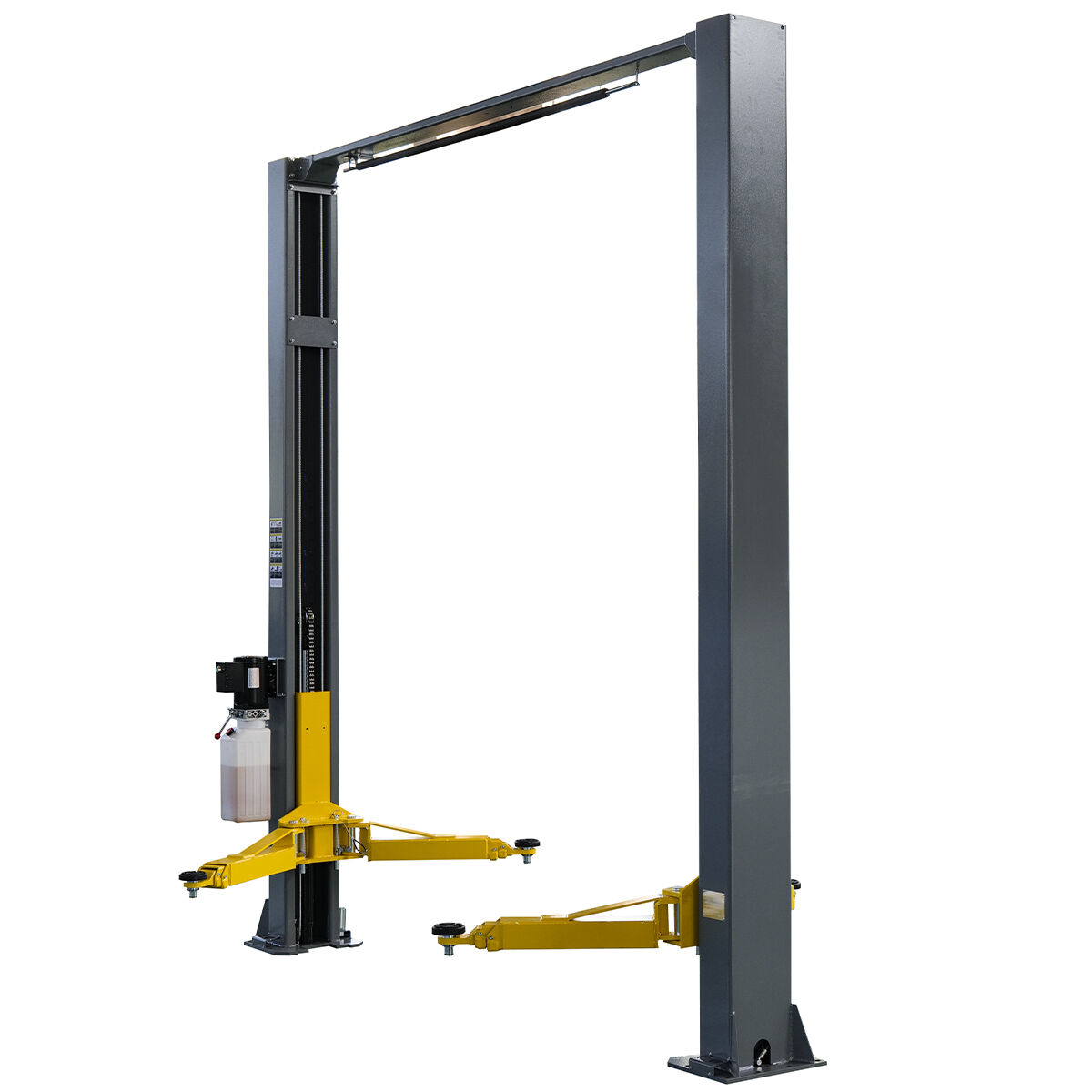
Professional automotive workshops demand equipment that delivers exceptional reliability, efficiency, and safety standards. Among the various lifting solutions available in the market, the 2 post car lift has emerged as the preferred choice for mechanics worldwide. This preference stems from a combination of practical advantages, operational flexibility, and cost-effectiveness that makes these systems indispensable in modern automotive service environments. Understanding why mechanics consistently choose 2 post car lift systems reveals the strategic importance of selecting the right lifting equipment for professional automotive operations.
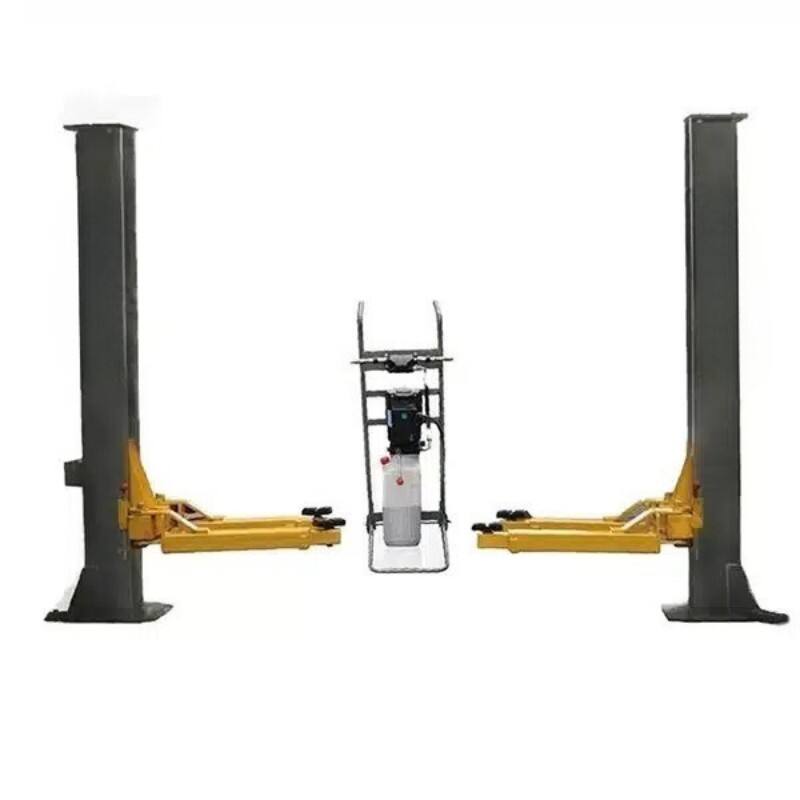
Superior Space Efficiency and Workshop Layout
Maximizing Floor Space Utilization
The 2 post car lift design offers unparalleled space efficiency compared to alternative lifting solutions. Unlike four-post lifts that require substantial floor space and create obstacles throughout the service bay, a 2 post car lift maximizes available working area. This configuration allows mechanics to position tools, equipment carts, and diagnostic machines closer to the vehicle without interference from lift components. The open design ensures that technicians can access the vehicle from multiple angles, enhancing workflow efficiency and reducing time spent maneuvering around equipment.
Workshop owners consistently report improved space utilization when implementing 2 post car lift systems. The vertical column design minimizes the lift's footprint while maintaining structural integrity and lifting capacity. This space efficiency becomes particularly valuable in urban automotive facilities where real estate costs are premium and every square foot must generate maximum productivity. Professional mechanics appreciate this design advantage as it allows for more efficient bay layouts and improved customer vehicle throughput.
Flexible Installation and Configuration Options
Modern 2 post car lift systems offer remarkable installation flexibility that accommodates various workshop configurations. The adjustable column positioning allows mechanics to customize the lift setup based on specific service requirements and available space constraints. This adaptability proves essential when working with different vehicle types, from compact cars to light commercial vehicles, ensuring optimal lifting point placement for each application.
Installation professionals consistently recommend 2 post car lift systems for workshops requiring versatile lifting solutions. The ability to adjust arm positions and lifting points provides mechanics with the flexibility needed to service diverse vehicle types efficiently. This configuration flexibility extends beyond initial installation, allowing workshop owners to modify their setup as business needs evolve or when expanding service capabilities to accommodate different vehicle categories.
Enhanced Accessibility and Working Comfort
Unrestricted Undercarriage Access
One of the primary reasons mechanics prefer 2 post car lift systems is the exceptional undercarriage access they provide. The open design eliminates floor-mounted components that might obstruct access to critical vehicle systems, allowing technicians to work efficiently on exhaust systems, transmission components, and suspension elements. This unrestricted access significantly reduces the time required for diagnostic procedures and repair operations, directly improving workshop productivity and service quality.
Experienced automotive technicians recognize that efficient undercarriage access is crucial for thorough vehicle inspections and complex repair procedures. The 2 post car lift configuration ensures that mechanics can position themselves optimally for each task without working around lift components. This accessibility advantage becomes particularly evident during brake system service, exhaust repairs, and transmission maintenance, where clear access paths are essential for safe and efficient work completion.
Improved Ergonomics and Technician Safety
Professional mechanics spend considerable time working in physically demanding positions, making ergonomic considerations paramount in equipment selection. The 2 post car lift design allows technicians to maintain better working postures by providing adjustable height options and clear access paths. This ergonomic advantage reduces physical strain and fatigue, contributing to improved work quality and reduced risk of workplace injuries.
Safety considerations extend beyond ergonomics to include operational safety features inherent in quality 2 post car lift systems. Modern units incorporate multiple safety mechanisms, including automatic locking systems, pressure relief valves, and load-balancing features that protect both technicians and vehicles. These safety systems provide mechanics with confidence in their equipment, allowing them to focus on service quality rather than equipment reliability concerns.
Operational Efficiency and Productivity Benefits
Faster Vehicle Positioning and Setup
Time efficiency represents a critical factor in automotive service profitability, making the quick setup capabilities of 2 post car lift systems particularly valuable. Mechanics can position vehicles accurately and initiate lifting operations in minimal time, reducing non-productive setup periods. The intuitive arm adjustment mechanisms and clear positioning indicators enable even less experienced technicians to operate the equipment efficiently without extensive training periods.
The streamlined operation of a 2 post car lift translates directly into improved daily productivity metrics. Workshop managers consistently report increased vehicle throughput when upgrading to modern 2 post car lift systems, as the reduced setup and positioning time allows mechanics to complete more services per day. This efficiency improvement provides a measurable return on investment while enhancing customer satisfaction through reduced service times.
Versatile Service Capability
The versatility of 2 post car lift systems enables workshops to expand their service offerings without investing in multiple specialized lifting solutions. These systems accommodate everything from routine maintenance procedures to complex repair operations, providing mechanics with a single tool capable of supporting diverse service requirements. This versatility proves particularly valuable for independent shops and smaller operations where equipment investment must maximize utility across multiple service categories.
Professional mechanics appreciate the ability to transition seamlessly between different service types using the same 2 post car lift system. Whether performing oil changes, brake service, exhaust repairs, or diagnostic procedures, the lift configuration adapts to each requirement without time-consuming reconfiguration. This operational flexibility allows workshops to accept a broader range of service requests and maintain competitive positioning in diverse market segments.
Cost-Effectiveness and Return on Investment
Lower Initial Investment Requirements
Budget considerations significantly influence equipment selection decisions in automotive workshops, particularly for smaller operations and independent mechanics. The 2 post car lift typically requires a lower initial investment compared to alternative lifting solutions with similar capacity, making professional-grade equipment accessible to a broader range of workshop owners. This affordability factor enables mechanics to upgrade their facilities without overwhelming capital expenditure requirements.
The cost advantage of 2 post car lift systems extends beyond purchase price to include installation and setup expenses. The simpler installation requirements and reduced infrastructure modifications needed for these systems result in lower total implementation costs. Workshop owners consistently find that the combination of competitive equipment pricing and reasonable installation expenses makes 2 post car lift systems the most cost-effective solution for professional lifting requirements.
Reduced Maintenance and Operating Costs
Long-term operating costs play a crucial role in equipment selection decisions, making the maintenance efficiency of 2 post car lift systems particularly attractive. The simpler mechanical design requires fewer components and maintenance points compared to more complex lifting solutions, resulting in lower ongoing service requirements and reduced downtime for maintenance procedures. This maintenance efficiency contributes to better overall equipment reliability and longer service life.
Energy efficiency considerations further enhance the cost-effectiveness of 2 post car lift systems. Modern hydraulic and pneumatic systems incorporate energy-saving features that reduce operational costs while maintaining performance standards. Mechanics appreciate this efficiency as it contributes to lower utility expenses and supports environmentally responsible workshop operations without compromising lifting capability or safety standards.
Safety Features and Reliability Standards
Advanced Safety Mechanisms
Safety represents the paramount concern in automotive lifting operations, making the comprehensive safety features of modern 2 post car lift systems a primary selection factor. These systems incorporate multiple redundant safety mechanisms, including automatic locking systems that engage at predetermined height intervals, providing secure vehicle positioning throughout service procedures. The mechanical backup systems ensure continued safety even in the event of hydraulic system failure or power interruption.
Professional mechanics require confidence in their equipment safety systems, particularly when working beneath elevated vehicles. The 2 post car lift design incorporates fail-safe mechanisms that prevent unexpected lowering and provide visual and audible safety indicators. These features enable technicians to work with complete confidence, knowing that multiple safety systems protect against equipment failure and operational errors.
Compliance with Industry Standards
Regulatory compliance requirements mandate that automotive lifting equipment meet specific safety and performance standards. Quality 2 post car lift systems are designed and manufactured to exceed these requirements, providing workshop owners with equipment that meets or surpasses regulatory expectations. This compliance assurance protects businesses from liability concerns while ensuring that mechanics have access to equipment that meets professional industry standards.
Insurance considerations also influence equipment selection decisions, as many policies require certified lifting equipment for coverage validation. The 2 post car lift systems from reputable manufacturers include necessary certifications and compliance documentation, simplifying the insurance approval process and providing additional protection for workshop operations. This regulatory compliance advantage adds value beyond the equipment's operational capabilities.
FAQ
What weight capacity do most 2 post car lift systems support?
Most professional-grade 2 post car lift systems support weight capacities ranging from 9,000 to 15,000 pounds, with some heavy-duty models capable of lifting up to 20,000 pounds. The capacity should be selected based on the types of vehicles typically serviced, ensuring adequate safety margin above the heaviest vehicle weight expected. Standard passenger vehicles and light trucks fall comfortably within the capacity range of most 2 post car lift systems.
How much ceiling height is required for proper 2 post car lift installation?
Minimum ceiling height requirements for 2 post car lift installation typically range from 11 to 12 feet, depending on the specific model and lifting capacity. This height requirement accommodates the full extension of the lift arms while providing adequate clearance for vehicle doors and hoods when opened. Higher ceiling heights allow for greater lifting range and improved accessibility for taller vehicles and service procedures.
What maintenance schedule should be followed for 2 post car lift systems?
Regular maintenance schedules for 2 post car lift systems typically include daily visual inspections, weekly lubrication of moving components, and monthly hydraulic system checks. Annual professional inspections are recommended to verify safety system operation and overall equipment condition. Following manufacturer-recommended maintenance schedules ensures optimal performance, extends equipment life, and maintains safety certification requirements.
Can 2 post car lift systems accommodate different vehicle types safely?
Modern 2 post car lift systems feature adjustable arm positions and various adapter options that safely accommodate different vehicle types, from compact cars to pickup trucks and SUVs. The key is proper lifting point identification and appropriate adapter selection for each vehicle type. Professional installation and operator training ensure safe operation across diverse vehicle categories while maintaining lifting capacity and safety standards.