 EN
EN

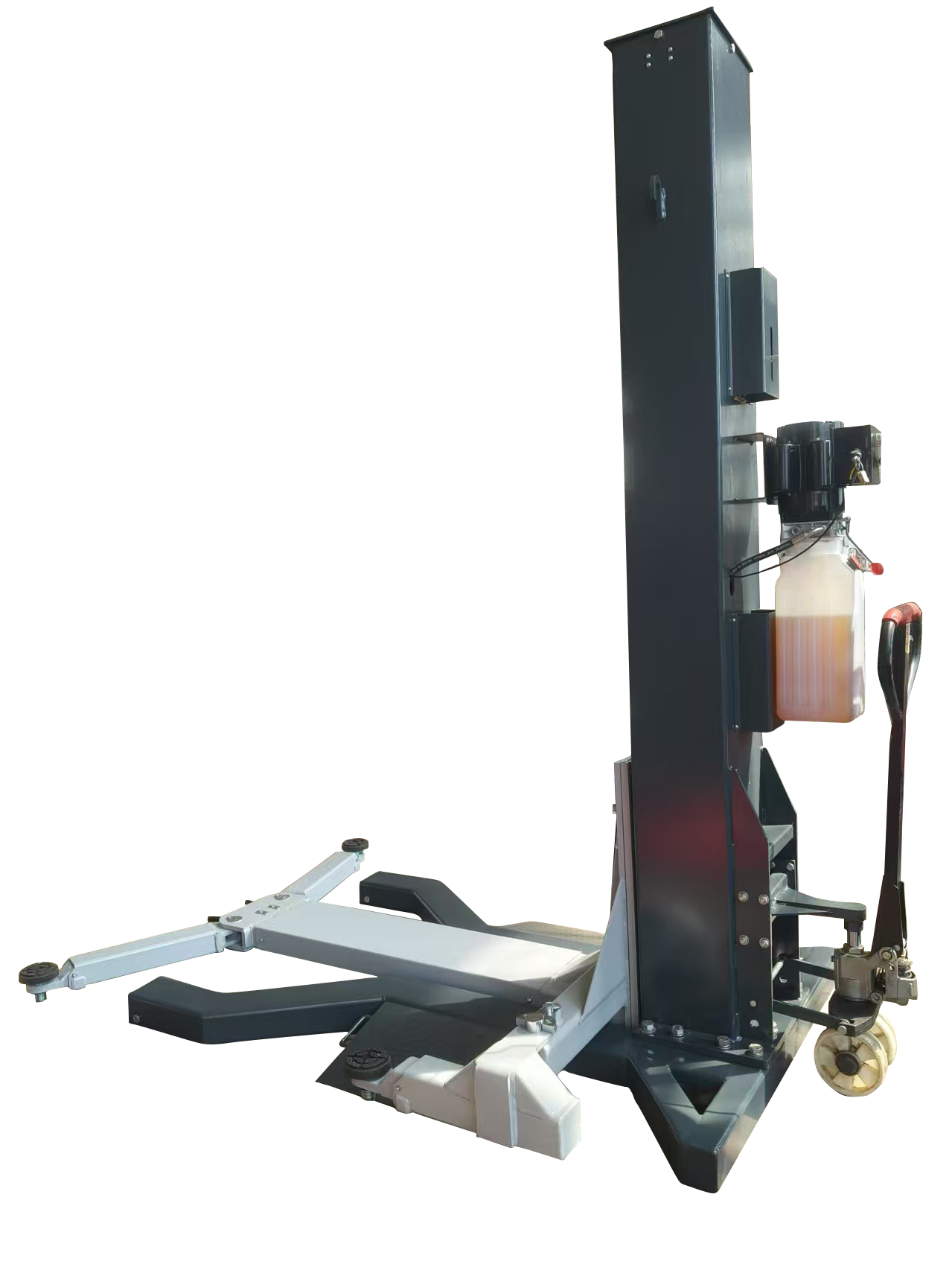
Selecting the right single post car lift for your garage or automotive facility requires careful consideration of multiple factors that directly impact performance, safety, and long-term value. A single post car lift represents a significant investment in your vehicle maintenance capabilities, offering superior accessibility and efficient use of floor space compared to traditional two-post systems. Understanding the key specifications, weight capacities, and installation requirements will help you make an informed decision that meets your specific needs and budget constraints.
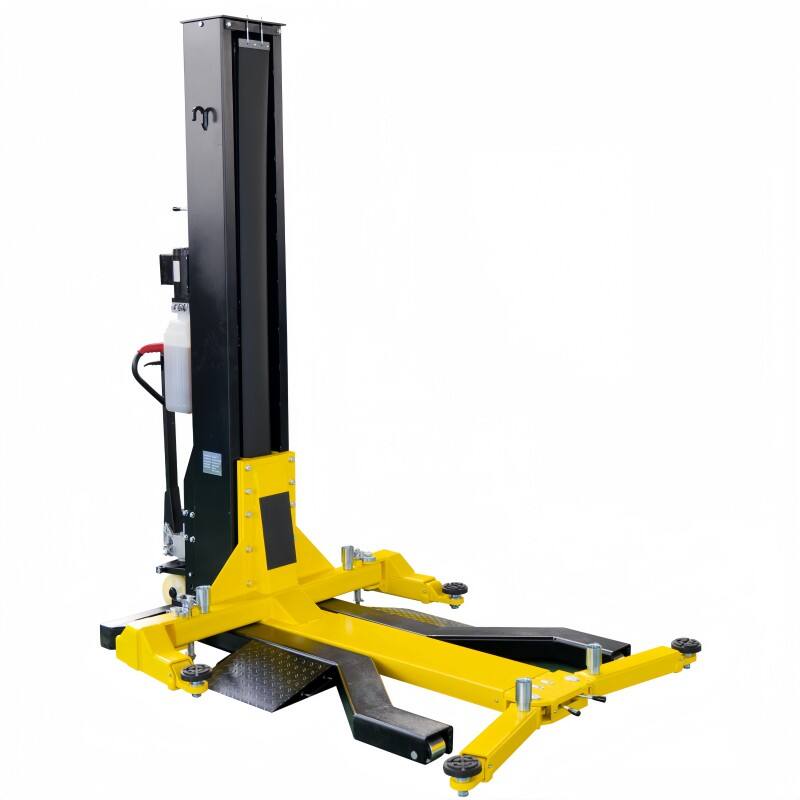
Understanding Single Post Car Lift Technology
Hydraulic System Components
Modern single post car lift systems rely on advanced hydraulic technology to provide smooth, reliable lifting operations. The hydraulic cylinder serves as the primary lifting mechanism, utilizing pressurized fluid to generate the tremendous force required to elevate vehicles weighing several tons. High-quality lifts incorporate precision-engineered seals, valves, and pumps that ensure consistent performance over thousands of lifting cycles. The hydraulic fluid reservoir must maintain proper levels and quality to prevent system failures and extend operational life.
Safety features integrated into the hydraulic system include pressure relief valves that prevent overloading and automatic descent control mechanisms that ensure controlled lowering speeds. Many professional-grade single post car lift models feature dual hydraulic circuits for redundant safety protection. The hydraulic power unit should be positioned for easy access during routine maintenance while remaining protected from debris and contamination that could compromise system integrity.
Structural Engineering Considerations
The structural design of a single post car lift determines its stability, weight capacity, and overall durability under demanding workshop conditions. Heavy-duty steel construction with reinforced welding at critical stress points ensures the lift can handle maximum rated loads without flexing or vibration. The post diameter and wall thickness directly correlate to the lift's weight capacity and resistance to lateral forces during vehicle positioning and maintenance operations.
Foundation requirements vary significantly between different single post car lift models, with some requiring concrete pads several feet deep while others utilize surface mounting systems. The lift's center of gravity and weight distribution affect installation complexity and ongoing stability. Professional installation ensures proper alignment and secure anchoring that prevents movement or settling over time, which could compromise safety and operational precision.
Weight Capacity and Vehicle Compatibility
Determining Proper Load Ratings
Selecting the appropriate weight capacity for your single post car lift requires analyzing the heaviest vehicles you plan to service regularly. Standard passenger cars typically weigh between 3,000 and 4,500 pounds, while SUVs and light trucks can exceed 6,000 pounds. Professional shops servicing commercial vehicles may require lifts rated for 10,000 pounds or more. Always choose a lift with capacity exceeding your heaviest anticipated load by at least 20 percent to ensure safe operation and extend equipment life.
Weight distribution becomes critical when working with longer wheelbase vehicles or those with unusual weight balance characteristics. A quality single post car lift incorporates adjustable support arms and pads that accommodate various vehicle configurations while maintaining proper load distribution. Uneven weight placement can create dangerous lifting conditions and potentially damage both the vehicle and lift equipment.
Vehicle Size and Clearance Requirements
The physical dimensions of your workspace and the vehicles you service determine the minimum lift height and arm extension capabilities required. Standard single post car lift models provide lifting heights ranging from 6 feet to over 8 feet, allowing adequate clearance for most maintenance tasks. Consider future needs when selecting lift height, as upgrading later requires complete replacement of the primary lifting mechanism.
Arm reach and adjustment range affect the lift's versatility with different vehicle types. Compact cars require different support point configurations compared to full-size trucks or sports cars with low ground clearance. Quality lifts offer telescoping arms with multiple locking positions and rotating pads that accommodate various frame and suspension designs safely and securely.
Installation and Space Requirements
Garage Layout Optimization
Proper placement of your single post car lift maximizes workspace efficiency while ensuring safe vehicle access and egress. The lift should be positioned to allow comfortable movement around raised vehicles while providing adequate clearance for tools, equipment, and personnel. Consider overhead obstacles such as garage doors, light fixtures, and storage systems that could interfere with lift operation or limit working height.
Electrical requirements vary between different single post car lift models, with most requiring dedicated 220-volt circuits and appropriate amperage capacity. Plan electrical installation during initial garage setup to minimize retrofit costs and ensure proper grounding and safety compliance. Some models offer optional wireless remote controls that enhance operator convenience and safety during vehicle positioning.
Foundation and Mounting Specifications
Foundation requirements depend on soil conditions, lift capacity, and manufacturer specifications that ensure stable, long-term operation. Most single post car lift installations require concrete pads with specific depth and reinforcement requirements to distribute loads safely. Proper foundation preparation prevents settling, misalignment, and potential safety hazards that could develop over time.
Surface-mounted lifts offer installation flexibility in existing garages but may require floor reinforcement to handle concentrated loads. Consult structural engineers when installing heavy-capacity lifts in residential garages or buildings not originally designed for such equipment. Professional installation ensures compliance with local building codes and manufacturer warranty requirements.
Safety Features and Compliance Standards
Mechanical Safety Systems
Modern single post car lift designs incorporate multiple mechanical safety features that prevent accidents and equipment failures. Automatic locking mechanisms engage at predetermined heights to prevent accidental descent if hydraulic pressure is lost. Manual release systems allow controlled lowering in emergency situations while safety chains or cables provide backup support during maintenance operations.
Load monitoring systems alert operators to overweight conditions and prevent lifting beyond safe capacity limits. Quality lifts include visual and audible warnings that activate when approaching maximum load or height limits. Regular inspection and testing of safety systems ensures continued reliable operation and compliance with workplace safety regulations.
Regulatory Compliance and Certifications
Professional automotive lifts must meet specific industry standards and safety certifications to ensure legal compliance and insurance coverage. Look for single post car lift models certified by recognized testing organizations such as ALI (Automotive Lift Institute) or equivalent international standards bodies. These certifications verify that the lift meets rigorous safety and performance requirements through independent testing and evaluation.
Regular inspections and maintenance records help maintain compliance with workplace safety regulations and insurance requirements. Many jurisdictions require annual inspections by qualified technicians who verify proper operation of all safety systems and structural integrity. Maintaining detailed service records protects against liability issues and ensures continued regulatory compliance.
Maintenance and Operational Considerations
Routine Maintenance Requirements
Proper maintenance extends the operational life of your single post car lift while ensuring safe, reliable performance throughout its service life. Regular hydraulic fluid changes prevent contamination and maintain optimal system pressure and response characteristics. Filter replacement schedules vary by usage intensity but typically require attention every 500 to 1000 operating hours depending on environmental conditions and lift capacity.
Lubrication of moving components prevents premature wear and ensures smooth operation of arms, pivots, and locking mechanisms. Visual inspections should identify loose bolts, worn components, or hydraulic leaks before they become safety hazards. Professional service technicians can provide comprehensive maintenance programs that maximize equipment reliability while minimizing downtime and repair costs.
Troubleshooting Common Issues
Understanding common operational issues helps operators identify problems early and prevent major equipment failures. Slow lifting speeds often indicate hydraulic fluid contamination, worn pumps, or internal seal deterioration that requires professional attention. Uneven lifting or drift during operation may signal air in the hydraulic system or worn cylinder seals that compromise lifting precision.
Unusual noises during operation can indicate mechanical wear, loose components, or lubrication deficiencies that require immediate attention. Regular operator training ensures proper use techniques that prevent abuse and extend equipment life. Maintaining detailed operation logs helps identify patterns that may indicate developing problems before they result in equipment failure or safety hazards.
Cost Analysis and Return on Investment
Initial Investment Considerations
The purchase price of a single post car lift represents only part of the total investment required for full installation and operation. Professional installation costs vary by location and complexity but typically add 15 to 25 percent to the equipment cost. Foundation preparation, electrical work, and permits may require additional investment that should be factored into the total project budget.
Quality differences between manufacturers significantly impact long-term value and operational costs. Premium single post car lift models command higher initial prices but typically offer superior reliability, longer service life, and better warranty coverage. Consider total cost of ownership including maintenance, repairs, and productivity benefits when comparing different models and price points.
Productivity and Efficiency Benefits
Professional mechanics and serious automotive enthusiasts realize substantial time savings and improved work quality when using properly selected single post car lift equipment. Elevated vehicle access eliminates the need for creepers, floor jacks, and safety stands while providing comfortable working positions that reduce fatigue and improve precision. Time savings of 30 to 50 percent on routine maintenance tasks translate directly into increased productivity and profitability.
Enhanced safety reduces insurance costs and liability exposure while creating more professional working environments. The ability to service vehicles efficiently attracts customers and increases service capacity without requiring additional floor space. Quality lifts maintain their value well and often transfer to new facilities if business needs change, providing flexibility and asset protection for long-term planning.
FAQ
What is the minimum ceiling height required for installing a single post car lift?
Most single post car lift installations require minimum ceiling heights between 11 and 14 feet depending on the lift model and maximum raising height. This allows adequate clearance for the lifted vehicle plus working space underneath. Always verify specific requirements with the manufacturer before purchase, as some compact models designed for home garages may operate in lower ceiling applications while maintaining full functionality.
How much floor space does a typical single post car lift require?
A standard single post car lift typically requires a floor area of approximately 12 by 8 feet for safe operation, including clearance around the vehicle and lift arms. This compact footprint makes single post designs ideal for smaller garages where space efficiency is critical. Additional clearance may be required for door operation and emergency access depending on local safety codes and manufacturer recommendations.
Can a single post car lift handle all types of vehicles safely?
Quality single post car lift systems can safely accommodate most passenger cars, light trucks, and SUVs within their rated weight capacity. However, vehicles with unusual weight distribution, very low ground clearance, or non-standard frame configurations may require special adapters or may not be suitable for single post lifting. Always consult the manufacturer's compatibility guide and ensure proper lifting point identification before attempting to raise any unfamiliar vehicle type.
What type of regular maintenance does a single post car lift require?
Regular maintenance includes monthly visual inspections, quarterly lubrication of moving parts, and annual hydraulic fluid changes. Professional inspection and testing of safety systems should occur at least annually or according to local regulations. Proper maintenance extends equipment life significantly and ensures continued safe operation. Many manufacturers provide detailed maintenance schedules and offer service programs through authorized dealers to simplify ongoing care requirements.