 EN
EN

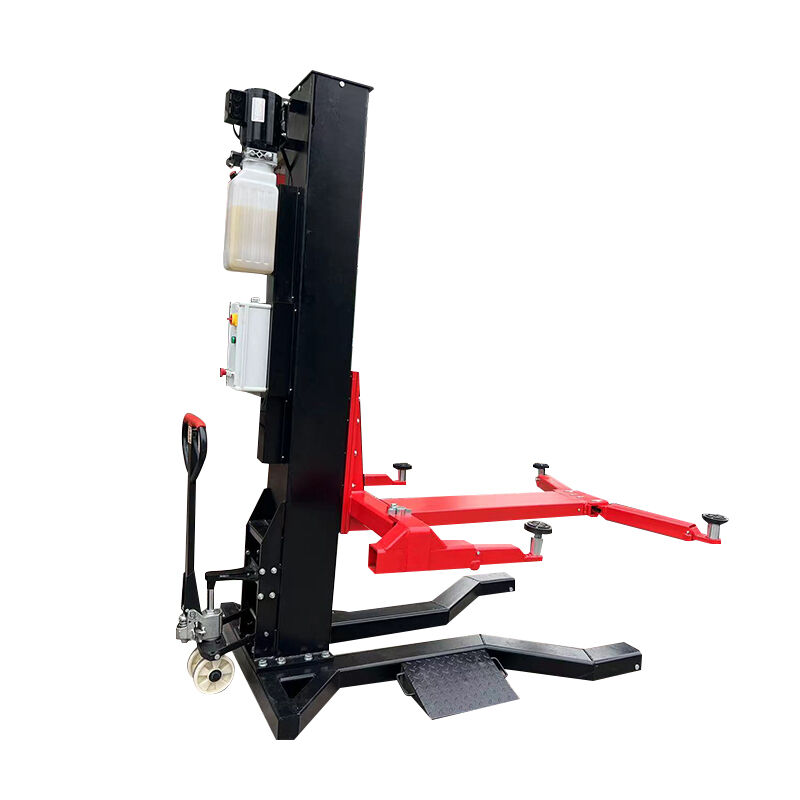
When establishing or upgrading an automotive service facility, selecting the right equipment partner becomes crucial for long-term operational success. Professional car lifts manufacturers provide the foundation upon which your shop's efficiency, safety, and profitability depend. The decision to partner with specific car lifts manufacturers requires careful evaluation of multiple factors that extend beyond initial purchase price. Understanding the landscape of available suppliers, their manufacturing standards, and service capabilities ensures your investment delivers maximum return while maintaining the highest safety standards for your technicians and customers.
Manufacturing Quality and Certification Standards
Industry Certification Requirements
Reputable car lifts manufacturers maintain rigorous certification standards that demonstrate their commitment to safety and quality. Look for manufacturers who hold certifications from recognized organizations such as the Automotive Lift Institute (ALI) or equivalent international bodies. These certifications ensure that the equipment meets or exceeds established safety protocols and performance standards. Manufacturers with proper certifications typically undergo regular audits and testing procedures that validate their production processes and final product quality.
The certification process involves extensive testing of lifting mechanisms, structural integrity, and safety systems under various load conditions. Car lifts manufacturers who invest in comprehensive certification demonstrate their dedication to producing reliable equipment that protects both operators and vehicles. Additionally, certified manufacturers often provide detailed documentation and compliance records that may be required for insurance purposes or regulatory inspections in your facility.
Material Quality and Construction Methods
The foundation of any reliable automotive lift lies in the quality of materials and construction techniques employed during manufacturing. Leading car lifts manufacturers utilize high-grade steel alloys that provide exceptional strength-to-weight ratios and resistance to fatigue over extended operational periods. The welding processes, heat treatment procedures, and finishing techniques all contribute to the overall durability and performance characteristics of the final product.
Examine the manufacturing processes used by potential suppliers, including their quality control measures and testing protocols. Established car lifts manufacturers typically employ automated welding systems, precision machining equipment, and comprehensive inspection procedures that ensure consistent quality across their product lines. The use of advanced metallurgy and engineering techniques often distinguishes premium manufacturers from budget-oriented competitors who may compromise on material specifications to achieve lower price points.
Technical Specifications and Performance Capabilities
Load Capacity and Safety Margins
Understanding the technical specifications provided by car lifts manufacturers requires careful analysis of load ratings, safety factors, and operational parameters. The rated lifting capacity should align with the types of vehicles your shop services, while maintaining adequate safety margins for unexpected load variations. Professional-grade manufacturers typically design their equipment with safety factors that exceed industry minimums, providing additional protection against overload conditions or component wear over time.
Consider the distribution of weight across the lifting points and how different manufacturers address load balancing requirements. Some car lifts manufacturers incorporate advanced load monitoring systems or automatic safety mechanisms that prevent operation under unsafe conditions. The ability to handle asymmetric loads or vehicles with unusual weight distributions becomes particularly important for shops that service a diverse range of automotive types, from compact cars to heavy trucks or specialty vehicles.
Operational Speed and Efficiency Features
The operational characteristics of lifting equipment directly impact shop productivity and technician efficiency. Evaluate the lifting and lowering speeds offered by different car lifts manufacturers, considering how these specifications align with your workflow requirements. Faster cycle times can significantly improve throughput in high-volume operations, while precise speed control becomes essential for delicate positioning operations or when working with valuable vehicles.
Modern car lifts manufacturers often incorporate variable speed controls, soft-start mechanisms, and precision positioning features that enhance operational flexibility. The integration of smart controls, remote operation capabilities, or automated positioning systems can further improve efficiency while reducing operator fatigue. Consider how these advanced features might benefit your specific operational requirements and whether the additional investment justifies the potential productivity gains.
Service Support and Warranty Coverage
Technical Support Infrastructure
The quality of ongoing technical support provided by car lifts manufacturers often determines the long-term success of your equipment investment. Evaluate the manufacturer's service network, response times for technical inquiries, and availability of qualified technicians in your geographic area. Comprehensive support infrastructure includes phone and online technical assistance, detailed maintenance documentation, and access to genuine replacement parts when needed.
Leading car lifts manufacturers typically maintain extensive training programs for their service technicians and provide ongoing education resources for equipment operators. The availability of remote diagnostics, troubleshooting guides, and video tutorials can significantly reduce downtime when minor issues arise. Consider whether the manufacturer offers on-site service visits, emergency support options, or maintenance contracts that align with your operational requirements and budget constraints.
Warranty Terms and Coverage Scope
Warranty coverage varies significantly among car lifts manufacturers and often reflects the manufacturer's confidence in their product quality and reliability. Comprehensive warranty programs typically cover structural components, hydraulic systems, electrical controls, and other critical elements for extended periods. Review the specific terms and conditions, including coverage limitations, maintenance requirements, and procedures for warranty claims or service requests.
Some car lifts manufacturers offer extended warranty options or performance guarantees that provide additional protection for your investment. Consider the total cost of ownership when evaluating warranty coverage, including potential repair costs, replacement part availability, and service labor rates. Manufacturers with strong warranty programs often demonstrate greater commitment to customer satisfaction and product reliability over the equipment's operational lifespan.
Installation Requirements and Site Preparation
Foundation and Infrastructure Specifications
Proper installation forms the foundation for safe and reliable operation of automotive lifting equipment. Different car lifts manufacturers may have varying requirements for concrete specifications, anchor bolt configurations, and facility modifications. Understanding these requirements during the evaluation process helps avoid unexpected costs or delays during installation. Some manufacturers provide detailed engineering drawings and specifications that facilitate accurate cost estimation for site preparation work.
Consider the flexibility offered by different manufacturers regarding installation configurations and space requirements. Some car lifts manufacturers design their equipment to accommodate challenging installation environments or provide modular systems that can be adapted to existing facility layouts. The ability to work within space constraints or integrate with existing shop equipment can significantly impact the total project cost and timeline.
Professional Installation Services
The complexity of automotive lift installation requires specialized knowledge and experience that may not be available through general contractors. Many car lifts manufacturers provide professional installation services or maintain networks of certified installers who understand the specific requirements for their equipment. Professional installation ensures compliance with safety standards, proper calibration of lifting mechanisms, and validation of all safety systems before equipment commissioning.
Evaluate whether potential manufacturers offer installation services, training programs for your staff, or certification processes for local contractors. The availability of comprehensive installation support can significantly reduce project risks and ensure optimal equipment performance from the beginning. Some car lifts manufacturers also provide post-installation inspections or commissioning services that validate proper operation and provide documentation for insurance or regulatory compliance purposes.
Cost Analysis and Value Considerations
Initial Investment and Total Cost of Ownership
While initial purchase price represents a significant factor in equipment selection, the total cost of ownership provides a more comprehensive view of the investment value. Consider maintenance requirements, energy consumption, replacement part costs, and expected service life when comparing offerings from different car lifts manufacturers. Equipment with higher initial costs may deliver superior long-term value through reduced maintenance requirements, improved reliability, or enhanced productivity capabilities.
Develop comprehensive cost models that include installation expenses, training costs, insurance considerations, and potential downtime impacts. Some car lifts manufacturers offer financing programs, leasing options, or trade-in allowances that can improve the financial attractiveness of their equipment. Consider how different payment structures align with your cash flow requirements and business growth plans when making final selection decisions.
Return on Investment Potential
The productivity improvements and operational efficiencies enabled by quality lifting equipment directly impact your shop's profitability and growth potential. Evaluate how different manufacturers' equipment might enhance your service capabilities, reduce labor costs, or enable expansion into new service areas. High-quality lifts often enable faster vehicle processing, improved safety records, and enhanced customer satisfaction that translates into increased revenue opportunities.
Consider the reputation and market positioning associated with equipment from established car lifts manufacturers. Premium equipment brands may enhance your shop's professional image and customer confidence, while reliable equipment reduces the risk of service interruptions that could damage customer relationships. The ability to handle a broader range of vehicles or provide specialized services often justifies the investment in superior equipment from recognized manufacturers.
FAQ
What certifications should I look for when evaluating car lifts manufacturers
Look for manufacturers certified by the Automotive Lift Institute (ALI), ISO quality management standards, and relevant regional safety certifications. These certifications demonstrate adherence to established safety protocols and quality standards. Additionally, verify that the manufacturer maintains current certifications and undergoes regular audits to ensure ongoing compliance with industry requirements.
How important is local service support when choosing car lifts manufacturers
Local service support is crucial for minimizing downtime and ensuring prompt resolution of technical issues. Evaluate the manufacturer's service network coverage in your area, response times for service calls, and availability of trained technicians. Remote support capabilities and comprehensive documentation can supplement local service but cannot completely replace the need for nearby technical expertise when complex issues arise.
What factors affect the total cost of ownership beyond the initial purchase price
Total cost of ownership includes maintenance requirements, energy consumption, replacement parts availability and cost, training expenses, insurance premiums, and potential downtime costs. Consider the equipment's expected service life, warranty coverage, and the manufacturer's reputation for reliability when calculating long-term ownership costs. Higher-quality equipment from established car lifts manufacturers often provides better long-term value despite higher initial investments.
How do I determine the appropriate lifting capacity for my shop's needs
Analyze the weight range of vehicles your shop typically services and add a safety margin of at least 20-30% above the heaviest expected loads. Consider future growth plans and potential changes in your service offerings that might require handling heavier vehicles. Consult with car lifts manufacturers about load distribution requirements and safety factors to ensure your selected equipment can safely handle your operational demands while maintaining compliance with safety regulations.
Table of Contents
- Manufacturing Quality and Certification Standards
- Technical Specifications and Performance Capabilities
- Service Support and Warranty Coverage
- Installation Requirements and Site Preparation
- Cost Analysis and Value Considerations
-
FAQ
- What certifications should I look for when evaluating car lifts manufacturers
- How important is local service support when choosing car lifts manufacturers
- What factors affect the total cost of ownership beyond the initial purchase price
- How do I determine the appropriate lifting capacity for my shop's needs