 EN
EN

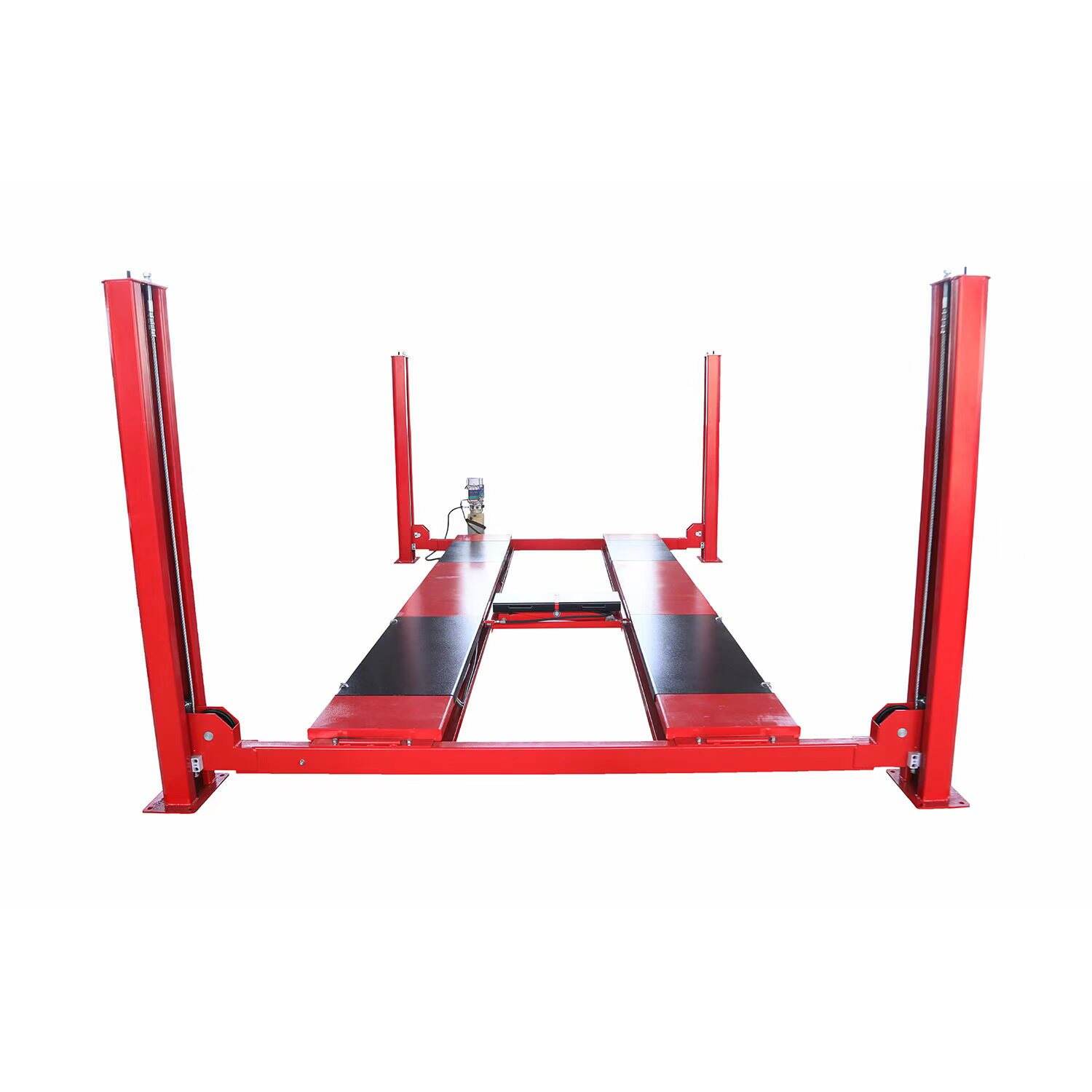
The automotive service industry relies heavily on quality equipment to ensure efficient and safe operations. When it comes to selecting the right lifting equipment, understanding what distinguishes various car lifts manufacturers becomes crucial for making informed purchasing decisions. Different manufacturers bring unique approaches to design, engineering, safety protocols, and customer service that can significantly impact the performance and longevity of their products.
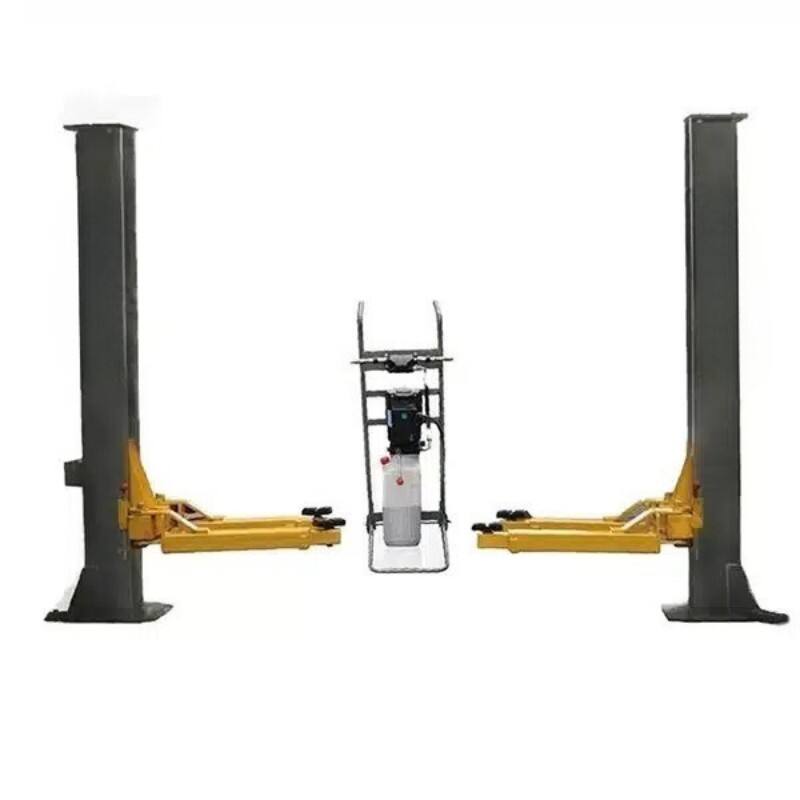
The competitive landscape among car lifts manufacturers has evolved dramatically over the past decades. While some companies focus on mass production and cost efficiency, others prioritize premium materials and cutting-edge technology. This diversification has created distinct categories of manufacturers, each serving different market segments and customer needs. Understanding these differences helps garage owners, service centers, and automotive professionals select equipment that aligns with their specific operational requirements and budget constraints.
Engineering Excellence and Design Philosophy
Structural Engineering Approaches
The fundamental difference between car lifts manufacturers often lies in their structural engineering methodologies. Some manufacturers prioritize traditional heavy-duty steel construction with emphasis on maximum load capacity and durability. These companies typically employ thicker steel components, reinforced welding techniques, and conservative safety factors that exceed industry standards. Their design philosophy centers around building equipment that can withstand decades of intensive use in commercial environments.
Conversely, other car lifts manufacturers focus on optimized engineering that balances strength with weight reduction and cost efficiency. These companies utilize advanced computer modeling and finite element analysis to identify optimal material distribution, allowing them to create lighter yet equally strong lifting systems. This approach often results in more affordable products while maintaining safety standards, making them attractive to budget-conscious buyers.
Innovation and Technology Integration
Technology adoption varies significantly among car lifts manufacturers, creating distinct competitive advantages. Progressive manufacturers invest heavily in research and development, incorporating features like programmable height settings, automatic safety locks, and integrated diagnostic systems. These technological enhancements improve operational efficiency and reduce the likelihood of human error during lifting operations.
Traditional manufacturers may focus less on technological integration, instead emphasizing proven mechanical systems and time-tested designs. While their products might lack advanced features, they often provide exceptional reliability and easier maintenance procedures. This approach appeals to customers who prefer straightforward, dependable equipment without complex electronic components that could potentially fail.
Manufacturing Quality and Materials Selection
Steel Quality and Sourcing Standards
Material selection represents another critical differentiator among car lifts manufacturers. Premium manufacturers typically source high-grade steel from certified suppliers, ensuring consistent material properties and superior strength characteristics. They often specify particular steel grades with enhanced corrosion resistance and fatigue properties, resulting in longer equipment lifespan and reduced maintenance requirements.
Budget-focused car lifts manufacturers might utilize standard commercial-grade steel to maintain competitive pricing. While these materials meet basic safety requirements, they may not provide the same longevity or performance consistency as premium alternatives. Understanding these material differences helps customers make informed decisions based on their intended usage patterns and long-term investment strategies.
Manufacturing Process Control
Quality control processes vary dramatically between different car lifts manufacturers, directly impacting product consistency and reliability. Industry-leading manufacturers implement comprehensive quality management systems with multiple inspection points throughout the production process. They typically employ certified welders, utilize automated welding systems for critical joints, and conduct thorough testing procedures before product shipment.
Smaller or cost-focused manufacturers might rely on less rigorous quality control measures to maintain competitive pricing. While their products may still meet basic safety standards, the consistency between individual units might vary more significantly. This variation can affect long-term performance and may require more frequent maintenance or earlier replacement.
Safety Standards and Certification Compliance
Regulatory Compliance Approaches
Safety standards compliance distinguishes reputable car lifts manufacturers from less reliable competitors. Established manufacturers typically exceed minimum regulatory requirements, obtaining certifications from recognized testing organizations and implementing additional safety features beyond what regulations mandate. They invest in comprehensive testing protocols that simulate extreme operating conditions and potential failure scenarios.
The commitment to safety extends beyond mere compliance for leading car lifts manufacturers. They continuously monitor industry best practices, participate in safety standard development committees, and proactively implement design improvements based on field experience and emerging safety technologies. This proactive approach results in equipment that not only meets current standards but anticipates future regulatory developments.
Safety Feature Implementation
Different car lifts manufacturers prioritize various safety features based on their target markets and design philosophies. Some focus on redundant safety systems, incorporating multiple independent locking mechanisms and fail-safe devices that activate if primary systems malfunction. These manufacturers often include features like automatic load sensing, audible warning systems, and visual indicators that alert operators to potential safety issues.
Other manufacturers might implement more basic safety features while focusing on other competitive advantages such as price or ease of operation. Understanding these differences helps customers evaluate whether specific safety features justify potential cost premiums based on their operational environment and risk tolerance.
Customer Service and Support Infrastructure
Technical Support Capabilities
The quality and availability of technical support varies significantly among car lifts manufacturers, impacting long-term ownership satisfaction. Established manufacturers typically maintain comprehensive support infrastructure including dedicated technical helplines, certified repair technicians, and extensive documentation libraries. They often provide multilingual support and maintain regional service centers to ensure rapid response times for critical issues.
Emerging or smaller car lifts manufacturers might offer more limited support resources, potentially relying on third-party service providers or less comprehensive documentation. While this approach helps control costs, it may result in longer resolution times for technical issues and potentially higher long-term ownership costs due to extended equipment downtime.
Warranty Coverage and Parts Availability
Warranty terms and parts availability represent crucial differentiators when evaluating car lifts manufacturers. Premium manufacturers typically offer comprehensive warranty coverage with longer terms and broader scope, reflecting their confidence in product quality and manufacturing processes. They maintain extensive parts inventories and establish relationships with authorized distributors to ensure rapid parts availability throughout the equipment lifecycle.
Budget-focused manufacturers might offer more limited warranty coverage or shorter warranty periods to manage costs. Parts availability could also be more constrained, potentially resulting in longer equipment downtime during repairs. These factors should be carefully considered when evaluating the total cost of ownership beyond the initial purchase price.
Market Positioning and Target Customers
Commercial versus Residential Focus
Car lifts manufacturers often specialize in serving either commercial or residential market segments, developing products optimized for specific usage patterns and environments. Commercial-focused manufacturers design equipment for intensive daily use in professional service environments, emphasizing durability, fast cycle times, and features that improve technician productivity. Their products typically incorporate heavy-duty components and advanced safety features required in commercial applications.
Residential-focused manufacturers prioritize ease of installation, compact designs, and cost-effectiveness for occasional home garage use. Their products might feature simplified operation procedures and reduced maintenance requirements, making them more suitable for non-professional users who lack extensive technical training or specialized tools.
Geographic Market Specialization
Different car lifts manufacturers often specialize in specific geographic markets, adapting their products to regional preferences, regulations, and operating conditions. Some manufacturers focus on North American markets, incorporating features and specifications that align with local building codes, electrical standards, and customer preferences. Others target European or Asian markets with products designed for different facility configurations and regulatory requirements.
This geographic specialization influences product design decisions, available options, and service infrastructure. Manufacturers serving global markets typically offer more diverse product lines and maintain broader service networks, while regionally focused companies might provide more specialized products optimized for local conditions.
Pricing Strategies and Value Propositions
Cost Structure Differences
The pricing strategies employed by various car lifts manufacturers reflect their different cost structures and business models. Manufacturers with extensive research and development investments, premium materials, and comprehensive quality control systems typically command higher prices but offer superior long-term value through enhanced durability and performance. Their products often provide lower total cost of ownership despite higher initial investment.
Value-oriented car lifts manufacturers focus on optimizing production efficiency and material costs to offer competitive pricing. While their products may have higher long-term operating costs or shorter service lives, they provide accessible entry points for customers with limited capital budgets or occasional usage requirements.
Financing and Purchase Options
Different car lifts manufacturers offer varying financing and purchase options that can significantly impact customer acquisition and satisfaction. Established manufacturers often provide comprehensive financing programs, leasing options, and trade-in programs that make their equipment more accessible to a broader customer base. They might also offer volume discounts for fleet purchases or loyalty programs for repeat customers.
Smaller manufacturers might have more limited financing options, requiring customers to arrange their own financing or make full cash payments. However, they may offer more flexible customization options or direct-to-customer pricing that eliminates distributor markups.
FAQ
How do I evaluate the reputation of different car lifts manufacturers?
Research manufacturer history, customer reviews, industry certifications, and professional recommendations from automotive service professionals. Look for manufacturers with established track records, positive customer feedback, and active participation in industry associations. Consider visiting trade shows or service facilities that use equipment from different manufacturers to observe performance firsthand.
What safety certifications should I look for when comparing car lifts manufacturers?
Seek manufacturers whose products carry certifications from recognized testing organizations such as ETL, UL, or CE marking for European markets. Additionally, look for compliance with industry standards like ANSI/ALI ALCTV, which specifically addresses automotive lifting equipment safety requirements. Reputable manufacturers will readily provide certification documentation and testing reports.
How important is local service support when choosing between car lifts manufacturers?
Local service support is crucial for minimizing equipment downtime and ensuring prompt resolution of technical issues. Evaluate the manufacturer's service network coverage in your area, availability of certified technicians, and typical response times for service calls. Consider the availability of common replacement parts through local distributors to avoid extended equipment downtime during repairs.
What factors beyond price should influence my choice among car lifts manufacturers?
Consider total cost of ownership including maintenance requirements, energy consumption, expected service life, and resale value. Evaluate the manufacturer's financial stability, warranty terms, parts availability, and technical support quality. Also assess whether the manufacturer's product line can accommodate potential future needs or facility expansions, allowing for consistent equipment standards across your operation.
Table of Contents
- Engineering Excellence and Design Philosophy
- Manufacturing Quality and Materials Selection
- Safety Standards and Certification Compliance
- Customer Service and Support Infrastructure
- Market Positioning and Target Customers
- Pricing Strategies and Value Propositions
-
FAQ
- How do I evaluate the reputation of different car lifts manufacturers?
- What safety certifications should I look for when comparing car lifts manufacturers?
- How important is local service support when choosing between car lifts manufacturers?
- What factors beyond price should influence my choice among car lifts manufacturers?