 EN
EN

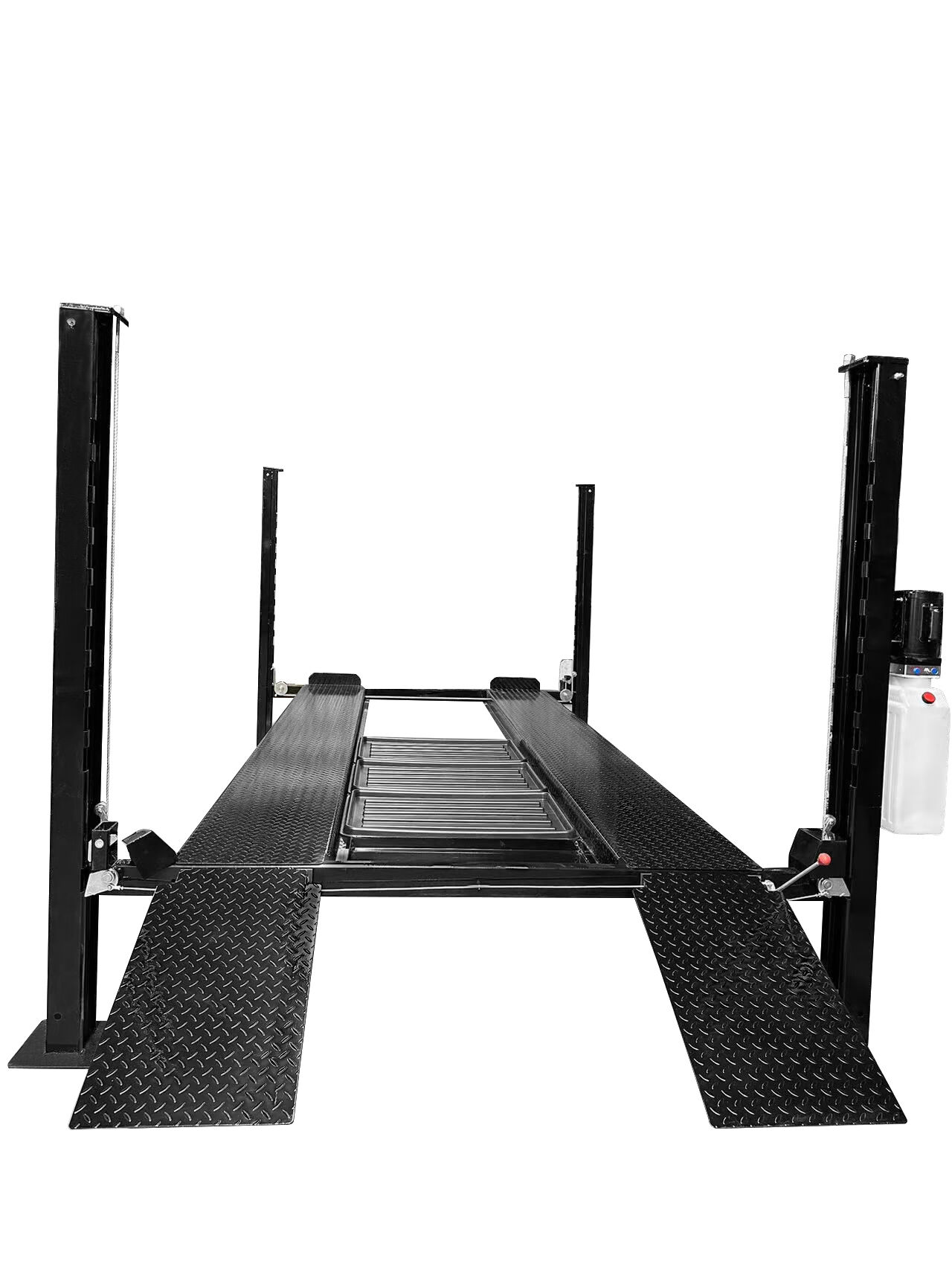
The automotive service industry continues to evolve rapidly, with car lifts manufacturers at the forefront of implementing cutting-edge safety technologies that protect both technicians and vehicles. As we navigate through 2025, these manufacturers are integrating advanced sensor systems, automated safety protocols, and smart monitoring capabilities to create the most secure lifting equipment the industry has ever seen. The emphasis on safety has never been more critical, as modern vehicles become heavier and more complex, requiring sophisticated lifting solutions that can handle increased loads while maintaining absolute reliability.
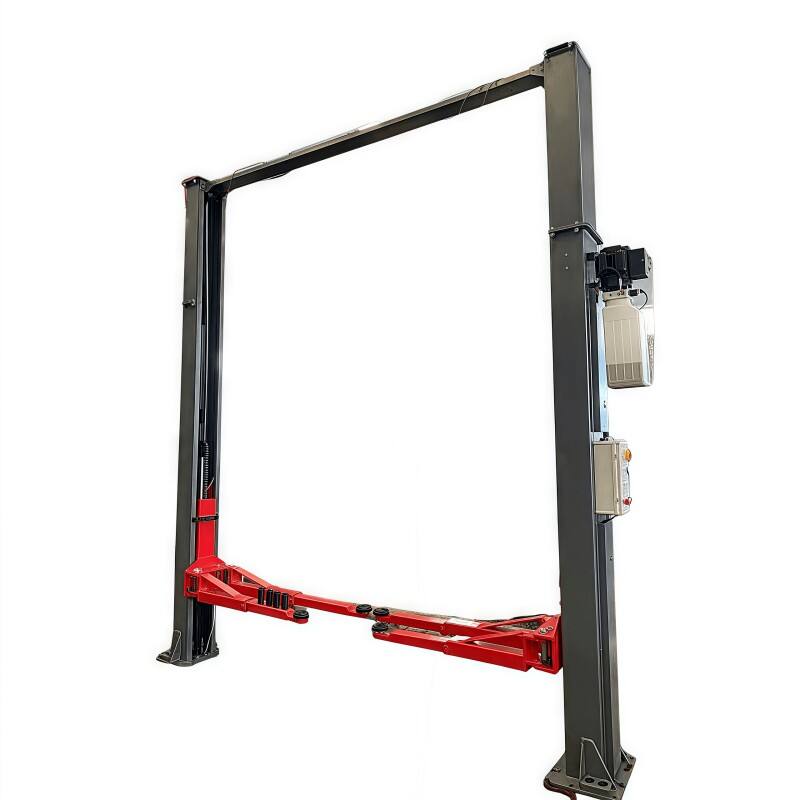
Today's car lifts manufacturers understand that safety extends far beyond basic mechanical components, encompassing everything from initial design concepts to real-time operational monitoring. The integration of artificial intelligence, IoT connectivity, and predictive maintenance algorithms represents a fundamental shift in how these companies approach equipment safety. This comprehensive approach ensures that every aspect of the lifting process is monitored, controlled, and optimized for maximum security and operational efficiency.
Advanced Sensor Technology Integration
Multi-Point Load Detection Systems
Leading car lifts manufacturers are implementing sophisticated multi-point load detection systems that continuously monitor weight distribution across all lifting points. These systems utilize high-precision strain gauges and force sensors strategically positioned throughout the lift structure to detect even minute changes in load distribution. The sensors provide real-time feedback to the control system, enabling immediate adjustments or automatic shutdown procedures when irregularities are detected.
The advanced sensor networks employed by modern car lifts manufacturers can differentiate between normal operational variations and potentially dangerous load shifts. This capability is particularly crucial when lifting vehicles with uneven weight distribution or when technicians are working on one side of a raised vehicle. The system continuously calculates the center of gravity and adjusts lifting parameters accordingly, ensuring stable operation throughout the entire service procedure.
These intelligent load detection systems also incorporate predictive algorithms that can anticipate potential issues before they become safety hazards. By analyzing historical load patterns and current operational data, the systems can identify unusual trends that might indicate worn components, improper vehicle positioning, or other conditions that could compromise safety. This proactive approach allows maintenance teams to address potential problems before they result in equipment failure or safety incidents.
Proximity and Position Monitoring
Contemporary car lifts manufacturers have revolutionized safety through advanced proximity and position monitoring technologies that create virtual safety zones around operating equipment. These systems utilize a combination of laser sensors, ultrasonic detectors, and computer vision to continuously monitor the area surrounding the lift for the presence of personnel, tools, or obstacles that could interfere with safe operation.
The position monitoring capabilities extend beyond simple presence detection to include sophisticated motion tracking that can distinguish between authorized personnel performing normal maintenance tasks and unauthorized individuals who may have inadvertently entered the work area. This intelligent discrimination prevents unnecessary equipment shutdowns while maintaining absolute safety for all personnel in the vicinity of the operating lift.
Modern proximity systems implemented by car lifts manufacturers also feature adaptive sensitivity settings that automatically adjust based on operational conditions and environmental factors. These systems can account for variations in lighting, ambient noise, and other conditions that might affect sensor performance, ensuring consistent and reliable safety monitoring regardless of the working environment.
Automated Safety Protocol Implementation
Intelligent Emergency Response Systems
The most innovative car lifts manufacturers have developed comprehensive automated emergency response systems that can instantly react to potentially dangerous situations without requiring human intervention. These systems incorporate machine learning algorithms that continuously analyze operational parameters to identify patterns that might indicate impending equipment failure or unsafe conditions.
When the automated systems detect anomalies or potential safety threats, they can execute a variety of response protocols depending on the severity and nature of the detected issue. These responses range from gradual operational adjustments and warning notifications to immediate emergency stops and controlled lowering procedures that safely return vehicles to ground level. The systems are designed with multiple redundancies to ensure that safety protocols remain functional even if primary control systems experience failures.
The emergency response capabilities developed by leading car lifts manufacturers also include sophisticated communication systems that can automatically notify supervisory personnel, emergency responders, and maintenance teams when safety incidents occur. These notification systems provide detailed incident reports including sensor data, operational parameters, and video documentation when available, enabling rapid response and thorough investigation of safety events.
Predictive Maintenance Integration
Forward-thinking car lifts manufacturers are incorporating predictive maintenance technologies that monitor equipment condition in real-time and predict when components may require service or replacement. These systems utilize advanced analytics to process data from multiple sensors throughout the lift structure, identifying subtle changes in vibration patterns, hydraulic pressure, electrical consumption, and other parameters that might indicate developing problems.
The predictive maintenance systems can schedule service interventions at optimal times, preventing unexpected equipment failures that could compromise safety or disrupt operations. By analyzing trends in component wear and performance degradation, these systems can recommend specific maintenance actions and provide accurate timelines for component replacement, ensuring that lifts remain in optimal operating condition.
These intelligent maintenance systems also maintain comprehensive service histories and component lifecycle data that help car lifts manufacturers continuously improve their equipment designs and safety protocols. The accumulated data provides valuable insights into real-world performance patterns and failure modes, enabling manufacturers to enhance future product generations and develop more effective safety systems.
Smart Control System Architecture
Distributed Processing Networks
Modern car lifts manufacturers are implementing distributed processing networks that eliminate single points of failure and ensure continued safe operation even when individual system components experience problems. These networks utilize multiple independent processors that continuously communicate and cross-check operational data, providing redundant safety monitoring and control capabilities.
The distributed architecture allows different aspects of lift operation to be managed by specialized processing units, each optimized for specific safety functions such as load monitoring, position control, and emergency response coordination. This specialization enables more sophisticated safety algorithms while maintaining system reliability and responsiveness that is critical for safe equipment operation.
Each processing node in the network maintains independent safety protocols and can assume control of critical functions if other nodes experience failures. This redundant approach ensures that essential safety systems remain operational under all circumstances, providing multiple layers of protection for both equipment and personnel.
Real-Time Data Analytics
Contemporary car lifts manufacturers leverage real-time data analytics to continuously optimize safety performance and identify potential improvements to their equipment designs. These analytics systems process vast amounts of operational data from sensors, control systems, and user interfaces to identify patterns and trends that might not be apparent through traditional monitoring methods.
The real-time analytics capabilities enable dynamic adjustment of safety parameters based on current operating conditions, vehicle characteristics, and environmental factors. This adaptive approach ensures that safety systems remain optimally configured for each specific lifting operation, maximizing protection while minimizing unnecessary restrictions on productivity and efficiency.
Advanced data analytics also support continuous learning and improvement of safety algorithms through machine learning techniques that can identify new patterns and optimize response strategies based on accumulated operational experience. This evolutionary approach to safety system development ensures that car lifts manufacturers can continuously enhance their equipment safety performance as technology and operational requirements evolve.
Enhanced Mechanical Safety Features
Advanced Locking Mechanisms
Leading car lifts manufacturers have developed sophisticated mechanical locking systems that provide multiple independent safety mechanisms to prevent accidental lowering or equipment failure. These systems incorporate precision-engineered components that engage automatically when lifts reach their operational positions, providing physical barriers that can support full vehicle loads even if hydraulic or electrical systems fail.
The advanced locking mechanisms feature self-monitoring capabilities that can detect proper engagement and alert operators if locks are not properly positioned or if mechanical wear might affect their reliability. These monitoring systems use position sensors and force measurement devices to verify that all safety locks are properly engaged before allowing technicians to begin work on raised vehicles.
Modern mechanical safety systems developed by car lifts manufacturers also include redundant locking mechanisms that provide multiple independent safety barriers at each lifting point. This redundancy ensures that vehicle support remains secure even if individual locking components experience mechanical failures or wear-related degradation.
Structural Integrity Monitoring
Innovative car lifts manufacturers are implementing continuous structural integrity monitoring systems that can detect stress concentrations, fatigue damage, and other structural issues that might compromise equipment safety. These systems utilize advanced sensing technologies including strain gauges, accelerometers, and acoustic emission sensors to monitor the condition of critical structural components in real-time.
The structural monitoring capabilities can identify developing problems such as crack propagation, joint loosening, or material degradation long before they reach critical levels. This early detection enables proactive maintenance interventions that prevent structural failures and ensure continued safe operation of the lifting equipment.
These monitoring systems also provide valuable data for structural analysis and design optimization, helping car lifts manufacturers develop more durable and reliable equipment designs. The accumulated structural performance data enables continuous improvement of materials selection, joint designs, and load distribution strategies that enhance overall equipment safety and longevity.
User Interface and Training Integration
Intuitive Safety Control Systems
Contemporary car lifts manufacturers recognize that user interface design plays a crucial role in equipment safety, developing intuitive control systems that minimize the possibility of operator error while maximizing operational efficiency. These interfaces incorporate clear visual indicators, logical control layouts, and comprehensive status displays that provide operators with all necessary information for safe equipment operation.
The advanced user interfaces feature context-sensitive help systems and guided operation modes that can assist operators through complex procedures while ensuring that all safety protocols are properly followed. These systems can adapt their guidance based on operator experience levels and specific operational requirements, providing appropriate levels of assistance and safety oversight.
Modern control interfaces also incorporate comprehensive safety interlocks that prevent operators from initiating potentially dangerous operations or overriding critical safety systems. These interlocks are designed to be transparent to operators during normal operations while providing absolute protection against unsafe practices or equipment misuse.
Integrated Training and Certification Systems
Progressive car lifts manufacturers are developing integrated training and certification systems that ensure operators possess the knowledge and skills necessary for safe equipment operation. These systems can provide customized training programs based on specific equipment configurations, operational requirements, and individual operator experience levels.
The training systems incorporate simulation capabilities that allow operators to practice complex procedures and emergency responses in safe virtual environments before operating actual equipment. These simulations can replicate various scenarios including normal operations, emergency situations, and equipment malfunctions, providing comprehensive preparation for real-world conditions.
Certification systems developed by leading car lifts manufacturers can track operator competency levels and provide ongoing assessment of safety knowledge and operational skills. These systems ensure that only qualified personnel operate lifting equipment and provide mechanisms for continuous skill development and safety awareness enhancement.
Environmental and Compliance Considerations
Regulatory Compliance Integration
Today's car lifts manufacturers must navigate an increasingly complex regulatory environment that encompasses safety standards, environmental requirements, and industry-specific compliance obligations. These manufacturers are implementing comprehensive compliance management systems that ensure their equipment meets all applicable regulations while providing documentation and reporting capabilities required by regulatory authorities.
The compliance systems incorporate automatic monitoring and reporting capabilities that can track equipment performance parameters required by regulatory standards and generate compliance reports with minimal administrative burden. These systems help operators maintain regulatory compliance while focusing on their primary operational responsibilities.
Modern compliance integration also includes proactive notification systems that alert operators and management to upcoming regulatory requirements, inspection schedules, and certification renewals. This proactive approach ensures that compliance obligations are met consistently and that potential compliance issues are addressed before they become regulatory violations.
Environmental Impact Optimization
Environmental responsibility has become a key consideration for car lifts manufacturers, who are developing equipment designs that minimize energy consumption, reduce environmental impact, and support sustainable operational practices. These manufacturers are incorporating energy-efficient components, regenerative systems, and intelligent power management technologies that reduce overall environmental footprint.
The environmental optimization efforts extend beyond energy efficiency to include sustainable materials selection, recyclable component design, and end-of-life equipment disposal planning. Car lifts manufacturers are developing comprehensive lifecycle approaches that consider environmental impact throughout the entire equipment lifecycle from initial manufacturing through eventual disposal or recycling.
Advanced environmental monitoring systems can track energy consumption, fluid usage, and other environmental parameters in real-time, providing operators with information needed to optimize their environmental performance. These systems can identify opportunities for efficiency improvements and support environmental reporting requirements.
FAQ
What are the most important safety features to look for when selecting equipment from car lifts manufacturers?
The most critical safety features include multi-point load monitoring systems, automated emergency shutdown capabilities, redundant mechanical locking mechanisms, and comprehensive structural integrity monitoring. Additionally, look for equipment with intelligent control systems that provide real-time safety status information and predictive maintenance capabilities. Modern car lifts manufacturers should also offer integrated training systems and comply with all relevant safety standards and regulations.
How do modern car lifts manufacturers ensure their equipment remains safe throughout its operational lifetime?
Leading car lifts manufacturers implement comprehensive lifecycle safety management through predictive maintenance systems, continuous structural monitoring, and regular safety system updates. These manufacturers provide ongoing support including software updates, component upgrades, and training programs that ensure equipment safety performance is maintained throughout the equipment's operational life. They also offer comprehensive service programs and replacement part availability to support long-term safe operation.
What role does technology play in the latest safety innovations from car lifts manufacturers?
Technology plays a fundamental role through advanced sensor networks, artificial intelligence algorithms, predictive analytics, and IoT connectivity that enable real-time safety monitoring and proactive risk management. Car lifts manufacturers are leveraging machine learning, computer vision, and distributed processing systems to create intelligent safety systems that can adapt to changing conditions and continuously improve their protective capabilities. These technologies enable automated emergency responses, predictive maintenance, and comprehensive safety documentation.
How do car lifts manufacturers address the increasing complexity of modern vehicles in their safety designs?
Modern car lifts manufacturers address vehicle complexity through adaptive lifting systems that can accommodate varying vehicle weights, sizes, and configurations while maintaining optimal safety performance. They develop specialized lifting attachments, adjustable load distribution systems, and intelligent positioning technologies that can safely handle everything from lightweight electric vehicles to heavy commercial trucks. Their safety systems incorporate databases of vehicle specifications and can automatically adjust operational parameters based on specific vehicle requirements.
Table of Contents
- Advanced Sensor Technology Integration
- Automated Safety Protocol Implementation
- Smart Control System Architecture
- Enhanced Mechanical Safety Features
- User Interface and Training Integration
- Environmental and Compliance Considerations
-
FAQ
- What are the most important safety features to look for when selecting equipment from car lifts manufacturers?
- How do modern car lifts manufacturers ensure their equipment remains safe throughout its operational lifetime?
- What role does technology play in the latest safety innovations from car lifts manufacturers?
- How do car lifts manufacturers address the increasing complexity of modern vehicles in their safety designs?