 EN
EN

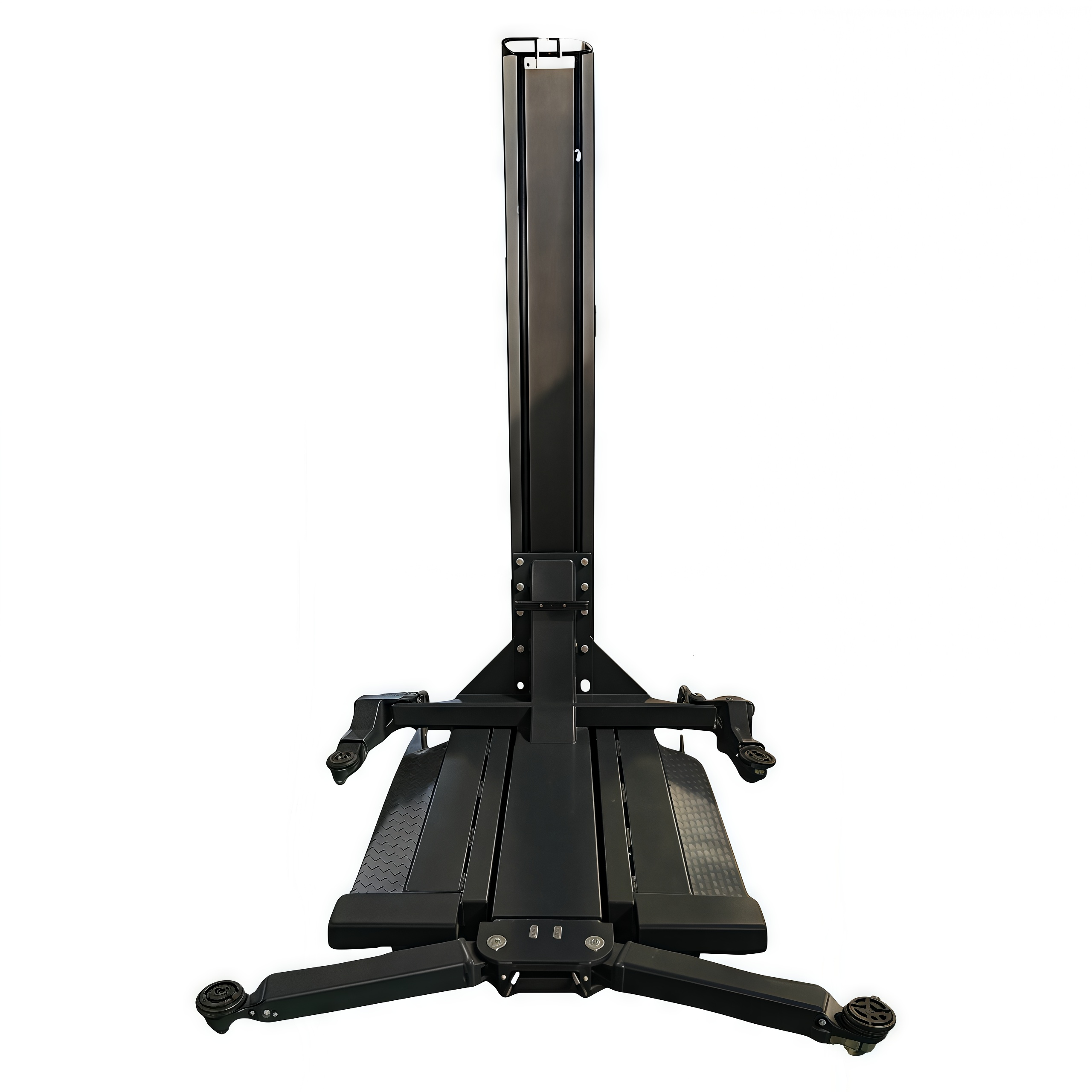
A single post car lift represents one of the most innovative solutions in automotive service and maintenance, offering exceptional versatility and space efficiency for professional garages and home workshops. Unlike traditional two-post or four-post systems, a single post car lift utilizes a central support column to elevate vehicles, making it an ideal choice for facilities with limited space or unique operational requirements. This lifting technology has revolutionized how mechanics and automotive enthusiasts approach vehicle maintenance, providing safe and reliable access to undercarriage components while maximizing workshop floor space.
Understanding Single Post Car Lift Technology
Core Design Principles
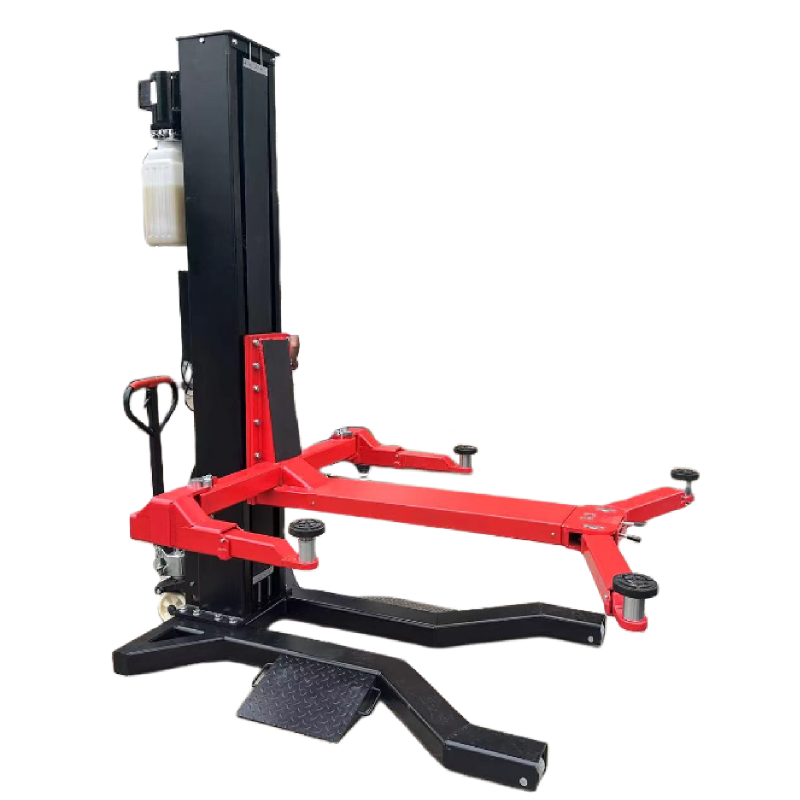
The fundamental design of a single post car lift centers around a robust central column that houses the hydraulic lifting mechanism. This column typically features a telescoping design, allowing the lift arm to extend upward while maintaining structural integrity throughout the lifting process. The engineering behind these systems incorporates advanced hydraulic principles, utilizing pressurized fluid to generate the force necessary to lift vehicles weighing several thousand pounds. The central positioning of the support structure distributes weight evenly, reducing stress concentrations that might occur with asymmetrical lifting arrangements.
Modern single post car lift systems integrate sophisticated safety features, including pressure relief valves, mechanical locks, and emergency lowering systems. These components work together to ensure operator safety and prevent accidental lowering during maintenance procedures. The hydraulic system typically operates at pressures ranging from 3000 to 5000 PSI, depending on the lift capacity and manufacturer specifications. This high-pressure operation enables compact cylinder designs while maintaining adequate lifting force for various vehicle types.
Structural Components and Materials
The construction of a quality single post car lift involves heavy-duty steel fabrication, with the main column typically manufactured from high-strength structural steel. The base assembly requires substantial mass to counterbalance lifted vehicles, often incorporating reinforced concrete foundations or weighted base plates. Critical stress points receive additional reinforcement through welding techniques and material selection that exceed industry safety standards. The lift arm assembly must withstand both vertical loads and horizontal forces generated by vehicle positioning and movement.
Surface treatments and protective coatings play crucial roles in maintaining structural integrity over time. Most manufacturers apply powder coating or specialized paint systems designed to resist hydraulic fluid contact, environmental moisture, and mechanical abrasion. The selection of hydraulic components, including cylinders, hoses, and fittings, directly impacts system reliability and maintenance requirements. High-quality systems utilize components rated for continuous duty cycles and extreme pressure conditions.
Operational Mechanics and Functionality
Hydraulic System Operation
The hydraulic system driving a single post car lift operates through a closed-loop configuration, where pressurized hydraulic fluid transfers from a reservoir through a pump assembly to the lifting cylinder. The pump, typically powered by an electric motor, creates the pressure differential necessary to extend the cylinder and raise the lift arm. Control valves regulate fluid flow direction and pressure, enabling precise positioning and safe lowering operations. The system incorporates filtration components to maintain hydraulic fluid cleanliness and prevent contamination-related failures.
During lifting operations, the hydraulic pump pressurizes fluid and directs it to the cylinder's lower chamber, forcing the piston upward and extending the lift arm. The mechanical advantage gained through cylinder design and arm geometry allows relatively small hydraulic cylinders to generate substantial lifting force. Lowering occurs through controlled release of hydraulic pressure, with flow restriction valves ensuring smooth and safe descent rates. Emergency lowering systems provide backup operation capabilities in case of power failure or hydraulic system malfunction.
Vehicle Positioning and Safety Protocols
Proper vehicle positioning represents a critical aspect of safe single post car lift operation. The lift arm must contact the vehicle at manufacturer-recommended lifting points, typically located along the chassis or reinforced frame members. Improper positioning can result in vehicle damage or unsafe lifting conditions. Most systems include adjustable contact pads or adapters designed to accommodate various vehicle configurations and lifting point locations.
Safety protocols for single post car lift operation include pre-lift inspections, proper vehicle positioning verification, and operator training requirements. The lifting process should proceed gradually, with frequent position checks to ensure stable vehicle support throughout the elevation range. Mechanical locks or safety devices must engage at appropriate intervals to prevent accidental lowering. Regular maintenance schedules ensure hydraulic system integrity and mechanical component functionality.
Applications and Industry Use Cases
Professional Automotive Service
Professional automotive service facilities utilize single post car lift systems for various maintenance and repair procedures, including oil changes, exhaust system work, transmission service, and undercarriage inspections. The space-efficient design allows installation in areas where traditional multi-post lifts would not fit, making them particularly valuable in urban locations with space constraints. The ability to position vehicles at optimal working heights reduces technician fatigue and improves work quality.
Quick-lube operations find particular value in single post car lift installations due to rapid cycle times and simplified vehicle positioning requirements. The overhead clearance provided by single-post designs accommodates various vehicle types without requiring multiple lift configurations. Service bay efficiency improves significantly when technicians can access vehicle undersides without crawling or using floor jacks.
Specialty Vehicle Applications
Single post car lift technology adapts well to specialty vehicle applications, including motorcycle service, small commercial vehicles, and custom automotive builds. The adjustable nature of most systems allows accommodation of non-standard vehicle configurations that might challenge traditional lifting equipment. Racing teams and performance shops appreciate the precise positioning capabilities and rapid setup times associated with quality single post car lift systems.
Fleet maintenance operations benefit from the versatility offered by single post car lift installations, particularly when servicing mixed vehicle types within the same facility. The ability to quickly reconfigure lifting points and accommodate various wheelbases makes these systems ideal for operations handling cars, light trucks, and commercial vehicles. Mobile service applications also utilize portable single post car lift units for on-site maintenance and repair services.
Installation Requirements and Considerations
Foundation and Structural Requirements
Installing a single post car lift requires careful attention to foundation requirements and structural considerations. The concentrated loading imposed by the central column necessitates robust foundation design, typically involving reinforced concrete pads with adequate thickness and reinforcement to distribute loads safely. Soil conditions, local building codes, and manufacturer specifications determine specific foundation requirements for each installation.
Electrical requirements vary depending on motor specifications and control system complexity. Most single post car lift installations require 220-240 volt electrical service with appropriate circuit protection and grounding systems. The electrical installation should comply with local electrical codes and include provisions for emergency stops and safety interlocks. Proper electrical installation ensures reliable operation and operator safety throughout the system's service life.
Space Planning and Clearance Requirements
Effective space planning for single post car lift installation involves consideration of vehicle approach angles, overhead clearance, and operator working space. The compact footprint of these systems allows installation in areas with limited floor space, but adequate clearance must remain for safe vehicle positioning and removal. Ceiling height requirements depend on maximum lift height and the tallest vehicles to be serviced.
Adjacent equipment and workspace considerations affect single post car lift placement within existing facilities. The central column design minimizes interference with other equipment while maximizing usable floor space around the installation. Proper planning ensures efficient workflow patterns and maintains safe operating conditions for all facility equipment and personnel.
Maintenance and Service Requirements
Preventive Maintenance Protocols
Regular maintenance ensures reliable operation and extends the service life of single post car lift systems. Hydraulic fluid inspection and replacement represent critical maintenance tasks, with fluid condition directly affecting system performance and component longevity. Contaminated or degraded hydraulic fluid can cause premature wear of pumps, cylinders, and control valves. Most manufacturers recommend hydraulic fluid replacement intervals based on operating hours or calendar time.
Mechanical components require periodic inspection and lubrication to maintain proper operation. Lift arm pivot points, cylinder rods, and safety mechanisms need regular attention to prevent corrosion and ensure smooth operation. Visual inspections should identify signs of wear, damage, or improper adjustment before they result in system failures or safety hazards. Documenting maintenance activities helps establish service patterns and predict future maintenance needs.
Troubleshooting Common Issues
Common operational issues with single post car lift systems often relate to hydraulic system problems, electrical malfunctions, or mechanical wear. Slow lifting speeds typically indicate hydraulic pump problems, fluid leaks, or cylinder wear. Erratic operation may result from contaminated hydraulic fluid, faulty control valves, or electrical connection problems. Understanding these relationships helps operators identify problems quickly and minimize downtime.
Professional service and repair capabilities ensure that complex problems receive proper attention from qualified technicians. Many manufacturers provide technical support services and maintain networks of authorized service providers. Regular professional inspections complement routine maintenance and help identify potential problems before they affect system operation or safety.
Safety Features and Compliance Standards
Built-in Safety Systems
Modern single post car lift designs incorporate multiple safety features designed to protect operators and prevent equipment damage. Mechanical safety locks engage automatically at predetermined heights, providing backup support in case of hydraulic system failure. These locks typically utilize spring-loaded or gravity-activated mechanisms that engage independently of the hydraulic system. Emergency lowering systems allow controlled descent even during power failures or hydraulic malfunctions.
Pressure relief valves prevent hydraulic system over-pressurization that could damage components or create unsafe operating conditions. Load-sensing systems monitor lifting forces and prevent operation beyond safe capacity limits. Visual and audible warning systems alert operators to unsafe conditions or system malfunctions. These integrated safety features work together to minimize risks associated with single post car lift operation.
Industry Standards and Certifications
Single post car lift manufacturing and installation must comply with various industry standards and safety regulations. The Automotive Lift Institute provides guidelines for lift design, installation, and operation that many manufacturers follow. OSHA regulations establish workplace safety requirements that affect lift operation and maintenance procedures. Local building codes may impose additional requirements for structural design and installation practices.
Third-party testing and certification programs verify that single post car lift systems meet established safety and performance standards. These certifications provide assurance that equipment will perform reliably under normal operating conditions and maintain adequate safety margins. Regular inspections by qualified personnel ensure continued compliance with applicable standards and regulations throughout the equipment's service life.
FAQ
What weight capacity should I consider for a single post car lift?
Single post car lift capacity should exceed the heaviest vehicle you plan to service by at least 20-30% for safety margins. Most systems range from 6,000 to 15,000 pounds capacity, with commercial-grade units available for heavier applications. Consider future needs and vehicle weight trends when selecting capacity, as modern vehicles tend to be heavier than older models due to safety equipment and larger engines.
How much space is required for single post car lift installation?
Space requirements depend on the specific model and maximum lift height, but most single post car lift installations require approximately 12-15 feet of overhead clearance and a floor space of roughly 10x15 feet for safe operation. The compact central column design minimizes floor space requirements compared to multi-post alternatives, making these systems ideal for space-constrained facilities.
What maintenance intervals are recommended for single post car lift systems?
Routine maintenance should include daily visual inspections, monthly hydraulic fluid level checks, and quarterly detailed inspections of all mechanical and hydraulic components. Annual professional inspections and hydraulic fluid replacement help ensure continued safe operation. High-use installations may require more frequent maintenance intervals to maintain optimal performance and safety standards.
Can a single post car lift be relocated after installation?
Some single post car lift models feature portable or semi-permanent designs that allow relocation, while others require permanent installation with concrete foundations. Mobile units typically sacrifice some capacity and stability for portability, making them suitable for temporary installations or facilities that require flexible equipment arrangements. Permanent installations provide maximum stability and capacity but cannot be easily relocated without significant modification work.