 EN
EN


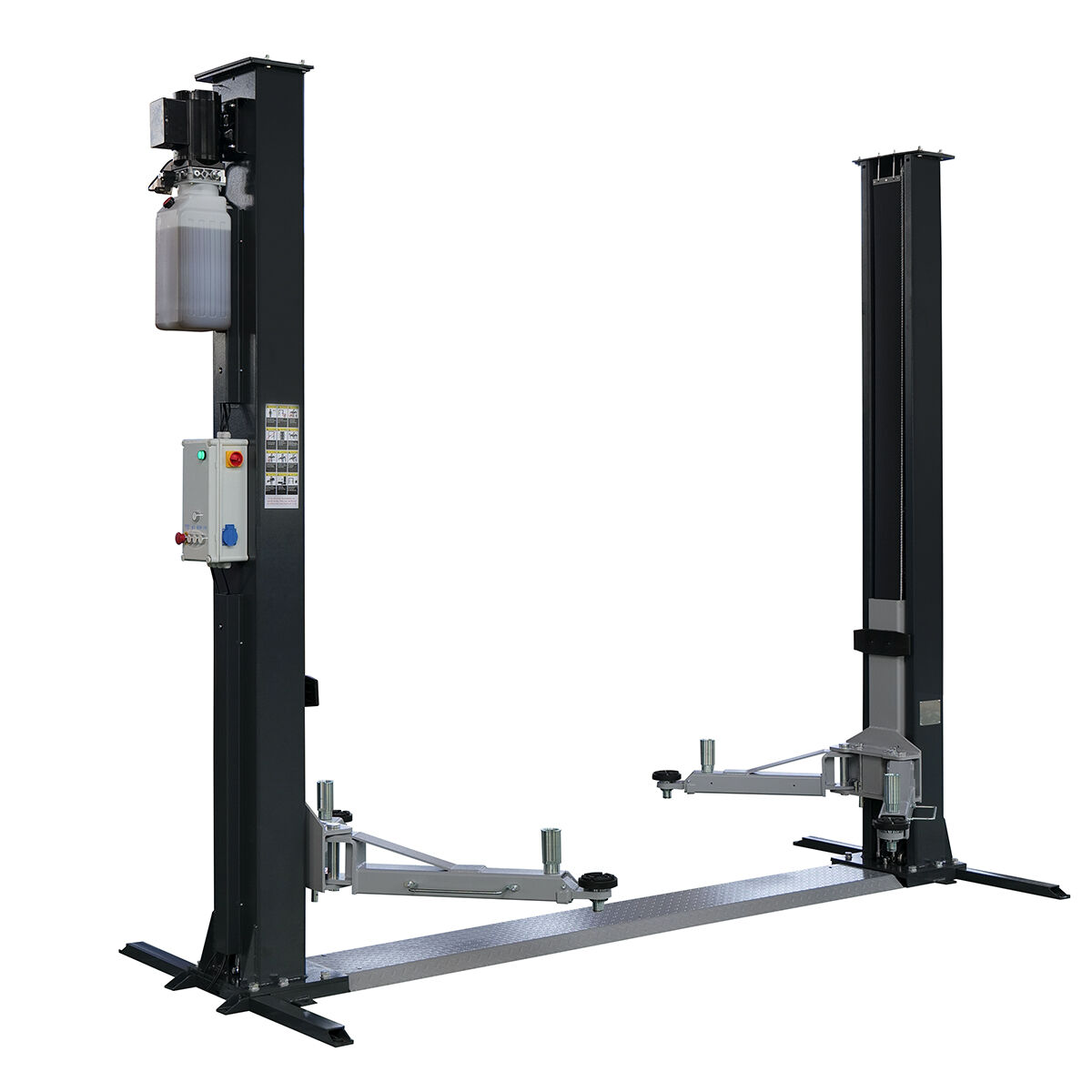
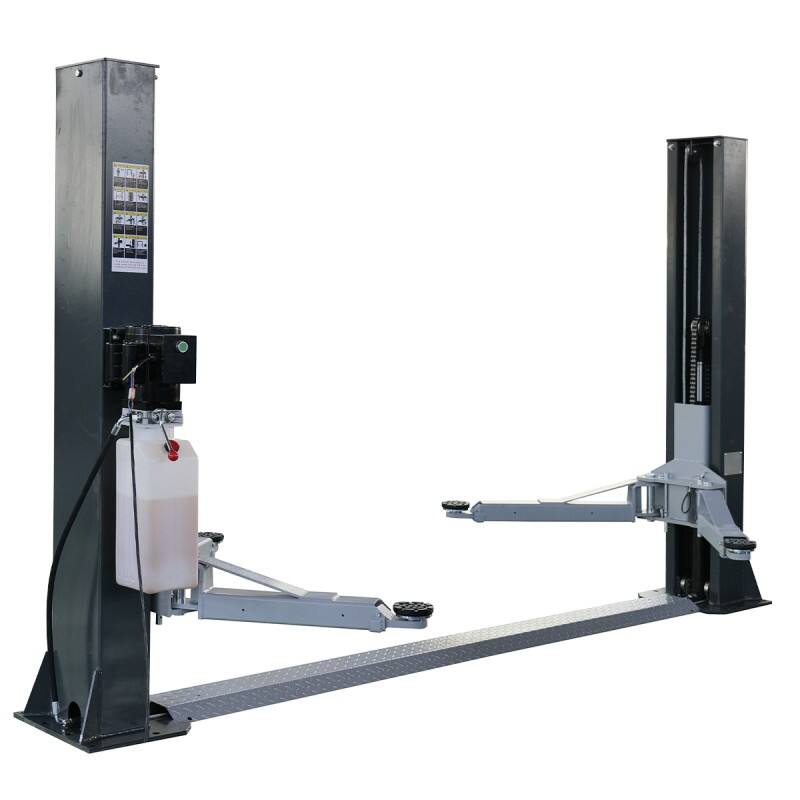
Small garage owners face unique challenges when selecting the right lifting equipment for their automotive service needs. Space constraints, ceiling height limitations, and floor layout considerations all play crucial roles in determining which lifting solution will work best. A 2 post car lift represents one of the most popular choices for compact garage environments, offering excellent accessibility and efficient use of available space while providing reliable vehicle lifting capabilities.
Understanding Space Requirements for Two Post Lifts
Minimum Garage Dimensions
When evaluating whether a 2 post car lift will fit in your small garage, precise measurements become essential. The typical installation requires a minimum width of 12 feet between the posts, though some compact models can operate effectively with as little as 10 feet of clearance. Length requirements generally range from 20 to 24 feet, depending on the specific model and the types of vehicles you plan to service.
Ceiling height represents another critical factor in 2 post car lift selection. Most standard models require a minimum ceiling height of 11 to 12 feet to accommodate the lift mechanism and provide adequate working clearance underneath raised vehicles. However, manufacturers now produce low-ceiling variants specifically designed for garages with height restrictions, some operating effectively with ceilings as low as 10 feet.
Floor Space Optimization
Efficient floor space utilization distinguishes successful small garage installations from problematic ones. Unlike four-post lifts that occupy significant floor area with their runway configuration, a 2 post car lift maximizes available workspace by elevating vehicles completely off the ground. This design allows mechanics to move freely around the entire vehicle perimeter, accessing all service points without obstruction.
The column placement strategy significantly impacts overall workspace efficiency. Corner installations often work well in rectangular garages, positioning posts along the longer walls to preserve central working areas. Alternative configurations might place posts asymmetrically to accommodate existing garage features like workbenches, tool storage, or entry doors.
Compact Design Features for Small Garages
Short Rise Technology
Modern 2 post car lift designs incorporate innovative short rise technology that reduces the vertical space required for installation. These systems typically lower the lifting mechanism housing, allowing installation in garages with restricted ceiling heights while maintaining full lifting capacity. Short rise models often feature reinforced column construction to compensate for the modified geometry.
The engineering behind short rise technology involves repositioning hydraulic components and redesigning the lifting carriage system. These modifications enable the lift to achieve maximum height while requiring less overhead clearance, making them ideal for converted residential garages or commercial spaces with architectural limitations.
Manual Release Systems
Manual release mechanisms provide reliable lowering capabilities without requiring complex electrical systems or remote controls. This simplified approach reduces installation complexity and maintenance requirements while ensuring consistent operation in various environmental conditions. Many small garage owners prefer manual systems for their straightforward operation and reduced dependency on electronic components.
Two-side manual release systems offer enhanced safety features by requiring coordinated action at both lift columns before vehicle lowering begins. This design prevents accidental release and ensures proper positioning during the lowering sequence, particularly important in cramped garage environments where operator movement may be restricted.
Load Capacity Considerations
Weight Rating Selection
Selecting appropriate weight capacity for your 2 post car lift requires careful consideration of the vehicle types you plan to service. Standard passenger cars typically weigh between 3,000 and 4,500 pounds, while SUVs and light trucks can range from 5,000 to 8,000 pounds. Most small garage applications benefit from lifts rated between 7,000 and 10,000 pounds, providing adequate capacity for diverse vehicle types.
Safety margins play a crucial role in capacity selection, with industry standards recommending lifts rated at least 20% above the heaviest anticipated vehicle weight. This buffer accounts for uneven weight distribution, additional equipment weight, and provides operational safety during lifting and lowering procedures.
Arm Configuration Options
Lifting arm configuration significantly impacts both the types of vehicles you can service and the space efficiency of your 2 post car lift installation. Symmetric arm configurations position lifting points equidistant from the column centerline, ideal for vehicles with balanced weight distribution. Asymmetric designs offset the arm positioning, accommodating vehicles with forward weight bias while optimizing door clearance for easier vehicle access.
Adjustable arm systems provide maximum versatility, allowing operators to modify lifting point positions for different vehicle types and sizes. These systems typically feature multiple mounting positions along the arm length, enabling precise adaptation to various wheelbase configurations and lifting point requirements.
Installation Requirements in Limited Spaces
Foundation Preparation
Proper foundation preparation ensures safe and reliable operation of your 2 post car lift while accommodating the constraints of small garage installations. Concrete slab requirements typically specify minimum thickness of 4 to 6 inches, with reinforced construction recommended for heavy-duty applications. The concrete must cure for at least 28 days before lift installation to achieve maximum strength.
Foundation anchor systems vary depending on lift specifications and manufacturer requirements. Most installations utilize wedge anchors or expansion bolts penetrating deep into the concrete substrate. Proper anchor spacing and torque specifications ensure adequate holding strength to resist lifting forces and prevent column movement during operation.
Electrical and Hydraulic Connections
Electrical requirements for most 2 post car lift installations involve standard 220-volt service with appropriate amperage capacity for the hydraulic pump motor. Small garage installations often benefit from dedicated circuit installation to prevent power supply issues and ensure consistent lift performance. Proper electrical connections include ground fault protection and emergency stop capabilities.
Hydraulic system installation requires careful attention to line routing and component positioning in space-constrained environments. Oil reservoir placement, pump mounting, and hydraulic line routing must accommodate garage layout while maintaining accessibility for routine maintenance and service procedures.
Safety Features for Compact Installations
Mechanical Safety Locks
Mechanical safety lock systems provide essential backup protection in case of hydraulic failure or power loss. These systems typically engage automatically at predetermined height intervals, preventing uncontrolled descent and ensuring operator safety during extended maintenance procedures. Quality 2 post car lift models incorporate multiple lock positions to accommodate various working heights.
Lock engagement mechanisms vary between manufacturers, with some systems utilizing spring-loaded pawls and others employing hydraulically-released mechanical stops. Regular inspection and maintenance of safety lock systems ensures reliable operation and compliance with safety standards, particularly important in small garage environments where escape routes may be limited.
Load Balancing Technology
Advanced load balancing systems monitor weight distribution between lift columns and automatically adjust hydraulic pressure to maintain level vehicle positioning. This technology proves particularly valuable when servicing vehicles with uneven weight distribution or when loading vehicles off-center on the lifting arms.
Integrated sensors continuously monitor lift position and load distribution, providing visual or audible alerts when imbalances exceed safe parameters. These systems enhance both safety and operational efficiency by preventing potentially dangerous lifting situations before they develop into serious problems.
Cost-Effective Solutions for Small Operations
Budget-Friendly Models
Cost-conscious small garage owners can find quality 2 post car lift options that deliver reliable performance without premium pricing. Entry-level models often feature simplified control systems and standard capacity ratings while maintaining essential safety features and construction quality. These lifts typically offer excellent value for operations with moderate usage requirements.
Used lift markets provide additional cost savings opportunities, though buyers must carefully evaluate structural condition, hydraulic system integrity, and available manufacturer support. Professional inspection services can assess used lift condition and identify potential issues before purchase, helping avoid costly repairs or safety problems after installation.
Long-Term Value Assessment
Evaluating long-term value involves considering factors beyond initial purchase price, including maintenance costs, reliability history, and manufacturer support availability. Quality 2 post car lift systems often provide decades of reliable service with proper maintenance, making initial investment costs relatively minor when amortized over the equipment lifespan.
Energy efficiency considerations also impact long-term operational costs, with modern hydraulic systems consuming less power during operation and standby periods. Variable-speed pump motors and improved hydraulic efficiency reduce electricity consumption while maintaining lifting performance, particularly beneficial for high-usage applications.
Maintenance and Service Access
Routine Maintenance Procedures
Regular maintenance ensures reliable operation and extends the service life of your 2 post car lift installation. Daily visual inspections should include checking hydraulic fluid levels, examining cables and chains for wear or damage, and verifying proper safety lock engagement. Weekly maintenance typically involves lubricating pivot points and checking hydraulic connections for leaks.
Monthly maintenance procedures include more comprehensive inspections of structural components, safety systems, and electrical connections. Hydraulic filter replacement, typically required every six months to one year depending on usage, maintains system cleanliness and prevents component damage from contaminated fluid.
Troubleshooting Common Issues
Common operational issues with 2 post car lift systems include uneven lifting, slow operation, and hydraulic leaks. Uneven lifting often results from air in the hydraulic system or imbalanced loading, while slow operation may indicate pump wear or hydraulic fluid contamination. Addressing these issues promptly prevents more serious problems and maintains safe operation.
Hydraulic leak identification and repair requires systematic inspection of all connections, seals, and components. Small leaks can often be addressed through seal replacement or connection tightening, while major leaks may require professional service or component replacement to ensure continued safe operation.
FAQ
What is the minimum ceiling height needed for a 2 post car lift in a small garage?
Most standard 2 post car lift installations require a minimum ceiling height of 11 to 12 feet for proper operation and safety clearance. However, manufacturers now produce low-ceiling models specifically designed for height-restricted installations, with some models operating effectively with ceiling heights as low as 10 feet. These compact designs utilize shortened lifting mechanisms and modified column construction to accommodate space constraints while maintaining lifting capacity and safety features.
How much floor space does a typical 2 post car lift require?
A standard 2 post car lift installation typically requires approximately 12 feet of width between the columns and 20 to 24 feet of length to accommodate most passenger vehicles and light trucks. Some compact models can operate with as little as 10 feet of column spacing, making them suitable for narrower garage applications. The actual space requirements depend on the specific lift model, vehicle types being serviced, and desired working clearances around the installation.
Can a 2 post car lift be installed on an existing concrete floor?
Yes, most 2 post car lift systems can be installed on existing concrete floors, provided the slab meets minimum thickness and strength requirements. The concrete should be at least 4 to 6 inches thick with adequate compressive strength to support the lift and vehicle loads. Professional assessment of the existing floor condition is recommended to ensure proper anchor holding strength and identify any potential issues before installation begins.
What weight capacity should I choose for servicing different vehicle types?
For small garage applications serving primarily passenger cars and light trucks, a 2 post car lift with 7,000 to 10,000-pound capacity provides adequate versatility and safety margin. This capacity range accommodates most standard vehicles while providing the 20% safety buffer recommended by industry standards. Consider your heaviest anticipated vehicle weight and add appropriate safety margin when selecting lift capacity to ensure safe operation and compliance with manufacturer specifications.