 EN
EN

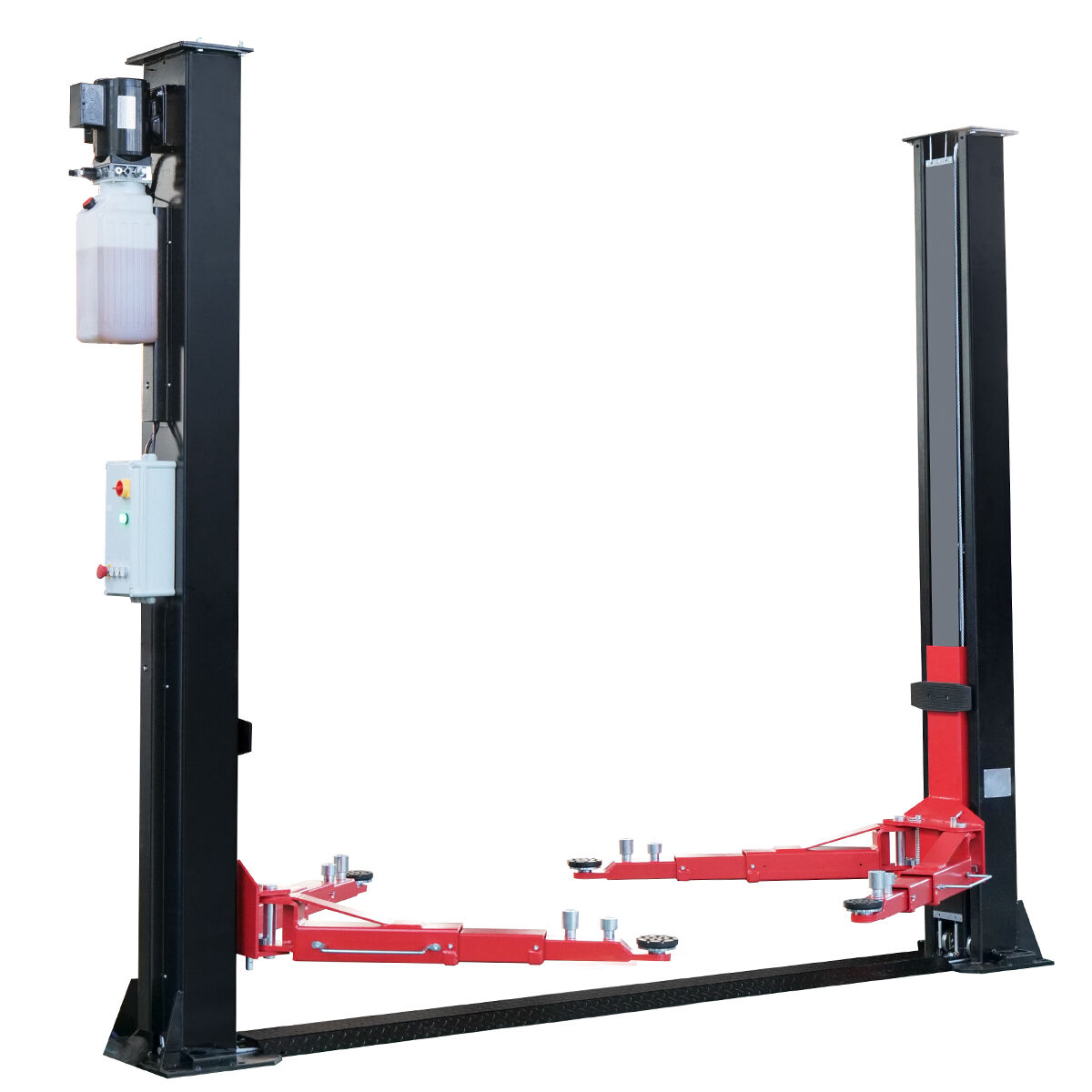
Selecting the appropriate weight capacity for your 2 post car lift is one of the most critical decisions you'll make when setting up your automotive workshop or garage. The capacity determines not only which vehicles you can safely service but also impacts your operational efficiency, safety standards, and long-term investment returns. Understanding the various factors that influence capacity requirements will help you make an informed decision that serves your needs for years to come.
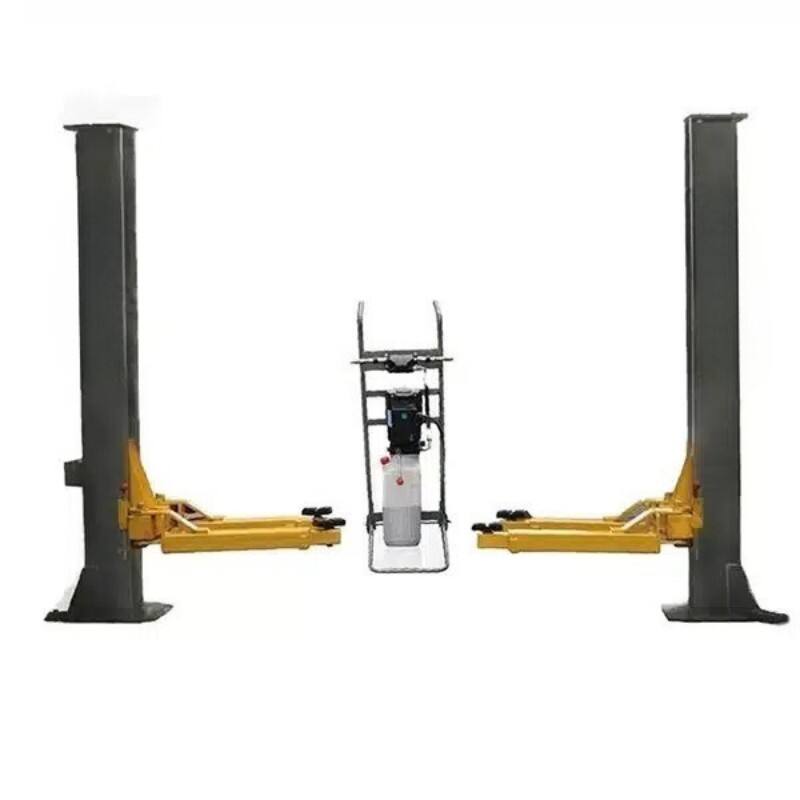
Understanding Vehicle Weight Classifications
Passenger Vehicle Weight Ranges
Most passenger cars fall within specific weight categories that directly influence your 2 post car lift capacity requirements. Compact cars typically weigh between 2,500 to 3,200 pounds, while mid-size sedans range from 3,200 to 3,800 pounds. Full-size sedans and luxury vehicles often exceed 4,000 pounds, with some high-end models reaching 4,500 pounds or more. These weight variations occur due to differences in engine size, materials used, safety features, and overall vehicle dimensions.
Understanding these classifications helps establish baseline capacity needs for your workshop. When servicing primarily passenger vehicles, a standard capacity lift may suffice, but mixed vehicle types require more robust equipment. The weight distribution between front and rear axles also affects lifting requirements, as some vehicles have significantly heavier front ends due to engine placement and design characteristics.
Commercial and Heavy-Duty Vehicles
Commercial vehicles present entirely different capacity challenges for any 2 post car lift system. Light commercial vehicles such as pickup trucks typically weigh between 4,000 to 6,000 pounds, while larger commercial vans can reach 7,000 to 8,000 pounds. Heavy-duty pickup trucks with diesel engines often exceed 8,000 pounds, particularly when equipped with extended cabs and long beds.
Delivery trucks, box trucks, and other commercial vehicles may require specialized lifting equipment with capacities ranging from 12,000 to 15,000 pounds or higher. These vehicles not only weigh more but also have different weight distributions and lifting point requirements that must be carefully considered when selecting appropriate lift capacity.
Standard Capacity Options Available
Entry-Level Capacity Systems
Entry-level 2 post car lift systems typically offer capacities between 7,000 to 9,000 pounds, making them suitable for most passenger vehicles and light trucks. These systems provide adequate lifting power for routine maintenance tasks on standard vehicles while maintaining cost-effectiveness for smaller operations. The 7,000-pound capacity represents the minimum recommended for professional automotive service, providing sufficient safety margin for most passenger cars.
These systems work well for independent mechanics, small repair shops, or hobbyist garages where vehicle variety remains limited. However, even with entry-level systems, proper weight distribution and lifting point placement remain crucial for safe operation. The lower capacity doesn't compromise safety when used within specified limits and proper operating procedures.
Mid-Range and Professional Grade Options
Professional-grade systems typically range from 10,000 to 12,000 pounds, offering versatility for mixed vehicle fleets. The 10,000-pound capacity has become an industry standard for many commercial operations, providing adequate margin for most passenger vehicles while accommodating light commercial vehicles. This capacity level offers excellent flexibility for shops servicing diverse vehicle types without requiring multiple lift systems.
The 12,000-pound capacity represents the upper range for standard 2 post car lift systems, suitable for operations regularly servicing larger vehicles. These systems incorporate enhanced structural components, more robust hydraulic systems, and improved safety features to handle increased loads safely and reliably.
Safety Considerations and Load Margins
Understanding Safety Factors
Safety margins represent the difference between a vehicle's actual weight and the lift's rated capacity, typically recommended at 20-25% above the heaviest vehicle weight you expect to service. This margin accounts for dynamic loading during lifting operations, uneven weight distribution, and potential variations in actual vehicle weights. Professional installations should never operate at maximum capacity as standard practice, as this reduces safety margins and increases component stress.
Dynamic forces during lifting create additional stress on 2 post car lift systems beyond static vehicle weight. These forces result from hydraulic pressure variations, structural flex, and operational movements that can temporarily increase loads beyond static calculations. Adequate safety margins ensure reliable operation even under these variable conditions.
Weight Distribution Challenges
Vehicle weight distribution significantly impacts lifting safety and performance, as most vehicles carry 60-65% of their weight on the front axle. This uneven distribution requires careful positioning of lifting arms to maintain stability throughout the lifting process. Improper weight distribution can cause vehicles to shift or become unstable during lifting, creating dangerous situations regardless of total capacity.
Modern 2 post car lift systems incorporate adjustable arms and multiple lifting points to accommodate various weight distributions. Understanding how different vehicle types distribute weight helps operators position lifting points correctly and maintain safe operating conditions throughout service procedures.
Operational Requirements and Future Planning
Current Workshop Needs Assessment
Assessing current workshop needs involves analyzing the types of vehicles currently serviced, their average weights, and frequency of different vehicle categories. Document the heaviest vehicles regularly serviced and identify any trends toward larger or heavier vehicles in your customer base. This analysis provides the foundation for capacity selection and helps avoid underestimating future requirements.
Consider the types of services performed, as some procedures require additional clearance or access that might influence capacity selection. Heavy-duty repairs, transmission work, or exhaust system services may require higher lifting heights or different positioning options that affect 2 post car lift selection criteria beyond basic weight capacity.
Future Growth and Expansion Planning
Future planning should account for potential business growth, changing vehicle trends, and evolving service capabilities. The automotive industry continues evolving toward larger vehicles, with SUVs and trucks representing increasing market share. Electric vehicles also present new challenges, as battery packs add significant weight while requiring specialized service considerations.
Investment in higher capacity equipment now may prove more cost-effective than upgrading later as business needs change. The additional cost of higher capacity 2 post car lift systems often represents a small percentage of total installation costs while providing significantly improved flexibility and future-proofing capabilities.
Installation and Space Considerations
Physical Space Requirements
Higher capacity 2 post car lift systems typically require more substantial foundations and greater overhead clearance due to increased structural dimensions. Foundation requirements scale with capacity, as heavier loads demand larger concrete pads and deeper anchor bolt installations. Overhead clearance requirements also increase with capacity, as taller posts and longer hydraulic cylinders require additional vertical space.
Space planning should account for vehicle approach angles, door opening clearances, and maintenance access around the lift structure. These factors become more critical with higher capacity systems due to their larger physical footprint and increased structural requirements.
Power and Utility Requirements
Higher capacity systems typically require more powerful hydraulic pumps and electrical systems to handle increased loads efficiently. This translates to higher electrical power requirements and potentially different electrical service needs. Consider these utility requirements during planning phases to avoid costly modifications after installation begins.
Hydraulic system capacity and pump specifications directly correlate with lifting capacity and cycle times. Higher capacity 2 post car lift systems may require larger hydraulic reservoirs, more powerful pumps, and enhanced cooling systems to maintain performance under heavy use conditions.
Cost-Benefit Analysis
Initial Investment Considerations
Initial investment in 2 post car lift systems scales roughly with capacity, but the relationship isn't always linear. The cost difference between mid-range and high-capacity systems often represents a smaller percentage than the capacity increase, making higher capacity options attractive from a value perspective. Installation costs may also favor higher capacity systems when foundation and electrical work requirements are similar.
Consider total cost of ownership beyond initial purchase price, including installation, maintenance, and operational costs over the system's expected lifespan. Higher capacity systems often incorporate better components and construction that may result in lower maintenance costs and longer service life.
Revenue Generation Potential
Higher capacity equipment expands service capabilities and potential customer base, directly impacting revenue generation potential. The ability to service larger vehicles, commercial fleets, or specialized equipment can command premium pricing and attract new customer segments. This expanded capability often justifies the additional investment in higher capacity systems.
Market positioning becomes important when competing for commercial accounts or fleet maintenance contracts. Having adequate capacity for all vehicle types eliminates the need to turn away potential customers or refer work to competitors with more capable equipment.
FAQ
What is the minimum safe capacity for a professional automotive shop
The minimum recommended capacity for professional automotive shops is 9,000 pounds, though 10,000 pounds provides better versatility and safety margins. This capacity handles most passenger vehicles with adequate safety margin while accommodating some light commercial vehicles. Shops servicing primarily compact cars might operate safely with 7,000-pound systems, but the limited flexibility makes 9,000 pounds the practical minimum for professional operations.
How do I determine if my current 2 post car lift capacity is adequate
Evaluate your current capacity by documenting the weights of vehicles you service regularly and comparing them to your lift's rated capacity. Ensure you maintain at least 20% safety margin above the heaviest vehicle weight. If you're regularly approaching or exceeding 80% of rated capacity, or if you're turning away heavier vehicles, it's time to consider upgrading to higher capacity equipment.
Can I exceed the rated capacity occasionally for special circumstances
Never exceed the rated capacity of any 2 post car lift system under any circumstances. Rated capacities include engineering safety factors, but exceeding these limits can cause catastrophic failure, equipment damage, or serious injury. If you encounter vehicles exceeding your lift's capacity, either refer them to facilities with appropriate equipment or invest in higher capacity systems to handle these requirements safely.
What capacity increase should I consider for electric vehicles
Electric vehicles typically weigh 500-1,000 pounds more than comparable internal combustion vehicles due to battery pack weight. Consider increasing your planned capacity by 15-20% to accommodate the growing electric vehicle market. A 2 post car lift system rated for 12,000 pounds provides adequate margin for most current electric vehicles while allowing for future model weight increases as battery technology continues evolving.