 EN
EN

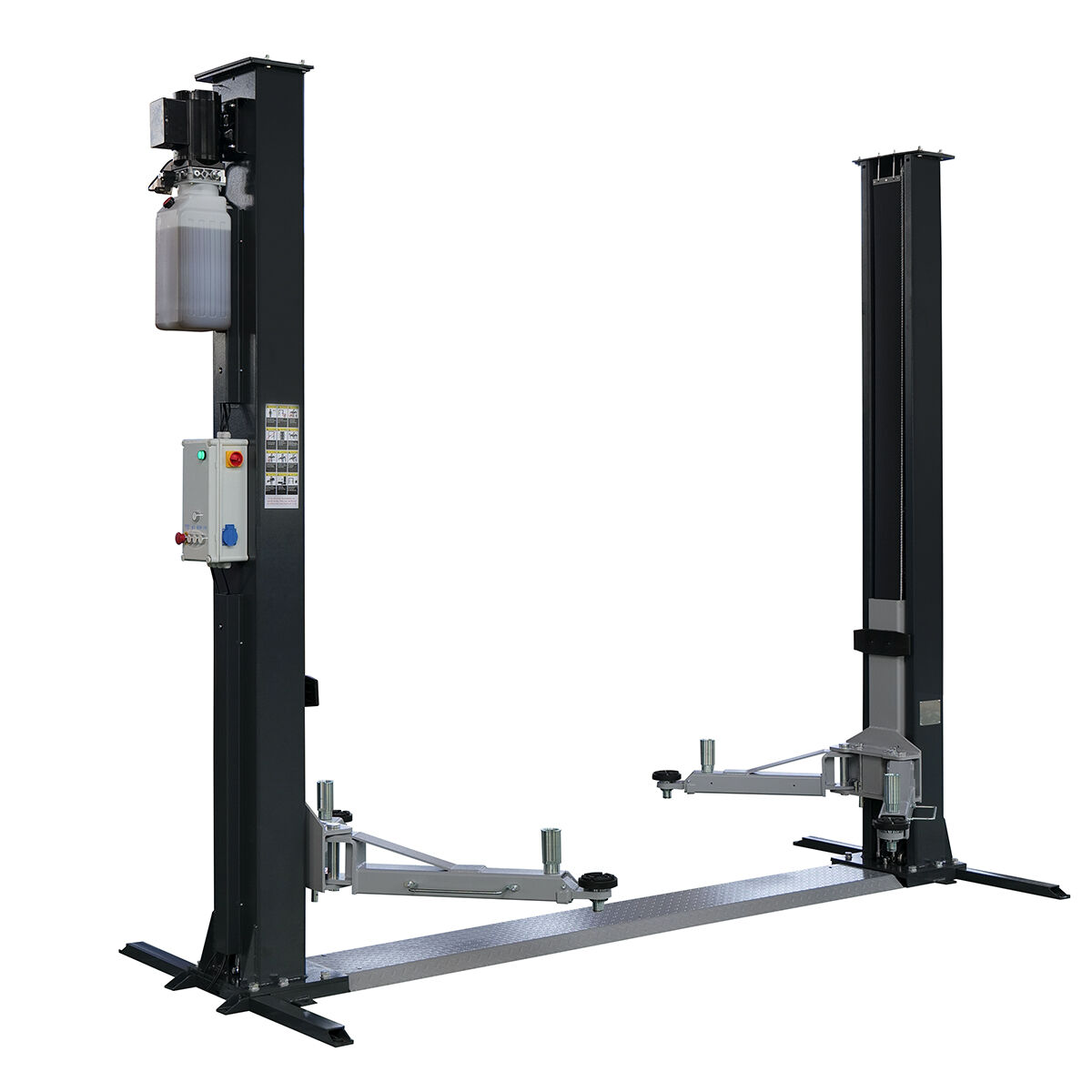
The automotive service industry continues to evolve rapidly, and having the right equipment is essential for maintaining competitive advantage in 2025. Professional mechanics, automotive enthusiasts, and garage owners increasingly recognize that investing in quality lifting equipment can dramatically improve workflow efficiency and safety standards. A 2 post car lift represents one of the most fundamental pieces of equipment for any serious automotive workspace, offering unparalleled access to vehicle undercarriages while maximizing floor space utilization.
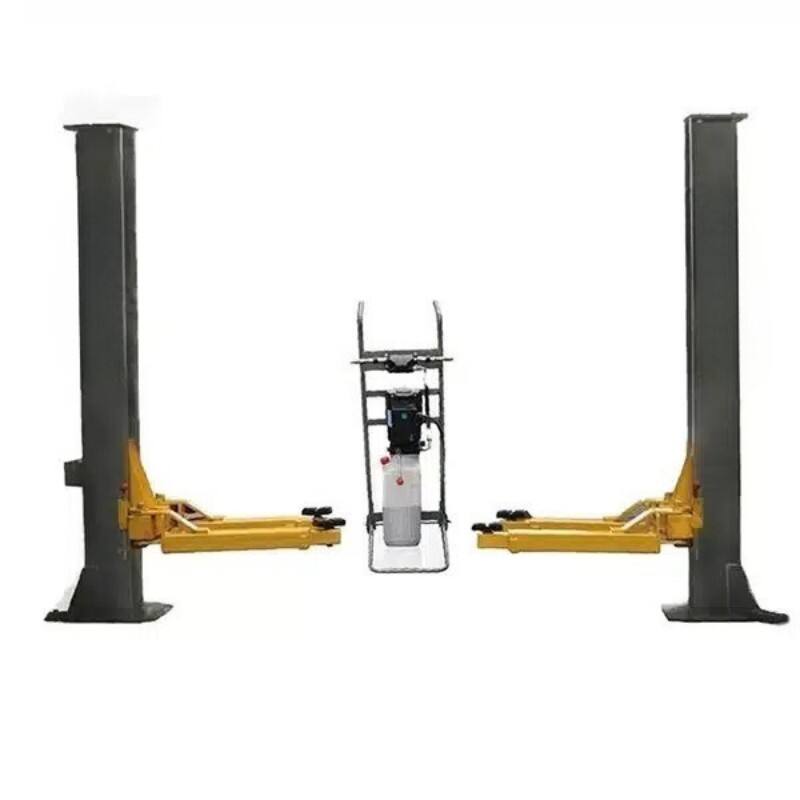
Modern automotive repair facilities demand equipment that combines durability, precision, and operational flexibility. The selection process for lifting equipment has become increasingly sophisticated as businesses seek solutions that can handle diverse vehicle types while maintaining exceptional safety standards. Understanding the current market landscape helps ensure informed purchasing decisions that support long-term business objectives and operational requirements.
Essential Features of Modern Lifting Systems
Safety Mechanisms and Certifications
Contemporary lifting systems incorporate multiple safety features that exceed traditional industry standards. Advanced locking mechanisms, redundant safety systems, and fail-safe designs ensure operator protection during all phases of operation. A quality 2 post car lift includes automatic safety locks, dual hydraulic cylinders, and reinforced structural components that meet or exceed international safety certifications.
Professional-grade equipment undergoes rigorous testing procedures to validate performance under various operating conditions. These systems feature emergency lowering capabilities, overload protection, and visual safety indicators that provide clear operational status information. Certification from recognized testing organizations demonstrates compliance with stringent safety protocols and industry best practices.
Capacity and Performance Specifications
Weight capacity represents a critical specification that directly impacts operational versatility and safety margins. Modern systems typically offer lifting capacities ranging from 8,000 to 18,000 pounds, accommodating everything from compact passenger vehicles to heavy-duty trucks and commercial vehicles. The 2 post car lift design distributes weight evenly across structural components, ensuring stable operation throughout the lifting range.
Lifting speed and precision control enhance productivity while maintaining safety standards. Variable speed controls allow operators to adjust lifting rates based on specific requirements, while precise positioning capabilities facilitate accurate vehicle placement for detailed inspection and repair procedures. Advanced hydraulic systems provide smooth, consistent operation with minimal maintenance requirements.
Installation Requirements and Considerations
Foundation and Structural Prerequisites
Proper installation begins with adequate foundation preparation that meets manufacturer specifications and local building codes. Concrete foundations must achieve specified thickness, reinforcement, and curing requirements to support operational loads safely. Professional installers evaluate existing floor conditions and recommend necessary modifications to ensure long-term stability and performance.
Ceiling height, overhead clearance, and workspace dimensions influence equipment selection and positioning. A typical 2 post car lift requires minimum ceiling heights between 11 and 14 feet, depending on specific model configurations and intended applications. Adequate clearance around the installation area ensures safe operation and facilitates routine maintenance procedures.
Electrical and Hydraulic Connections
Electrical requirements vary based on system specifications, with most professional units requiring 220V or 440V three-phase power connections. Qualified electricians ensure proper circuit protection, grounding, and compliance with local electrical codes. Hydraulic systems require appropriate fluid specifications, filtration systems, and environmental controls to maintain optimal performance.
Professional installation services typically include system commissioning, operator training, and warranty activation procedures. Certified technicians verify all safety systems, calibrate operational parameters, and provide comprehensive documentation for maintenance scheduling and warranty compliance. This professional approach ensures optimal performance from initial startup through years of reliable operation.
Market Analysis and Sourcing Strategies
Authorized Dealers and Distribution Networks
Established manufacturers maintain extensive dealer networks that provide local support, technical expertise, and warranty services. These authorized channels offer genuine parts, trained service technicians, and comprehensive support programs that protect equipment investments. Working with authorized dealers ensures access to factory training, technical documentation, and ongoing support throughout the equipment lifecycle.
Regional distributors often specialize in specific market segments, offering tailored solutions for automotive service centers, independent repair shops, and industrial applications. These specialists understand local market conditions, regulatory requirements, and application-specific needs that influence equipment selection and configuration decisions.
Online Marketplaces and Direct Sales
Digital marketplaces have transformed equipment procurement, offering expanded selection, competitive pricing, and detailed product information. Reputable online retailers provide comprehensive product specifications, customer reviews, and comparison tools that facilitate informed purchasing decisions. However, buyers must carefully evaluate seller credentials, warranty terms, and support capabilities when considering online purchases.
Direct manufacturer sales programs often provide competitive pricing, customization options, and enhanced warranty coverage. These programs typically target high-volume buyers, fleet operators, and commercial accounts seeking standardized equipment solutions. Direct relationships with manufacturers can provide valuable insights into product development, application optimization, and long-term support strategies.
Operational Benefits and Applications
Productivity Enhancement
Professional lifting equipment dramatically improves service bay productivity by providing unrestricted access to vehicle components while maintaining comfortable working positions. A well-designed 2 post car lift enables simultaneous access to multiple vehicle systems, reducing service times and improving customer satisfaction. Ergonomic benefits include reduced physical strain, improved visibility, and enhanced precision during complex repair procedures.
Workflow optimization becomes possible when lifting equipment integrates seamlessly with existing service procedures and equipment layouts. Modern systems accommodate various vehicle types, wheel configurations, and access requirements without compromising safety or operational efficiency. This versatility supports diverse service offerings and maximizes revenue potential from existing facility investments.
Safety and Compliance Advantages
Professional lifting equipment eliminates many traditional safety risks associated with vehicle servicing while improving compliance with occupational safety regulations. Elevated work positions reduce back strain, improve visibility, and eliminate the need for dangerous improvised lifting solutions. Integrated safety systems provide multiple layers of protection that exceed manual lifting alternatives.
Compliance with industry standards and insurance requirements often mandates the use of certified lifting equipment in commercial applications. Professional systems include documentation, certification, and traceability features that support regulatory compliance and risk management programs. These features become increasingly important as safety regulations continue to evolve and enforcement becomes more stringent.
Maintenance and Longevity Considerations
Preventive Maintenance Programs
Systematic maintenance programs ensure reliable operation, extend equipment life, and maintain safety certifications throughout the operational period. Regular inspection schedules include hydraulic fluid analysis, structural component examination, and safety system verification procedures. Proper maintenance practices prevent costly breakdowns, minimize downtime, and protect warranty coverage.
Manufacturer-recommended maintenance intervals provide guidance for routine service procedures, component replacement, and system upgrades. Following these schedules ensures optimal performance while maintaining compliance with safety standards and warranty requirements. Professional service providers offer comprehensive maintenance programs that include scheduled inspections, emergency repair services, and parts replacement coordination.
Upgrade and Modification Options
Modern lifting systems accommodate various upgrade options that extend capabilities and adapt to changing operational requirements. Control system upgrades, capacity enhancements, and accessory additions provide cost-effective methods for improving performance without complete system replacement. These modifications often provide significant return on investment while extending equipment useful life.
Technology integration capabilities enable modern systems to interface with facility management systems, maintenance tracking programs, and operational monitoring solutions. These features provide valuable data for optimizing utilization, scheduling maintenance, and planning future equipment investments. The 2 post car lift design philosophy emphasizes adaptability and upgrade potential to support evolving business requirements.
Cost Analysis and Return on Investment
Initial Investment Considerations
Equipment costs vary significantly based on capacity, features, and manufacturer specifications, with professional systems typically ranging from moderate to substantial investments. However, total cost of ownership includes installation, training, maintenance, and operational considerations that influence long-term value propositions. Comprehensive cost analysis should evaluate all aspects of ownership to determine true investment value.
Financing options, lease programs, and equipment rental alternatives provide flexibility for businesses with varying capital requirements and operational needs. These programs often include maintenance coverage, warranty extensions, and upgrade options that reduce total ownership costs while providing predictable monthly expenses. Careful evaluation of financing terms ensures optimal alignment with business cash flow requirements.
Productivity and Revenue Impact
Professional lifting equipment enables service providers to handle more complex procedures, reduce service times, and improve customer satisfaction levels. These operational improvements translate directly into increased revenue potential, enhanced service offerings, and competitive advantages in local markets. The 2 post car lift configuration maximizes these benefits while minimizing space requirements and operational complexity.
Labor efficiency improvements often provide the most significant return on investment, as skilled technicians can complete more work in less time while maintaining quality standards. Reduced physical strain, improved access, and enhanced safety contribute to lower worker compensation costs, reduced turnover, and improved job satisfaction levels. These factors combine to create compelling business cases for professional equipment investments.
FAQ
What factors should I consider when selecting lifting equipment capacity
Capacity selection depends on the heaviest vehicles you plan to service, with safety margins typically requiring 25-30% excess capacity above maximum vehicle weight. Consider future business growth, service expansion plans, and occasional heavy-duty requirements when determining optimal capacity specifications. The 2 post car lift design accommodates various capacity ranges while maintaining compact footprints suitable for most service facilities.
How long does professional installation typically require
Professional installation usually requires 1-2 days for standard configurations, including foundation preparation, equipment assembly, and system commissioning. Complex installations involving electrical upgrades, floor modifications, or specialized configurations may require additional time. Certified installers provide detailed scheduling information based on specific site conditions and equipment specifications.
What ongoing maintenance requirements should I expect
Routine maintenance includes monthly visual inspections, quarterly hydraulic fluid checks, and annual comprehensive system evaluations performed by qualified technicians. Most systems require minimal daily maintenance beyond basic cleaning and operational checks. Professional maintenance programs typically cost a small percentage of initial equipment investment while ensuring reliable operation and warranty compliance.
Are there financing options available for professional equipment purchases
Most equipment suppliers offer comprehensive financing programs including traditional loans, lease arrangements, and rent-to-own options tailored to various business requirements. These programs often include maintenance coverage, warranty extensions, and upgrade provisions that reduce total ownership costs. Financing terms vary based on creditworthiness, down payment amounts, and specific equipment configurations, making professional lifting equipment accessible to businesses of all sizes.