 EN
EN

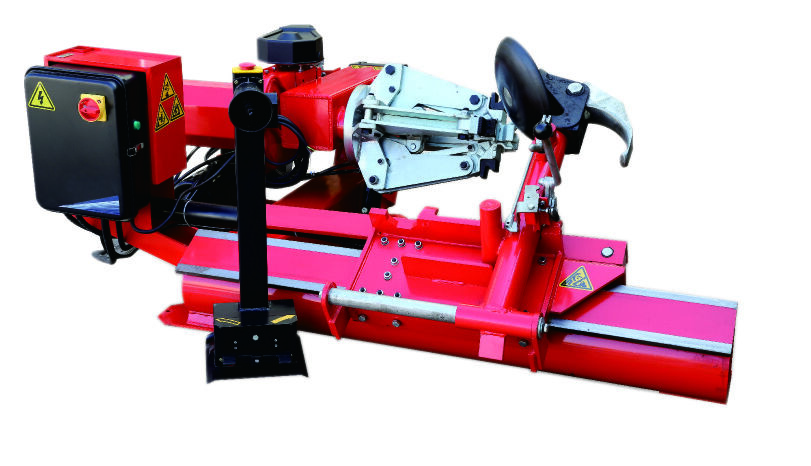
Running a successful automotive service shop requires more than just skilled technicians and basic tools. In today's competitive market, efficiency and service quality determine which businesses thrive and which struggle to maintain profitability. One essential piece of equipment that directly impacts both your operational efficiency and customer satisfaction is a professional tire changer. This specialized equipment transforms time-consuming manual tire mounting and dismounting into streamlined processes that save labor costs while reducing the risk of wheel damage.
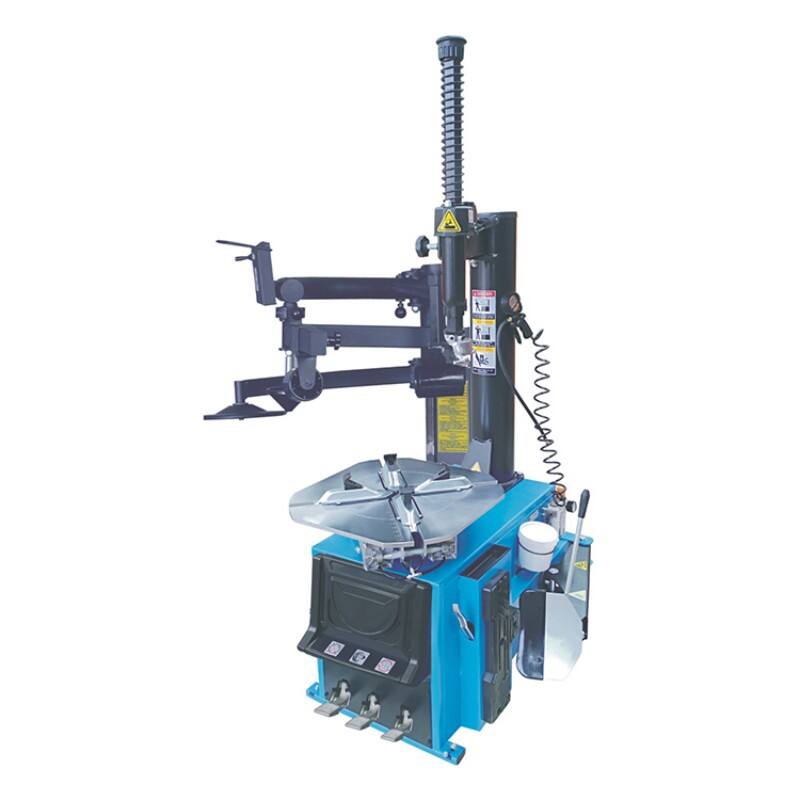
The decision to invest in a tire changer represents a strategic business move that addresses multiple operational challenges simultaneously. Beyond the obvious time savings, this equipment enables your shop to handle increased tire service volume, expand service capabilities, and deliver consistent quality that builds customer loyalty. Understanding why your shop specifically needs a tire changer involves examining the tangible benefits across productivity, profitability, safety, and long-term business growth.
Operational Efficiency and Time Management Benefits
Dramatic Reduction in Service Time
A professional tire changer reduces tire mounting and dismounting time from the 15-20 minutes typically required with manual methods to approximately 2-3 minutes per tire. This efficiency gain translates directly into increased daily service capacity, allowing your shop to handle more customers without extending operating hours or hiring additional staff. The consistent speed of machine-assisted tire changing eliminates the variability inherent in manual processes, making it easier to provide accurate time estimates to customers.
The time savings extend beyond individual tire changes to impact your entire workflow. Technicians can complete tire rotations, seasonal changeovers, and repair services more quickly, freeing up bay space and equipment for other profitable services. This improved throughput becomes particularly valuable during peak seasons when tire service demand spikes, such as spring and fall changeover periods.
Reduced Physical Strain on Technicians
Manual tire mounting and dismounting places significant physical stress on technicians' backs, shoulders, and hands. A tire changer eliminates the need for heavy lifting, awkward positioning, and repetitive strain associated with traditional tire irons and manual leverage techniques. This ergonomic improvement reduces workplace injuries, decreases sick days, and helps retain experienced technicians who might otherwise seek less physically demanding positions.
The reduced physical demands also mean technicians maintain higher energy levels throughout their shifts, leading to better work quality and improved customer service. When technicians aren't exhausted from physical exertion, they can focus more attention on quality control, proper torque specifications, and customer communication. This preservation of human resources represents a significant operational advantage that compounds over time.
Financial Returns and Profitability Enhancement
Direct Labor Cost Savings
The efficiency gains from a tire changer translate directly into reduced labor costs per service. With faster tire changes, your shop can either serve more customers with existing staff levels or maintain current service volumes with fewer technician hours. These labor savings often justify the tire changer investment within the first year of operation, particularly for shops handling significant tire service volume.
Beyond direct time savings, the consistent performance of a tire changer reduces the likelihood of comebacks and warranty claims. Proper machine mounting minimizes tire damage, improper bead seating, and other issues that could require costly do-over work. This reliability protects your shop's reputation while eliminating unprofitable repair time on warranty claims.
Revenue Expansion Opportunities
Professional tire changer equipment enables your shop to confidently service high-value wheel and tire combinations that many shops avoid due to damage risk. Low-profile tires, expensive alloy wheels, and run-flat tire systems require precise handling that manual methods cannot reliably provide. By offering these premium services, your shop can capture higher-margin business from customers with luxury and performance vehicles.
The professional capabilities of a tire changer also support expansion into specialized services such as motorcycle tire mounting, commercial vehicle tire service, and custom wheel installations. These niche markets often command premium pricing while facing less competition from basic service providers. The equipment investment opens doors to revenue streams that would be impractical or impossible with manual tire changing methods.
Quality Control and Customer Satisfaction Impact
Consistent Service Quality
A tire changer delivers consistent mounting quality regardless of technician skill level or experience. This standardization ensures that every customer receives the same high-quality service, eliminating the variability that can occur with manual methods where technique differences between technicians affect results. Consistent quality builds customer confidence and reduces complaints related to vibration, premature tire wear, or wheel damage.
The precision of machine-mounted tires also contributes to better vehicle performance and customer satisfaction. Properly seated tire beads, consistent mounting pressure, and reduced wheel damage translate into smoother rides, longer tire life, and fewer customer complaints. These quality improvements strengthen customer relationships and increase the likelihood of repeat business and referrals.
Enhanced Professional Image
Customers notice when a shop invests in professional-grade equipment. A tire changer demonstrates commitment to quality service and modern practices, helping differentiate your business from competitors using outdated manual methods. This professional image attracts quality-conscious customers willing to pay appropriate rates for superior service, supporting higher profit margins and business growth.
The visible presence of professional tire changing equipment also reassures customers about your shop's capability to handle their valuable wheels and tires safely. This confidence is particularly important when servicing expensive vehicles where wheel damage could result in significant repair costs. The professional appearance and capabilities of a tire changer support premium pricing strategies by justifying higher service rates through demonstrated value.
Safety and Risk Management Considerations
Reduced Liability Exposure
Manual tire changing carries inherent risks of wheel damage, personal injury, and property damage that can result in costly insurance claims and legal liability. A tire changer significantly reduces these risks through controlled mounting and dismounting processes that minimize the potential for accidents. The reduced liability exposure helps control insurance costs while protecting your business from potentially devastating damage claims.
Professional tire changer equipment includes safety features such as wheel clamping systems, protective shields, and controlled pressure applications that prevent common causes of injury and damage. These built-in safety measures create a more secure working environment while demonstrating due diligence in workplace safety practices. This attention to safety reduces workers' compensation claims and supports better employee retention through improved working conditions.
Equipment Longevity and Maintenance Benefits
Modern tire changer designs emphasize durability and low maintenance requirements, providing reliable service for many years with proper care. This longevity ensures consistent return on investment while minimizing unexpected repair costs that can disrupt operations. The robust construction of professional tire changers withstands heavy daily use better than makeshift manual solutions or entry-level equipment.
Regular maintenance requirements for quality tire changers are typically minimal, involving periodic lubrication, adjustment checks, and replacement of wear items such as mounting heads and protective covers. This predictable maintenance schedule allows for budget planning and preventive care that maximizes equipment life while maintaining optimal performance throughout the service life of the tire changer.
Competitive Advantage and Market Position
Service Speed as Competitive Differentiator
In today's fast-paced environment, customers increasingly value quick service without sacrificing quality. A tire changer enables your shop to offer genuinely faster tire service while maintaining high quality standards, creating a competitive advantage over shops relying on slower manual methods. This speed advantage becomes particularly valuable for customers with tight schedules who will pay premium rates for expedited service.
The ability to provide quick tire service also supports other business objectives such as while-you-wait service options, same-day completion guarantees, and emergency service capabilities. These service offerings differentiate your shop from competitors and justify higher pricing through added convenience value. The tire changer investment supports these competitive positioning strategies by providing the operational capability to deliver on service promises consistently.
Market Expansion Possibilities
Professional tire changer capabilities enable your shop to pursue market segments that require reliable, high-quality tire service. Fleet maintenance contracts, dealership subcontract work, and commercial vehicle service opportunities often specify equipment requirements that exclude shops without proper tire changing equipment. Access to these markets can provide steady revenue streams and business stability beyond traditional retail customers.
The professional credibility established through tire changer ownership also supports marketing efforts targeting quality-conscious customers willing to pay for superior service. This positioning allows your shop to compete on value rather than price, supporting healthier profit margins and sustainable business growth. The equipment investment signals market commitment that resonates with customers seeking long-term service relationships.
FAQ
How long does it take to recoup the investment in a tire changer?
Most shops recover their tire changer investment within 12-18 months through labor savings and increased service capacity. The exact payback period depends on your current tire service volume, labor rates, and equipment cost. Shops handling 15-20 tire changes daily typically see faster returns due to significant time savings multiplication across high transaction volumes.
Can a tire changer handle all wheel and tire types safely?
Modern tire changers are designed to handle a wide range of wheel materials, sizes, and tire types including low-profile, run-flat, and performance tires. However, proper training and appropriate mounting heads are essential for safe operation across all applications. Most quality tire changers include multiple mounting head options and adjustment capabilities to accommodate various wheel and tire combinations without damage.
What maintenance is required to keep a tire changer operating efficiently?
Regular tire changer maintenance includes daily lubrication of moving parts, weekly inspection of mounting heads and protective covers, and monthly calibration checks of pressure systems. Annual professional service typically involves comprehensive inspection, wear part replacement, and system recalibration. Following manufacturer maintenance schedules ensures optimal performance and extends equipment life while maintaining safety standards.
Is special training required to operate a tire changer safely and effectively?
Yes, proper training is essential for safe and effective tire changer operation. Most manufacturers provide initial training with equipment purchase, covering setup, operation procedures, safety protocols, and basic maintenance. Ongoing training helps technicians stay current with best practices and new tire technologies. Investment in proper training protects equipment, reduces damage risk, and ensures optimal return on the tire changer investment.