 EN
EN


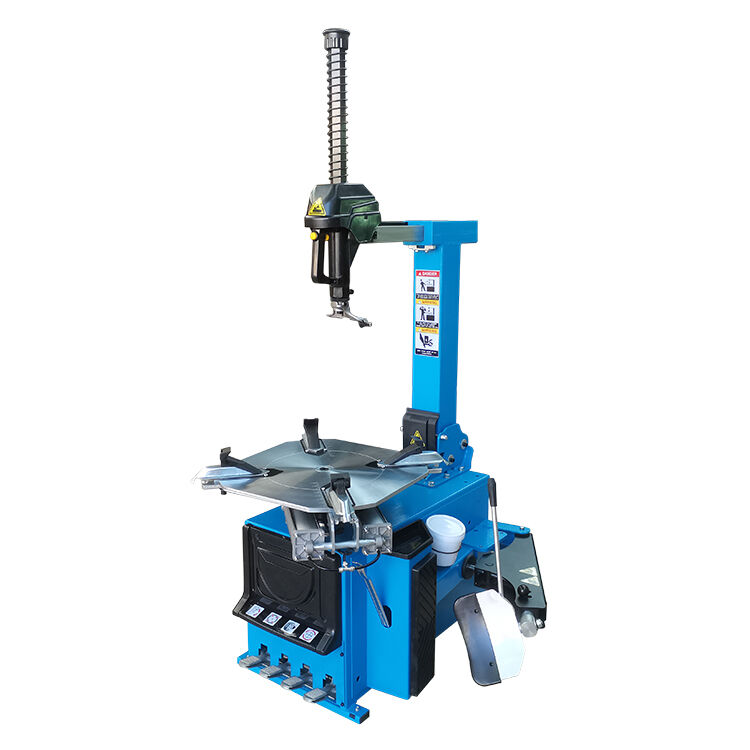
A quality tire changer represents one of the most critical investments for any garage operation, directly impacting service efficiency, customer satisfaction, and long-term profitability. The right tire changer equipment transforms routine tire mounting and demounting tasks from time-consuming manual processes into streamlined operations that maximize throughput while minimizing operator fatigue and potential wheel damage.
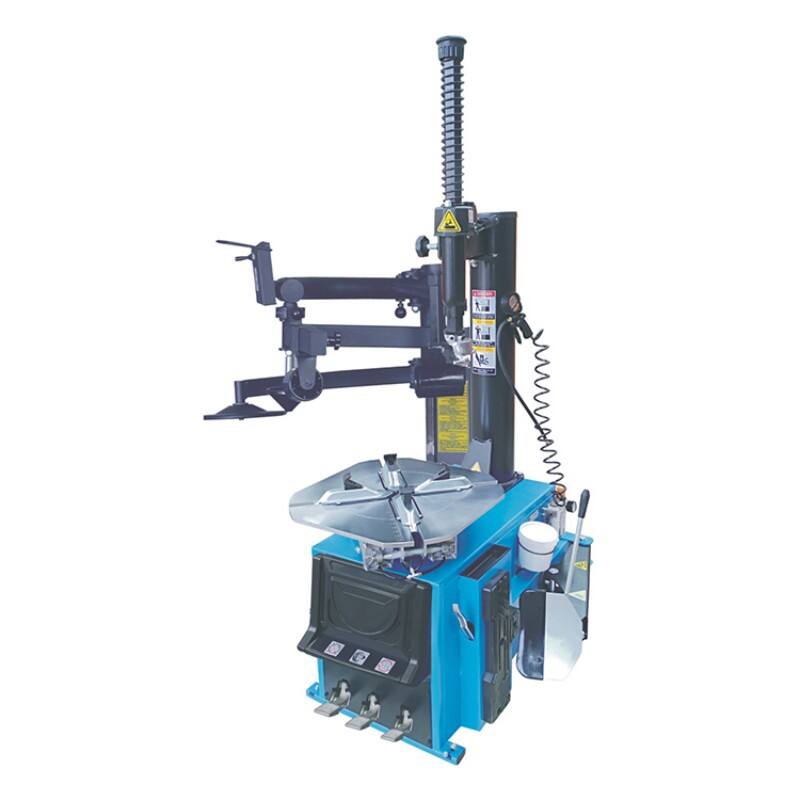
Understanding what distinguishes an exceptional tire changer from mediocre alternatives requires examining multiple technical specifications, build quality factors, and operational capabilities. Professional garage owners must evaluate these machines based on their ability to handle diverse wheel types, maintain consistent performance under heavy workloads, and provide the reliability necessary for uninterrupted service operations.
Essential Performance Characteristics
Clamping System Precision and Versatility
The clamping mechanism of a tire changer fundamentally determines its ability to securely hold wheels during mounting and demounting operations. Superior tire changer models incorporate adjustable clamping systems that accommodate wheel diameters ranging from compact car sizes to larger truck applications without requiring extensive setup modifications. The clamping jaws should provide uniform pressure distribution across the wheel rim to prevent deformation or surface damage during the tire changing process.
External and internal clamping options expand the versatility of professional tire changer equipment, allowing technicians to work with various wheel designs including those with decorative elements, painted finishes, or specialized coatings. The clamping range typically spans from 10 to 24 inches for standard automotive applications, though commercial-grade units may extend this range to accommodate specialized vehicle requirements.
Pneumatic Power System Requirements
The pneumatic system powering a tire changer directly influences its operational speed and consistency. Quality units require stable air pressure between 8 and 10 bar to maintain optimal performance throughout extended use periods. The air consumption rate affects overall operating costs and determines whether existing garage compressor systems can adequately support the tire changer without requiring additional equipment upgrades.
Advanced tire changer models incorporate pressure regulation systems that automatically adjust pneumatic force based on wheel size and tire specifications. This intelligent pressure management prevents excessive force application that could damage delicate alloy wheels while ensuring sufficient power for challenging tire removal tasks involving run-flat tires or heavily corroded rim interfaces.
Structural Design and Build Quality
Frame Construction and Stability
The structural foundation of a tire changer determines its longevity and operational reliability under continuous professional use. Heavy-duty steel frame construction with reinforced mounting points provides the stability necessary for handling lateral forces generated during tire mounting operations. The base weight and center of gravity affect machine stability, particularly when working with larger wheels that create significant leverage forces.
Frame rigidity prevents vibration and movement during operation, which directly impacts the precision of tire mounting procedures. Quality tire changer units typically feature welded steel construction with powder-coated finishes that resist corrosion and maintain appearance despite exposure to tire mounting lubricants and environmental contaminants common in garage environments.
Component Quality and Material Selection
The materials used in critical tire changer components determine maintenance requirements and operational lifespan. Hardened steel mounting heads resist wear from repeated contact with tire beads and rim surfaces, while sealed bearing assemblies protect rotating mechanisms from contamination. The quality of seals, gaskets, and pneumatic components affects the frequency of maintenance interventions required to maintain peak performance.
Professional-grade tire changer equipment incorporates replaceable wear components that allow for cost-effective maintenance rather than requiring complete unit replacement when normal wear occurs. The availability and cost of replacement parts should factor into the initial equipment selection process to ensure long-term operational viability.
Operational Efficiency Features
Cycle Time and Throughput Optimization
The operational speed of a tire changer directly affects garage productivity and service capacity. Advanced models complete standard tire mounting and demounting cycles in 2-3 minutes compared to 5-10 minutes required by basic units. This efficiency improvement translates to increased daily service volume and improved customer turnaround times during peak demand periods.
Automated features such as programmable positioning systems reduce operator setup time between different wheel sizes. Memory functions store frequently used clamping positions and operational parameters, eliminating repetitive manual adjustments and reducing the potential for operator errors that could damage wheels or compromise mounting quality.
Ergonomic Design and Operator Comfort
The ergonomic design of tire changer controls and working positions affects operator productivity and reduces workplace injury risks. Control panel positioning should allow comfortable access while maintaining clear visibility of the mounting operation. Pedal controls require appropriate force levels that prevent operator fatigue during extended use periods without compromising operational precision.
Working height adjustability accommodates operators of different statures while maintaining optimal leverage for tire manipulation tasks. The positioning of auxiliary tools and lubricant dispensers should minimize reaching and bending motions that contribute to operator fatigue and potential safety hazards during busy service periods.
Wheel Protection and Damage Prevention
Surface Protection Systems
Modern tire changer equipment incorporates multiple protection systems to prevent cosmetic and structural damage to expensive alloy wheels. Plastic or rubber-coated contact points eliminate metal-to-metal contact between the tire changer and wheel surfaces. The mounting head design should include protective sleeves or coverings that prevent scratching during tire mounting operations.
Adjustable pressure settings allow technicians to customize operational force based on wheel material and condition. Excessive force can crack alloy wheels or damage wheel coatings, while insufficient force may result in incomplete tire mounting or bead seating failures. Quality tire changer units provide precise force control through regulated pneumatic systems or electronic monitoring capabilities.
Run-Flat and Low-Profile Tire Capabilities
The ability to handle specialized tire types distinguishes professional tire changer equipment from basic consumer models. Run-flat tires require additional mounting force due to reinforced sidewall construction, while low-profile tires demand precise positioning to prevent sidewall damage during mounting operations. Advanced tire changer models include specific operational modes optimized for these challenging tire types.
The mounting head design affects the ability to work with tires featuring minimal sidewall height without damaging the wheel rim. Specialized tooling attachments may be necessary for extreme low-profile applications, and the tire changer should accommodate these accessories without requiring extensive modifications or setup changes.
Maintenance Requirements and Reliability
Preventive Maintenance Accessibility
The maintenance requirements of tire changer equipment directly impact long-term operational costs and equipment availability. Quality units feature accessible lubrication points, easily replaceable wear components, and clear maintenance schedules that prevent unexpected breakdowns during peak service periods. The complexity of routine maintenance procedures affects whether garage staff can perform these tasks internally or require external service support.
Filter accessibility for pneumatic systems ensures consistent air quality and prevents contamination-related component failures. The frequency of filter replacement and the cost of replacement elements should align with garage operational schedules to minimize service interruptions. Some advanced tire changer models include maintenance reminder systems that alert operators when service intervals approach.
Component Longevity and Replacement Costs
The expected lifespan of major tire changer components affects the total cost of ownership beyond the initial purchase price. High-quality seals, bearings, and pneumatic components typically provide 3-5 years of reliable operation under normal commercial use conditions. The availability and cost of replacement parts should be evaluated during the selection process to ensure parts support continues throughout the equipment's operational life.
Warranty coverage and service support availability influence the risk associated with tire changer equipment investments. Comprehensive warranty programs that cover both parts and labor provide financial protection against premature component failures while ensuring access to qualified service technicians when repairs become necessary.
FAQ
What wheel size range should a garage tire changer accommodate?
A quality garage tire changer should handle wheel diameters from 10 to 24 inches to cover most passenger vehicles, light trucks, and SUVs. This range accommodates compact car wheels through large pickup truck applications without requiring separate equipment or extensive setup modifications for different vehicle types.
How much air pressure does a tire changer require for optimal operation?
Professional tire changer equipment typically requires 8 to 10 bar (116 to 145 PSI) of consistent air pressure for optimal performance. The garage air compressor system must maintain stable pressure during operation and provide adequate air volume to support continuous use without pressure drops that compromise operational speed or effectiveness.
What features protect expensive alloy wheels during tire changing?
Quality tire changer models include plastic or rubber-coated contact points, adjustable clamping pressure, and protective sleeves on mounting heads. These features prevent metal-to-metal contact and allow technicians to customize operational force based on wheel material and condition to avoid scratches, chips, or structural damage.
Can a single tire changer handle both regular and run-flat tires effectively?
Advanced tire changer units include operational modes specifically designed for run-flat tires, which require additional mounting force due to reinforced sidewall construction. The machine should provide sufficient pneumatic power and specialized tooling to handle these challenging tire types without requiring separate equipment or extensive setup changes.