 EN
EN


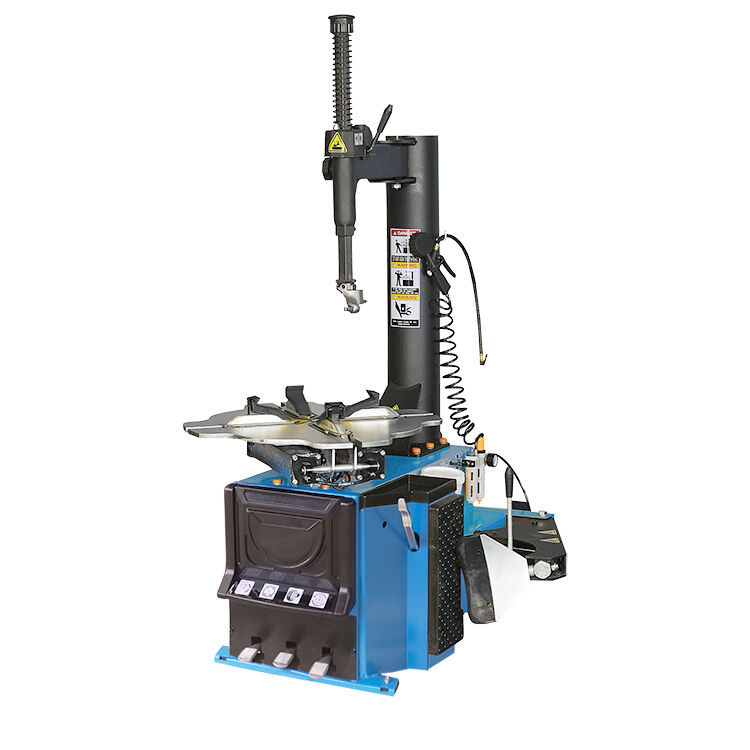
Selecting the appropriate tire changer size is a critical decision that directly impacts your shop's operational efficiency, customer service capabilities, and long-term profitability. The right tire changer must accommodate your current wheel diameter range while providing room for future expansion, ensuring that you can handle both standard passenger vehicles and larger commercial applications without compromising performance or safety standards.
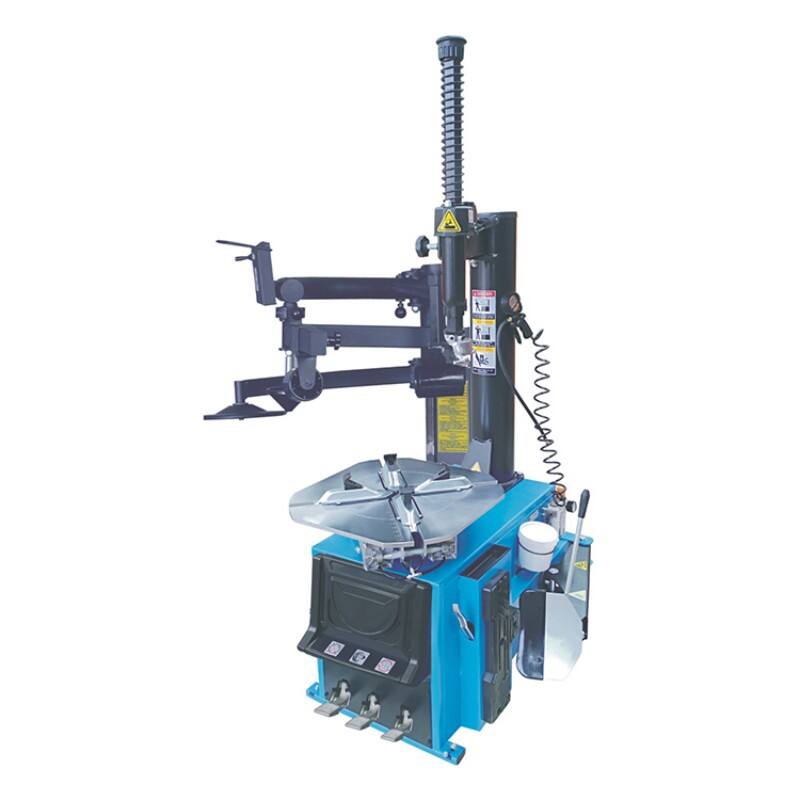
Understanding tire changer sizing involves more than simply matching wheel diameter specifications. Professional tire service operations must consider clamping jaw capacity, bead breaking force, mounting head reach, and auxiliary arm extensions to ensure comprehensive compatibility across diverse wheel configurations. These technical parameters determine whether your tire changer can handle everything from compact car wheels to heavy-duty truck rims with consistent reliability and precision.
Understanding Tire Changer Size Classifications
Standard Wheel Diameter Categories
Tire changer manufacturers typically classify their equipment based on maximum wheel diameter capacity, ranging from compact units handling 10-inch to 21-inch wheels up to heavy-duty models accommodating 14-inch to 30-inch applications. Understanding these classifications helps narrow your selection based on your primary customer base and service offerings. Most automotive service centers require tire changer units capable of handling 10-inch to 26-inch wheels to cover standard passenger vehicles, light trucks, and SUVs effectively.
The wheel diameter specification represents the largest wheel size your tire changer can safely and effectively process, but this measurement alone doesn't tell the complete story. Professional-grade tire changer equipment must also accommodate varying wheel widths, offset configurations, and rim profiles that differ significantly between vehicle manufacturers and aftermarket wheel suppliers.
Clamping System Capacity Considerations
Beyond wheel diameter limits, tire changer sizing must account for clamping jaw opening ranges and holding force capabilities. Standard automotive tire changer units typically feature clamping systems that accommodate wheel widths from 3 inches to 15 inches, while heavy-duty commercial models extend this range to handle wider truck and specialty vehicle applications. The clamping force specification determines how securely your tire changer can hold wheels during mounting and dismounting operations.
Inadequate clamping capacity leads to wheel slippage during tire installation, potentially damaging expensive alloy wheels or creating unsafe working conditions. Professional tire changer selection requires matching clamping specifications to your anticipated wheel size range, ensuring sufficient holding force across all diameter and width combinations you expect to service regularly.
Matching Equipment Capacity to Service Requirements
Analyzing Your Customer Base Demographics
Effective tire changer sizing begins with comprehensive analysis of your existing and projected customer demographics, vehicle types, and service frequency patterns. Shops serving primarily compact cars and sedans can often succeed with smaller tire changer units, while facilities catering to truck fleets, performance vehicle enthusiasts, or agricultural operations require larger capacity equipment to handle oversized wheels and specialty tire configurations.
Document the wheel sizes you encounter most frequently over a representative time period, noting both standard and exceptional cases that challenge your current equipment capabilities. This data-driven approach ensures your new tire changer investment addresses actual operational needs rather than theoretical maximum requirements that rarely occur in practice.
Commercial vs Passenger Vehicle Requirements
Commercial tire service operations face unique sizing challenges when selecting tire changer equipment, as commercial vehicles often require specialized mounting procedures and extended reach capabilities. Standard passenger vehicle tire changer units typically handle wheels up to 26 inches effectively, but commercial applications may demand equipment capable of processing 22.5-inch truck wheels with complex dual-wheel configurations and heavy-duty construction.
The distinction between passenger and commercial tire changer sizing extends beyond simple diameter specifications to include bead breaking force requirements, auxiliary tooling compatibility, and cycle time considerations that impact overall productivity. Commercial-grade tire changer equipment incorporates reinforced components and enhanced leverage systems to handle the increased forces required for truck tire service efficiently.
Technical Specifications That Determine Sizing Adequacy
Bead Breaking Force and Leverage Systems
The bead breaking capability of your tire changer directly influences its effective size range, as larger wheels typically require proportionally greater force to separate tire beads from rim surfaces. Professional tire changer units specify their maximum bead breaking force in pounds or kilograms, with higher-capacity models delivering 2,500 to 4,000 pounds of breaking force compared to 1,500 to 2,200 pounds for standard automotive applications.
Inadequate bead breaking force becomes apparent when attempting to service larger wheels or older tires with hardened bead compounds, resulting in incomplete bead separation and potential equipment damage. Selecting tire changer equipment with appropriate bead breaking capacity ensures consistent performance across your anticipated wheel size range while reducing operator fatigue and cycle times.
Mounting Head Reach and Positioning Range
Tire changer mounting head specifications determine the equipment's ability to access tire bead areas across different wheel configurations and sizes effectively. The horizontal and vertical reach parameters define how well your tire changer can position its mounting tools relative to wheel center points, particularly important for large diameter wheels where bead access becomes more challenging due to increased circumference.
Professional tire changer selection requires evaluating mounting head travel ranges against your anticipated wheel size distribution, ensuring adequate tool positioning capability for both minimum and maximum diameter applications. Insufficient mounting head reach compromises tire installation quality and increases the risk of wheel damage during mounting operations.
Space and Installation Requirements by Size Category
Floor Space and Clearance Considerations
Tire changer size selection must account for physical installation requirements, including floor space allocation, overhead clearance, and operator movement areas around the equipment. Compact tire changer units typically require 6 feet by 8 feet of floor space, while heavy-duty commercial models may need 8 feet by 12 feet or larger footprints to accommodate extended wheel swing radius and auxiliary equipment positioning.
The relationship between tire changer capacity and space requirements isn't always linear, as some manufacturers optimize their designs to minimize footprint while maintaining large wheel handling capability. Evaluate your available shop space constraints alongside capacity requirements to identify tire changer models that deliver optimal performance within your physical limitations.
Power and Utility Requirements
Larger capacity tire changer equipment typically demands more substantial electrical and pneumatic supply systems, with heavy-duty commercial units requiring three-phase power connections and higher air flow rates compared to standard automotive models. Understanding these utility requirements early in your selection process prevents costly installation modifications or performance limitations after equipment delivery.
Commercial-grade tire changer units often specify 220V or 440V electrical requirements with 15-20 amp service, while also demanding 140-180 PSI compressed air supply at flow rates exceeding 8 CFM. Verify your shop's utility capacity matches your selected tire changer specifications to ensure optimal equipment performance and avoid operational bottlenecks.
Economic Factors in Size Selection
Initial Investment vs Operational Capability
The relationship between tire changer size, capability, and initial investment follows predictable patterns, with larger capacity equipment commanding premium prices that must be justified through increased service revenue or operational efficiency gains. Standard automotive tire changer units represent entry-level investments, while commercial-grade equipment with extended size ranges typically cost 50-100% more than comparable passenger vehicle models.
Analyze your anticipated service volume and pricing structure to determine whether larger tire changer capacity generates sufficient additional revenue to justify the increased investment. Consider both immediate profitability improvements and long-term customer retention benefits when evaluating size-related cost differentials across available equipment options.
Maintenance and Operating Cost Implications
Larger capacity tire changer equipment typically incurs higher ongoing maintenance costs due to increased component complexity, higher operating forces, and more demanding service environments. Heavy-duty tire changer units require more frequent lubrication, component inspection, and replacement part inventory compared to standard automotive models, impacting total cost of ownership calculations.
Factor these operational cost differences into your tire changer selection process, as the most capable equipment isn't always the most economical choice for your specific service patterns and volume levels. Document expected maintenance intervals, component replacement costs, and energy consumption differences to develop accurate long-term cost projections for each size category under consideration.
FAQ
What wheel sizes should I expect my tire changer to handle for standard automotive service?
Most automotive service centers require tire changer equipment capable of handling 14-inch to 24-inch wheel diameters to service the majority of passenger cars, SUVs, and light trucks effectively. This range covers standard OEM wheels and most aftermarket applications, though some luxury vehicles and performance cars may require capability up to 26-inch diameters.
How do I determine if my shop needs a heavy-duty commercial tire changer?
Consider commercial-grade tire changer equipment if you regularly service vehicles with wheels exceeding 22 inches, handle truck fleets, or encounter frequent large tire applications. Commercial units provide enhanced bead breaking force, reinforced components, and extended reach capabilities necessary for larger wheel configurations and heavy-duty tire service requirements.
Can I upgrade my tire changer capacity without replacing the entire unit?
While some tire changer manufacturers offer auxiliary tooling and extension kits to increase wheel handling capability, these modifications typically provide limited capacity improvements compared to selecting properly sized equipment initially. Significant capacity upgrades usually require complete equipment replacement to ensure adequate structural strength and operational safety.
What factors besides wheel diameter affect tire changer size requirements?
Wheel width, offset configuration, bead breaking force requirements, and mounting head reach specifications all influence tire changer sizing decisions beyond simple diameter measurements. Consider your anticipated wheel profile variety, tire sidewall stiffness ranges, and specialty applications when evaluating equipment capacity requirements for comprehensive service capability.
Table of Contents
- Understanding Tire Changer Size Classifications
- Matching Equipment Capacity to Service Requirements
- Technical Specifications That Determine Sizing Adequacy
- Space and Installation Requirements by Size Category
- Economic Factors in Size Selection
-
FAQ
- What wheel sizes should I expect my tire changer to handle for standard automotive service?
- How do I determine if my shop needs a heavy-duty commercial tire changer?
- Can I upgrade my tire changer capacity without replacing the entire unit?
- What factors besides wheel diameter affect tire changer size requirements?