 EN
EN

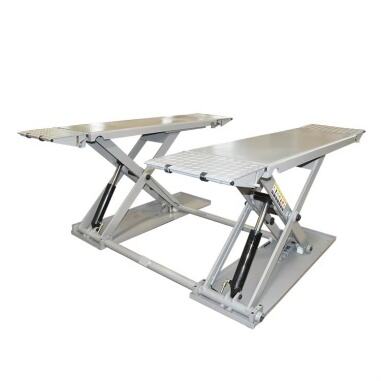
Mechanics across professional garages and home workshops consistently gravitate toward portable car lift solutions when evaluating lifting equipment options. This preference stems from a combination of practical advantages that address the unique challenges faced in automotive service environments, where space constraints, workflow flexibility, and cost considerations play crucial roles in equipment selection decisions.
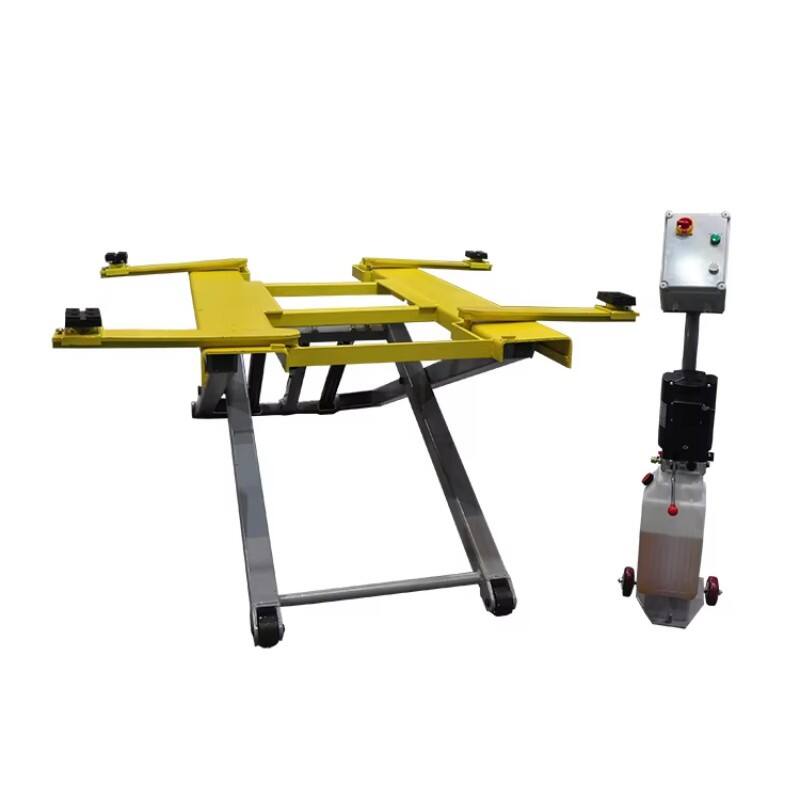
The automotive service industry has witnessed a significant shift toward equipment that maximizes operational efficiency while minimizing infrastructure requirements. Understanding why mechanics choose a portable car lift over fixed installations reveals key insights into modern garage operations, cost-benefit analysis, and the evolving needs of professional automotive technicians who demand versatility without compromising safety or performance standards.
Space Optimization and Garage Layout Flexibility
Maximizing Limited Floor Space
Professional mechanics understand that garage real estate represents one of their most valuable assets, making space utilization a critical factor in equipment selection. A portable car lift addresses this challenge by eliminating the need for permanent installation footprints that consume valuable floor space even when not in use. Unlike fixed lifts that require dedicated positioning and cannot be relocated, portable units can be stored compactly when not needed, freeing up workspace for other operations.
The space efficiency extends beyond storage considerations to active use scenarios. Mechanics can position a portable car lift precisely where needed for specific jobs, rather than being constrained by fixed installation locations. This flexibility proves particularly valuable in smaller garages where every square foot must serve multiple purposes throughout the workday.
Furthermore, the ability to reposition equipment allows mechanics to adapt their workspace layout based on vehicle types, service requirements, and workflow patterns. This adaptability becomes especially important when handling diverse vehicle sizes or when workspace needs change due to seasonal service demands or business growth.
Multi-Bay Service Capabilities
Modern garage operations often require servicing multiple vehicles simultaneously, creating demand for equipment that can support multi-bay workflows. A portable car lift enables mechanics to efficiently move lifting capability between different service areas without investing in multiple fixed installations. This mobility allows a single unit to serve several work stations, dramatically improving equipment utilization rates and return on investment.
The ability to share lifting equipment across multiple bays becomes particularly valuable during peak service periods when mechanics need maximum flexibility to handle varying workloads. Rather than having idle equipment in some areas while facing capacity constraints in others, portable solutions ensure optimal resource allocation across the entire garage facility.
This multi-bay capability also supports specialized service scenarios where mechanics may need to compare vehicles side-by-side or transfer components between units. The portable car lift facilitates these complex operations by enabling precise positioning and repositioning as work progresses.
Cost-Effectiveness and Financial Benefits
Lower Initial Investment Requirements
Financial considerations play a decisive role in equipment selection for both independent mechanics and larger garage operations. A portable car lift typically requires significantly lower upfront investment compared to fixed installation alternatives, making professional-grade lifting capabilities accessible to a broader range of automotive service providers. This cost advantage becomes particularly important for new businesses or operations looking to expand their service capabilities without major capital expenditure.
The reduced financial barrier extends beyond equipment purchase price to include installation costs. Fixed lift systems often require extensive floor preparation, foundation work, electrical modifications, and professional installation services that can double or triple the total project cost. Portable solutions eliminate most of these additional expenses, allowing mechanics to redirect funds toward other essential business needs.
Additionally, the lower initial investment reduces financial risk for garage owners who may be uncertain about long-term facility requirements or business growth projections. A portable car lift provides an opportunity to evaluate lifting equipment benefits before committing to permanent installations, supporting more informed future investment decisions.
Reduced Infrastructure and Maintenance Costs
Beyond initial purchase considerations, mechanics recognize the ongoing cost advantages associated with portable car lift ownership. These units typically require minimal infrastructure support, eliminating the need for specialized electrical systems, compressed air lines, or reinforced flooring that fixed installations often demand. This simplicity translates to lower maintenance costs and reduced complexity in facility management.
The maintenance advantage extends to equipment serviceability, as portable units can be easily relocated for cleaning, inspection, or repair activities. This accessibility often results in better maintenance compliance and longer equipment life cycles compared to fixed installations that may be difficult to access for routine servicing.
Insurance and liability considerations also favor portable solutions in many cases, as the reduced complexity and lower installed values may result in more favorable coverage terms and premiums for garage operators.
Operational Flexibility and Workflow Enhancement
Quick Setup and Deployment
Time efficiency represents a critical factor in professional automotive service, where mechanics face constant pressure to maximize productive hours and minimize setup delays. A portable car lift addresses this need through rapid deployment capabilities that allow mechanics to begin lifting operations within minutes of positioning the equipment. This quick setup advantage becomes particularly valuable during busy periods when every minute of downtime represents lost revenue potential.
The deployment speed also supports flexible scheduling approaches, enabling mechanics to adapt their service sequences based on customer needs, parts availability, or unexpected priority changes. Rather than being locked into predetermined workflow patterns by fixed equipment locations, portable solutions allow dynamic adjustment of service priorities throughout the workday.
Furthermore, the ability to quickly relocate lifting equipment supports efficient garage cleaning and maintenance activities, ensuring that workspace hygiene and organization standards can be maintained without significant operational disruption.
Vehicle Size and Type Adaptability
Modern automotive service environments must accommodate an increasingly diverse range of vehicle types, from compact cars to large trucks and specialty vehicles. A portable car lift provides the positioning flexibility needed to handle this variety effectively, allowing mechanics to optimize lift placement based on specific vehicle characteristics and service requirements.
This adaptability proves especially valuable when servicing vehicles with unique access requirements, unusual wheelbases, or specialized lifting points. The ability to position the portable car lift precisely where needed ensures safe and effective lifting regardless of vehicle configuration, supporting comprehensive service capabilities across diverse automotive platforms.
The positioning flexibility also enables mechanics to work around vehicle modifications, aftermarket accessories, or damage that might complicate lifting operations with fixed equipment. This adaptability reduces the likelihood of having to refuse service or recommend alternative facilities for challenging vehicles.
Safety and Risk Management Considerations
Enhanced Operator Control and Visibility
Safety considerations drive many equipment selection decisions in professional automotive service environments, where mechanics face constant exposure to potential hazards. A portable car lift enhances safety through improved operator positioning and visibility options that may not be available with fixed installations. The ability to position equipment for optimal sightlines and access angles reduces the risk of accidents during lifting and lowering operations.
The enhanced control extends to emergency response scenarios, where the ability to quickly reposition or remove lifting equipment can facilitate emergency vehicle access or evacuation procedures. This flexibility provides an additional safety margin that fixed installations cannot match, potentially proving critical in emergency situations.
Additionally, the visual inspection advantages associated with portable car lift positioning enable mechanics to better assess vehicle condition, identify potential lifting hazards, and ensure proper weight distribution before beginning lifting operations. This improved assessment capability contributes to overall workplace safety and reduces the likelihood of lifting-related incidents.
Reduced Facility Modification Requirements
Fixed lift installations often require significant facility modifications that can introduce new safety considerations or compromise existing safety systems. A portable car lift eliminates most of these concerns by operating effectively within existing facility configurations without requiring structural changes, electrical upgrades, or floor modifications that might affect building safety systems.
This reduced modification requirement also supports compliance with local building codes and safety regulations, as portable equipment typically falls under different regulatory categories than permanent installations. This compliance advantage can simplify permitting processes and reduce regulatory oversight requirements for garage operators.
The ability to maintain existing facility safety systems without modification also ensures that established emergency procedures, evacuation routes, and safety protocols remain effective and familiar to all personnel.
Business Growth and Scalability Advantages
Equipment Mobility and Relocation Benefits
Business growth often requires facility changes, expansions, or relocations that can render fixed equipment investments obsolete or require costly removal and reinstallation procedures. A portable car lift provides protection against these business risks by maintaining full functionality regardless of facility changes, supporting business growth without equipment loss or additional investment requirements.
The relocation advantage becomes particularly valuable for lease-based operations where long-term facility commitments may not be practical or desirable. Portable solutions ensure that lifting capabilities can move with the business, protecting equipment investments and maintaining service capabilities during transitions.
Furthermore, the ability to relocate equipment supports temporary service operations, mobile service capabilities, or multi-location business models that require flexible equipment deployment across different facilities or service sites.
Incremental Capacity Expansion
Growing automotive service businesses often need to expand lifting capabilities gradually as customer demand increases, rather than making large upfront investments in multiple fixed installations. A portable car lift supports this incremental growth approach by providing proven lifting capabilities that can be supplemented with additional units as business requirements evolve.
This scalability advantage allows mechanics to match equipment investments closely with actual business growth, reducing financial risk and ensuring optimal return on investment throughout the expansion process. The ability to add lifting capacity in measured increments also supports cash flow management and reduces the financial strain associated with major equipment purchases.
Additionally, the standardization possible with multiple portable car lift units simplifies training requirements, parts inventory, and maintenance procedures compared to mixed equipment installations that may require diverse expertise and support resources.
FAQ
What weight capacity should I look for in a portable car lift?
Most professional portable car lift models offer weight capacities ranging from 6,000 to 12,000 pounds, with the optimal choice depending on the types of vehicles you service regularly. For general automotive service including sedans, SUVs, and light trucks, a 8,000-pound capacity unit provides adequate capability for most applications while maintaining portability advantages. Heavy-duty applications or commercial vehicle service may require higher capacity models, though this typically comes with increased size and reduced portability.
How long does it take to set up a portable car lift for use?
Setup time for a quality portable car lift typically ranges from 5 to 15 minutes depending on the specific model and operator experience. This includes positioning the unit, connecting power sources, performing safety checks, and preparing for vehicle placement. Experienced mechanics often complete setup in under 10 minutes, making portable solutions highly efficient for operations requiring frequent equipment repositioning or multi-bay service capabilities.
Can a portable car lift handle the same types of repairs as fixed lifts?
Yes, a properly rated portable car lift can safely support the same range of automotive service operations as fixed installations, including undercarriage work, transmission service, exhaust system repairs, and suspension maintenance. The key factors are ensuring adequate weight capacity for the vehicles being serviced and proper positioning for safe lifting point access. Modern portable units incorporate the same safety features and lifting capabilities found in permanent installations while offering superior positioning flexibility.
What maintenance requirements do portable car lifts have?
Portable car lift maintenance requirements are typically less demanding than fixed installations due to easier access for inspection and service. Regular maintenance includes checking hydraulic fluid levels, inspecting lifting mechanisms for wear, testing safety systems, and cleaning moving components. The portable design facilitates thorough cleaning and inspection procedures that might be difficult with fixed equipment, often resulting in better maintenance compliance and longer service life when proper care procedures are followed.