 EN
EN

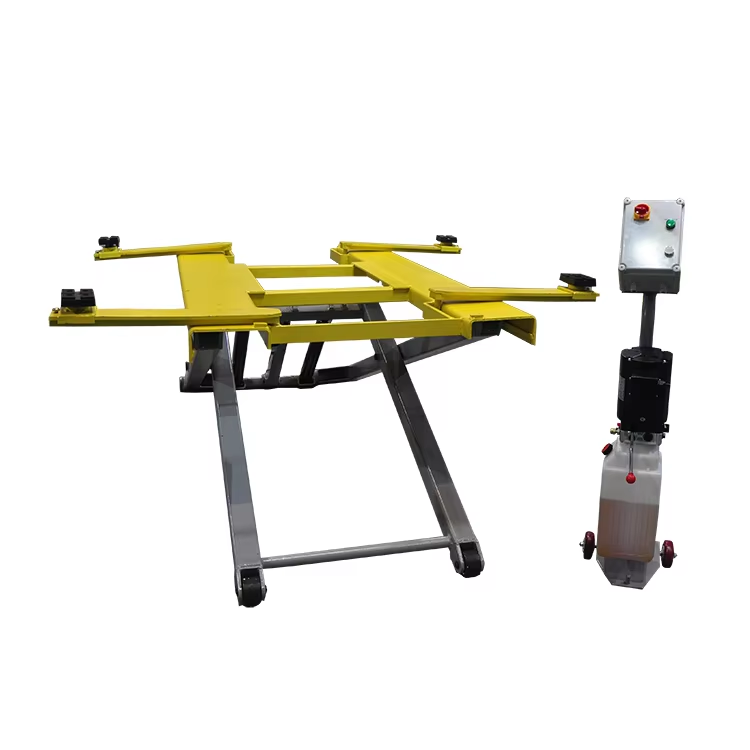
Selecting the right portable car lift requires careful consideration of your specific automotive maintenance needs, workspace limitations, and technical requirements. Unlike permanently installed garage equipment, a portable car lift offers flexibility and convenience for both professional mechanics and automotive enthusiasts who need reliable lifting solutions that can adapt to different environments and vehicle types.
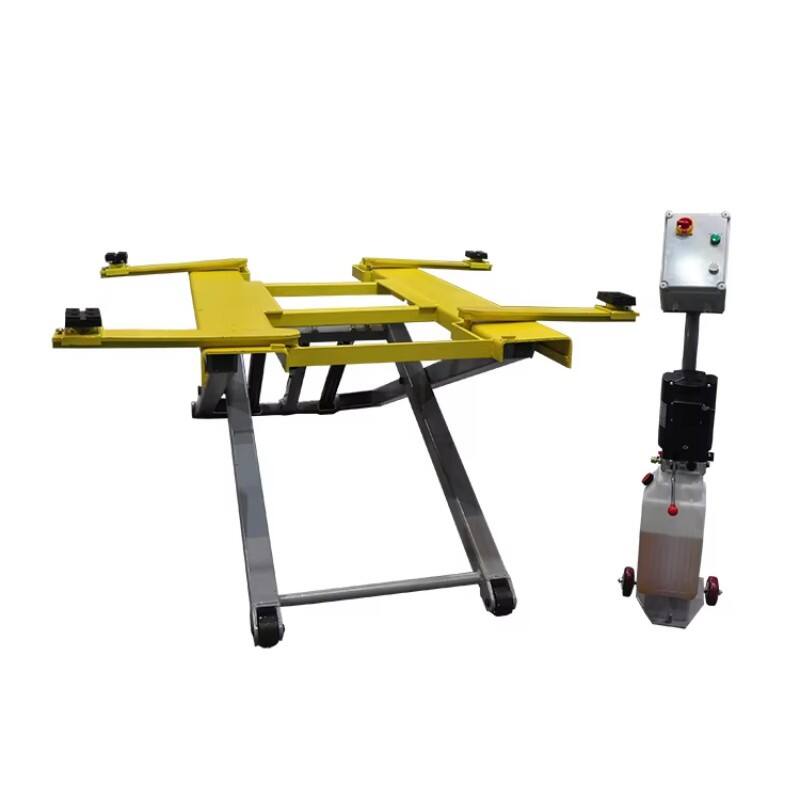
The decision-making process for choosing a portable car lift involves evaluating multiple factors that directly impact functionality, safety, and long-term value. From weight capacity and lifting height to power requirements and storage considerations, each specification plays a crucial role in determining whether a particular portable car lift will meet your operational demands and provide reliable service for years to come.
Understanding Your Vehicle Requirements and Workspace Constraints
Vehicle Weight and Size Specifications
The foundation of selecting any portable car lift begins with accurately assessing the vehicles you plan to service. Most passenger vehicles weigh between 3,000 to 5,000 pounds, while larger SUVs, trucks, and commercial vehicles can exceed 8,000 pounds. A quality portable car lift should offer a safety margin of at least 25% above your heaviest vehicle's weight to ensure safe operation and account for any additional equipment or cargo.
Vehicle dimensions also significantly impact lift selection, particularly wheelbase length and ground clearance. Shorter wheelbase vehicles require different positioning considerations than extended cab trucks or luxury sedans with low-profile designs. Your portable car lift must accommodate the full range of vehicles in your intended service scope while maintaining proper balance and stability throughout the lifting process.
Track width compatibility ensures that your portable car lift can properly engage with various tire sizes and wheel configurations. Modern vehicles range from narrow economy cars to wide-stance performance vehicles, and your lift system must adapt to these variations without compromising lifting geometry or creating unsafe operating conditions.
Available Workspace and Storage Considerations
Workspace dimensions directly influence which type of portable car lift will function effectively in your environment. Ceiling height determines maximum lifting capabilities, while floor space availability affects positioning flexibility and storage options when the lift is not in use. Most portable car lift systems require adequate clearance for both vertical extension and horizontal stability outriggers.
Floor surface quality and composition impact portable car lift performance and safety. Concrete surfaces provide optimal stability and weight distribution, while softer or uneven surfaces may require additional preparation or specialized equipment to ensure safe operation. The portable nature of these lifts means they must function reliably across various surface conditions while maintaining consistent performance standards.
Storage requirements vary significantly between different portable car lift designs. Some systems collapse to compact dimensions for easy storage, while others maintain larger footprints even when lowered. Consider your available storage space and how frequently you'll need to relocate or store the equipment between uses.
Evaluating Lift Types and Mechanical Systems
Hydraulic vs. Pneumatic Power Systems
Hydraulic portable car lift systems utilize pressurized fluid to generate lifting force, offering smooth operation and precise positioning control. These systems typically provide higher lifting capacities and more consistent performance across various operating conditions. Hydraulic lifts maintain their position reliably without continuous power input, making them ideal for extended maintenance procedures that require stable vehicle positioning.
The maintenance requirements for hydraulic portable car lift systems involve periodic fluid level checks, seal inspections, and pump servicing. Quality hydraulic systems offer long service intervals between maintenance procedures, but proper care ensures optimal performance and extends equipment lifespan. Hydraulic fluid selection and environmental considerations affect system performance in different temperature ranges and operating conditions.
Pneumatic systems rely on compressed air to operate lifting mechanisms, offering rapid cycling speeds and reduced maintenance complexity compared to hydraulic alternatives. These portable car lift systems excel in applications requiring frequent raising and lowering cycles, though they typically offer lower maximum lifting capacities. Air supply requirements must match your facility's compressor capacity and pressure availability.
Scissor vs. Post vs. Mobile Lift Configurations
Scissor-type portable car lift designs provide excellent stability and distribute vehicle weight across a broad platform area. These systems offer superior access to vehicle undercarriages and accommodate various lifting point configurations. The compact collapsed height of scissor lifts makes them suitable for garages with limited ceiling clearance, while their wide base ensures stable operation during maintenance procedures.
Post-style configurations utilize vertical columns to support lifting arms that engage specific vehicle lifting points. This portable car lift design offers excellent undercarriage access and typically requires less floor space than scissor alternatives. Post systems provide precise lifting point control and work well with vehicles having reinforced lifting locations specified by manufacturers.
Mobile lift configurations combine portability with positioning flexibility, allowing the entire system to be moved between work locations. These portable car lift systems often incorporate wheels or transport mechanisms that enable easy relocation while maintaining lifting capability. Mobile designs excel in multi-bay facilities or situations where lift positioning must adapt to changing workspace requirements.
Safety Features and Operational Requirements
Essential Safety Systems and Backup Mechanisms
Modern portable car lift systems incorporate multiple safety features designed to prevent accidents and equipment failures. Automatic safety locks engage at predetermined intervals during the lifting process, providing mechanical backup support even if primary lifting systems experience problems. These locks must meet or exceed industry safety standards and undergo regular inspection to ensure reliable operation.
Pressure relief valves and flow control systems prevent over-pressurization and control lowering speeds to safe levels. Quality portable car lift equipment includes redundant safety mechanisms that activate independently of primary control systems. Emergency lowering capabilities allow operators to safely lower vehicles even during power failures or system malfunctions.
Load monitoring systems provide real-time feedback about weight distribution and lifting capacity utilization. Advanced portable car lift models include visual and audible warnings when approaching maximum safe operating limits. Proper load distribution indicators help operators position vehicles correctly and maintain safe lifting geometry throughout the operating range.
Power Requirements and Infrastructure Needs
Electrical requirements for portable car lift systems vary from standard 110V household current to industrial 220V or 440V three-phase power. Single-phase systems offer broader compatibility with existing electrical infrastructure but may provide slower lifting speeds or reduced capacity compared to three-phase alternatives. Power consumption calculations help determine operating costs and electrical service requirements.
Compressed air requirements for pneumatic portable car lift systems must align with available compressor capacity and storage tank volume. Minimum pressure specifications and flow rate demands determine whether existing air systems can support lift operation or require upgrades. Air quality considerations include moisture removal and filtration to prevent system damage from contaminated compressed air.
Installation requirements range from simple plug-in operation to permanent electrical connections and air line installations. Some portable car lift models require minimal setup time and can operate immediately upon delivery, while others need professional installation to ensure safe operation and warranty compliance. Consider setup complexity and installation costs when evaluating different lift options.
Cost Analysis and Long-Term Value Considerations
Initial Investment vs. Operating Costs
The initial purchase price of a portable car lift represents only part of the total ownership cost over the equipment's service life. Higher-quality systems typically command premium pricing but offer lower maintenance costs, longer service intervals, and reduced downtime expenses. Budget-oriented portable car lift options may require more frequent repairs and replacement components, increasing long-term operating expenses.
Energy consumption varies significantly between different portable car lift designs and power systems. Hydraulic systems typically consume power only during lifting operations, while some pneumatic systems require continuous compressor operation. Calculate annual energy costs based on expected usage patterns and local utility rates to understand ongoing operational expenses.
Maintenance schedules and component replacement costs affect long-term ownership economics. Quality portable car lift manufacturers provide detailed maintenance intervals and replacement part pricing to help calculate lifetime operating costs. Consider parts availability, service support, and warranty coverage when evaluating different brands and models.
Productivity and Efficiency Benefits
Time savings from efficient portable car lift operation translate directly into increased productivity and reduced labor costs. Faster lifting speeds, reliable positioning, and easy vehicle access enable technicians to complete maintenance tasks more efficiently. Calculate potential time savings based on current service procedures and hourly labor rates to quantify productivity benefits.
Improved ergonomics and working conditions reduce technician fatigue and injury risk while increasing work quality and job satisfaction. A properly selected portable car lift eliminates awkward positioning and reduces physical strain associated with ground-level vehicle maintenance. These benefits contribute to lower insurance costs, reduced worker compensation claims, and improved employee retention.
Expanded service capabilities enable businesses to accept work that would otherwise be impractical without proper lifting equipment. The versatility of a quality portable car lift system opens new revenue opportunities and improves customer service by reducing turnaround times for routine maintenance and repair procedures.
FAQ
What weight capacity should I choose for a portable car lift?
Select a portable car lift with a capacity at least 25% higher than your heaviest vehicle. For most passenger cars, a 6,000-pound capacity provides adequate safety margin, while those servicing trucks or SUVs should consider 8,000 to 10,000-pound capacities. Always verify the actual weight of vehicles you plan to service rather than relying on manufacturer specifications alone.
How much space do I need for portable car lift operation?
Space requirements depend on the specific lift design, but most portable car lift systems need at least 8 feet of width and 16 feet of length for safe operation. Ceiling height should exceed the maximum lift height by at least 2 feet to provide adequate clearance. Consider additional space for equipment storage and technician movement around the lifted vehicle.
Can a portable car lift work on uneven garage floors?
Most portable car lift systems require reasonably level surfaces for safe operation, though some models include adjustable feet or leveling systems to compensate for minor floor irregularities. Significant floor slopes or soft surfaces may require preparation or specialized equipment. Concrete floors provide the best foundation for stable lift operation and weight distribution.
What maintenance does a portable car lift require?
Maintenance requirements vary by lift type, but typically include regular fluid level checks, safety lock inspections, and lubrication of moving components. Hydraulic systems need periodic fluid changes and seal inspections, while pneumatic systems require air line and fitting checks. Follow manufacturer maintenance schedules and keep detailed service records to ensure reliable operation and warranty compliance.