 EN
EN

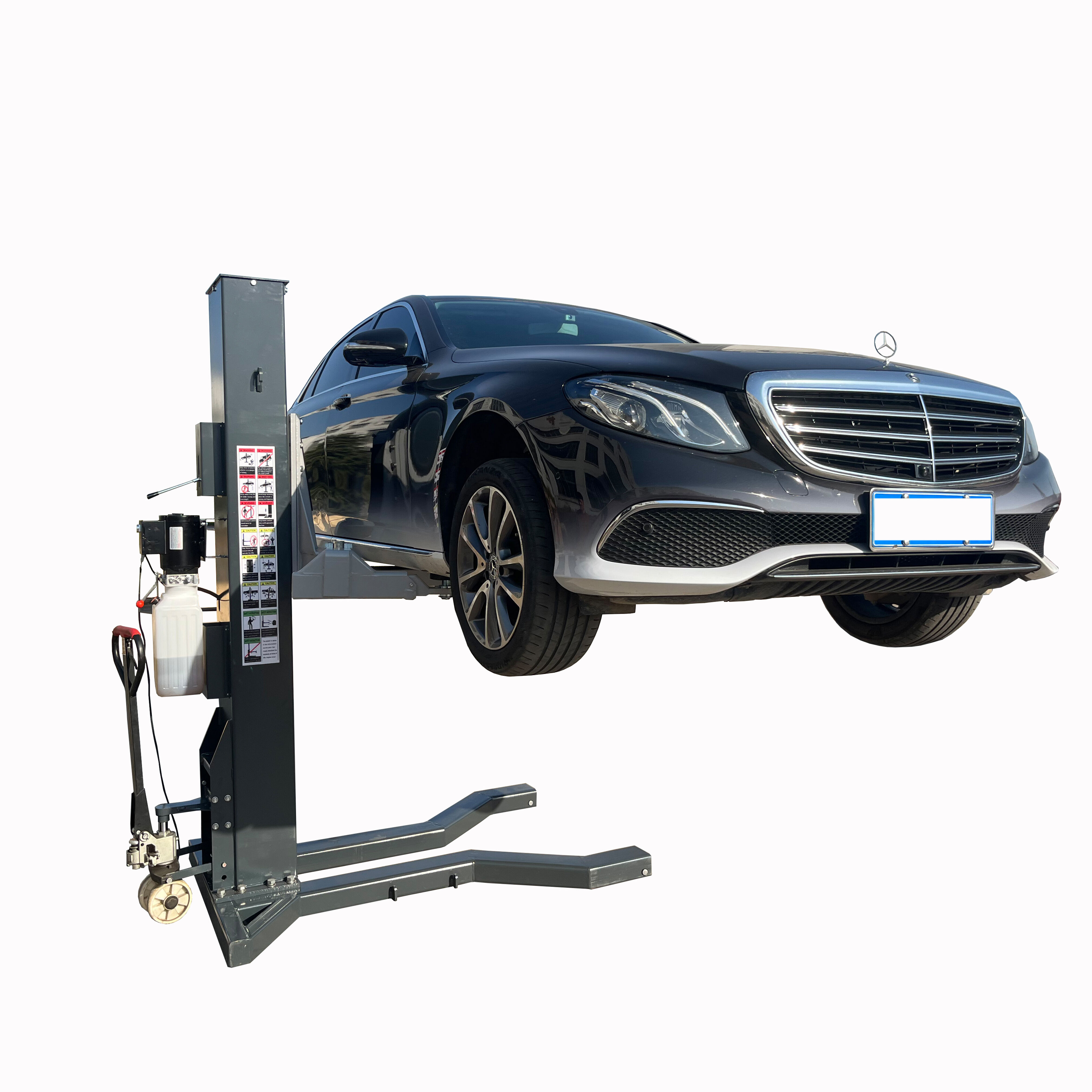
Determining the right time to replace your portable car lift is a critical decision that affects both your safety and operational efficiency. A well-maintained portable car lift can serve you for many years, but recognizing the warning signs of deterioration or obsolescence ensures you avoid costly breakdowns and potential safety hazards. Understanding when replacement becomes necessary versus when repairs might suffice requires careful evaluation of multiple factors including equipment age, performance degradation, safety concerns, and changing operational needs.
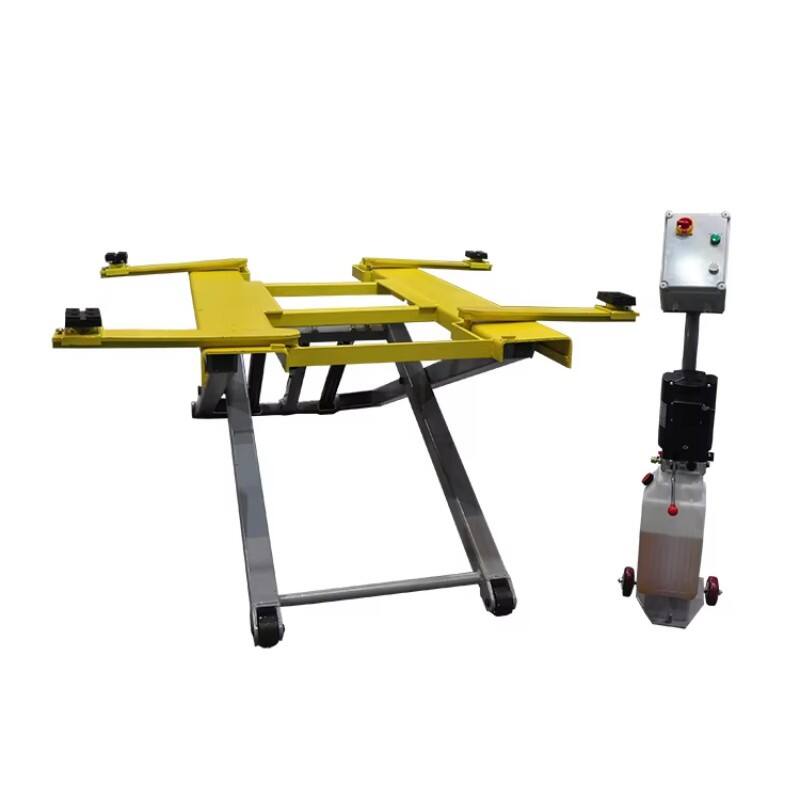
The decision to replace your portable car lift should be based on objective assessment criteria rather than arbitrary timelines. While some operators assume that age alone determines replacement timing, the reality is more nuanced. Factors such as usage frequency, maintenance history, environmental conditions, and evolving safety standards all play crucial roles in determining when your portable car lift has reached the end of its useful life. Making this determination at the right time protects your investment while ensuring continued safe operation of your vehicle service operations.
Performance and Reliability Indicators
Declining Lifting Performance
One of the earliest signs that your portable car lift may need replacement is a noticeable decline in lifting performance. When your lift begins taking significantly longer to reach full height, struggles with heavier vehicles it previously handled easily, or exhibits jerky or uneven lifting motion, these symptoms indicate internal component wear that may be beyond economical repair. A properly functioning portable car lift should operate smoothly and consistently, reaching its rated capacity without strain or hesitation.
Pay attention to changes in hydraulic pressure requirements or increased pump cycling frequency. If your portable car lift requires multiple attempts to achieve proper lifting height or if the pump runs continuously without achieving the desired lift position, these symptoms suggest significant internal wear in hydraulic components, seals, or cylinders. Such performance degradation not only reduces productivity but also indicates potential safety risks that warrant immediate evaluation.
Monitor the stability of your lift at various heights. A portable car lift that previously held vehicles securely may begin showing signs of settling, drifting, or instability when loaded. These symptoms often indicate seal failure, cylinder wear, or structural fatigue that compromise both performance and safety. When performance issues become frequent or unpredictable, replacement typically proves more cost-effective than attempting extensive repairs.
Increasing Maintenance Requirements
A portable car lift requiring increasingly frequent maintenance or repairs signals that replacement time may be approaching. While regular maintenance is normal and expected, a pattern of escalating repair frequency or costs suggests that major components are reaching the end of their service life. When you find yourself calling for service more often than using the equipment productively, replacement becomes the logical choice.
Calculate the annual maintenance costs for your portable car lift over the past two to three years. If these costs represent more than 40-50% of the equipment's current replacement value annually, replacement typically offers better long-term value. Additionally, consider the indirect costs of downtime, including lost productivity, disrupted service schedules, and customer dissatisfaction when evaluating total ownership costs.
Component availability also influences replacement timing. When your portable car lift requires increasingly specialized or obsolete parts that are difficult to source or expensive to obtain, continued operation becomes impractical. Manufacturers typically support their products with replacement parts for 10-15 years, but some components may become unavailable sooner due to design changes or supplier discontinuation.
Safety and Compliance Considerations
Structural Integrity Assessment
Safety concerns should be the primary driver when considering portable car lift replacement. Structural integrity issues such as cracked welds, bent or distorted frame members, or visible fatigue damage require immediate attention and often indicate that replacement is necessary. A comprehensive structural inspection should evaluate all load-bearing components, including the base frame, lifting arms, support posts, and attachment points.
Pay particular attention to high-stress areas where fatigue cracking commonly occurs. These include weld joints, pivot points, and areas where different materials meet. Even small cracks can propagate rapidly under cyclic loading, leading to catastrophic failure. Professional inspection using non-destructive testing methods may be necessary to fully assess structural condition in older portable car lift units.
Corrosion damage presents another serious safety concern, particularly in portable car lift units exposed to harsh environments or chemical exposure. Surface rust may be cosmetic, but deep corrosion that reduces material thickness compromises structural strength and safety margins. When corrosion affects load-bearing components or safety-critical areas, replacement is typically the only acceptable solution.
Current Safety Standard Compliance
Safety standards for automotive lifting equipment continue to evolve, and older portable car lift models may not meet current requirements. The Automotive Lift Institute (ALI) and other regulatory bodies periodically update safety standards, and equipment manufactured before certain dates may lack required safety features or design elements mandated by current standards.
Modern portable car lift designs incorporate improved safety features such as enhanced emergency lowering systems, better load distribution mechanisms, and more robust safety locks. If your current equipment lacks these features and cannot be retrofitted to meet current standards, replacement ensures compliance with current safety requirements and reduces liability exposure.
Insurance and regulatory compliance may also drive replacement decisions. Some insurance providers require equipment to meet specific safety standards or age limits, and regulatory changes may mandate upgrades or replacements within specified timeframes. Staying ahead of these requirements prevents disruptions to your operations and ensures continued compliance with applicable regulations.
Economic and Operational Factors
Cost-Benefit Analysis Framework
Developing a comprehensive cost-benefit analysis helps determine the optimal replacement timing for your portable car lift. This analysis should include both direct costs such as purchase price, installation, and training, as well as indirect benefits such as improved productivity, reduced downtime, and enhanced safety. Compare the total cost of ownership for continuing with your current equipment versus investing in replacement.
Factor in the opportunity costs of reduced productivity due to slower operation, increased maintenance requirements, or limited capabilities of older equipment. A modern portable car lift may offer faster cycle times, higher capacity, or improved ergonomics that translate into measurable productivity gains. Calculate these benefits over the expected service life of new equipment to determine the true economic impact of replacement.
Consider financing options and tax implications when evaluating replacement timing. Equipment purchases may qualify for depreciation benefits, tax credits, or other incentives that affect the net cost of replacement. Additionally, trading in functional but aging equipment may provide better value than waiting until complete failure forces emergency replacement at potentially higher costs.
Technological Advancement Benefits
Modern portable car lift designs offer significant technological improvements over older models, including enhanced safety systems, improved user interfaces, and better diagnostic capabilities. These advances can improve both productivity and safety while reducing long-term operating costs through more efficient operation and easier maintenance requirements.
Energy efficiency improvements in newer portable car lift models can generate ongoing operational savings through reduced power consumption and more efficient hydraulic systems. While these savings may seem modest individually, they accumulate significantly over the equipment's service life and contribute to the overall economic justification for replacement.
Advanced diagnostic capabilities in modern equipment help prevent unexpected failures and optimize maintenance scheduling. These features can extend equipment life, reduce unscheduled downtime, and improve overall reliability compared to older portable car lift models that lack such capabilities.
Usage Pattern and Capacity Evolution
Changing Operational Requirements
Your operational requirements may have evolved since you originally purchased your portable car lift, making replacement necessary to meet current needs. Changes in the types of vehicles you service, increased capacity requirements, or expanded service offerings may exceed your current equipment's capabilities and justify upgrading to more suitable equipment.
Analyze your current usage patterns compared to your original requirements when you purchased your existing portable car lift. If you're consistently operating near or at your equipment's capacity limits, or if you're frequently unable to service certain vehicle types due to equipment limitations, replacement with higher-capacity or more versatile equipment may be warranted.
Consider future growth plans and how they might affect your portable car lift requirements. If you anticipate expanding services, increasing volume, or adding new vehicle types to your service portfolio, selecting replacement equipment that accommodates these future needs prevents another premature replacement cycle and provides better long-term value.
Utilization Rate Assessment
High utilization rates accelerate wear and may justify earlier replacement to maintain productivity and reliability. If your portable car lift operates near maximum capacity for extended periods, the accelerated wear pattern may reduce expected service life and require more aggressive replacement scheduling to prevent unexpected failures during peak operational periods.
Conversely, very low utilization rates may extend practical service life but shouldn't delay replacement when safety or performance concerns arise. Even lightly used equipment can experience age-related deterioration in seals, hoses, and other components that require replacement regardless of operating hours. Base replacement decisions on overall condition assessment rather than utilization alone.
Document utilization patterns and correlate them with maintenance requirements and performance trends. This data helps predict optimal replacement timing and supports justification for replacement investment based on objective operational data rather than subjective assessments.
FAQ
How often should I inspect my portable car lift for replacement indicators?
You should conduct comprehensive inspections of your portable car lift every six months, with daily pre-use safety checks focusing on obvious signs of wear, damage, or performance issues. Professional inspections by qualified technicians should occur annually or as recommended by the manufacturer. Keep detailed records of all inspections, maintenance activities, and performance observations to track trends that indicate replacement timing. Any sudden changes in performance, unusual noises, or safety concerns warrant immediate professional evaluation regardless of the regular inspection schedule.
What is the typical service life of a portable car lift before replacement becomes necessary?
The typical service life of a portable car lift ranges from 8 to 15 years, depending on usage intensity, maintenance quality, environmental conditions, and initial equipment quality. High-volume commercial operations may require replacement toward the lower end of this range, while lighter-duty applications may extend service life significantly. However, replacement timing should be based on condition assessment and performance criteria rather than age alone, as well-maintained equipment in favorable conditions may exceed typical service life expectations while poorly maintained equipment may require earlier replacement.
Can upgrading components extend my portable car lift's service life instead of full replacement?
Component upgrades can sometimes extend service life, but this approach is only viable when the main structural elements remain sound and cost-effective compared to replacement. Hydraulic components, seals, hoses, and electrical systems can often be upgraded or rebuilt, but structural repairs or modifications are typically not cost-effective. Evaluate upgrade costs against replacement costs, considering that partial upgrades may not address all aging-related issues and could result in continued reliability problems. Modern replacement equipment also offers safety and efficiency improvements that cannot be achieved through component upgrades alone.
What should I do with my old portable car lift when I replace it?
When replacing your portable car lift, explore trade-in options with equipment dealers, as functional used equipment often has resale value that can offset replacement costs. If the equipment is beyond safe operation, ensure proper disposal through certified recycling facilities that can safely handle hydraulic fluids and other hazardous materials. Some manufacturers offer trade-in programs or disposal services for their equipment. Document the disposal process for your records and ensure compliance with local environmental regulations regarding hydraulic fluid disposal and metal recycling requirements.
Table of Contents
- Performance and Reliability Indicators
- Safety and Compliance Considerations
- Economic and Operational Factors
- Usage Pattern and Capacity Evolution
-
FAQ
- How often should I inspect my portable car lift for replacement indicators?
- What is the typical service life of a portable car lift before replacement becomes necessary?
- Can upgrading components extend my portable car lift's service life instead of full replacement?
- What should I do with my old portable car lift when I replace it?