 EN
EN

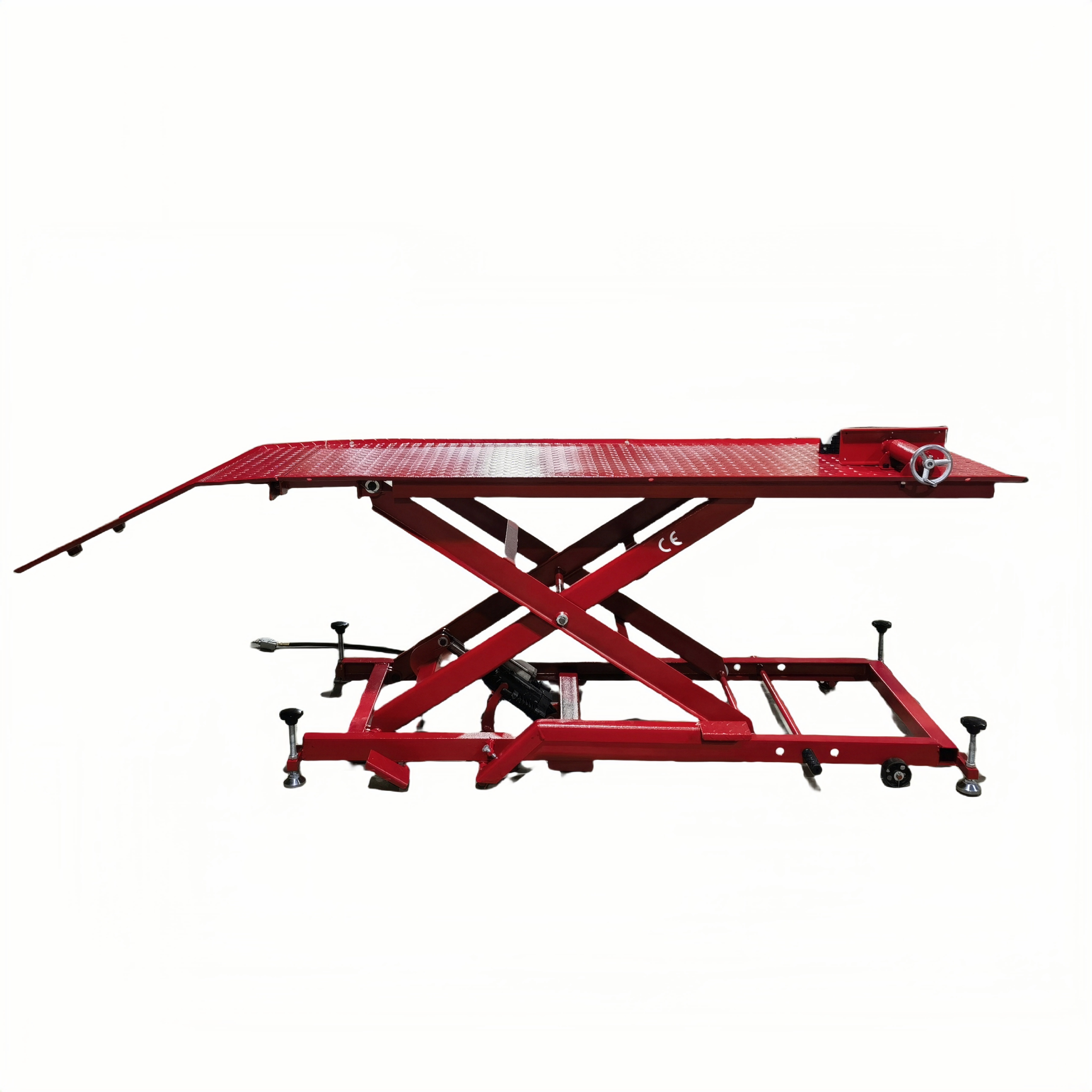
Dla każdego entuzjasty motocykli przejście od przypadkowego jeźdźcy do mechanika pracującego ręcznie stanowi istotny kamień milowy. Na początku większość hobbystów radzi sobie podstawowymi narzędziami oraz być może prostym podnośnikiem bocznym lub skrzynią, na której można ustawić swój motocykl. Jednak w miarę jak zadania konserwacyjne ewoluują od prostych wymian oleju do złożonych remontów silnika lub strojenia zawieszenia, ograniczenia tymczasowych rozwiązań stają się niebezpiecznie widoczne. Decyzja o inwestycji w profesjonalne podnośnik na motocykl to nie tylko kwestia luksusu; jest to decyzja kluczowa, obejmująca bezpieczeństwo warsztatu, ergonomię i precyzję mechaniczną. Wysokiej jakości podnośnik przekształca Twój garaż z magazynu w funkcjonalne laboratorium, w którym każdy element maszyny jest łatwo dostępny i bezpiecznie zabezpieczony.
Przejście od podstawowego konserwowania do złożonych napraw
Pierwszym sygnałem, że należy dokonać ulepszenia, jest charakter wykonywanych przez Ciebie projektów. Choć mały dźwigniowy podnośnik hydrauliczny lub podnośnik nożyczkowy może wystarczyć do smarowania łańcucha, te narzędzia zapewniają często wąską i niestabilną powierzchnię podparcia. Jeśli wykonujesz usługi „bez kół”, takie jak wymiana opon lub serwis klocków hamulcowych, stabilność pełnowymiarowego podnośnik na motocykl staje się warunkiem bezwzględnie koniecznym. Profesjonalne podnośniki oferują wbudowane kliny kołowe oraz mocne punkty zaczepienia do przywiązania nadwozia, które zapewniają stałe utrzymywanie motocykla w idealnie pionowym i nieruchomym położeniu nawet przy działaniu znacznych momentów obrotowych na uparcze śruby.
Ponadto profesjonalny podnośnik stołowy umożliwia znacznie wyższe nośności. Ciężkie motocykle typu cruiser i motocykle turystyczne mogą łatwo przekraczać 800 funtów (ok. 363 kg), co stanowi obciążenie, z którym nie radzą sobie podnośniki wersji wejściowej. Modernizacja zapewnia spokój wynikający z konstrukcji stalowej oraz cylinderów hydraulicznych lub pneumatycznych zaprojektowanych do utrzymywania bardzo dużych obciążeń przez dłuższy czas. Pracując pod ciężkim pojazdem, mechaniczne, bezpieczne pręty blokujące („fail-safe”), dostępne w profesjonalnych modelach, zapewniają poziom bezpieczeństwa, którego po prostu brak w tańszych alternatywach.
| Poziom konserwacji | Typowe wyposażenie | Zalecany typ podnośnika | Główne zalety |
| Podstawowy (poziom 1) | Stojak boczny / stojak warsztatowy | Dźwignik nożycowy lub stojak podłogowy | Szybkie smarowanie i czyszczenie łańcucha |
| Średniozaawansowany (poziom 2) | Podstawowy dźwignik podłogowy | Hydrauliczny podnośnik wersji wejściowej | Łatwiejsza wymiana oleju i detalowanie |
| Profesjonalny (poziom 3) | Podnośnik stołowy pełnego zakresu | Stołowy podnośnik pneumatyczny/hydrauliczny | Pełny dostęp do silnika oraz ergonomia |
| Ciężkoobciążalny (poziom 4) | Podnośnik ze szeroką platformą | Stołowy podnośnik o wysokiej nośności z przedłużeniami | Bezpieczne obsługiwanie motocykli turystycznych/motocykli trzykołowych |
Ergonomia i długotrwała zdrowość fizyczna
Być może najbardziej pomijany powód modernizacji do wersji profesjonalnej podnośnik na motocykl jest wpływ na ciało mechanika. Praca nad motocyklem leżącym na podłodze wymaga godzin kolanowania, przysiadania i pochylania się. Z czasem prowadzi to do znacznego obciążenia dolnej części pleców, kolan i szyi. Profesjonalny stół podnośnikowy umożliwia podniesienie motocykla na poziom oczu, dzięki czemu można pracować w pozycji stojącej lub wygodnie siedząc na stołku warsztatowym. Taka ergonomia zapewnia lepszą widoczność małych elementów oraz zmniejsza zmęczenie, które często prowadzi do błędów podczas ponownej montażu.
Ponad komfort, praca na wysokości poprawia jakość samej pracy mechanicznej. Gdy nie musisz walczyć z fizycznym dyskomfortem, łatwiej jest poświęcić czas na dokładne oczyszczanie elementów, sprawdzanie ukrytych przewodów pod kątem uszkodzeń izolacji oraz zapewnienie, że każdy element mocujący został dokręcony zgodnie z precyzyjnymi specyfikacjami momentu obrotowego. Możliwość obrotu roweru lub swobodnego poruszania się wokół niego bez zagrożenia potknięcia się o podpory umieszczone na poziomie podłogi tworzy profesjonalny przepływ pracy, który naśladuje warunki fabryczne. Ten podwyższony poziom skupienia to właśnie to, co oddziela „naprawę w garażu” od profesjonalnej renowacji wykonanej zgodnie ze standardami.
Ocena wymagań dotyczących bezpieczeństwa i stabilności warsztatu
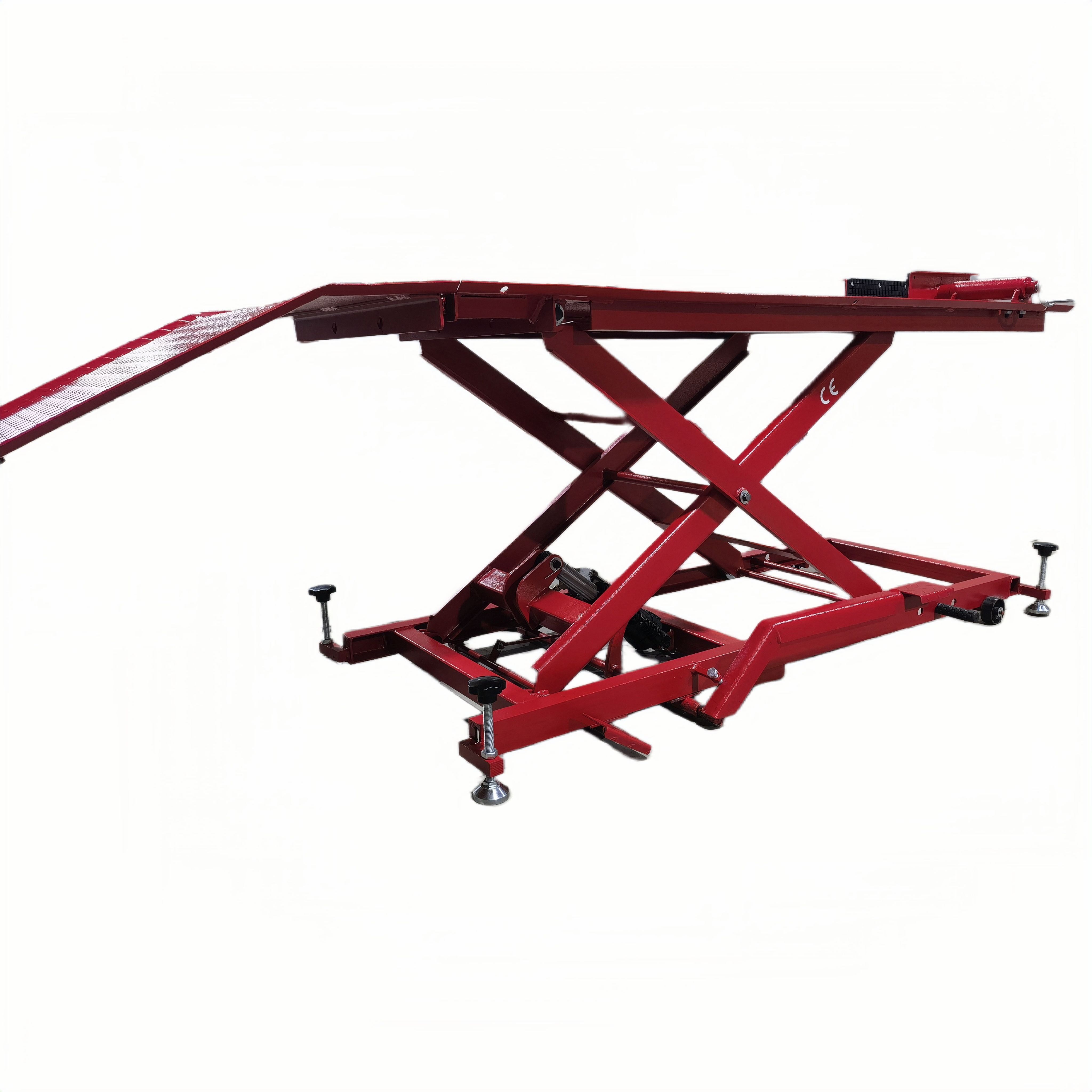
Stabilność jest fundamentem profesjonalnego wyposażenia garażowego. Profesjonalny podnośnik na motocykl charakteryzuje się szeroką podstawą i mocnymi, stabilizującymi nogami, które zapobiegają drganiom lub przechylaniu się platformy. Jest to szczególnie ważne w garażach domowych, gdzie podłogi mogą nie być idealnie poziome. Wysokiej klasy podnośniki często zawierają zdejmowany rampę dojazdową, umożliwiającą zbliżenie się do motocykla po jego podniesieniu, bez ryzyka potknięcia się o tę rampę.
Bezpieczeństwo obejmuje również funkcje „wypadania” (drop-out) stosowane w nowoczesnych profesjonalnych stołach. Wiele profesjonalnych podnośników posiada zdejmowaną tylną płytę, która pozwala obniżyć tylną oponę poza ramę, podczas gdy motocykl nadal jest podtrzymywany w środkowej części podnośnika. Umożliwia to znacznie łatwiejsze i bezpieczniejsze wykonywanie prac konserwacyjnych na układzie napędowym tylnym oraz wymianę opon niż próba utrzymywania motocykla w równowadze na wąskim podnośniku. Inwestycja w profesjonalny podnośnik oznacza inwestycję w kontrolowane środowisko, w którym ryzyko upadku motocykla – co może spowodować uszkodzenia o wartości tysięcy dolarów lub poważne obrażenia osobiste – jest praktycznie wykluczone.
Często zadawane pytania
Jaka jest różnica między hydrauliczną a pneumatyczną podnośnicą motocyklową?
Podnośniki hydrauliczne są zazwyczaj obsługiwane za pomocą pompki nożnej i nie wymagają kompresor powietrza , co czyni je idealnym rozwiązaniem dla mniejszych garaży domowych. Podnośniki pneumatyczne wykorzystują sprężone powietrze do szybkiego podnoszenia stołu przy minimalnym wysiłku fizycznym. Profesjonalne warsztaty zwykle preferują podnośniki pneumatyczne ze względu na ich szybkość i łatwość obsługi, jednak wymagają one niezawodnego kompresora powietrza do działania. Oba typy są zazwyczaj wyposażone w mechaniczne blokady zapewniające utrzymanie motocykla w pozycji podniesionej nawet w przypadku awarii ciśnienia.
Jaką masę może podnieść standardowa profesjonalna podnośnica?
Większość profesjonalnych podnośnic motocyklowych ma udźwig wynoszący co najmniej 454–680 kg (1000–1500 lbs). Jest to więcej niż wystarczająca wartość dla ogromnej większości motocykli, w tym ciężkich modeli turystycznych Harley-Davidson oraz Goldwingów. Zawsze sprawdzaj konkretny udźwig podnośnicy i porównuj go z „masą użytkową” (wet weight) swojego najcięższego motocykla, aby zapewnić bezpieczny margines bezpieczeństwa.
Czy do instalacji podnośnicy motocyklowej potrzebuję specjalnej posadzki?
Choć niekoniecznie potrzebujesz specjalnej podłogi, profesjonalny podnośnik zawsze należy umieszczać na płaskiej, poziomej powierzchni betonowej. Podłogi asfaltowe lub drewniane mogą nie zapewnić wystarczającej stabilności przy wysokich obciążeniach punktowych generowanych przez nóżki podnośnika oraz masę motocykla. Jeśli podłoga w Twojej garażu jest nierówna, wiele profesjonalnych podnośników wyposażonych jest w regulowane śruby wyrównawcze, które zapewniają idealnie poziomą pozycję platformy.
Czy podnośnik stołowy jest lepszy niż podnośnik środkowy?
Podnośnik stołowy zapewnia znacznie większą i bardziej stabilną powierzchnię roboczą, co czyni go lepszym rozwiązaniem do ogólnych prac konserwacyjnych oraz długotrwałych projektów. Jednak wielu mechaników używa małego podnośnika środkowego w połączeniu z podnośnikiem stołowym. Pozwala to unieść koła motocykla ponad powierzchnię stołu, podczas gdy masa motocykla nadal bezpiecznie przechowywana jest na większej platformie – tworzy to optymalne ustawienie do prac związanych z zawieszeniem i oponami.
Jak często należy serwisować podnośnik do motocykli?
Aby zapewnić długotrwałą pracę podnośnika motocyklowego, należy co sześć miesięcy sprawdzać poziom płynu hydraulicznego oraz kontrolować występowanie wycieków. Ważne jest również smarowanie wszystkich ruchomych punktów obrotowych oraz sprawdzanie mechanizmu zabezpieczenia bezpieczeństwa, aby upewnić się, że działa on płynnie. W przypadku podnośnika pneumatycznego konieczne jest utrzymywanie przewodów powietrznych wolnych od wilgoci, co zapobiegnie korozji wewnętrznej cylindrów.