 EN
EN


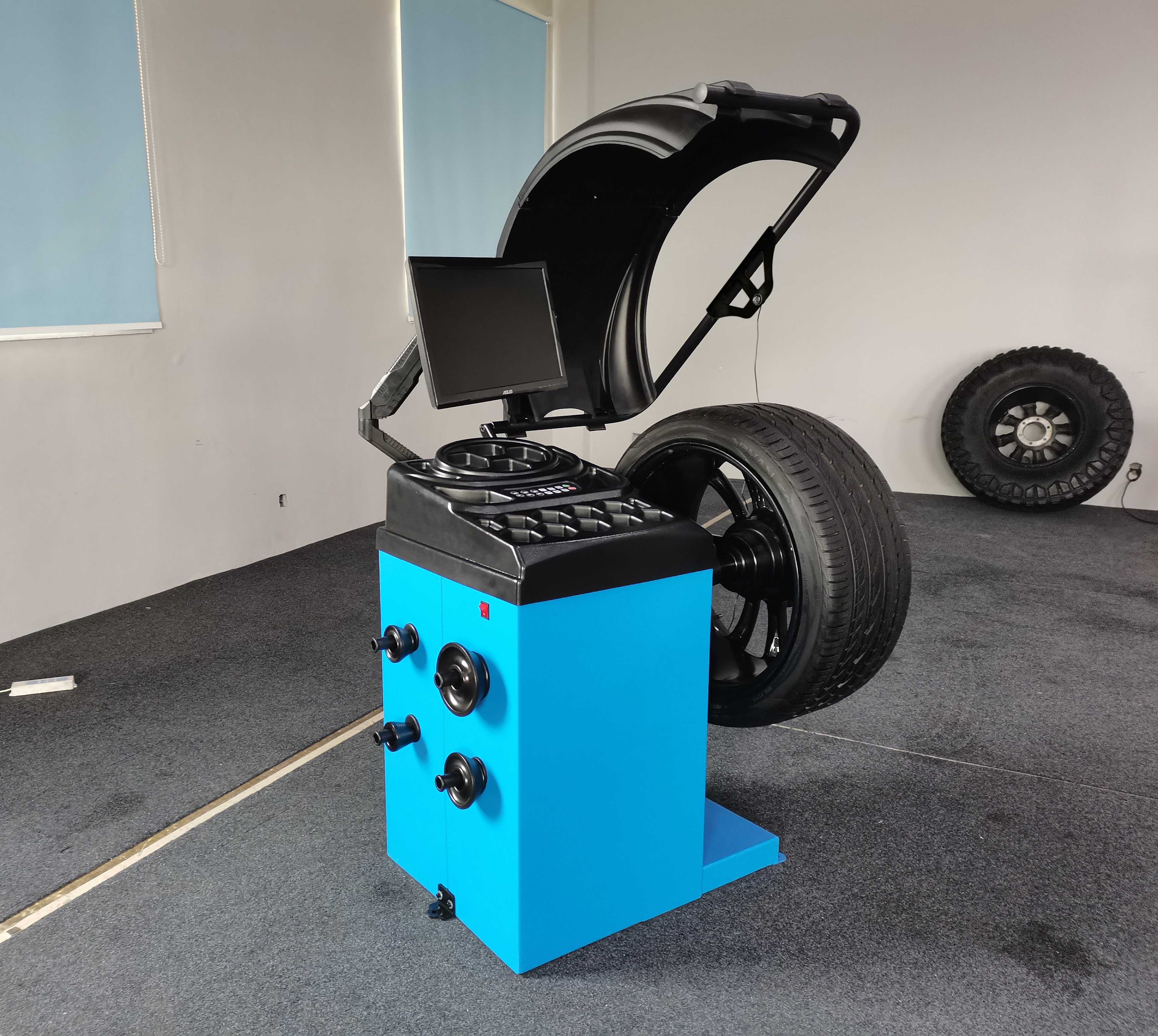
A wheel balancer is one of the most important pieces of equipment in any professional automotive service operation. Whether you run a dedicated tire shop, a full-service garage, or a fleet maintenance facility, the ability to accurately balance wheels directly affects vehicle safety, customer satisfaction, and the long-term reputation of your business. Without a reliable wheel balancer, even the best tires will wear unevenly, and drivers will experience vibration, poor handling, and premature component failure.
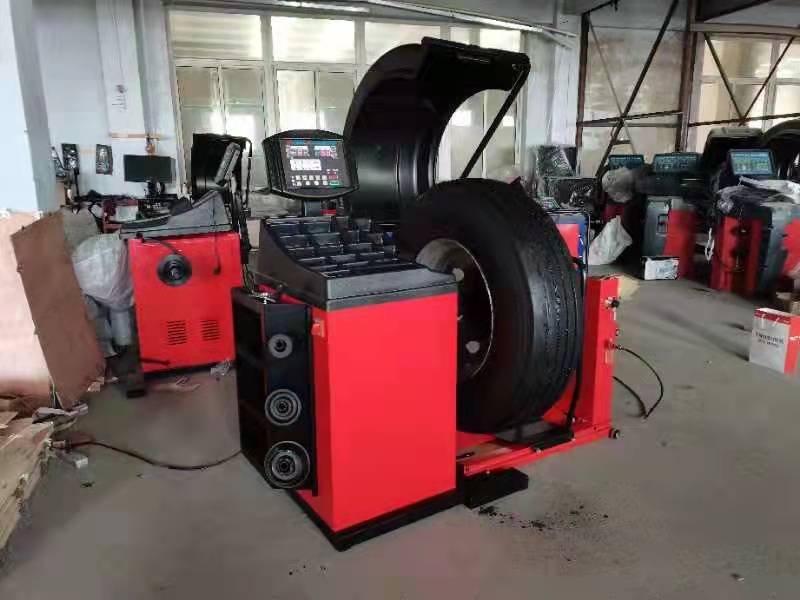
Understanding why wheel balancing matters goes beyond the basic mechanical explanation. It is about recognizing the full economic and operational value that a quality wheel balancer brings to a service business. From reducing customer comebacks to improving throughput, the right wheel balancer pays for itself over time. This article explores the critical reasons why wheel balancing is non-negotiable, how a wheel balancer functions as a cost-effective investment, and what to consider when evaluating equipment for your shop.
The Role of a Wheel Balancer in Vehicle Safety and Performance
How Imbalance Damages Vehicles Over Time
When a wheel is out of balance, the tire does not make consistent, even contact with the road surface. This inconsistency creates a cyclical vibration that travels through the suspension system, the steering column, and ultimately into the cabin. A wheel balancer identifies the precise location and magnitude of this imbalance, allowing technicians to apply the correct counterweights and eliminate the problem at its source. Without a wheel balancer, guesswork replaces precision, and the results are predictably poor.
Over time, an unbalanced wheel accelerates wear on suspension components, including ball joints, tie rods, and wheel bearings. Customers who skip wheel balancing often return with expensive repair bills that could have been avoided. Every time a technician uses a wheel balancer correctly, they are helping the customer avoid a cascade of downstream mechanical failures. This is a concrete, measurable value that goes well beyond the cost of the service itself.
The Connection Between Wheel Balancer Accuracy and Customer Trust
Modern vehicle owners are more informed than ever. When a customer reports vibration after a tire service, the first tool a skilled technician reaches for is a wheel balancer. A high-quality wheel balancer provides readings with precision down to single grams, ensuring that balance corrections are accurate rather than approximate. Shops that consistently deliver smooth, vibration-free results build a strong reputation and enjoy higher customer retention rates.
A wheel balancer that produces unreliable data causes technicians to second-guess results and repeat procedures, wasting both time and materials. Investing in a dependable wheel balancer means fewer repeat visits for the same complaint, which directly improves labor efficiency and customer confidence in your operation.
Cost-Effectiveness of Owning a Professional Wheel Balancer
Upfront Investment Versus Long-Term Return
Many shop owners hesitate at the initial price of a professional-grade wheel balancer, but this perspective misses the bigger financial picture. A wheel balancer used on even ten vehicles per day generates substantial recurring revenue over a month, a quarter, and a year. The payback period for a quality wheel balancer is typically short when measured against daily service volume and the price per wheel balance job in most markets.
Beyond direct revenue, a wheel balancer also reduces indirect costs. Fewer customer complaints mean less time spent on rework. Accurate wheel balancer readings reduce material waste from unnecessary weight application. When technicians trust their wheel balancer, they work faster and with greater confidence, boosting overall shop productivity. All of these factors contribute to a strong return on investment that compounds over the lifespan of the equipment.
Reducing Operational Waste with a Reliable Wheel Balancer
A wheel balancer that delivers consistent, repeatable results eliminates the costly cycle of applying, removing, and reapplying balance weights. Some lower-quality machines produce inconsistent readings, forcing technicians to run the wheel balancer multiple times on the same wheel. This wastes labor hours and erodes profit margins on what should be a quick, high-margin service. A professional wheel balancer, by contrast, delivers a clear answer the first time, enabling a smooth and efficient workflow.
Operational waste also includes customer dissatisfaction and lost business. A wheel balancer that performs poorly reflects directly on your shop's credibility. When clients experience recurring vibration after a balance service, they leave and take their long-term business elsewhere. The cost of losing a loyal customer far exceeds the price difference between a budget wheel balancer and a professional-grade unit.
Selecting the Right Wheel Balancer for Your Service Environment
Matching Wheel Balancer Capability to Shop Demand
Not every wheel balancer is suited to every application. A high-volume tire shop requires a wheel balancer with fast cycle times, robust construction, and compatibility with a wide range of rim sizes and tire profiles. A smaller independent garage may prioritize ease of use and a compact footprint. Understanding your daily vehicle count, the typical wheel and tire combinations you service, and the technical skill level of your staff all inform which wheel balancer specification best fits your needs.
Advanced wheel balancer models offer features such as automatic rim diameter and width detection, laser-guided weight placement, and digital readouts that simplify the balancing process. These features reduce technician errors and speed up service times. When evaluating a wheel balancer, look at the full package of accuracy, speed, durability, and after-sales support rather than focusing solely on purchase price.
Maintenance and Longevity of a Wheel Balancer Investment
A wheel balancer is a mechanical and electronic instrument that requires proper calibration and periodic maintenance to remain accurate. Regular calibration checks ensure that your wheel balancer continues to deliver precise measurements over time. Shops that neglect this step often experience gradual drift in accuracy, which leads to the performance problems discussed earlier. Following the manufacturer's recommended maintenance schedule for your wheel balancer protects the investment and maintains service quality.
The build quality of a wheel balancer also determines how long it will serve your shop reliably. Heavy-duty spindles, reinforced housings, and quality electronic components all contribute to a longer service life. When amortized over five to ten years of daily use, a well-built wheel balancer represents excellent value per service job. Choosing durability over the lowest upfront cost is a decision that most experienced shop owners do not regret.
FAQ
How often should a wheel balancer be calibrated?
A wheel balancer should be calibrated at least once every six months under normal shop conditions. In high-volume environments where the wheel balancer is used continuously throughout the day, quarterly calibration checks are advisable. Proper calibration ensures your wheel balancer maintains measurement accuracy and consistently delivers correct balance corrections.
Can a wheel balancer handle all types of tires and rims?
Most professional wheel balancer models are designed to accommodate a broad range of rim diameters, typically from ten to twenty-four inches, and can handle standard passenger, SUV, and light truck tire profiles. For specialty applications such as motorcycle tires or large commercial truck wheels, dedicated wheel balancer configurations or adapters may be required. Always verify the specifications of your wheel balancer against the vehicle types in your service mix.
What is the difference between static and dynamic balancing on a wheel balancer?
Static balancing addresses imbalance in a single plane, correcting weight distribution around the center of the wheel. Dynamic balancing, which is the standard mode on any modern wheel balancer, measures imbalance across two planes simultaneously, capturing both side-to-side and up-and-down weight variations. Dynamic mode on a wheel balancer produces a more complete correction and eliminates vibration more effectively than static balancing alone, making it the preferred method for all road-going vehicles.