 EN
EN


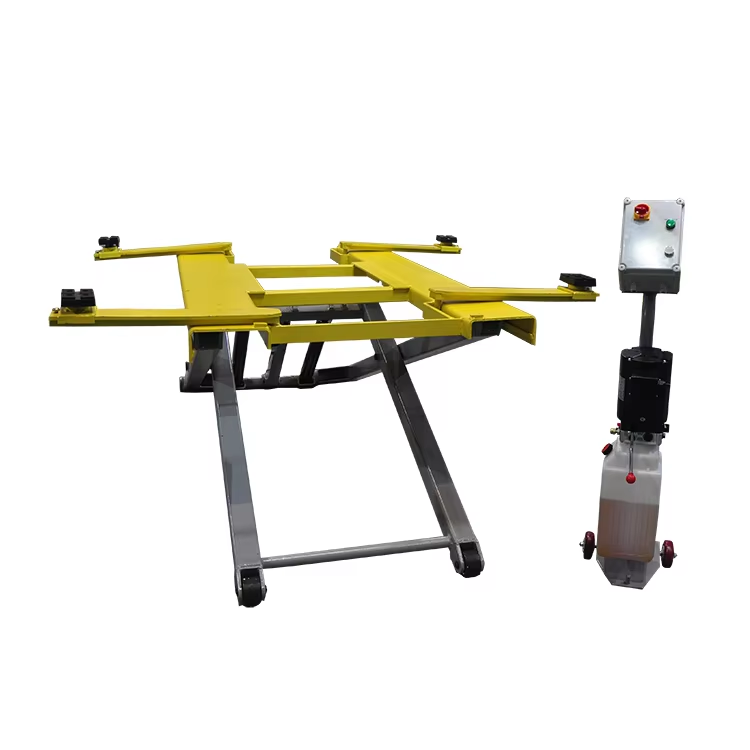
A Portable Car Lift has become an increasingly popular tool for home mechanics, professional technicians, and automotive enthusiasts who want reliable under-vehicle access without committing to a permanent installation. If you have been asking whether a Portable Car Lift is truly worth the investment, the answer depends on several practical factors — your workspace, your workflow, your budget, and how frequently you perform vehicle maintenance. This article breaks down the real pros and cons so you can make a confident, well-informed decision.
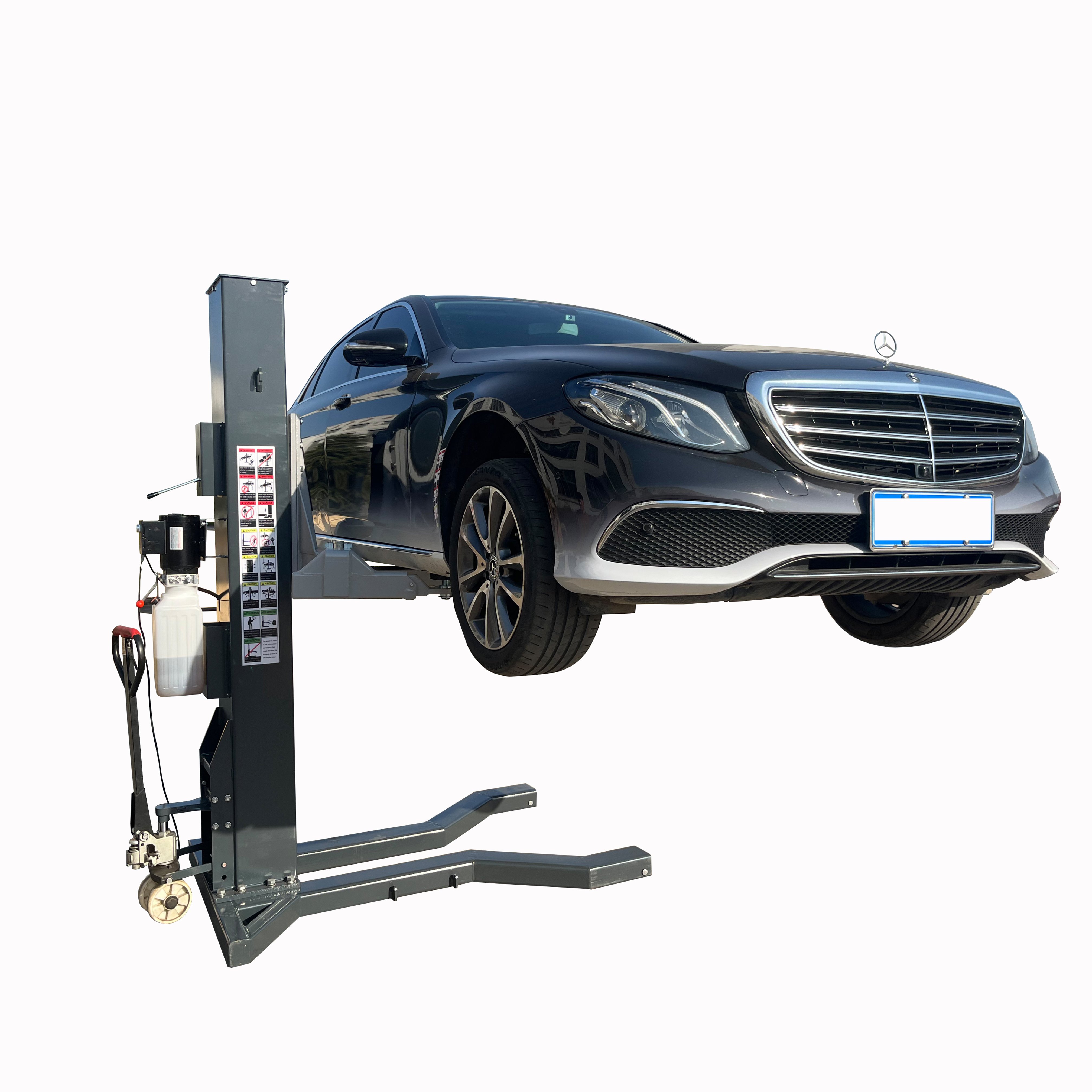
The Portable Car Lift category covers a range of designs — scissor lifts, low-profile floor jacks with extended platforms, and hydraulic column lifts — all sharing one defining feature: they can be moved, stored, or redeployed without permanent floor anchors or structural modifications. That flexibility is the core promise of every Portable Car Lift on the market, and evaluating whether that promise delivers real value requires looking honestly at both sides of the equation.
The Core Advantages of a Portable Car Lift
Flexibility and Space Efficiency
One of the strongest arguments for choosing a Portable Car Lift is the freedom it provides. Unlike a fixed two-post or four-post lift, a Portable Car Lift does not require dedicated floor space at all times. When not in use, most models can be folded, disassembled, or rolled into a corner, freeing your garage for other tasks. For home users who share their garage space with everyday vehicles, bicycles, or storage, a Portable Car Lift offers a practical compromise between functionality and space management.
A Portable Car Lift also eliminates the need for professional installation, concrete anchoring, or overhead clearance modifications. You can set up a Portable Car Lift in a standard single-car or double-car garage without structural changes, which significantly reduces upfront costs and effort. For renters or users in leased commercial spaces, this portability removes a major barrier to professional-grade vehicle access entirely.
Cost-Effectiveness for Moderate Use
When compared to a permanent lift installation, a Portable Car Lift generally requires a lower total investment. A quality Portable Car Lift designed for home or light commercial use can handle oil changes, brake inspections, suspension work, and exhaust servicing at a fraction of the installed cost of a full two-post lift system. For users who perform vehicle maintenance several times per month rather than daily, a Portable Car Lift delivers strong value per use. The savings on professional labor alone often justify the purchase within the first year of regular use.
The Real Limitations You Should Consider
Weight Capacity and Stability Trade-Offs
A Portable Car Lift typically has a lower maximum weight capacity compared to heavy-duty permanent lifts. While many Portable Car Lift models are rated for standard passenger vehicles, compact SUVs, and light trucks, users working with heavy-duty trucks, vans, or commercial vehicles may find the capacity insufficient. It is critical to verify the rated load of any Portable Car Lift before purchasing and to ensure the surface it operates on is level, clean, and structurally sound. Uneven or soft surfaces can compromise the stability of a Portable Car Lift and create safety risks during operation.
Stability is also a relevant concern when comparing a Portable Car Lift to a fixed post lift. A permanent lift is anchored to the floor, which provides a fixed reference point during all lift operations. A Portable Car Lift relies on its own frame, base contact, and locking mechanisms to maintain position. High-quality Portable Car Lift designs incorporate robust safety locks, reinforced base frames, and anti-slip feet, but users must follow the manufacturer's safety guidelines without exception every single time the Portable Car Lift is used.
Setup Time and Workflow Considerations
A Portable Car Lift introduces a preparation step that a fixed lift does not require. Positioning the Portable Car Lift correctly, aligning it with the vehicle's lift points, and confirming that all locking mechanisms are engaged takes additional time compared to driving onto a permanent platform lift. For professional workshops handling high vehicle throughput, this extra setup time may reduce overall efficiency. However, for a home mechanic or a small independent workshop where lifting frequency is moderate, the setup time for a Portable Car Lift is a minor inconvenience rather than a serious operational constraint.
Who Benefits Most from a Portable Car Lift
Ideal Users and Applications
A Portable Car Lift is best suited for home garage users, automotive hobbyists, mobile technicians, and small independent workshops that need flexible lifting capability without a permanent infrastructure commitment. If you perform routine maintenance — oil changes, brake pad replacements, alignment checks, tire rotations — a Portable Car Lift gives you the access and working height needed to do the job safely and comfortably. A Portable Car Lift is also well suited to detailing professionals who need full vehicle access for undercarriage coatings or protective treatments.
Mobile mechanics and technicians who work across multiple locations find a Portable Car Lift especially valuable. Being able to transport a Portable Car Lift between job sites without complex logistics means consistent working conditions regardless of the location. A scissor-style Portable Car Lift, in particular, strikes a strong balance between compactness when folded and solid lifting capacity when deployed. Choosing the right Portable Car Lift for your specific use case, vehicle type, and workspace is the key to maximizing the return on your investment.
When a Permanent Lift May Be the Better Choice
If you operate a high-volume professional workshop, work primarily with heavy commercial vehicles, or perform complex drivetrain repairs that require fully stable, anchored lifting platforms, a permanent lift may serve you better than a Portable Car Lift. The Portable Car Lift is a powerful and practical tool, but it is designed to meet the needs of flexible, moderate-duty applications rather than high-cycle industrial workflows. Understanding that distinction helps you choose the right solution rather than force a Portable Car Lift into a role it was not designed for.
FAQ
How much weight can a typical Portable Car Lift support?
Most standard Portable Car Lift models are rated to support between 3,000 and 6,000 pounds, which covers the majority of passenger cars, crossovers, and light trucks. Always confirm the specific rated capacity of the Portable Car Lift you select before use, and never exceed it under any circumstances.
Is a Portable Car Lift safe for regular home use?
Yes, a well-designed Portable Car Lift is safe for regular home use when operated correctly on a flat, stable surface and in strict accordance with the manufacturer's instructions. Always engage all safety locks, use proper vehicle lift points, and keep the work area clear while a vehicle is raised on a Portable Car Lift.
Can a Portable Car Lift be used outdoors?
A Portable Car Lift can generally be used on a firm, level outdoor surface such as a concrete driveway. However, outdoor use on gravel, asphalt, or soft ground introduces stability risks and is not recommended. Always ensure the surface beneath the Portable Car Lift is hard, clean, and completely level before operating it outside a garage environment.