 EN
EN


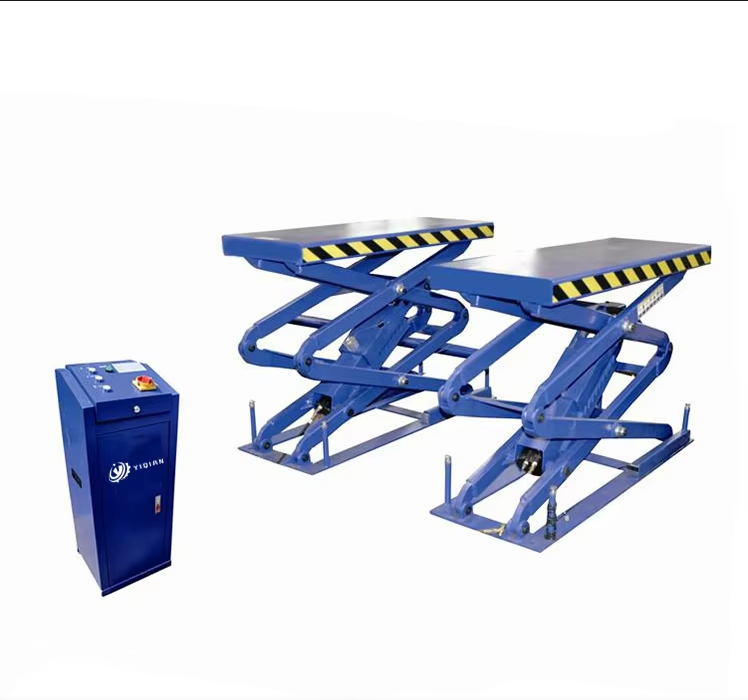
Selecting the right scissor lift for a low-ceiling workshop is one of the most practical decisions a garage owner or automotive technician can make. A scissor lift raises a vehicle to a comfortable working height without requiring the deep floor pit or the tall ceiling clearance that full-rise two-post lifts demand. For shops operating in compact urban spaces, converted garages, or older industrial buildings where ceiling height is limited, a scissor lift offers a realistic, space-efficient alternative that still delivers meaningful lift for undercarriage access, oil changes, brake work, and general inspection tasks.
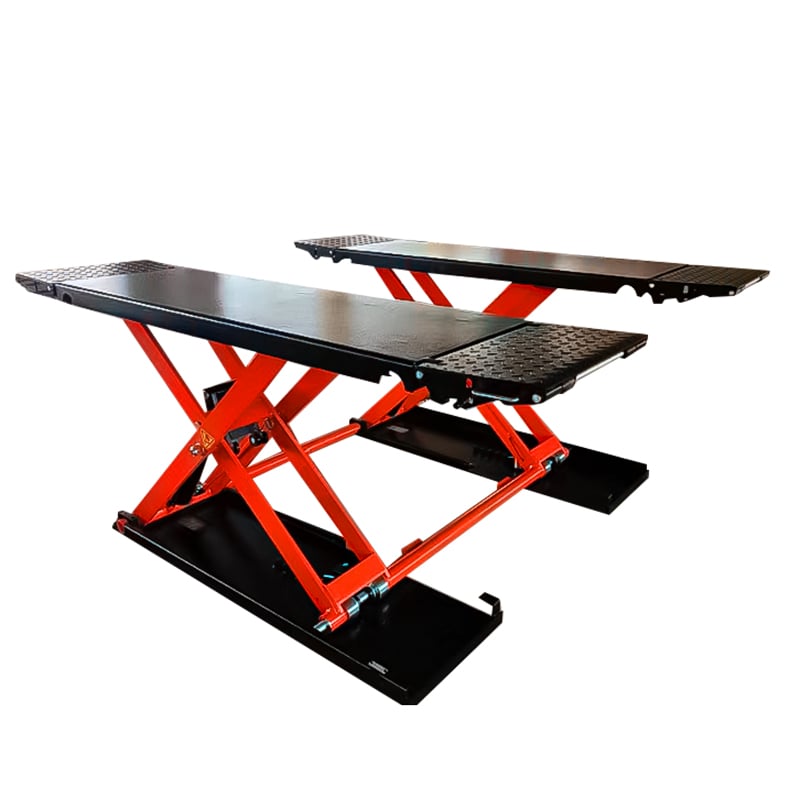
This buying guide is specifically designed to help workshop operators understand whether a scissor lift is the right investment for their ceiling-constrained environment. It walks through the core equipment types, the critical specifications to evaluate, and the practical factors that should guide a final purchase decision. Whether you run a small independent repair shop or manage a professional detailing studio, understanding what a scissor lift can and cannot do in a low-ceiling space will save you time, money, and frustration.
Types of Scissor Lift Suited to Low-Ceiling Workshops
Mid-Rise Scissor Lift
A mid-rise scissor lift is the most widely recommended scissor lift category for shops with restricted overhead space. Unlike a full-rise scissor lift, which can extend a vehicle to heights of 60 inches or more, a mid-rise scissor lift typically raises a car to between 24 and 48 inches. This range is ideal for tyre rotations, brake inspections, and suspension work without pushing the vehicle into ceiling obstructions. A mid-rise scissor lift usually stores flat on the floor when not in use, which also means it requires minimal installation infrastructure and no pit digging.
For most low-ceiling workshops with a ceiling height between 8 and 10 feet, a mid-rise scissor lift is the practical sweet spot. It delivers enough clearance for a technician to work comfortably beneath a standard passenger car or light SUV while keeping the raised vehicle well within safe vertical limits. When shopping for a mid-rise scissor lift, verify the collapsed deck height, the maximum lift height, and whether the unit uses hydraulic or electric actuation, as these affect both noise and maintenance requirements.
Surface-Mounted vs. Recessed Scissor Lift
A surface-mounted scissor lift sits directly on the workshop floor and requires no excavation, making it a fast and flexible installation option. A recessed scissor lift sits flush with the floor when lowered, providing a cleaner workflow area and eliminating trip hazards. Both versions of the scissor lift serve low-ceiling environments well, but the surface-mounted scissor lift is more common in retrofitted garages because installation involves only anchoring bolts and a power connection. The recessed scissor lift requires concrete cutting and drainage planning, which adds cost but improves long-term usability in busy professional shops.
Key Specifications to Evaluate Before Buying
Lifting Capacity and Vehicle Compatibility
Every scissor lift has a rated lifting capacity that must match or exceed the gross vehicle weight of the heaviest car you plan to service. Most mid-rise scissor lift models support loads between 3,000 and 7,000 pounds, which covers the majority of passenger vehicles and light trucks. Before buying a scissor lift, audit your current and anticipated vehicle mix. A scissor lift rated for passenger cars only may not safely support a full-size pickup or commercial van, and exceeding the rated capacity creates serious safety risks. Always apply a safety margin and choose a scissor lift with at least 20 percent more capacity than your typical heaviest vehicle.
Platform Dimensions and Runway Width
The platform or runway size of a scissor lift directly determines which vehicles can be positioned on it. A scissor lift with narrow runways may not accommodate wide-track vehicles, making positioning awkward and potentially unsafe. When evaluating a scissor lift, check the runway length, runway width, and the wheel engagement zone. A scissor lift designed for standard passenger cars typically features runways between 16 and 20 inches wide. If your workshop regularly handles trucks or crossovers with wider wheelbases, confirm that the scissor lift platform dimensions accommodate those vehicles before committing to a purchase.
Ceiling Clearance and Maximum Lift Height
This specification is the defining factor for any scissor lift considered for a low-ceiling space. You must calculate the maximum raised height of the scissor lift plus the height of the vehicle at its tallest point — typically the roof — and compare that total against your ceiling height with a comfortable safety buffer of at least 12 inches. A scissor lift marketed as a low-profile or mid-rise scissor lift will usually top out between 36 and 48 inches of vehicle lift, which means the combined height for a standard sedan rarely exceeds 8 feet. Always measure your specific workshop ceiling before selecting a scissor lift model, and verify the manufacturer's maximum lift height specification under full load conditions.
Practical Buying Considerations for Workshop Operators
Power Supply and Installation Requirements
Most hydraulic scissor lift units are powered by a single-phase or three-phase electric motor. Before purchasing a scissor lift, confirm what electrical supply is available in your workshop and whether your existing panel can support the added load. A scissor lift with a single-phase motor is easier to install in a standard garage environment, while a three-phase scissor lift offers faster cycle times and is better suited to high-volume commercial workshops. Installation of a scissor lift also involves anchoring the unit to a concrete slab of sufficient thickness, typically at least four inches, to prevent movement under load.
Safety Features and Certification Standards
A reliable scissor lift must include mechanical safety locks that engage automatically when the platform reaches its working height. These locks prevent the scissor lift from descending unexpectedly if a hydraulic line loses pressure. Look for a scissor lift with an automatic safety lock, a visible lock indicator, an emergency lowering valve, and rubber-padded runways to prevent vehicle slipping. Certifications such as CE marking or compliance with ANSI ALCTV standards confirm that the scissor lift has been independently tested for structural integrity and electrical safety. Never purchase a scissor lift that lacks verifiable safety certification, regardless of price.
FAQ
What ceiling height is the minimum for safely using a scissor lift?
For a mid-rise scissor lift, most operators recommend a minimum ceiling height of 8 feet. You should calculate the maximum raised height of the scissor lift, add the height of the tallest vehicle you plan to service, and ensure at least 12 inches of clearance above that combined figure. A scissor lift used in a space with inadequate ceiling clearance poses a collision risk to both the vehicle and overhead fixtures.
Can a scissor lift be used for full undercarriage access?
A mid-rise scissor lift provides partial undercarriage access suitable for oil changes, brake work, tyre service, and exhaust inspection. However, a scissor lift raises the vehicle by its wheels or frame contact points, which means the central undercarriage area, including the transmission tunnel and differential on some models, may remain partially obstructed. For complete undercarriage access, a full-rise scissor lift or a two-post lift is more appropriate, though these options require greater ceiling clearance.
How long does it take to install a scissor lift in an existing workshop?
A surface-mounted scissor lift can typically be installed in a single working day by a qualified technician, assuming the concrete floor is adequate and the electrical supply is already in place. The process involves unpacking the scissor lift unit, positioning it within the workshop, anchoring it to the floor, connecting the power supply, and performing a load test. A recessed scissor lift installation takes longer due to concrete work and drainage requirements, often requiring two to four days depending on site conditions.