 EN
EN


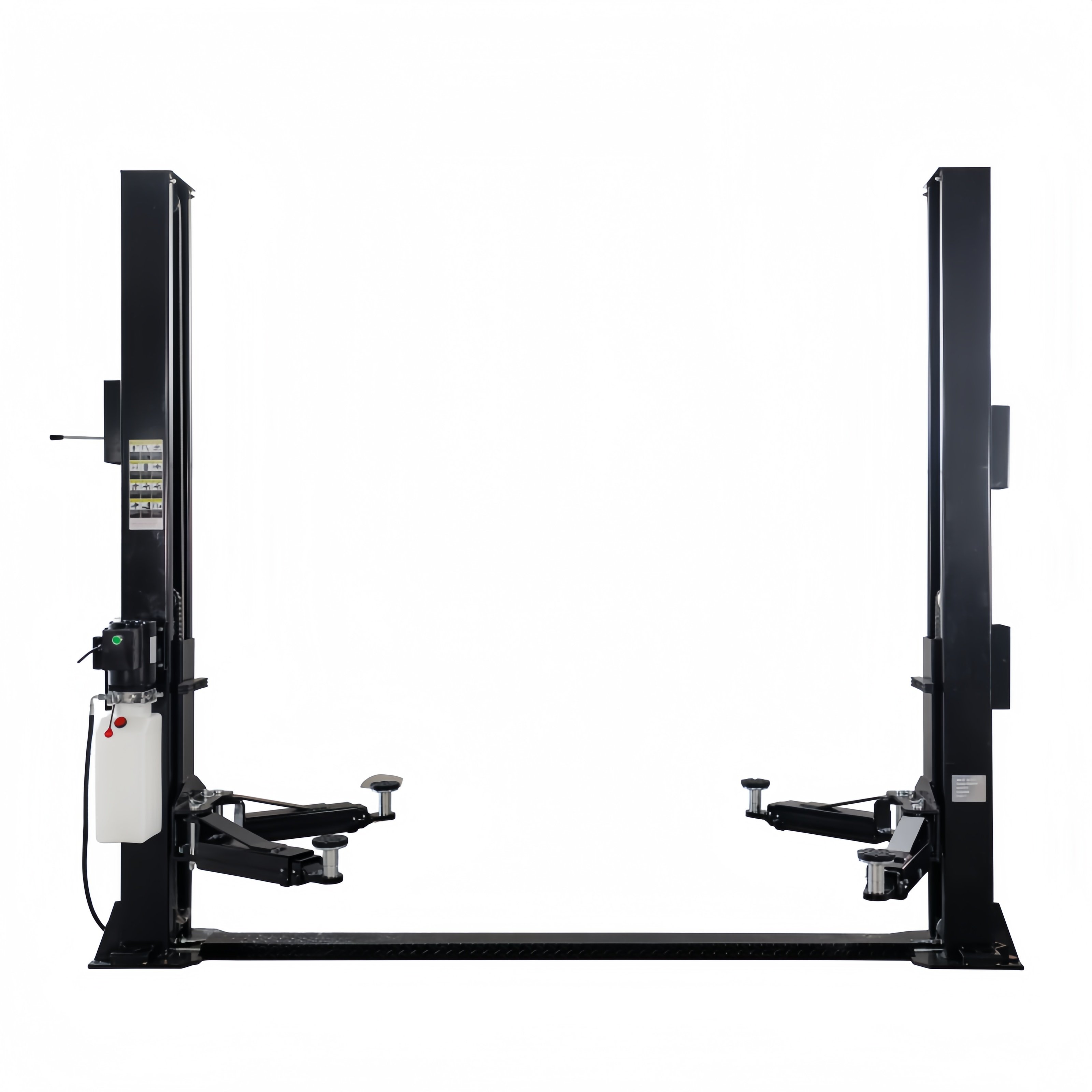
Selecting the right equipment for your garage workspace is a critical decision that directly affects both safety and operational efficiency. A 2 post car lift remains one of the most popular and versatile choices for professional mechanics, fleet operators, and serious automotive enthusiasts. Understanding the key factors that differentiate quality 2 post car lift systems will help you make an informed investment that aligns with your specific operational needs and long-term business goals.
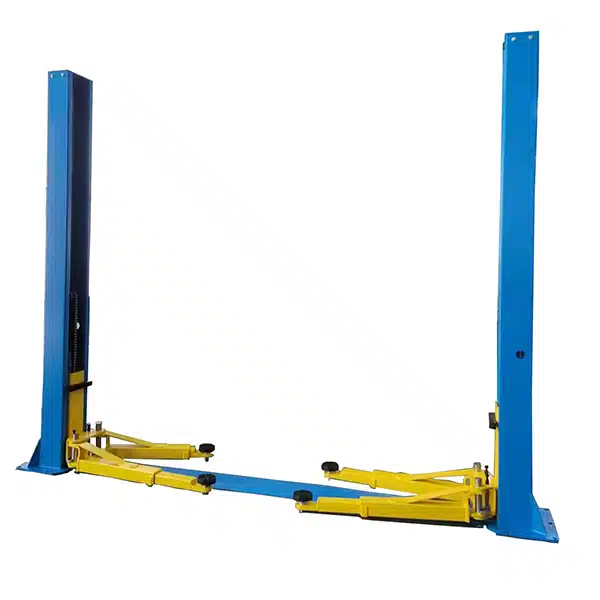
The automotive service industry has evolved significantly, and today's garages face unique pressures to balance productivity with safety compliance. A properly selected 2 post car lift not only increases workflow efficiency but also minimizes workplace accidents and equipment failures. This comprehensive guide examines the essential criteria, technical specifications, and practical considerations that separate exceptional 2 post car lift systems from mediocre alternatives.
Understanding the Core Features of a 2 Post Car Lift
Load Capacity and Vehicle Compatibility
Load capacity stands as the foundational specification when evaluating any 2 post car lift system. The capacity directly determines which vehicles your facility can safely service and influences operational flexibility across different customer segments. Most commercial-grade 2 post car lift installations range from 8,000 to 14,000 pounds, though specialized models accommodate heavier vehicles including full-size trucks and SUVs. Your selection must account for the heaviest vehicle you anticipate lifting, with a safety margin built in to ensure reliable performance over years of continuous operation.
Lifting Height and Work Clearance
The maximum lifting height of your chosen 2 post car lift determines the vertical clearance available for comprehensive undercarriage work. Modern 2 post car lift systems typically elevate vehicles between 60 and 72 inches, providing adequate space for technicians to move freely underneath and access critical components. This vertical space becomes particularly important when performing transmission replacements, suspension repairs, or exhaust system modifications where substantial overhead clearance is essential for worker safety and task completion efficiency.
Safety Standards and Regulatory Compliance
Certification and Industry Standards
Every 2 post car lift you consider must carry certification from recognized industry bodies such as the Automotive Lift Institute (ALI) and comply with ANSI standards. These certifications indicate that your 2 post car lift has undergone rigorous testing for structural integrity, safety mechanisms, and operational reliability. Non-certified or imported equipment without proper documentation poses significant liability risks and may expose your business to regulatory penalties, insurance complications, and workplace accident consequences that far exceed any initial savings from purchasing inferior equipment.
Symmetrical and Asymmetrical Lift Designs
A critical decision when choosing a 2 post car lift involves selecting between symmetrical and asymmetrical configurations. Symmetrical 2 post car lift models position both lifting arms equidistantly from the vehicle centerline, while asymmetrical designs extend one arm further forward to accommodate longer hoods and engine compartments. Asymmetrical 2 post car lift systems provide superior versatility for shops servicing diverse vehicle types, from compact sedans to extended-cab trucks, without requiring frequent adjustment or repositioning.
Installation, Maintenance, and Long-Term Operational Value
Floor Requirements and Space Planning
Installing your 2 post car lift requires careful assessment of floor conditions and available workspace. Quality 2 post car lift systems demand reinforced concrete floors capable of supporting concentrated loads where the lift anchors secure into the foundation. Before purchase, engage a structural engineer to evaluate whether your current flooring can accommodate the specific 2 post car lift model you've selected. Poor floor preparation remains one of the leading causes of lift failure and has contributed to serious workplace injuries that could have been prevented through proper foundational planning.
Maintenance Schedules and Component Longevity
The true cost of ownership for any 2 post car lift extends well beyond the initial purchase price and installation fees. Reputable manufacturers provide detailed maintenance protocols specifying regular inspection intervals, hydraulic fluid replacement schedules, and component testing requirements that keep your 2 post car lift operating safely throughout its service life. Budget for annual professional inspections, hydraulic system flushes, and preventive component replacement to maximize equipment reliability and protect your investment over the extended ownership period.
Selecting the Optimal 2 Post Car Lift for Your Operation
Power Sources and Control Systems
Modern 2 post car lift systems offer different power and control options that affect both operational efficiency and facility integration. Electric-powered 2 post car lift models provide quiet, clean operation suitable for enclosed garage environments, while air-powered systems deliver faster cycle times ideal for high-volume service facilities. Control interfaces on contemporary 2 post car lift equipment range from traditional mechanical buttons to advanced electronic controls with programmable safety features, automatic descent protection, and height memory functions that enhance operator safety and workflow consistency.
Budget Considerations and Return on Investment
Comparing total cost of ownership rather than acquisition price alone ensures your 2 post car lift selection delivers maximum value. Premium quality 2 post car lift systems may carry higher upfront costs but typically offer superior durability, lower maintenance expenses, extended manufacturer warranties, and better resale value compared to budget alternatives. Calculate expected service volume, labor hour improvements, and reduced downtime benefits to determine the payback timeline and long-term financial advantage of investing in equipment that supports your business growth trajectory.
FAQ
What is the typical lifespan of a well-maintained 2 post car lift?
A properly installed and regularly maintained 2 post car lift typically operates reliably for 15 to 25 years, depending on usage frequency, environmental conditions, and adherence to manufacturer maintenance protocols. Facilities that perform monthly safety inspections, replace hydraulic fluid on schedule, and address minor issues promptly consistently achieve the upper end of this lifespan range. Neglecting maintenance dramatically shortens equipment life and increases accident risk, making regular upkeep an essential investment in both safety and longevity.
Can a 2 post car lift accommodate vehicles with air suspension systems?
Yes, a properly configured 2 post car lift works effectively with air suspension vehicles when technicians follow specific lifting procedures and use appropriate contact points. Most manufacturers provide detailed guidance on safe lift positioning for various suspension types, and many modern 2 post car lift systems include adjustable arm extensions and contact pad configurations designed specifically to accommodate air suspension without risk. Consult your equipment documentation and manufacturer support to verify compatibility and ensure your facility's technicians receive proper training on air suspension vehicle handling.
How do I determine whether a 2 post lift or 4 post lift better suits my business?
The choice between a 2 post car lift and a four-post alternative depends primarily on your service mix, available floor space, and workflow patterns. A 2 post car lift offers superior access for comprehensive undercarriage work, detailed diagnostics, and suspension repairs due to its open design, making it the preferred choice for full-service shops and specialty facilities. Four-post systems provide greater stability for vehicle storage and simpler operation for routine tire or fluid service, but limit technician access underneath the vehicle. Analyze your specific service demands and operational priorities to select the configuration that maximizes efficiency for your facility's unique business model.