 EN
EN


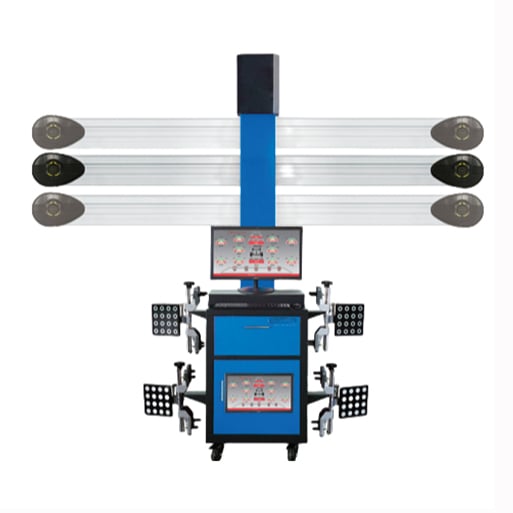
Attempting wheel alignment at home represents a significant challenge for vehicle owners seeking cost savings or maintenance independence. Many drivers wonder whether wheel alignment is truly achievable with home tools or if professional wheel alignment equipment is absolutely necessary. The reality is that wheel alignment requires precise measurement and adjustment capabilities that extend far beyond basic automotive knowledge. Understanding the differences between DIY wheel alignment methods and professional wheel alignment systems is crucial before investing time and money into either approach.

The question of whether DIY wheel alignment is possible cannot be answered with a simple yes or no. While some basic alignment checks can be performed at home, achieving accurate wheel alignment results requires equipment specifically designed for this purpose. Professional wheel alignment systems use laser technology, computer analysis, and calibrated measurement tools that home DIY wheel alignment tools simply cannot replicate. This article examines the realistic capabilities of home-based wheel alignment attempts and compares them against professional wheel alignment equipment to help you make an informed decision about your vehicle's alignment needs.
Understanding DIY Wheel Alignment Limitations
What Home Tools Can and Cannot Achieve
DIY wheel alignment attempts using basic tools face inherent technical limitations that compromise accuracy and safety. A simple wheel alignment check at home might involve measuring the distance between tires or using string lines to assess toe angles, but these methods lack the precision that wheel alignment requires. Professional wheel alignment equipment incorporates laser sensors, digital displays, and computer processors that detect alignment angles within fractions of a degree. In contrast, DIY wheel alignment using household tools may introduce errors of several degrees, which directly impacts tire wear, fuel efficiency, and vehicle handling.
Home wheel alignment attempts typically fail to measure camber, caster, and toe angles simultaneously with the accuracy needed for safe vehicle operation. Many DIY wheel alignment tools lack the capability to account for vehicle-specific suspension geometry, weight distribution changes, and manufacturing tolerances. Without professional wheel alignment equipment, diagnosing whether misalignment stems from suspension damage, bent components, or simple tire pressure issues becomes nearly impossible. The financial savings from attempting DIY wheel alignment frequently disappear when improper adjustments lead to accelerated tire wear, suspension damage, or unsafe driving conditions.
Common DIY Wheel Alignment Methods and Their Shortcomings
Several DIY wheel alignment methods circulate among vehicle enthusiasts, each presenting distinct limitations that prevent accurate results. The string method for DIY wheel alignment involves stretching string lines parallel to the vehicle's centerline to visually assess toe alignment, but this approach cannot measure camber or caster angles and depends entirely on operator skill. Chalk line wheel alignment techniques similarly lack precision and cannot account for suspension changes that occur during driving or after adjustments. Digital angle finders used in DIY wheel alignment provide slightly better accuracy than visual methods but still cannot match the comprehensive measurement capabilities of professional wheel alignment systems.
Template-based DIY wheel alignment methods attempt to use printed guides or markers to assess alignment angles, but these approaches fail when vehicle suspensions settle after initial measurement. Many DIY wheel alignment enthusiasts underestimate how suspension components interact and how adjustments to one angle affect others. Without the feedback systems built into professional wheel alignment equipment, determining when adjustments are complete becomes guesswork. This trial-and-error approach to DIY wheel alignment consumes excessive time and frequently results in misalignment that worsens vehicle performance rather than improving it.
Professional Wheel Alignment Equipment Capabilities
How Professional Wheel Alignment Systems Work
Professional wheel alignment equipment operates using advanced sensor technology that transforms alignment service from guesswork into precision engineering. Modern wheel alignment systems employ laser or camera-based sensors that mount to wheel rims and communicate with central computer systems to calculate exact alignment angles. These professional wheel alignment tools measure camber, caster, toe-in, thrust angle, and other parameters simultaneously, providing real-time data that guides technician adjustments. The wheel alignment equipment continuously updates measurements as adjustments occur, ensuring that final results fall within manufacturer specifications for optimal vehicle performance.
Three-dimensional wheel alignment technology represents the current industry standard for professional wheel alignment systems, offering unprecedented accuracy compared to older two-dimensional methods. This advanced wheel alignment equipment accounts for suspension geometry, vehicle height, load conditions, and suspension movement to deliver comprehensive alignment analysis. Professional wheel alignment systems automatically calculate target angles based on vehicle make, model, year, and current suspension condition. The wheel alignment equipment provides technicians with visual guides and numerical targets, eliminating subjective judgment and human error from the alignment process.
Advantages of Professional Wheel Alignment Over DIY Methods
Professional wheel alignment services deliver measurable benefits that justify the investment compared to risky DIY wheel alignment attempts. Properly executed wheel alignment using professional equipment extends tire lifespan by 25 percent to 40 percent, representing substantial savings on replacement costs. Correct wheel alignment improves fuel economy, reduces steering effort, and enhances vehicle stability during acceleration, braking, and cornering. Professional wheel alignment also identifies suspension damage or component wear that DIY wheel alignment methods would miss entirely, preventing catastrophic failures.
The wheel alignment equipment used by professionals includes diagnostic capabilities that detect bent frames, damaged suspension arms, and worn bushings that compromise alignment. These diagnostic insights from professional wheel alignment systems enable preventive maintenance that DIY wheel alignment cannot provide. Time efficiency represents another crucial advantage—professional wheel alignment takes 30 to 60 minutes depending on vehicle condition, while accurate DIY wheel alignment attempts might consume an entire weekend. Professional wheel alignment services typically include documentation of alignment angles before and after adjustment, providing verification that wheel alignment meets factory specifications.
Making the Decision: DIY Versus Professional Wheel Alignment
When DIY Wheel Alignment Might Be Attempted
Limited scenarios exist where basic DIY wheel alignment assessment might offer temporary value, though these situations should not be confused with actual wheel alignment correction. Initial visual inspection for obvious misalignment signs—such as one tire wearing faster than others or the vehicle pulling consistently in one direction—can be performed without professional equipment. These basic observations from DIY wheel alignment diagnosis help vehicle owners understand when professional wheel alignment service becomes necessary. However, even these preliminary DIY wheel alignment checks should lead immediately to professional assessment rather than DIY wheel alignment correction attempts.
Tracking changes in vehicle handling or tire wear patterns provides useful information that informs discussions with professional wheel alignment technicians. Some vehicle enthusiasts with extensive mechanical knowledge might measure specific alignment angles using digital protractors or inclinometers as part of their learning process, but these DIY wheel alignment measurements cannot guide actual adjustments without professional equipment validation. Educational DIY wheel alignment exercises differ fundamentally from attempting actual wheel alignment service on a vehicle intended for road use. The distinction between learning about wheel alignment mechanics and performing accurate wheel alignment service cannot be overstated.
Why Professional Wheel Alignment Makes Financial and Safety Sense
The cost of professional wheel alignment typically ranges from $150 to $300 depending on vehicle type and alignment complexity, representing a small fraction of tire replacement expenses or suspension repair costs. Improper DIY wheel alignment frequently causes damage that requires expensive corrections, easily exceeding the cost of professional wheel alignment service several times over. Vehicles operating with compromised wheel alignment face reduced braking effectiveness, unpredictable handling behavior, and increased risk of loss-of-control situations, especially during emergency maneuvers. Professional wheel alignment directly addresses these safety concerns while simultaneously protecting your investment in tires and suspension components.
Insurance considerations also favor professional wheel alignment service, as vehicles damaged through DIY maintenance mistakes may face coverage complications. Professional wheel alignment documentation provides evidence of proper vehicle maintenance, supporting vehicle value preservation and warranty claims. The expertise available through professional wheel alignment services extends beyond simple angle measurement to include suspension diagnostics, component replacement recommendations, and performance optimization. These comprehensive services from professional wheel alignment specialists justify the investment for drivers prioritizing vehicle safety, reliability, and longevity.
FAQ
Can I perform basic wheel alignment checks myself before seeking professional service?
You can observe basic signs indicating potential wheel alignment problems, such as uneven tire wear patterns or consistent vehicle pulling, without professional equipment. However, these observations should prompt professional wheel alignment assessment rather than DIY wheel alignment correction. Visual inspection and basic vehicle handling tests provide valuable diagnostic starting points, but accurate wheel alignment measurement and adjustment absolutely requires professional wheel alignment equipment. Using these preliminary observations to inform professional wheel alignment discussions rather than attempting DIY wheel alignment adjustments represents the appropriate approach.
What makes professional wheel alignment equipment superior to home tools?
Professional wheel alignment equipment measures alignment angles to within fractions of a degree using laser sensors, camera systems, and computer analysis that home tools cannot replicate. The wheel alignment systems used by professionals provide real-time feedback during adjustments, ensuring results meet manufacturer specifications precisely. Advanced wheel alignment equipment also diagnoses suspension damage and component wear that basic home tools completely miss. This combination of measurement precision, diagnostic capability, and adjustment feedback makes professional wheel alignment equipment fundamentally superior to any DIY approach using common automotive tools.
How often should I get professional wheel alignment to avoid DIY alternatives?
Most vehicles benefit from professional wheel alignment every 12 months or every 12,000 miles, though aggressive driving, rough road conditions, or collision impacts necessitate more frequent wheel alignment service. Regular professional wheel alignment intervals prevent the severe misalignment that tempts vehicle owners to attempt DIY wheel alignment solutions. Maintaining proper wheel alignment through consistent professional service proves significantly more cost-effective than attempting occasional DIY wheel alignment adjustments that compromise vehicle safety and accelerate tire wear. Scheduling preventive professional wheel alignment appointments keeps your vehicle operating safely and efficiently while eliminating any temptation to attempt dangerous DIY wheel alignment approaches.