 EN
EN


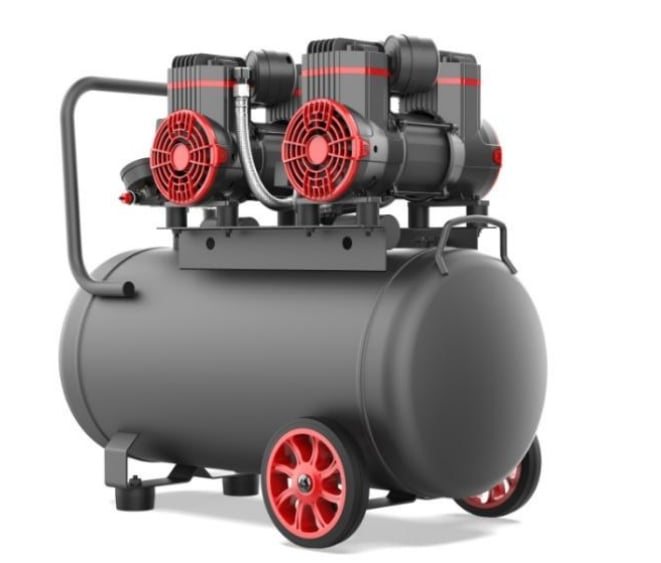
An air compressor is one of the most valuable tools in any workshop, garage, or industrial facility, yet it often receives minimal attention until something goes wrong. Regular maintenance and quick troubleshooting can prevent costly downtime and extend the lifespan of your air compressor by years. Understanding the fundamentals of air compressor care ensures reliable performance, consistent output pressure, and safe operation for both residential and commercial applications.
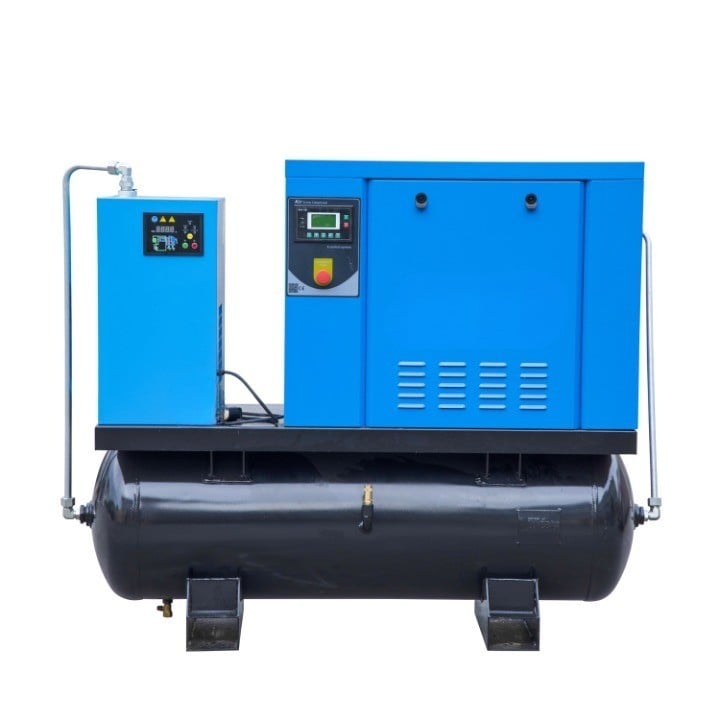
Whether you operate a small portable air compressor or a large industrial system, the maintenance principles remain similar. Neglecting routine inspections and preventive care leads to reduced efficiency, pressure fluctuations, and premature wear on internal components. This comprehensive guide covers essential troubleshooting strategies and maintenance tasks that every air compressor owner should follow to maximize equipment reliability and performance.
Common Air Compressor Problems and Troubleshooting Solutions
Pressure Loss and Insufficient Output
One of the most frequent issues with an air compressor is the inability to build or maintain pressure. When an air compressor fails to reach the target pressure or rapidly loses pressure after shutdown, multiple factors could be responsible. The first step in troubleshooting involves checking the intake filter, which can become clogged with dust and debris over time, restricting airflow and reducing compression efficiency. A dirty air filter forces the air compressor motor to work harder while delivering less output, creating a bottleneck in the system.
Another common cause of pressure loss is a faulty check valve, which prevents air from flowing backward into the compressor tank. If the check valve deteriorates, compressed air leaks back into the pump, and your air compressor cannot maintain proper tank pressure. Listen for hissing sounds coming from the pump during shutdown, as this typically indicates a failing check valve. Additionally, inspect all hose connections and fittings for visible leaks using soapy water; bubbles will form at any leak point. Drain valves, pressure switches, and tank seams should also be checked, as even small leaks can cause an air compressor to cycle more frequently than normal.
Excessive Noise and Vibration
Unusual noise from an air compressor often signals mechanical stress or improper installation. When an air compressor produces louder-than-normal sounds, it may indicate worn bearings, loosened mounting bolts, or cavitation in the pump. A bearing that is failing will emit a grinding or squealing sound, and this component should be inspected or replaced to prevent catastrophic failure. Vibration problems are frequently caused by an unbalanced compressor head, a misaligned pump, or insufficient rubber isolation feet under the air compressor frame.
Ensure your air compressor is mounted on a stable, level surface with vibration-dampening pads underneath. Loose bolts connecting the pump to the motor should be tightened, and the air compressor should never be placed directly on a concrete floor without isolation. Excessive vibration not only creates discomfort but also accelerates wear on internal seals and bearings, shortening the operational lifespan of your air compressor investment.
Essential Air Compressor Maintenance Tasks
Daily and Weekly Maintenance Routines
Establishing a simple daily routine keeps your air compressor performing optimally. Before each use, drain moisture from the tank by opening the drain valve and letting accumulated condensation escape for several seconds. This is critical because moisture inside an air compressor tank promotes rust and corrosion, degrading internal surfaces and causing pressure leaks. An air compressor that sits unused for extended periods will accumulate more condensation, making drainage especially important before seasonal use.
Weekly maintenance for your air compressor includes inspecting the intake filter and replacing it if visibly dirty or clogged. A clean filter is essential for efficient air compressor operation and prevents contaminants from entering the pump chamber. Check all accessible fittings and connections for air leaks by applying soapy water around joints and looking for bubbles. The motor should run smoothly without unusual noises, and any visible oil leaks around seals or gaskets should be documented for later service.
Monthly and Quarterly Air Compressor Checks
Monthly inspections of your air compressor include a thorough visual examination of the entire unit, from electrical cord integrity to tank exterior condition. Look for rust spots, dents, or oil leakage that might require attention. Test the safety relief valve by slowly increasing pressure until the valve opens and releases excess air, confirming it functions correctly. A faulty relief valve poses a safety hazard and must be repaired immediately; do not operate an air compressor with a non-functional relief valve.
Every quarter, or every 250 operating hours, change the air compressor oil if you operate an oil-lubricated model. Dirty oil reduces lubrication efficiency and allows contaminants to circulate through the pump, accelerating wear on internal components. Refer to your air compressor manual for the correct oil type and capacity. Additionally, inspect and clean or replace the aftercooler or heat exchanger if your air compressor model includes one, as these components trap moisture and must be kept clear of blockages.
Annual Air Compressor Maintenance and Long-Term Care
Comprehensive Annual Service for Your Air Compressor
Once per year, schedule a comprehensive inspection of your air compressor to identify potential issues before they develop into serious problems. During annual service, have a qualified technician perform a complete system audit, including pressure switch calibration, motor load testing, and thermal protection function verification. The air compressor tank should be inspected internally for rust or corrosion buildup, and if significant deterioration is found, the tank may need replacement or protective coating application. Annual service is an investment that pays dividends by preventing emergency breakdowns during critical work periods.
Document all maintenance performed on your air compressor in a service log, recording the date, tasks completed, and any parts replaced. This record helps track patterns and predict component lifespan, allowing you to schedule replacements proactively rather than reactively. A well-maintained air compressor with documented service history also retains higher resale value and demonstrates reliability to potential buyers if you decide to upgrade equipment.
Storage and Seasonal Air Compressor Preservation
If you store an air compressor seasonally or during extended periods of non-use, take steps to prevent corrosion and degradation. Fully drain all moisture from the tank and air lines before storage, as stagnant moisture accelerates internal rust formation. Add a small amount of compressor oil to the tank to coat internal surfaces and prevent oxidation. Cover the air compressor with a protective tarp or case to shield it from dust and humidity fluctuations. Before resuming operation after storage, drain the tank again, replace the air filter, and run the unit briefly to expel any contaminants.
Professional-grade air compressor models often feature enhanced durability and superior corrosion resistance. Investing in a high-quality air compressor with robust construction ensures years of dependable service with proper maintenance. Quality equipment paired with consistent care creates a reliable foundation for any workshop or facility requiring compressed air applications.
FAQ
How often should I drain moisture from my air compressor tank?
You should drain moisture from your air compressor tank daily or before each use, especially in humid environments. Even brief operation produces condensation inside the tank, and allowing moisture to accumulate accelerates rust formation and corrosion. In dry climates, daily draining may be less critical, but weekly drainage is still recommended as a best practice for any air compressor.
What causes an air compressor to build pressure slowly?
A slow-building air compressor typically indicates a clogged intake filter, worn pump seals, or a leaking check valve. Start by replacing the intake filter and draining the tank completely. If pressure buildup remains slow, the issue likely involves internal pump wear or seal deterioration, requiring professional inspection and potential component replacement. Never ignore slow pressure buildup, as it signals underlying mechanical issues in your air compressor.
Can I use my air compressor without performing regular maintenance?
While an air compressor may operate temporarily without maintenance, skipping routine care dramatically shortens its lifespan and increases failure risk. Maintenance-free operation leads to moisture accumulation, filter clogging, and internal wear that accelerates component degradation. Regular maintenance is far less expensive than emergency repairs or premature equipment replacement, making preventive care the economical choice for any air compressor owner.