 EN
EN


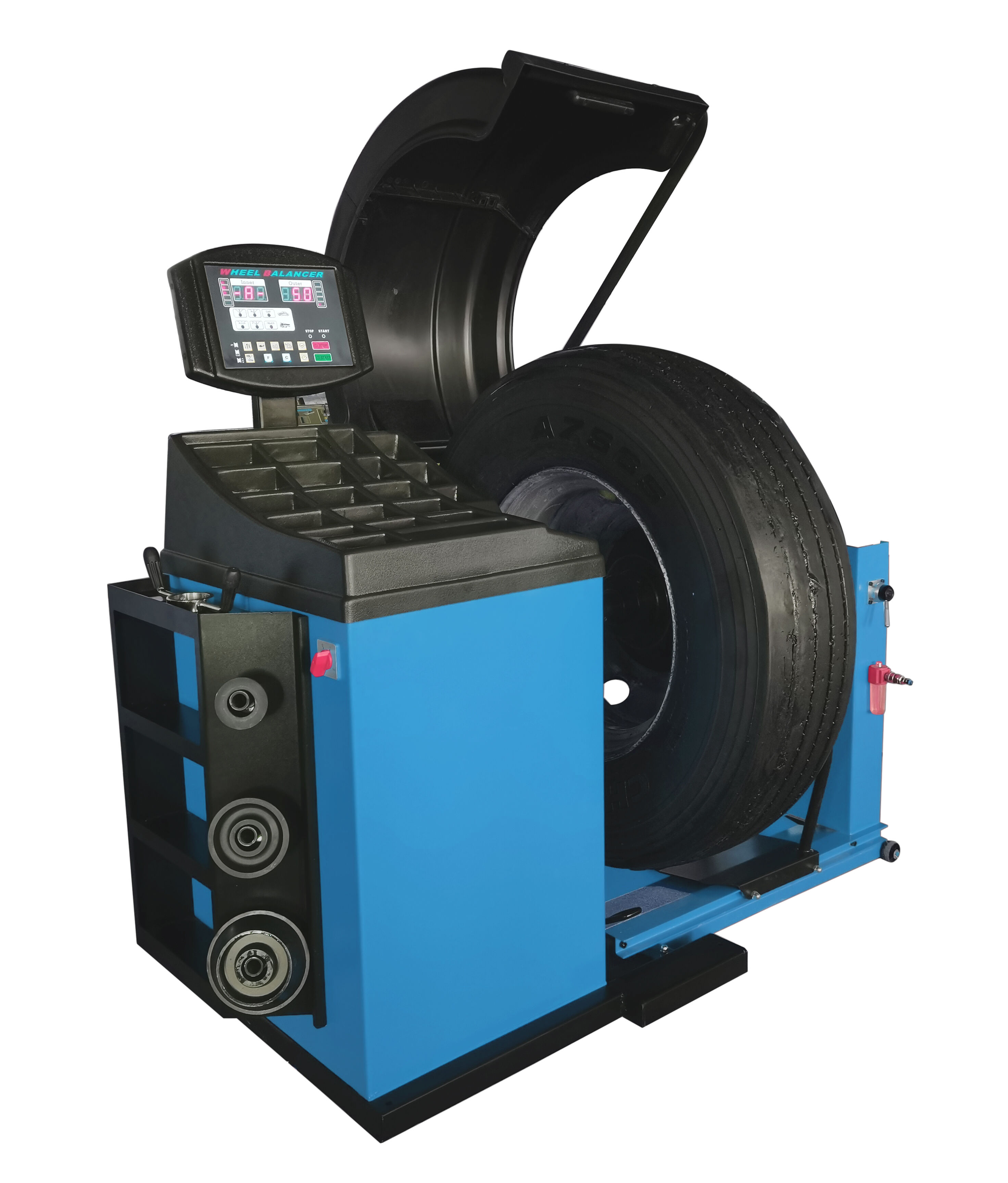
Wheel balancer accuracy stands as the cornerstone of professional tire service operations, directly impacting vehicle performance, customer satisfaction, and shop reputation. When a wheel balancer delivers precise measurements, it ensures that wheels and tires are perfectly balanced, eliminating vibrations that compromise driving comfort and safety. The difference between an accurate and inaccurate wheel balancer can mean the distinction between a smooth ride and costly comebacks that damage your business relationships.
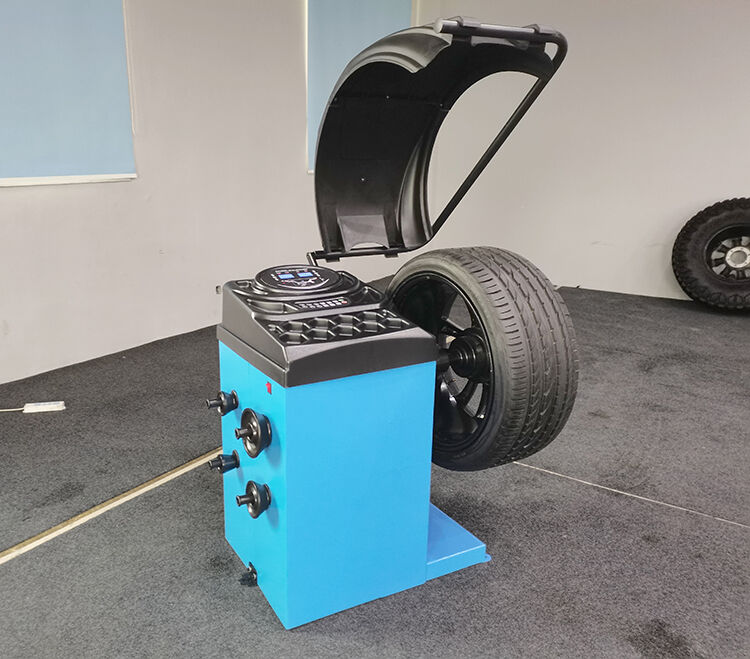
Understanding why wheel balancer accuracy matters requires examining the cascading effects of precision in automotive service. Every fraction of an ounce in weight imbalance translates to measurable consequences in vehicle operation, from tire wear patterns to steering wheel vibration. Modern vehicles demand increasingly precise balancing standards, making accuracy not just desirable but essential for meeting customer expectations and maintaining competitive advantage in the automotive service industry.
Direct Impact on Vehicle Performance and Safety
Vibration Elimination and Driving Comfort
Accurate wheel balancer measurements directly eliminate the primary cause of steering wheel and vehicle vibrations during highway driving. When a wheel balancer precisely identifies weight distribution irregularities, technicians can apply corrective weights with pinpoint accuracy, ensuring that centrifugal forces remain balanced at all speeds. This precision becomes critical as modern vehicles operate at higher speeds with tighter tolerances, where even minor imbalances create noticeable vibrations that affect driver comfort and vehicle control.
The relationship between wheel balancer accuracy and vibration control extends beyond mere comfort considerations. Unbalanced wheels create dynamic forces that interfere with suspension geometry, steering responsiveness, and braking effectiveness. A high-precision wheel balancer identifies these imbalances before they manifest as performance problems, allowing technicians to address issues proactively rather than reactively after customers experience problems.
Tire Longevity and Wear Pattern Prevention
Precise wheel balancer measurements play a crucial role in preventing irregular tire wear patterns that reduce tire life and compromise vehicle safety. When wheels remain properly balanced through accurate measurement, tire contact patches maintain consistent pressure distribution across the tread surface, preventing cupping, feathering, and other destructive wear patterns. This accuracy becomes especially important with today's low-profile tires and advanced rubber compounds that show wear irregularities more quickly than traditional tire designs.
The economic impact of wheel balancer accuracy on tire longevity extends to both service providers and vehicle owners. Accurate balancing can extend tire life by 20-30% compared to poorly balanced wheels, representing significant cost savings over the vehicle's operational life. For service shops, this accuracy translates to fewer warranty claims, reduced comebacks, and enhanced reputation for quality service delivery.
Economic Implications for Service Operations
Customer Retention Through Quality Service Delivery
Wheel balancer accuracy directly influences customer retention rates and service shop profitability through its impact on service quality perception. Customers who receive precise balancing services experience smooth, vibration-free driving that reinforces their confidence in the service provider's technical capabilities. This positive experience creates a foundation for long-term customer relationships and generates referral business that drives sustainable revenue growth.
The competitive advantage gained through accurate wheel balancer operation extends beyond individual service transactions. Shops known for precision work attract customers willing to pay premium prices for quality service, improving profit margins while building market reputation. This reputation becomes particularly valuable in competitive markets where service quality differentiates successful operations from struggling competitors.
Reduced Comeback Rates and Warranty Claims
Accurate wheel balancer measurements significantly reduce comeback rates by ensuring that balancing services achieve desired results on the first attempt. When a wheel balancer provides precise weight placement recommendations, technicians can complete balancing procedures without the trial-and-error approaches that characterize less accurate equipment. This efficiency reduces labor costs while improving customer satisfaction through faster, more reliable service delivery.
The financial impact of reduced comebacks extends throughout service operation economics. Every comeback represents lost productivity, additional labor costs, and potential material expenses that erode profit margins. Accurate wheel balancer operation minimizes these costs while freeing up technician time for additional revenue-generating activities, improving overall shop productivity and profitability.
Technical Standards and Industry Requirements
Modern Vehicle Tolerance Specifications
Contemporary automotive manufacturing standards demand wheel balancer accuracy levels that exceed traditional requirements due to advanced suspension designs and precision engineering tolerances. Modern vehicles incorporate sophisticated electronic stability systems, advanced driver assistance features, and refined suspension geometries that amplify the effects of wheel imbalance. These systems require wheel balancer accuracy within fractions of ounces to maintain optimal performance characteristics.
The evolution of vehicle technology continues to raise accuracy standards for wheel balancer equipment. Electric vehicles, with their instant torque delivery and regenerative braking systems, particularly benefit from precise wheel balancing that ensures smooth power transmission and optimal energy efficiency. As automotive technology advances, wheel balancer accuracy becomes increasingly critical for maintaining vehicle performance standards and meeting manufacturer specifications.
Regulatory Compliance and Quality Assurance
Wheel balancer accuracy supports compliance with industry quality standards and regulatory requirements that govern automotive service operations. Many jurisdictions require service facilities to maintain equipment calibration standards that ensure accurate measurements and reliable service delivery. These regulations recognize the safety implications of proper wheel balancing and establish minimum accuracy requirements for professional equipment operation.
Quality assurance programs implemented by automotive manufacturers and industry organizations emphasize the importance of wheel balancer accuracy in maintaining service standards. These programs often include specific accuracy requirements, calibration procedures, and performance verification protocols that service providers must follow to maintain certification status and warranty authorization privileges.
Measurement Precision and Calibration Factors
Sensor Technology and Detection Capabilities
Advanced wheel balancer accuracy depends on sophisticated sensor technology that can detect minute weight imbalances and translate them into precise correction recommendations. Modern wheel balancer systems incorporate multiple sensor types, including accelerometers, displacement sensors, and force measurement devices that work together to provide comprehensive imbalance analysis. This sensor integration enables accuracy levels that far exceed mechanical measurement systems used in previous generations of equipment.
The relationship between sensor quality and wheel balancer accuracy becomes evident in the equipment's ability to distinguish between different types of imbalance conditions. Static imbalance, dynamic imbalance, and coupled imbalance each require different correction approaches, and accurate sensors enable proper identification and correction of these distinct conditions. This diagnostic capability ensures that balancing procedures address root causes rather than symptoms of wheel imbalance.
Environmental Factors and Calibration Maintenance
Maintaining wheel balancer accuracy requires attention to environmental factors and regular calibration procedures that ensure consistent performance over time. Temperature fluctuations, humidity changes, and vibration exposure can affect sensor performance and measurement accuracy, making environmental control and calibration maintenance essential components of precision equipment operation. Regular calibration procedures verify that the wheel balancer maintains accuracy standards throughout its operational life.
The investment in calibration maintenance pays dividends through sustained wheel balancer accuracy and reliable service delivery. Calibration procedures typically involve weight verification tests, sensor alignment checks, and software updates that maintain equipment performance at factory specifications. These maintenance activities prevent accuracy degradation that could compromise service quality and customer satisfaction over time.
FAQ
How does wheel balancer accuracy affect tire wear?
Wheel balancer accuracy directly impacts tire wear patterns by ensuring even weight distribution that prevents irregular contact patches. Accurate balancing eliminates the bouncing and hopping motions that cause cupping, scalloping, and premature tread wear. When wheels remain properly balanced through precise measurement, tires maintain consistent contact with the road surface, extending tire life by up to 30% and preventing costly premature replacements.
What accuracy level should professional wheel balancer equipment achieve?
Professional wheel balancer equipment should achieve accuracy within 1 gram or 0.035 ounces to meet modern automotive service standards. This precision level ensures that weight corrections eliminate vibrations at highway speeds while accommodating the tight tolerances required by contemporary vehicle designs. Higher accuracy levels become increasingly important for luxury vehicles, performance cars, and electric vehicles that demand exceptional smoothness and precision.
How often should wheel balancer calibration be performed?
Wheel balancer calibration should be performed monthly or after every 1,000 balancing cycles to maintain accuracy standards throughout equipment operation. Environmental factors, usage intensity, and equipment age can affect calibration stability, making regular verification essential for consistent results. Many manufacturers recommend weekly calibration checks in high-volume operations where accuracy degradation could impact service quality and customer satisfaction.
Can wheel balancer accuracy compensate for bent rims or tire defects?
Wheel balancer accuracy cannot fully compensate for structural defects like bent rims or tire manufacturing irregularities, though precise measurement can identify these conditions during the balancing process. Accurate wheel balancer equipment can distinguish between correctable imbalance and structural problems that require rim repair or tire replacement. This diagnostic capability prevents unsuccessful balancing attempts and guides appropriate repair recommendations for optimal results.