 EN


A well-functioning wheel balancer is essential to any professional automotive service shop. Over time, however, even the most reliable wheel balancer can lose accuracy, develop mechanical wear, or become outdated compared to newer technology. Understanding when to replace your wheel balancer helps you maintain service quality, reduce customer complaints, and optimize your shop's operational efficiency. The decision to invest in a new wheel balancer isn't always obvious, which is why recognizing the right timing and warning signs matters significantly for your bottom line.
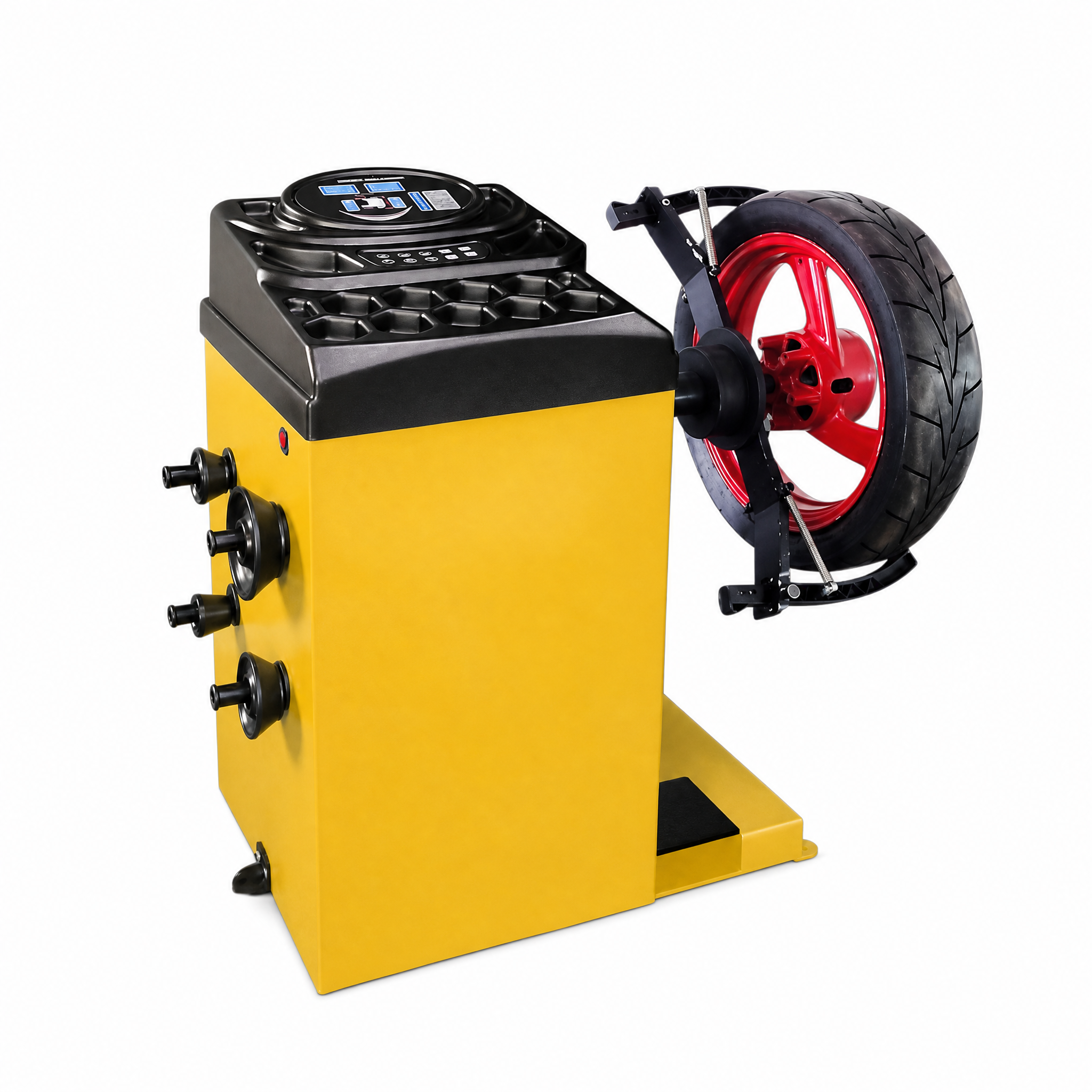
Knowing when to replace your wheel balancer depends on multiple factors including age, accuracy drift, repair frequency, and changing market demands. A wheel balancer that once delivered consistent, accurate results may gradually lose calibration or develop spindle issues that affect performance. Recognizing these decline patterns early allows you to plan your investment strategically and maintain customer satisfaction without unexpected downtime.
Performance Decline and Accuracy Loss
Detecting Measurement Drift in Your Wheel Balancer
One of the clearest indicators that you need a new wheel balancer is a noticeable decline in measurement accuracy. Over years of operation, the sensors and spindle bearings inside a wheel balancer gradually wear, causing calibration drift. When your wheel balancer begins producing inconsistent readings on the same wheel tested multiple times, accuracy has shifted beyond acceptable tolerances. Customers will notice vibration issues returning shortly after balancing, leading to callbacks and reputation damage. Testing your wheel balancer against a known reference standard quarterly helps you catch accuracy problems early before they impact service delivery.
Increased Repair Costs and Downtime
When repair invoices for your wheel balancer start appearing monthly rather than annually, replacement becomes economically justified. Older wheel balancer models may develop costly spindle problems, sensor failures, or mechanical issues that require extended downtime while waiting for service technicians. If your wheel balancer has been in operation for eight to twelve years and requires significant repairs, the cost of a new unit often becomes comparable to continued maintenance expenses. A new wheel balancer eliminates repair uncertainty and restores full operational reliability, whereas an aging wheel balancer creates unpredictable shop disruptions that affect scheduling and revenue.
Technological Advancement and Market Changes
Modern Wheel Balancer Features and Customer Expectations
Technological evolution in wheel balancer design now includes features that weren't available in models from a decade ago. Modern wheel balancer systems offer faster cycle times, improved sensor accuracy, integrated diagnostic data, and automated calibration routines. When competitors in your market have upgraded to newer wheel balancer technology, your shop risks losing customers who value faster turnaround times and premium service quality. Digital displays, wireless data transfer, and predictive maintenance alerts on contemporary wheel balancer units streamline shop operations and reduce operator error. Investing in a current-generation wheel balancer positions your shop as professional and forward-thinking in a competitive service market.
Compatibility with New Tire and Wheel Technologies
Automotive technology advances include new tire constructions, lightweight alloy wheels, and specialized fitment requirements that challenge older wheel balancer systems. Low-profile tires, run-flat designs, and performance wheel compounds sometimes require specialized balancing approaches that an older wheel balancer cannot accommodate effectively. If your wheel balancer lacks the adapter compatibility or sensing resolution for newer wheel sizes and tire types, balancing quality suffers. Modern wheel balancer units are engineered to handle the full spectrum of contemporary vehicle platforms without performance compromise. Upgrading to a new wheel balancer ensures your shop can service today's vehicle fleet without workarounds or quality tradeoffs.
Business Economics and Operational Strategy
Calculating Total Cost of Ownership for Your Wheel Balancer
The decision to replace your wheel balancer should include a realistic assessment of total cost of ownership. Factor in annual maintenance costs, repair expenses, parts availability, and the residual value of your current unit. If your wheel balancer is generating repair costs exceeding ten to fifteen percent of its original purchase price annually, economic replacement logic supports buying new. A wheel balancer with extended warranty coverage, predictable maintenance schedules, and readily available service components reduces long-term expense uncertainty. Spreadsheet analysis comparing multi-year ownership costs often reveals that replacement within five to eight years of the current unit's purchase creates better financial outcomes than indefinite retention.
Productivity Gains and Revenue Impact
A new wheel balancer typically reduces cycle time per vehicle by twenty to forty percent compared to aging equipment, directly translating to higher service capacity. Faster balancing turnaround means more customer vehicles processed daily without adding labor hours, increasing shop revenue per square foot. Improved accuracy reduces callback rates and customer dissatisfaction, protecting recurring revenue and shop reputation. When your wheel balancer age creates scheduling delays or forces customers to wait longer for service completion, replacement enhances competitive positioning. Evaluating the business impact of equipment age holistically—including capacity gains, quality improvements, and customer retention benefits—often justifies investment in a new wheel balancer more convincingly than repair-cost analysis alone.
FAQ
How long does a typical wheel balancer last before replacement becomes necessary?
Most wheel balancer units function reliably for eight to twelve years with regular maintenance and proper use. However, the right replacement timing depends more on accuracy performance, repair frequency, and technological relevance than on chronological age alone. Some wheel balancer equipment may require replacement sooner if used intensively, while others might remain serviceable beyond twelve years if maintained meticulously and repair costs stay manageable.
What are the most common warning signs that indicate my wheel balancer needs replacement?
Primary indicators include consistent accuracy drift requiring recalibration, increasing repair frequency, high repair bills relative to original cost, customer complaints about post-balance vibration, and incompatibility with newer wheel and tire specifications. Additionally, if your wheel balancer lacks features now standard in contemporary models—such as automated calibration or digital diagnostics—replacement may improve operational efficiency.
Can refurbished or used wheel balancer equipment serve as a cost-effective replacement option?
Used or refurbished wheel balancer equipment can offer cost savings, but verify accuracy calibration, spindle condition, and warranty coverage carefully before purchasing. A budget option that develops accuracy issues shortly after installation may ultimately cost more in repairs and customer dissatisfaction than investing in a new wheel balancer with full manufacturer support and warranty protection.