 EN


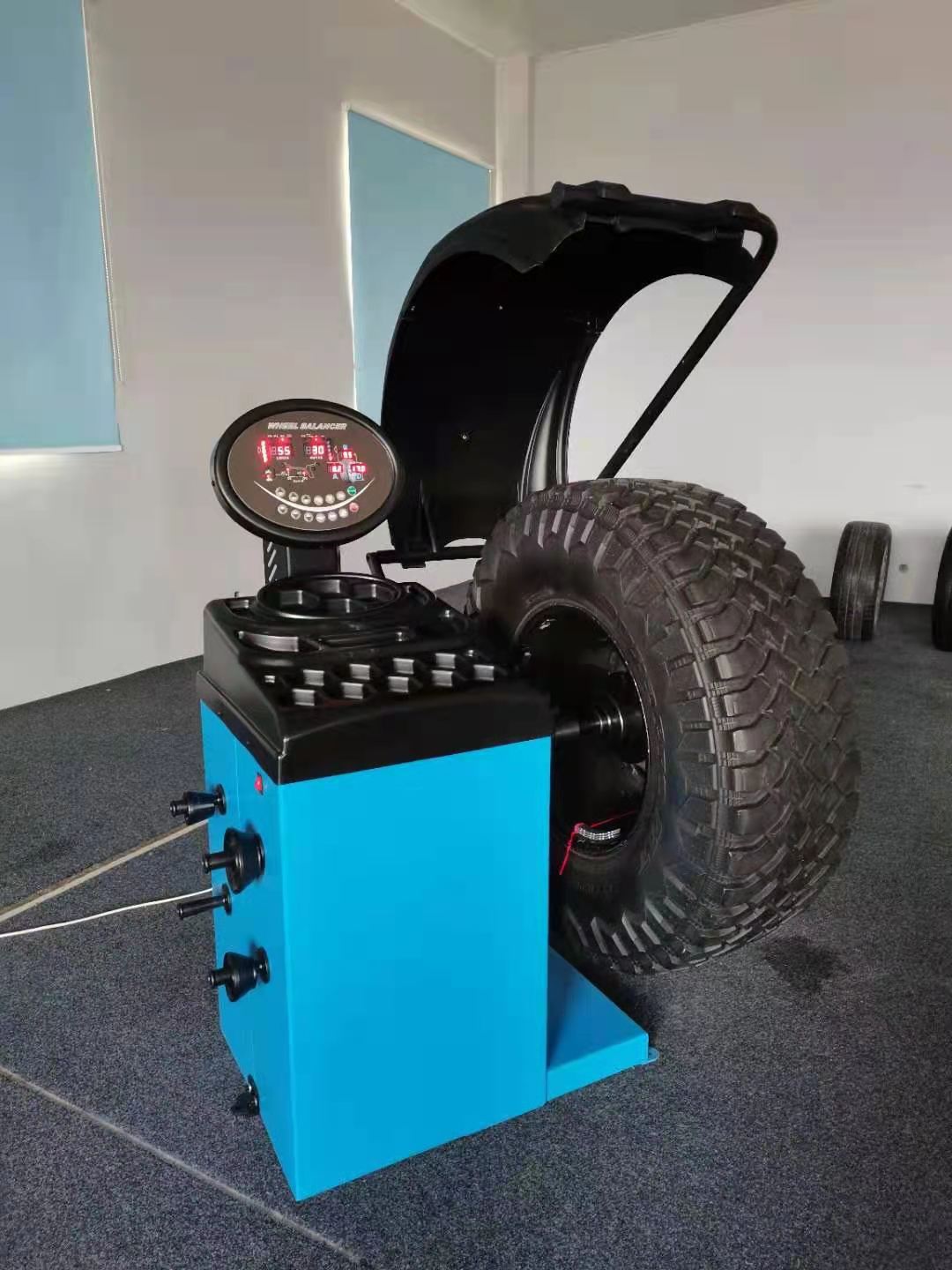
Selecting the right wheel balancer for your shop is one of the most critical decisions you'll make as an automotive service provider. A quality wheel balancer directly impacts your shop's efficiency, customer satisfaction, and profitability. The wheel balancer you choose must balance precision with reliability, combining advanced technology with user-friendly operation to keep your business running smoothly and your customers happy.
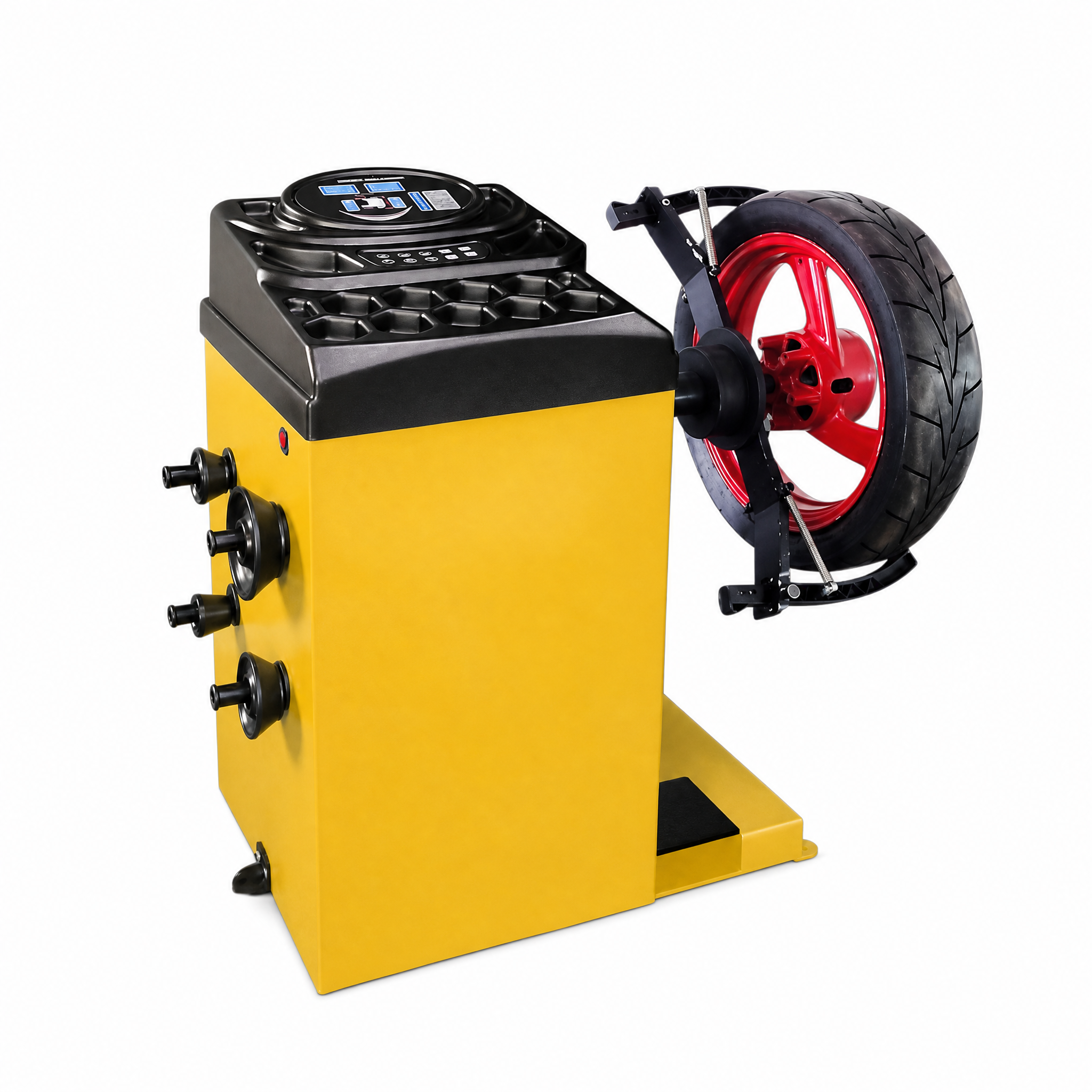
Understanding the characteristics that distinguish an excellent wheel balancer from a mediocre one requires knowledge of modern automotive service standards. A dependable wheel balancer must deliver consistent accuracy, accommodate diverse wheel sizes and types, and integrate seamlessly into your shop's workflow. Whether you're upgrading existing equipment or building out a new service bay, the wheel balancer you select will influence tire quality outcomes and workshop productivity for years to come.
Accuracy and Measurement Precision
High-Resolution Sensor Technology
A superior wheel balancer incorporates advanced sensor systems that detect minute imbalances with exceptional precision. Modern wheel balancer technology uses electronic sensors and optical detection to measure weight distribution across the entire wheel assembly, enabling accuracy within 1 to 2 grams. This level of precision is essential because even small imbalances create vibration at highway speeds, leading to customer complaints and repeated service visits. Your wheel balancer must capture data consistently and reliably, reducing false readings that waste time and damage your shop's reputation.
Dynamic and Static Balancing Modes
A quality wheel balancer should offer both dynamic and static balancing capabilities to address different wheel imbalance types. Static imbalance occurs when weight is distributed unevenly on one plane, while dynamic imbalance involves weight distribution across multiple planes. A comprehensive wheel balancer handles both conditions, ensuring customers receive complete correction. This dual-mode functionality separates premium wheel balancer equipment from basic models, directly affecting the longevity of tires and the smoothness of the customer's driving experience.
Versatility and Compatibility Range
Wide Wheel Size and Type Support
An effective wheel balancer must accommodate wheels ranging from compact vehicle sizes to large truck and specialty wheels. The best wheel balancer models support wheel diameters from 10 inches up to 28 inches or more, with adjustable positioning for different weight configurations. Your wheel balancer should handle aluminum alloys, steel wheels, run-flat tires, and specialty wheels without requiring extensive recalibration between jobs. Versatility in your wheel balancer reduces setup time, minimizes errors, and enables your technicians to process diverse vehicle types throughout the day without equipment limitations.
Quick-Change Components and Adaptability
The most efficient wheel balancer designs feature quick-change cones, quick-release shafts, and easily adjustable work surfaces. These components allow your team to transition between different wheel sizes rapidly, improving shop throughput. A wheel balancer with intuitive design and minimal setup requirements reduces training demands on new staff and cuts processing time per vehicle. When your wheel balancer can be adjusted quickly without tools or excessive manual manipulation, your technicians spend more time balancing wheels and less time struggling with equipment adjustments.
Durability, Reliability, and Long-Term Value
Robust Construction and Component Quality
A dependable wheel balancer is built with heavy-duty materials and precision engineering designed to withstand continuous shop use. The frame, spindle, and measurement assembly must resist vibration damage and maintain calibration stability despite daily wear. A quality wheel balancer uses sealed bearings, reinforced spindles, and vibration-dampening bases to ensure longevity. Investing in a wheel balancer with superior construction quality reduces maintenance costs, minimizes downtime, and delivers consistent returns throughout its operational lifespan. Cheap wheel balancer models often require frequent recalibration, repairs, and eventual replacement, making them far more expensive over time.
Minimal Calibration Drift and Consistent Performance
The best wheel balancer models maintain measurement accuracy over extended periods with minimal calibration drift. A wheel balancer that requires recalibration every few weeks or months disrupts your workflow and compromises customer results. Premium wheel balancer equipment uses stable reference systems and self-diagnostic capabilities to alert technicians when calibration has shifted outside acceptable ranges. When your wheel balancer maintains its accuracy consistently, you eliminate hidden costs associated with repeated service calls, customer complaints, and lost business reputation. Long-term reliability transforms your wheel balancer from a shop expense into a profit-generating asset.
User Interface and Operational Efficiency
Intuitive Control Systems and Clear Display
A well-designed wheel balancer features a clear digital display and straightforward control interface that reduces operator error. The best wheel balancer models show imbalance data, correction positions, and weight amounts with high-contrast screens visible from multiple angles in bright shop environments. Your wheel balancer should require minimal menu navigation and support one-touch operation for common functions. When your wheel balancer prioritizes usability, newer technicians require less training time, experienced staff work faster, and the overall error rate declines significantly.
Data Logging and Integration Capabilities
Modern wheel balancer equipment increasingly includes data logging features that track balancing history and customer service records. A wheel balancer that integrates with your shop management system allows seamless documentation and quality assurance tracking. This capability supports performance analysis, helps identify recurring customer issues, and creates accountability within your team. When your wheel balancer connects to your business systems, it becomes part of a larger efficiency ecosystem rather than an isolated piece of shop equipment.
FAQ
What wheel balancer accuracy should I expect from professional equipment?
Professional-grade wheel balancer equipment should deliver accuracy within 1 to 2 grams, allowing proper correction for passenger vehicles. Heavy-duty wheel balancer models intended for trucks may operate within 2 to 3 grams due to larger mass variations. Always verify that your wheel balancer specifications meet industry standards and your target customer base expectations. A wheel balancer that cannot achieve 2-gram accuracy or better will generate customer complaints and damage your reputation.
How often should my wheel balancer require recalibration?
A quality wheel balancer should maintain calibration for several months with proper maintenance and handling. Most professional wheel balancer models require calibration checks every 3 to 6 months depending on daily usage volume and environmental factors. Your wheel balancer will include self-test capabilities that alert you when recalibration is needed. Choosing a wheel balancer from a reputable manufacturer ensures access to calibration services and technical support when adjustments become necessary.
What wheel balancer features justify the higher equipment cost?
Premium wheel balancer models justify their cost through faster processing speed, superior accuracy, enhanced durability, and integrated data systems. A wheel balancer with rapid spin-down time, minimal setup requirements, and reliable sensors increases your shop's daily throughput and customer satisfaction simultaneously. When comparing wheel balancer options, calculate the return on investment by considering labor hours saved, improved customer retention, and reduced warranty service. An expensive wheel balancer that processes 30 percent more vehicles daily pays for itself within 1 to 2 years.