 EN


Selecting the right wheel balancer for your automotive shop represents one of the most critical equipment decisions you'll make. A quality wheel balancer directly impacts the accuracy of your tire service, customer satisfaction, and operational efficiency. Whether you're upgrading from aging equipment or establishing a new service bay, understanding the essential features of a modern wheel balancer ensures you invest in technology that delivers measurable return on investment.
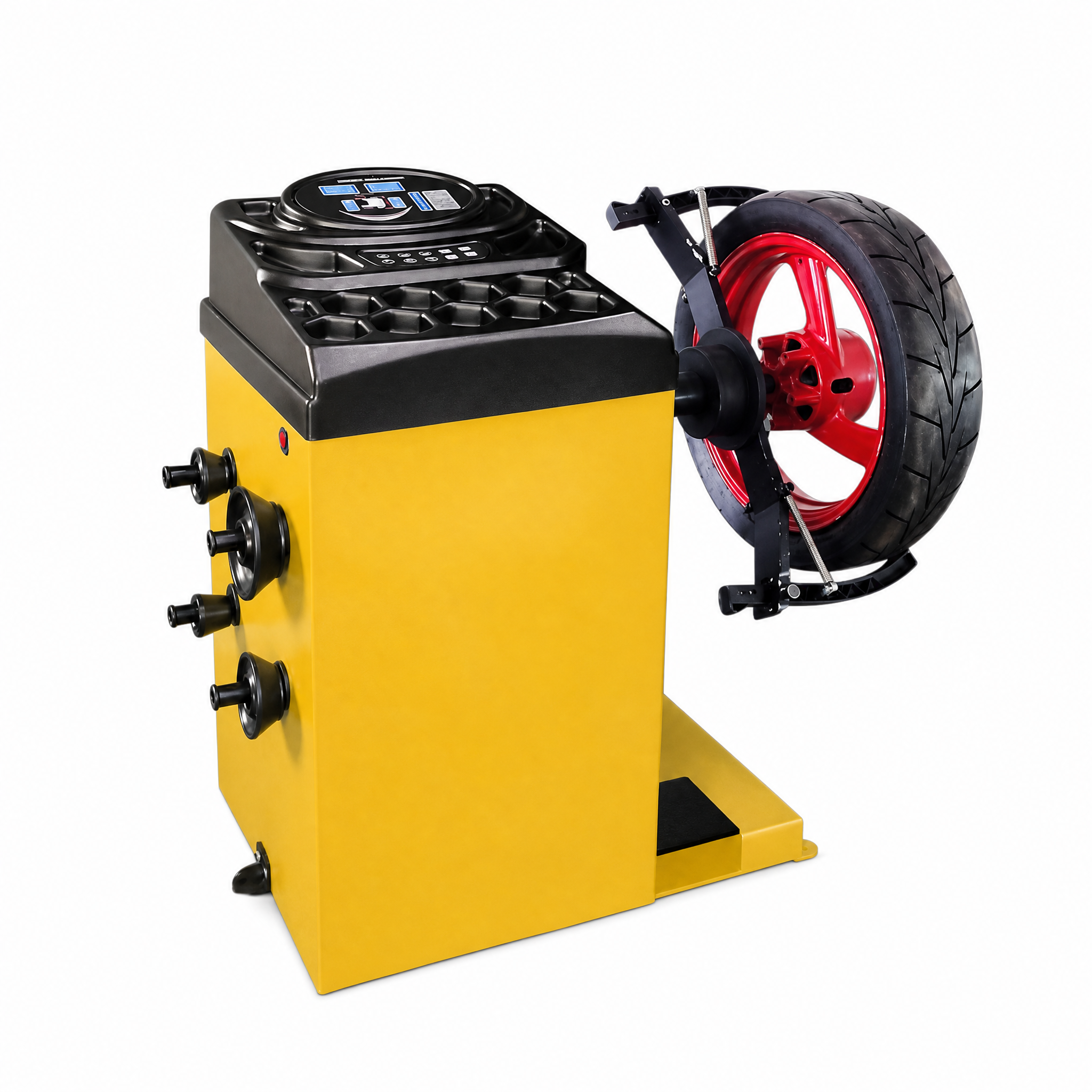
The automotive service industry has evolved significantly, and today's vehicles demand precision balancing that only advanced equipment can provide. A properly functioning wheel balancer eliminates vibration issues, extends tire life, and improves vehicle handling. When you're evaluating a new wheel balancer for your shop, specific capabilities separate exceptional equipment from basic models, and knowing what to prioritize helps you make an informed purchase.
High-Speed Processing and Accuracy Capabilities
Precision Measurement Technology in Modern Wheel Balancing
Today's automotive customers expect balancing results that rival dealership-level service. A modern wheel balancer must deliver submillimeter accuracy across diverse wheel sizes and weight ranges. The wheel balancer should utilize advanced sensor technology that captures wheel geometry, imbalance distribution, and corrective weight placement with exceptional precision. This level of accuracy directly reduces the need for rebalancing attempts, enhancing your shop's reputation and reducing customer callbacks.
Processing speed matters equally in a professional shop environment. Your wheel balancer should complete a full balance cycle in under sixty seconds for standard applications. This efficiency allows you to service more vehicles daily without sacrificing quality. When comparing equipment, look for a wheel balancer that handles dynamic and static imbalances simultaneously, providing comprehensive correction in a single measurement pass. Faster processing translates directly to improved labor productivity and higher customer throughput.
Wheel Size and Type Versatility
Modern shops encounter an enormous variety of wheel specifications, from compact hybrid vehicle wheels to oversized performance rims. Your wheel balancer must accommodate wheels ranging from eight inches to twenty-four inches in diameter, with weight capacities extending to forty-five pounds or higher. A versatile wheel balancer handles motorcycle wheels, truck wheels, and specialty automotive applications without requiring multiple machines or manual adjustment procedures.
Universal adapters and quick-change interfaces simplify wheel mounting on your wheel balancer, reducing technician fatigue and setup time. The wheel balancer should feature automatic detection of wheel sizes and types, eliminating manual input errors and streamlining the balancing workflow. This adaptability ensures your wheel balancer investment remains relevant as vehicle trends and customer demands evolve over time.
User Interface and Operational Simplicity
Intuitive Control Systems and Digital Display
A complex or confusing interface creates bottlenecks in your service bay and requires extensive technician training. Your wheel balancer should feature a large, bright digital display that clearly shows imbalance location, required weight amounts, and wheel positioning guidance. Touchscreen interfaces on modern wheel balancer models provide intuitive navigation, reducing learning curves for new staff members and minimizing operational errors during routine balancing sessions.
Voice guidance and visual indicators on your wheel balancer eliminate ambiguity about weight placement location and quantity. Some advanced models offer multilingual support, accommodating diverse shop teams. The wheel balancer should provide real-time feedback throughout the balance process, allowing technicians to understand measurements and corrective actions. This transparency builds confidence in results and helps technicians troubleshoot wheel-related vehicle concerns more effectively.
Training and Support Documentation
Even the most capable wheel balancer requires proper training and accessible reference materials. The manufacturer should provide comprehensive documentation, video tutorials, and dedicated support channels for your wheel balancer model. A quality wheel balancer comes with on-site installation and staff training that ensures your team understands every feature and operational best practice from day one.
Technical support responsiveness separates premium wheel balancer manufacturers from commodity equipment providers. Look for brands offering extended warranty coverage, rapid parts replacement, and proactive maintenance scheduling for your wheel balancer investment. This ongoing support ensures your wheel balancer remains productive throughout its service life and minimizes downtime when issues arise.
Advanced Diagnostic and Data Management Features
Automatic Imbalance Detection and Calibration
Professional-grade wheel balancer equipment should include self-diagnostic capabilities that verify measurement accuracy continuously. Automatic calibration routines on your wheel balancer ensure consistent results across every balance job, eliminating drift that develops in older mechanical equipment. This feature proves especially valuable in high-volume shops where repeated use can affect precision without built-in calibration safeguards.
A robust wheel balancer detects anomalous wheels that may indicate structural damage, bent rims, or internal cord separation. Rather than simply providing weight specifications, your wheel balancer should alert technicians to wheels requiring further inspection before customers leave your facility. This diagnostic capability protects your shop's reputation and prevents safety issues from reaching customers.
Data Recording and Quality Documentation
Modern shops benefit from wheel balancer models that record balance results for each job, creating service documentation for customer records. Data logging features on your wheel balancer enable trend analysis, helping identify patterns in wheel problems or recurring vehicle issues. This information proves invaluable for warranty disputes, customer communications, and quality improvement initiatives throughout your service operation.
Some advanced wheel balancer systems integrate with shop management software, automatically recording balance specifications in customer vehicle files. This integration eliminates manual data entry errors and provides comprehensive service history that supports future visits. A connected wheel balancer creates efficiency gains beyond the balancing function itself, improving overall shop information management and customer service quality.
Safety, Durability, and Long-Term Reliability
Robust Construction and Shop Environment Resilience
Shop environments present harsh conditions that test equipment durability continuously. Your wheel balancer must feature heavy-duty construction with cast iron components, sealed bearings, and corrosion-resistant materials that withstand exposure to moisture, dust, and vibration. Industrial-grade components ensure your wheel balancer maintains precision under demanding use without premature wear or calibration drift.
Vibration isolation and balanced spindle design prevent resonance issues that compromise measurement accuracy in your wheel balancer. The equipment should operate smoothly and quietly, reducing noise pollution in your service bay. A well-engineered wheel balancer demonstrates minimal vibration transmission to the shop floor, protecting both equipment longevity and technician comfort during extended operations.
Safety Standards and Operator Protection
Safety represents a non-negotiable priority for any shop equipment investment. Your wheel balancer must comply with relevant safety standards and include automatic spindle shutdown if the wheel becomes unbalanced during operation. Guarding and protective covers prevent operator contact with rotating components, while emergency stop buttons provide immediate shutdown capability.
A modern wheel balancer should include sensors that detect wheel slippage or improper mounting, halting operation before dangerous conditions develop. These safety features protect your technicians from injury while reducing liability exposure for your shop. Comprehensive safety documentation and warning labels on your wheel balancer ensure all users understand operational hazards and proper usage protocols.
FAQ
What wheel size range should a new wheel balancer support?
A versatile modern wheel balancer should accommodate wheels from eight inches to twenty-four inches in diameter, with weight capacities of at least forty-five pounds. This range covers the vast majority of passenger vehicles, light trucks, and specialty applications your shop will encounter. Verify your wheel balancer model specifications match the vehicle types you service regularly to ensure consistent capability across your customer base.
How long should an automated wheel balancer take to complete a single balance cycle?
Professional wheel balancer equipment should complete standard balance operations within sixty seconds or less. This processing speed is essential for maintaining productive workflow in busy shops. Some high-performance wheel balancer models operate even faster, completing measurements in thirty to forty-five seconds, though standard-tier equipment meeting the sixty-second benchmark provides excellent service capacity for most operations.
What accuracy tolerance is acceptable for a wheel balancer used in professional shops?
Quality wheel balancer equipment typically achieves accuracy within one gram for standard wheels. This precision level ensures customer satisfaction and minimizes vibration-related callbacks. When evaluating a new wheel balancer, confirm the manufacturer specifications state measurement accuracy in grams and verify this tolerance aligns with industry standards for professional automotive service environments.