 EN


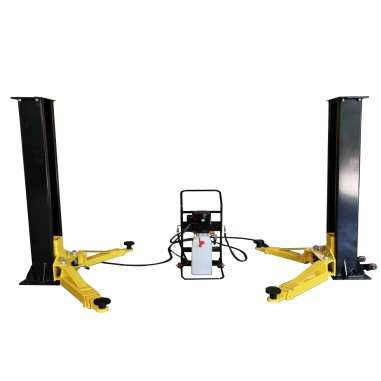
Installing a 2 post car lift transforms your garage into a professional-grade workspace, enabling efficient vehicle maintenance and repair work. A 2 post car lift represents one of the most popular lifting solutions in automotive facilities, offering space efficiency and reliable performance. The installation process requires careful planning, proper preparation, and strict adherence to safety protocols to ensure the 2 post car lift operates safely and reliably for years to come. Whether you operate a small independent shop or maintain vehicles at a larger facility, understanding how to properly install a 2 post car lift is essential for workplace safety and equipment longevity.
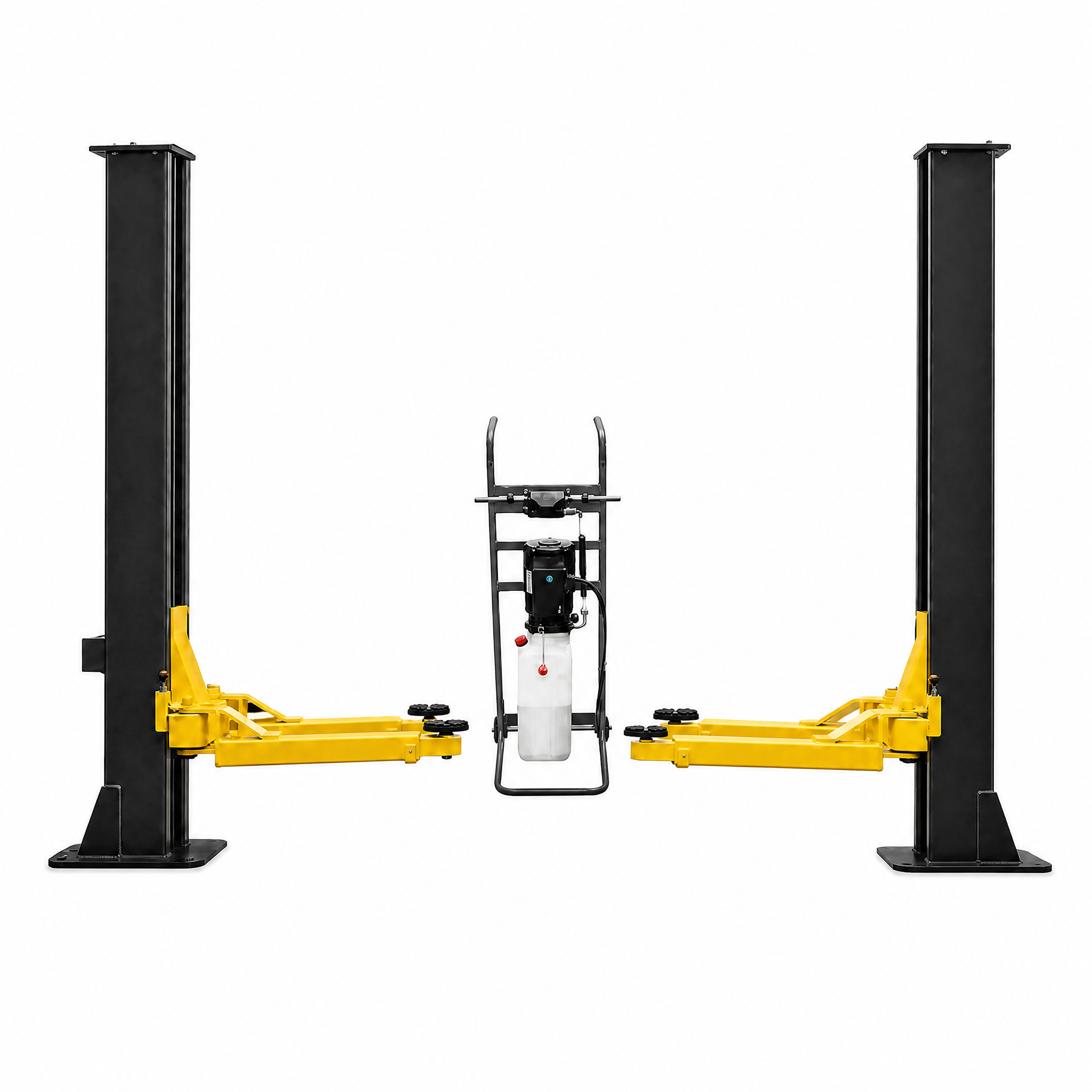
Before you begin the installation of your 2 post car lift, site assessment and preparation are critical. The location where you install a 2 post car lift must have adequate floor space, proper weight distribution capacity, and correct overhead clearance. Taking time to evaluate your installation site prevents costly mistakes and ensures the 2 post car lift functions as designed. This guide walks you through every phase of the installation process, from initial assessment through final safety verification, so your 2 post car lift operates at peak performance.
Site Preparation and Assessment
Evaluating Floor Conditions and Space Requirements
The foundation for successful 2 post car lift installation begins with thorough floor evaluation. Your floor must be level, solid, and capable of supporting the total weight of the 2 post car lift plus the heaviest vehicles you plan to lift. Concrete floors are ideal for 2 post car lift installation, with minimum thickness of 4 inches and compressive strength rated for the lift's load specifications. Measure your available space carefully—a 2 post car lift typically requires 10 to 12 feet of width and sufficient length to accommodate vehicle overhang. Uneven floors cause operational stress on a 2 post car lift and compromise safety, so use a level to verify your installation surface is true within 1/8 inch over 10 feet.
Checking Overhead Clearance and Utilities
Install your 2 post car lift in an area where ceiling height exceeds the lift columns' maximum extension plus the height of the tallest vehicle you plan to service. Most installations require minimum clearance of 12 to 14 feet, depending on the 2 post car lift model. Survey the space above and around your installation area for electrical lines, natural gas pipes, sprinkler systems, and other utilities that could interfere with the 2 post car lift. Mark their locations and maintain safe distances according to local building codes. Before you install a 2 post car lift, confirm that no overhead obstacles will strike the lift arms or vehicle during operation.
Assembly and Positioning Phase
Unpacking and Component Inspection
When your 2 post car lift arrives, inspect all components against the manufacturer's packing list before proceeding with installation. Examine the main columns, base plates, connecting beams, arm assemblies, and all fastening hardware for shipping damage or defects. Document any damage with photographs and contact your supplier immediately—installing a damaged 2 post car lift compromises safety and creates liability. Verify that all bolts, nuts, washers, and seals match the specifications listed in the 2 post car lift manual. Lay out all components systematically so you can locate items quickly during the assembly phase of your 2 post car lift installation.
Positioning Base Plates and Anchoring
Position the base plates for your 2 post car lift according to the exact dimensions specified in the manufacturer's installation guide. Use concrete anchors rated for the full lift capacity of your 2 post car lift—underdimensioned anchors represent a serious safety hazard. Drill anchor holes to the depth and diameter specified for your 2 post car lift model, then install expansion bolts or concrete studs with sufficient thread engagement. Ensure your 2 post car lift base plates sit flush against the concrete and do not rock or shift. Tighten all anchor bolts in a cross-pattern to ensure even pressure distribution, then verify the base plates remain level after the final tightening sequence. Improper anchoring is the leading cause of 2 post car lift failure and safety incidents.
Hydraulic System Installation and Safety Verification
Assembling Hydraulic Cylinders and Pump System
The hydraulic system is the operational heart of your 2 post car lift, requiring careful assembly and connection. Mount hydraulic cylinders to the columns following the torque specifications for your 2 post car lift model—over-tightening can damage seals and reduce 2 post car lift performance. Connect the pump unit to the cylinders using high-pressure hoses rated for your 2 post car lift's maximum operating pressure. Route hoses away from hot surfaces, moving parts, and sharp edges that could damage the lines during operation of the 2 post car lift. Fill the hydraulic reservoir with the fluid type specified in your 2 post car lift manual—using incorrect fluid affects system performance and equipment longevity.
Pressure Testing and Load Verification
Before you place any vehicle on your 2 post car lift, conduct pressure tests with no load to verify proper system operation. Activate the pump and raise the empty 2 post car lift through its full range, listening for unusual sounds and checking for leaks at all connections. Lower the 2 post car lift to the fully down position and observe whether it holds pressure without drifting—drift indicates a pressure valve problem in your 2 post car lift system. Test the lowering valve's descent rate and verify the 2 post car lift descends smoothly and evenly. Place a known test weight on your 2 post car lift that represents approximately 25 percent of maximum capacity and verify symmetrical lifting with no binding or deviation. Never operate a 2 post car lift that exhibits abnormal behavior until you identify and correct the problem.
FAQ
What maintenance schedule should I follow after installing a 2 post car lift?
After installing your 2 post car lift, perform visual inspection before every use, checking for leaks, damage, and proper arm alignment. Check hydraulic fluid level monthly and top off as needed with the correct fluid type specified for your 2 post car lift. Inspect anchor bolts and base plate connections quarterly to verify they remain tight. Have a qualified technician service your 2 post car lift annually, including seal replacement, pressure valve testing, and system flushing. Proper maintenance extends the service life of your 2 post car lift and ensures safe operation for everyone in your facility.
Can I install a 2 post car lift in a garage with limited ceiling height?
Most standard 2 post car lift models require 12 to 14 feet of minimum ceiling height when the lift reaches maximum extension. If your space has limited overhead clearance, some manufacturers offer low-headroom versions of a 2 post car lift designed for garages with 10-foot ceilings or lower. However, installing a 2 post car lift in a space below manufacturer specifications creates safety hazards and equipment damage risk. Measure your actual clearance precisely and consult the lift manufacturer to confirm your space accommodates the 2 post car lift model you plan to purchase.
Do I need a permit to install a 2 post car lift?
Permit requirements for installing a 2 post car lift vary by local jurisdiction and building type. Commercial facilities typically require permits before they install a 2 post car lift, while residential garage installations may have different regulations. Contact your local building department or code official before you install a 2 post car lift to understand permit requirements, inspection procedures, and safety standards that apply in your area. Professional installation by certified technicians often simplifies the permit process and ensures your 2 post car lift meets all applicable codes and standards.