 EN


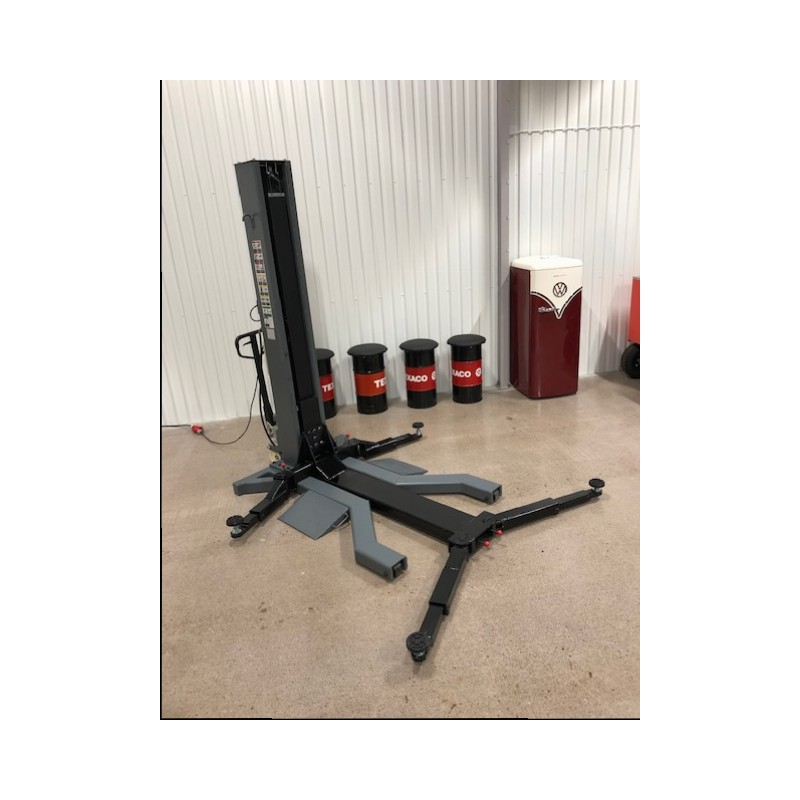
A portable car lift is a mechanical device designed to raise vehicles safely off the ground for maintenance, repair, and inspection work. Unlike traditional fixed garage lifts that are permanently installed, a portable car lift offers flexibility and mobility, making it an ideal solution for small workshops, mobile repair services, and home garages. These systems use hydraulic or pneumatic power to elevate vehicles smoothly and securely, enabling technicians and owners to access undercarriage components, perform tire changes, and conduct comprehensive vehicle inspections without requiring expensive facility modifications.
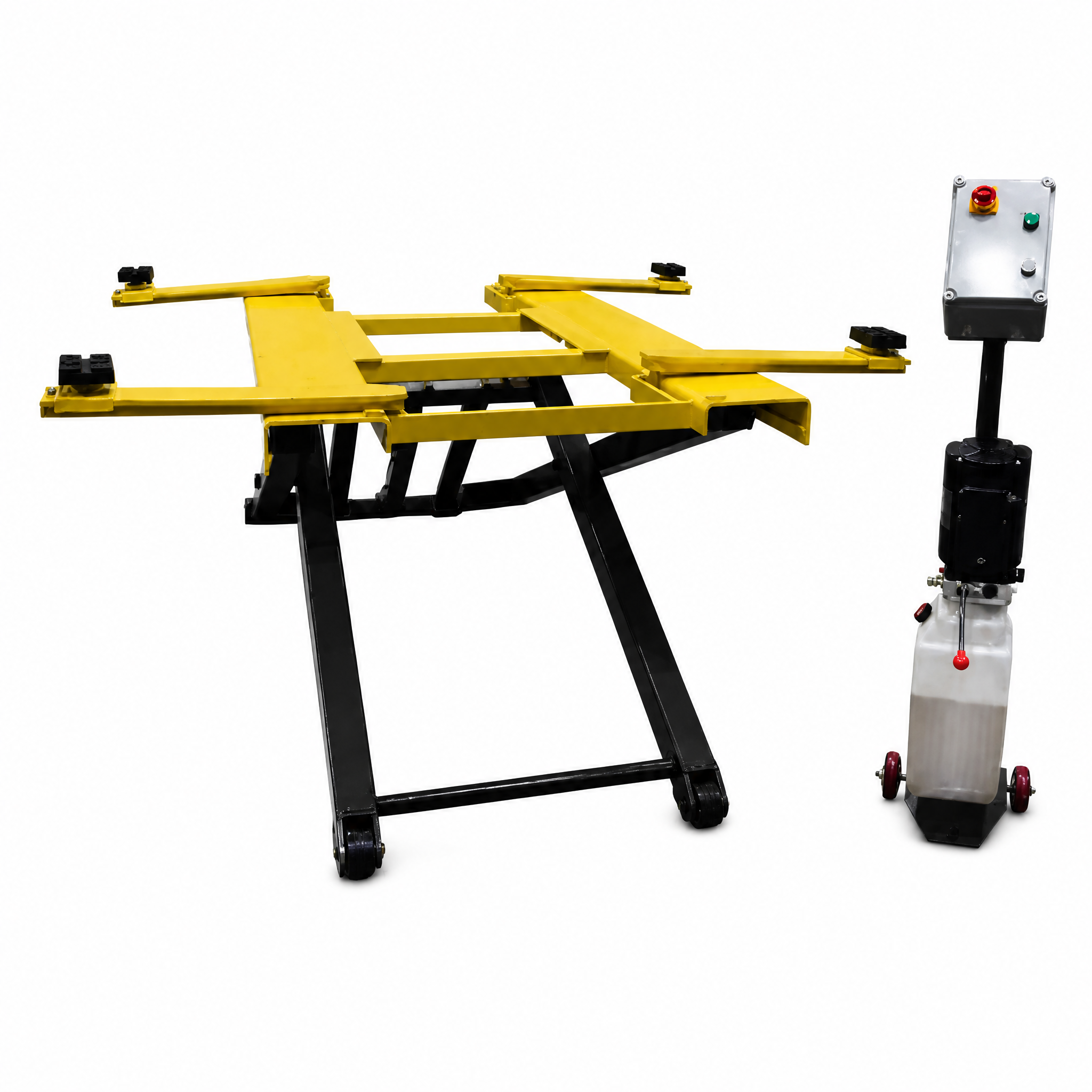
The demand for portable car lift equipment has grown significantly in recent years as more businesses recognize the operational advantages and cost savings associated with mobile lifting solutions. Whether you manage a small repair facility, operate a mobile maintenance service, or maintain vehicles at a residential property, understanding how a portable car lift functions is essential for safe and efficient vehicle service delivery. This comprehensive guide explores the mechanical principles, operational benefits, safety considerations, and practical applications that make portable lifting technology valuable across diverse automotive service environments.
Understanding Portable Car Lift Mechanics and Design
Hydraulic System Operation
The core mechanism of most modern portable car lift systems relies on hydraulic pressure to generate lifting force. When an operator activates a portable car lift, pressurized hydraulic fluid flows through cylinders, pushing internal pistons upward and raising the vehicle platform incrementally. The hydraulic design allows a portable car lift to lift exceptionally heavy vehicles using relatively modest manual or electric pump effort. Safety-critical components include pressure relief valves that prevent over-pressurization, check valves that maintain pressure during static holding phases, and load-limiting sensors that prevent dangerous overloading on any portable car lift installation.
Structural Framework and Stability
A portable car lift features a robust steel frame engineered to distribute vehicle weight evenly across multiple contact points and support legs. Most designs incorporate a scissor-style frame where criss-crossing metal arms expand vertically as hydraulic pressure increases, creating the characteristic diamond-shaped lifting mechanism seen on quality portable car lift models. The base of a portable car lift extends wider than the platform itself, providing a low center of gravity and enhanced stability during full extension. Wheel assemblies on most portable car lift units enable smooth transportation between work areas, while locking mechanisms secure the portable car lift in position once positioning is complete, preventing accidental drift during repairs.
Operational Workflow and Safety Protocols for Portable Car Lift Use
Pre-Lift Inspection and Vehicle Positioning
Before operating any portable car lift, technicians must inspect the equipment for visible damage, verify hydraulic fluid levels, and confirm that all safety locks function properly. Proper vehicle positioning on a portable car lift platform is absolutely critical for operator safety and equipment longevity. The vehicle should be centered on the portable car lift platform with weight distributed evenly between lift arms, avoiding any asymmetrical loading that could compromise stability. Operators must review manufacturer specifications to ensure the vehicle weight does not exceed the rated capacity of the portable car lift being used, as overloading creates serious safety hazards and potential equipment failure.
Controlled Lifting and Descent Procedures
Operating a portable car lift requires smooth, deliberate control of the hydraulic pump to raise the vehicle gradually and predictably. Most portable car lift units feature manual foot pumps or electric pump systems that allow operators to control lifting speed and pause at desired heights without abrupt movements that could destabilize the vehicle. Once the vehicle reaches working height, mechanical locking systems automatically engage to hold the portable car lift platform securely, allowing technicians to work safely underneath without continuous pump operation. Descent procedures must be equally controlled, with operators releasing hydraulic pressure slowly to lower the portable car lift platform smoothly back to ground level, preventing sudden drops that could damage components or create dangerous shock loads.
Practical Applications and Advantages of Portable Car Lift Technology
Mobile Service and Workshop Flexibility
The portability and self-contained nature of a portable car lift makes it invaluable for mobile mechanics who travel to customer locations. A portable car lift can be transported in service vehicles, deployed quickly at client facilities, and relocated between jobs without requiring permanent installation infrastructure. Small independent repair shops benefit enormously from investing in a portable car lift because it eliminates expensive structural modifications required for fixed lifting equipment while maintaining the professional service capabilities that customers expect. Rental fleets, automotive training facilities, and franchise operations frequently rely on multiple portable car lift units to scale service capacity without committing capital to permanent facility expansions.
Common Maintenance Tasks Enabled by Portable Car Lift Equipment
A properly functioning portable car lift enables safe execution of essential automotive maintenance tasks that would be dangerous or impossible to perform with vehicles on ground level. Oil changes become significantly more efficient and ergonomic when technicians can work at comfortable heights using a portable car lift rather than crawling underneath vehicles resting on basic floor jacks. Tire replacement, brake service, suspension inspection, and exhaust system work all benefit from the stable, adjustable platform that a quality portable car lift provides. Detailed undercarriage inspections for rust, damage assessment, and structural integrity evaluation require the elevated view that only a portable car lift can deliver safely and reliably.
FAQ
What is the maximum weight capacity of a typical portable car lift?
Most commercial-grade portable car lift systems range from 3,000 to 6,000 pounds of capacity, with heavy-duty models supporting up to 9,000 pounds or more. The exact capacity of any portable car lift depends on specific design specifications, hydraulic system pressure ratings, and structural engineering parameters. Always consult the manufacturer documentation for your specific portable car lift model to verify load limits and ensure safe operation.
Can a portable car lift be used in residential garages?
Yes, many homeowners and small businesses successfully operate a portable car lift in residential garage spaces, provided the concrete floor is level and capable of supporting the combined weight of the equipment and vehicle. A portable car lift occupies less floor space than comparable fixed installations and can be repositioned when not in use. However, ensure adequate headroom clearance when the portable car lift is fully extended to avoid collision with ceiling structures or overhead obstacles.
How often should a portable car lift receive maintenance?
A portable car lift should undergo regular maintenance including hydraulic fluid level checks before each use, thorough inspections monthly for leaks or visible damage, and professional servicing annually or according to manufacturer recommendations. Properly maintained portable car lift equipment can operate safely and reliably for many years, making preventive maintenance a worthwhile investment in equipment longevity and worker safety.