 EN


A quality garage lift represents one of the most valuable investments a workshop or automotive facility can make, yet pricing remains one of the most misunderstood aspects of the buying decision. In 2025, garage lift costs have shifted significantly based on new safety standards, advanced manufacturing techniques, and evolving market demand. Understanding what determines garage lift pricing will help you make an informed investment that aligns with your operational needs and budget constraints. The cost of a garage lift depends on multiple factors including type, weight capacity, brand reputation, installation requirements, and additional features that enhance functionality and safety.
When evaluating garage lift investments for your workspace, recognizing the relationship between price and value is essential. A budget garage lift may seem attractive initially, but quality considerations, durability, and safety performance often justify spending more upfront. The 2025 market offers diverse options at varying price points, from entry-level garage lift systems to premium industrial-grade equipment. This guide walks you through current garage lift pricing trends, what influences the cost structure, and how to assess whether a particular garage lift offers genuine value for your specific application and long-term operational success.
Understanding Current Garage Lift Pricing Tiers
Entry-Level Garage Lift Systems
Entry-level garage lift options typically range from $2,500 to $5,000 in 2025, making them accessible for small workshops, home garages, and independent technicians. These garage lift models generally support standard vehicle weights up to 9,000 pounds and feature basic hydraulic systems. An entry-level garage lift usually comes with manual or semi-automatic controls and requires minimal electrical infrastructure. However, entry-level garage lift units often lack advanced safety features such as redundant hydraulic systems, intelligent load monitoring, or automatic shut-off mechanisms. Purchasing a garage lift in this price range means accepting trade-offs in automation, durability under heavy daily use, and long-term reliability.
Mid-Range Garage Lift Solutions
Mid-range garage lift products occupy the $5,000 to $12,000 price segment and represent the most popular choice for professional automotive shops and service centers. A mid-range garage lift typically features improved hydraulic components, better safety certifications, and more consistent performance across extended operating hours. Choosing a garage lift in this tier provides features such as integrated safety locks, faster cycle times, and better platform stability. Mid-range garage lift systems usually include warranty periods spanning three to five years and manufacturer technical support. Many professional facilities find that a garage lift in this price range delivers optimal balance between upfront cost and operational reliability over a decade of service.
Key Factors That Drive Garage Lift Costs
Weight Capacity and Specifications
The weight capacity of a garage lift represents the single largest cost determinant. Garage lift systems rated for 9,000 pounds cost significantly less than those designed for 14,000 or 18,000 pounds. Heavier-duty garage lift construction requires reinforced columns, stronger hydraulic pumps, and more robust structural engineering. A garage lift engineered for dual-vehicle capability or heavy commercial trucks requires premium-grade materials and precision manufacturing. Specialised garage lift configurations for specific industries, such as those used for classic car restoration or luxury vehicle servicing, command higher prices due to customized specifications and enhanced control systems.
Safety Certifications and Standards Compliance
Modern garage lift equipment must meet rigorous safety standards, and compliance directly impacts manufacturing costs. A garage lift certified to current ANSI and ISO standards undergoes extensive testing and documentation procedures. Garage lift manufacturers investing in third-party certification, redundant safety systems, and advanced load-sensing technology pass these costs to consumers. Premium garage lift products featuring certified emergency descent systems, dual-valve configurations, and automatic load balancing command price premiums. Buyers should verify that their chosen garage lift meets all applicable safety standards for their jurisdiction and industry, as cheaper alternatives may lack these critical protections.
Installation, Maintenance, and Total Cost of Ownership
Professional Installation and Site Preparation
While garage lift purchase price captures most attention, installation represents a substantial portion of total investment. Professional garage lift installation typically costs between $1,500 and $3,500 depending on floor conditions, electrical requirements, and building modifications. Proper garage lift installation requires reinforced concrete pads, precise levelling, and sometimes structural beam installation for overhead-mounted systems. Facility managers should budget for site preparation when calculating total garage lift acquisition costs. A quality garage lift installed correctly will provide decades of reliable service, whereas improper installation can compromise safety and void manufacturer warranties on your garage lift investment.
Long-Term Maintenance and Operating Expenses
Garage lift maintenance costs vary by model type but represent an essential component of operational budgeting. Annual maintenance for a commercial garage lift typically ranges from $300 to $800 and includes hydraulic fluid replacement, seal inspection, and safety system verification. Investing in a higher-quality garage lift often reduces maintenance frequency and extends service intervals. Premium garage lift brands design systems with accessibility and component longevity in mind, reducing long-term repair expenses. Over a fifteen-year lifespan, the cheapest garage lift may generate $8,000 to $12,000 in cumulative maintenance costs, while a quality garage lift might total only $4,000 to $6,000 in maintenance, making the premium purchase economically rational.
Comparing Garage Lift Types and Their Price Points
Two-Post Garage Lift Systems
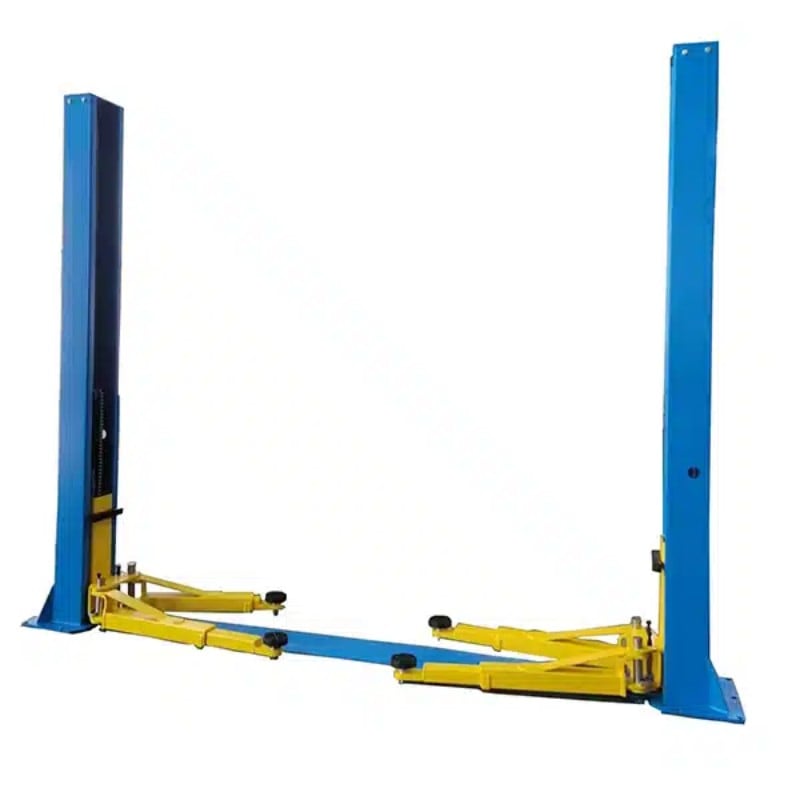
Two-post garage lift designs remain the most popular configuration and typically offer the best value proposition. A two-post garage lift generally costs $3,000 to $8,000 depending on capacity and features, providing excellent access for undercarriage work. The two-post garage lift design minimizes floor space requirements compared to four-post alternatives, making it ideal for compact facilities. Two-post garage lift systems feature symmetric weight distribution and rapid lifting capabilities, improving workflow efficiency. For most independent shops and service centers, a quality two-post garage lift delivers professional-grade performance without premium pricing associated with specialty configurations.
Four-Post and Specialty Configurations
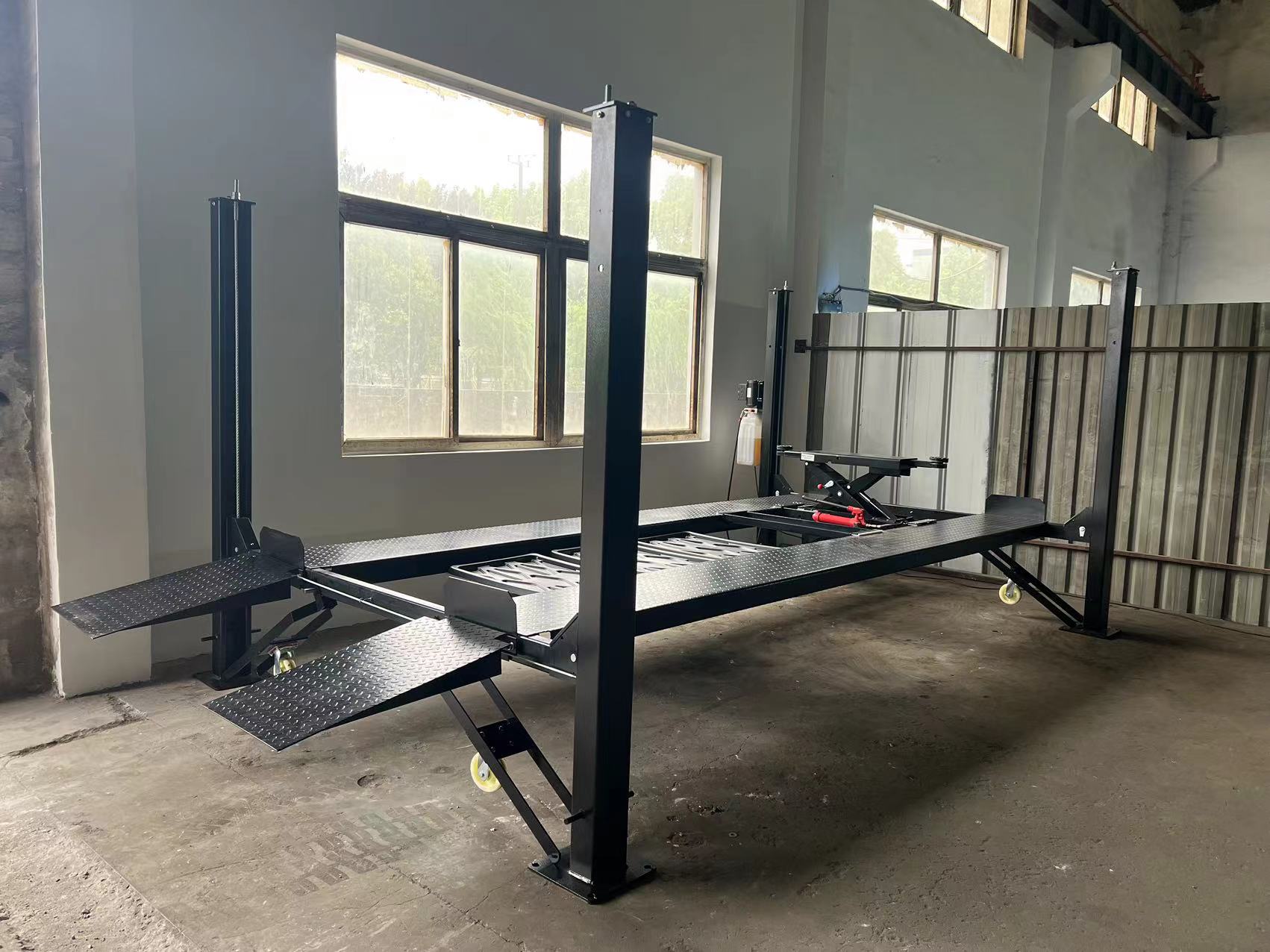
Four-post garage lift equipment typically ranges from $4,500 to $15,000 and serves different operational needs than two-post systems. A four-post garage lift excels at vehicle storage, tire rotation, and work requiring vehicle stability above all other considerations. Specialty garage lift applications such as scissor lifts, portable garage lift equipment, or alignment-specific systems occupy higher price ranges from $8,000 to $25,000. Purchasing a garage lift type should align with your facility's primary workflow and vehicle service requirements. Mismatched garage lift selection can result in inefficient operations and poor return on investment regardless of initial purchase price.
Making Your 2025 Garage Lift Investment Decision
Evaluating Value Beyond Purchase Price
Purchasing a garage lift represents a capital commitment that will influence your facility operations for ten to twenty years. Rather than prioritizing the cheapest garage lift option, evaluate the total economic model including installation, maintenance, productivity gains, and safety reliability. A quality garage lift from an established manufacturer typically includes superior customer support, readily available replacement parts, and better resale value. Facility managers should request detailed specifications, warranty documentation, and references from current garage lift users before finalizing purchases. Investing an additional 20% to 30% beyond the minimum garage lift price often yields substantially better performance, safety, and longevity outcomes.
Negotiating and Sourcing in Today's Market
In 2025, garage lift pricing remains competitive, and buyers should leverage this environment through strategic negotiations. Requesting quotes from multiple qualified garage lift suppliers allows comparison of pricing, warranty terms, and installation offerings. Many suppliers offer package deals combining the garage lift with complementary equipment or extended service plans at favorable rates. Purchasing during seasonal slow periods may yield modest discounts on garage lift inventory. Building direct relationships with reputable garage lift vendors often results in priority service, better warranty terms, and access to upcoming product releases before general market availability.
FAQ
What is the typical price range for a quality garage lift in 2025?
Quality garage lift pricing in 2025 typically ranges from $4,000 to $12,000 for professional-grade two-post systems, with four-post and specialty garage lift models extending to $15,000 or higher. Entry-level garage lift options start around $2,500, though these sacrifice features and durability. The garage lift price you should expect depends on capacity, safety features, brand reputation, and whether you include professional installation costs. Most workshops find the sweet spot for value exists in the mid-range garage lift category between $6,000 and $10,000.
How much should I budget for garage lift installation and setup?
Professional installation for a garage lift typically costs between $1,500 and $3,500, depending on floor conditions, electrical infrastructure, and structural modifications required. Site preparation costs for your garage lift may include concrete pads, reinforcement beams, or floor levelling, adding another $500 to $2,000. The total installed cost of a garage lift should include these installation expenses, not just the equipment purchase price. Many reputable garage lift suppliers include installation in package pricing, which can reduce overall costs compared to separate vendor arrangements.
Is buying the cheapest garage lift a good cost-saving strategy?
Purchasing the cheapest garage lift available rarely represents true cost savings when considering long-term operations. Budget garage lift models often require more frequent maintenance, have shorter operational lifespans, and may lack critical safety features that prevent costly downtime. Over a fifteen-year period, a quality garage lift typically costs less to own and operate than a budget garage lift despite higher upfront pricing. Investing an additional $2,000 to $4,000 in a superior garage lift often yields $6,000 to $10,000 in cumulative savings through reduced maintenance, fewer repairs, and better productivity.