 EN


Deciding when to install a hydraulic car lift is a crucial decision for vehicle enthusiasts, professional mechanics, and serious DIY garage owners. A hydraulic car lift transforms how you maintain, repair, and service vehicles by providing safe, efficient access to the undercarriage and components. However, timing this investment correctly depends on several factors including your current maintenance needs, garage infrastructure, budget readiness, and usage frequency. Understanding these decision points helps you determine whether now is the right moment to bring a hydraulic car lift into your workspace.
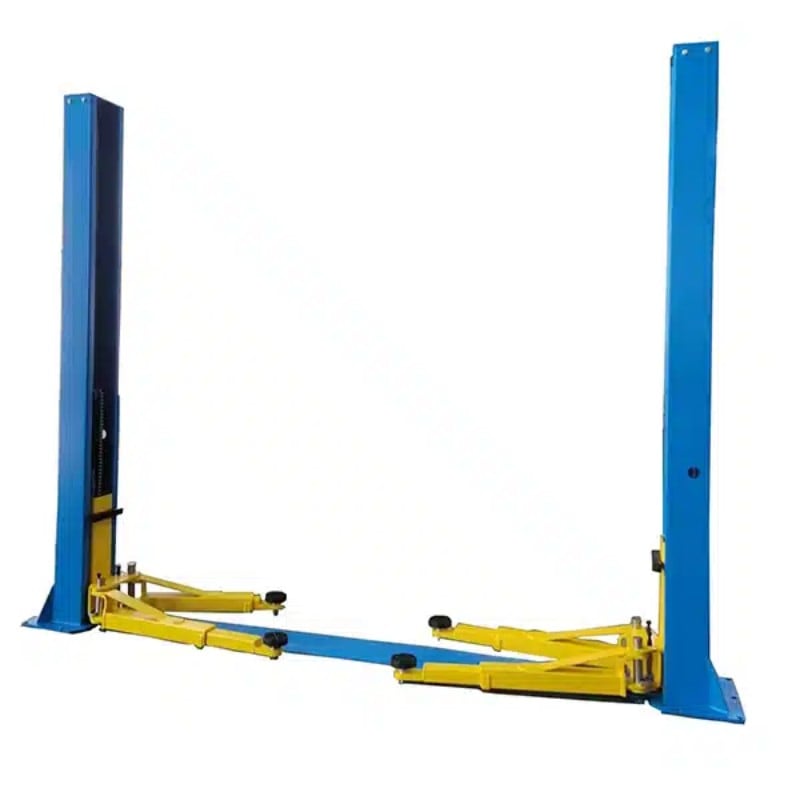
The right time to install a hydraulic car lift depends on your specific situation, workload patterns, and long-term garage plans. Whether you operate a professional service facility or maintain personal vehicles at home, the decision to invest in a hydraulic car lift should align with your operational needs and facility readiness. This guide examines the key timing factors, readiness indicators, and practical scenarios where installing a hydraulic car lift becomes essential rather than optional.
Assessing Your Maintenance Workload and Frequency
Recognizing Increased Service Demands
Your maintenance workload is the primary indicator of when to install a hydraulic car lift. If you find yourself regularly crawling under vehicles, using jack stands repeatedly, or scheduling frequent undercarriage work, a hydraulic car lift becomes invaluable. Professional mechanics handling multiple vehicles daily benefit immediately from having a hydraulic car lift available. When your current maintenance approach involves unreliable equipment, time-consuming setup processes, or safety compromises, installing a hydraulic car lift addresses these inefficiencies directly.
Track how often you perform brake service, oil changes, suspension work, or exhaust system maintenance. If these tasks occur weekly or more frequently, delaying the installation of a hydraulic car lift means continuing to work inefficiently. Each job takes longer without proper lift equipment, and safety risks increase substantially. A hydraulic car lift cuts job time in half, improves ergonomics, and eliminates the physical strain of manual jacking procedures.
Evaluating Fleet Size and Multi-Vehicle Operations
The number of vehicles you maintain directly influences when to install a hydraulic car lift. Small fleets or shops maintaining five or more vehicles benefit from immediate installation. Professional facilities cannot operate competitively without a hydraulic car lift, as customer expectations and service speed depend on proper equipment. Even personal enthusiasts who own multiple vehicles or help friends with repairs find that a hydraulic car lift justifies the investment quickly through time savings and improved work quality.
If you regularly service vehicles for multiple owners, you are already a candidate for installing a hydraulic car lift. The equipment pays for itself through efficiency gains and job completion speed within months. Without a hydraulic car lift, managing multiple service requests becomes logistically difficult and safety-compromised.
Evaluating Your Garage Infrastructure and Space Capability
Confirming Adequate Structural Capacity
Before deciding when to install a hydraulic car lift, assess your garage floor and ceiling dimensions carefully. Your facility must support both the footprint and height requirements of a hydraulic car lift. Standard two-post lifts require approximately 10 by 18 feet of floor space, while four-post models need 12 by 20 feet. Ceiling height must accommodate lifted vehicles, typically requiring minimum 12 feet for two-post lifts and 14 feet for four-post installations. If your garage lacks adequate space, you must either expand the facility or postpone installing a hydraulic car lift until renovation becomes feasible.
The floor itself must be concrete with sufficient thickness and structural integrity to support a hydraulic car lift and its dynamic loads. Inspect your concrete for cracks, settling, or damage that could compromise safety. Weak flooring requires repair or reinforcement before installing a hydraulic car lift. Professional installation services can assess your space and identify any modifications needed before you commit to the investment.
Planning Utility and Access Modifications
A hydraulic car lift requires electrical power for the pump motor, making utility placement essential for installation timing. If your garage lacks dedicated circuits or convenient power access, you must schedule electrical work before installing a hydraulic car lift. Hydraulic systems also generate heat and noise, so ventilation and sound considerations affect workplace comfort and neighbor relations. Some facilities need HVAC modifications or additional cooling capacity to maintain optimal hydraulic fluid temperatures during heavy use.
Workflow patterns should influence when you install a hydraulic car lift. Position the equipment where it minimizes congestion, maximizes accessibility for rolling tool carts, and allows vehicles to enter and exit safely. Drain pans, storage for lifting accessories, and workspace for service tasks all factor into optimal placement. Planning these logistics before installation prevents costly repositioning later.
Assessing Financial Readiness and Cost-Benefit Analysis
Understanding Initial Investment and Payback Timeline
The cost to install a hydraulic car lift ranges from 3,000 to 15,000 dollars depending on type, capacity, and construction quality. Two-post lifts cost less than four-post models, while premium systems with advanced safety features command higher prices. Beyond the purchase price, installation requires concrete preparation, electrical work, and potential facility modifications that add 500 to 2,000 dollars to total project cost. Professional installation services ensure proper setup and compliance with safety standards, making their inclusion worthwhile despite added expense.
Calculate your payback period by dividing total installation cost by monthly value gained through time savings and improved service capacity. Professional shops recover investment within 12 to 18 months through increased throughput and service revenue. DIY enthusiasts measure value through eliminated shop fees and improved ability to handle complex jobs independently. If your projected payback exceeds three years, timing may not be optimal for installing a hydraulic car lift unless other factors like safety or facility expansion make the investment necessary regardless of financial metrics.
Budgeting for Maintenance and Operational Costs
Installing a hydraulic car lift creates ongoing operational expenses that must factor into your financial planning. Annual maintenance includes hydraulic fluid changes, seal inspections, pump servicing, and safety certification. These costs typically range from 300 to 800 dollars annually depending on usage intensity. Oil disposal and replacement fluid add to operational expenses, requiring proper environmental disposal procedures. Electrical costs for operating the pump motor vary with duty cycle and local utility rates.
Insurance implications change when you install a hydraulic car lift, particularly in professional settings where liability exposure increases. Verify that your current coverage addresses equipment usage, worker safety under lifts, and customer vehicle protection. Some policies require safety certification, employee training documentation, and equipment inspection records before you can install a hydraulic car lift on insured premises. Confirming these requirements before purchase prevents surprises and ensures financial readiness extends beyond equipment cost.
FAQ
Can a DIY garage owner safely install a hydraulic car lift?
Professional installation is strongly recommended when you decide to install a hydraulic car lift, as improper setup creates serious safety hazards. Concrete preparation, electrical connections, hydraulic system charging, and safety verification require specialized expertise. While some experienced mechanics perform installations independently, this approach carries substantial risk if structural, electrical, or hydraulic systems are configured incorrectly. Paying for professional installation when you install a hydraulic car lift ensures the equipment operates safely and maintains manufacturer warranties.
How do you know if your garage is ready for a hydraulic car lift?
Your garage is ready to install a hydraulic car lift when it has adequate floor space, proper ceiling height, sound structural concrete, available electrical circuits, and climate control capability. Measure your space carefully against equipment specifications, check floor condition thoroughly, and verify that existing utilities support operation. If modifications are needed, factor these into your installation timeline and budget planning. A professional assessment can definitively confirm readiness before you commit to purchasing and installing a hydraulic car lift.
What is the typical lifespan of a hydraulic car lift after installation?
A well-maintained hydraulic car lift typically lasts 15 to 20 years or more, provided routine service and inspections occur consistently. Heavy-use professional facilities may experience accelerated wear compared to lightly-used personal garages, affecting longevity of a hydraulic car lift. Regular hydraulic fluid changes, seal replacements, pump servicing, and safety certifications extend equipment life significantly. Proper installation and avoiding overload conditions preserve equipment integrity, ensuring your investment in a hydraulic car lift delivers value across decades of service.